



















24kW Generac Propane Tank Size: Safe Expert 2026 Guide


24kW Generac Propane Tank Size: Safe Expert 2026 Guide
🕑 13 min read Updated: June 2026 Table of Contents The Fast Answer: 24kW Generac Propane Tank Sizes 24kW Generac Propane Consumption Rates 24kW Generac Propane Tank Runtime...
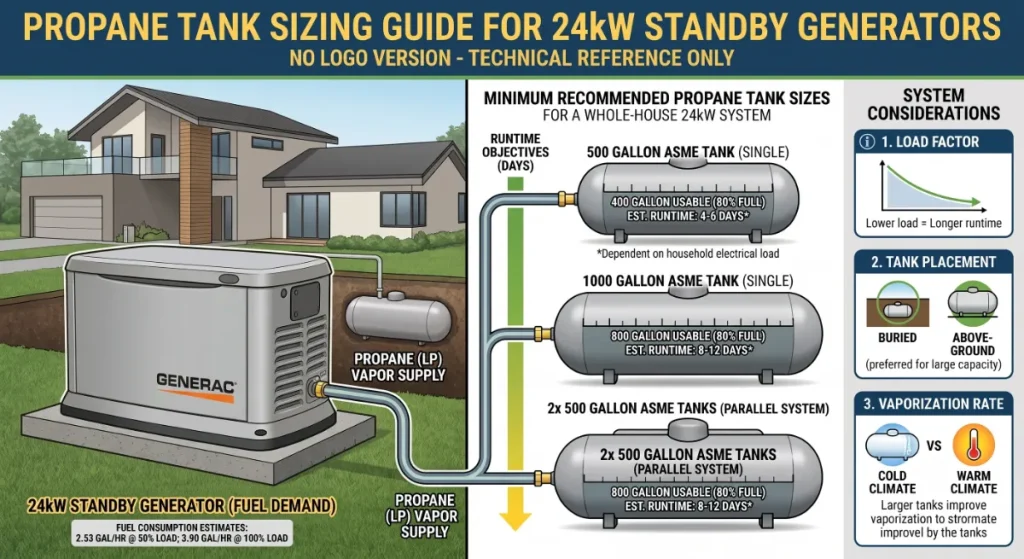
- The right propane tank size for a 24kW Generac is 500 gallons for gas-heated homes and 1,000 gallons for all-electric or outage-prone configurations.
- A 24kW Generac burns approximately 3.8 gallons per hour at full load and 2.0 gallons per hour at half load, which is the realistic residential consumption rate.
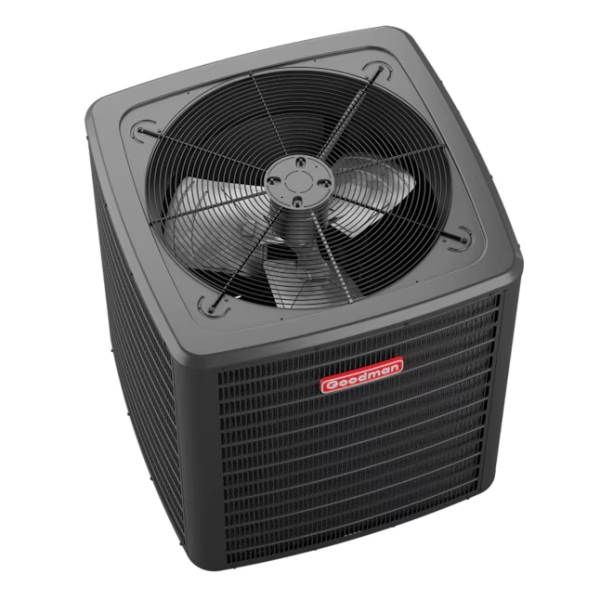
- The 24kW is the largest air-cooled Generac and typically runs at higher average load than smaller units, which shortens runtime per gallon of propane.
- A 500-gallon tank (400 usable gallons) delivers 5 to 8 days of runtime on the 24kW Generac at typical residential load.
- A 1,000-gallon tank (800 usable gallons) delivers 10 to 15 days of runtime and is the standard pairing for all-electric homes with EV charging.
- NFPA 58 sets the clearance and burial standards for residential propane tanks; your installer will site the tank to code.
The right propane tank size for a 24kW Generac is 500 gallons for gas-heated homes with typical residential load and 1,000 gallons for all-electric homes, homes with EV charging, or homes in outage-prone regions. A 500-gallon tank holds 400 usable gallons after the standard 80% safety fill, which delivers 5 to 8 days of continuous runtime at typical outage load on the 24kW. Because the 24kW is the largest air-cooled Generac and typically runs at higher average load, buyers should default toward the 1,000-gallon size when whole-home electrification or extended outage coverage matters.
Across hundreds of Generac home standby generator orders, IB Lighting’s electrician-led team consistently sizes propane tanks larger for 24kW installs than for smaller Generac sizes. Founded in 2013 by a licensed Master Electrician with field experience across DTE Energy and Consumers Energy projects in Michigan, IB Lighting walks every buyer through the tank sizing decision before quoting an install. This guide is that walkthrough, using fuel consumption data verified against official Generac product specifications.
The Fast Answer: 24kW Generac Propane Tank Sizes
The right propane tank size depends on three honest factors: how often your area loses power, how long the typical outage lasts, and how much fuel reserve you want between deliveries. The table below shows the four standard residential tank sizes and the realistic runtime each delivers under typical outage load.

| Tank Size | Usable Gallons (80% fill) | Runtime at Typical Load | Best For |
|---|---|---|---|
| 250 gallon | 200 gallons | 2 to 4 days | Backup-only, low-outage areas (minimum viable) |
| 500 gallon | 400 gallons | 5 to 8 days | Gas-heated homes, standard install |
| 1,000 gallon | 800 gallons | 10 to 15 days | All-electric homes, EV charging, outage-prone regions |
| Multiple 500-gallon | 800+ gallons | 11+ days | Phased install or staged delivery flexibility |
The honest reading: the 24kW Generac skews toward larger tanks than smaller units in the Generac lineup because its higher output rating typically pairs with higher-consumption home configurations. Gas-heated homes with modest electrical load do well on a 500-gallon tank. All-electric homes, homes with EV charging, or homes in outage-prone regions should default to the 1,000-gallon size. The Propane Education & Research Council publishes regional propane usage data that can help with this decision.
Pro tip: The 24kW Generac is the largest air-cooled standby in the Guardian lineup, which means it typically ends up in homes with 5-ton AC, EV charging, or all-electric appliance stacks. These configurations run the generator at 40 to 60 percent load average rather than the 30 percent that smaller units see. Plan tank sizing accordingly. The 1,000-gallon tank pairing is the safer default for the 24kW than for smaller Generac sizes.
24kW Generac Propane Consumption Rates
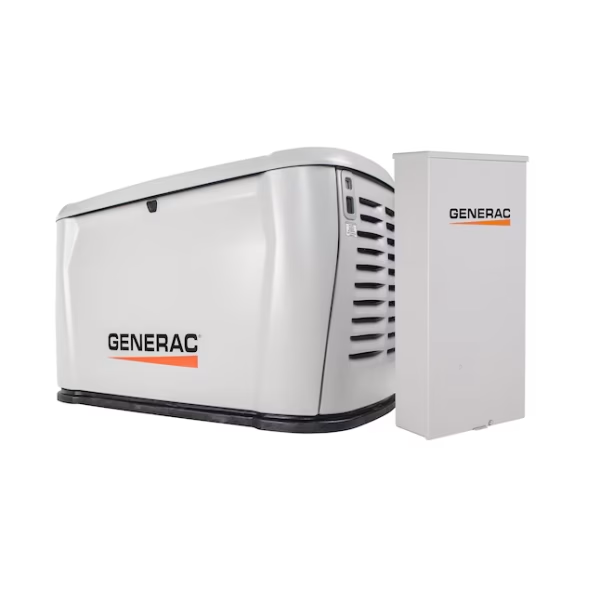
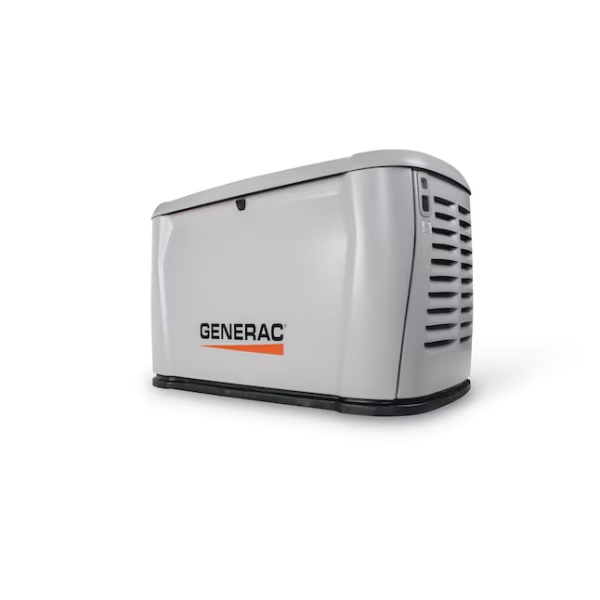
The 24kW Generac 7261 Next Generation burns approximately 3.8 gallons of propane per hour at full load (24 kW output) and approximately 2.0 gallons per hour at half load (12 kW output). The half-load figure is the realistic planning number for residential use because home generators rarely run at full nameplate output during an outage.

Why the 24kW runs at higher average load
Buyers who choose the 24kW Generac typically have larger electrical load profiles: 5-ton AC, all-electric water heater, EV charging, workshop equipment, or dual HVAC zones. These homes run the unit at 40 to 60 percent load on average during outages rather than the 25 to 40 percent typical of smaller-Generac installs. Higher average load means higher fuel consumption per hour and shorter runtime per gallon.
Real-world consumption data
Field data from 24kW Generac installs IB Lighting has shipped shows actual fuel consumption averages 1.9 to 2.5 gallons of propane per hour across a multi-day outage. All-electric homes with 5-ton AC cycling run at the higher end. Gas-heated homes with modest 240V load run at the lower end. Cold-weather outages skew higher because gas furnace blowers and electric backup heat add baseline demand.
Propane consumption versus other Generac sizes
| Generator Size | Full Load (GPH) | Half Load (GPH) |
|---|---|---|
| 14kW | ~2.1 | ~1.1 |
| 18kW | ~2.8 | ~1.5 |
| 22kW | ~3.5 | ~1.8 |
| 24kW Generac | ~3.8 | ~2.0 |
| 26kW | ~4.2 | ~2.2 |
24kW Generac Propane Tank Runtime Chart
The runtime numbers below assume a 24kW Generac running at typical residential outage load of approximately 2.0 gallons per hour. Tanks are sized at the standard 80% safe fill capacity, which is the legal maximum residential propane fill per NFPA 58 and accounts for propane’s thermal expansion in summer heat.
| Tank Nameplate | Usable Fuel | Runtime Hours | Runtime Days |
|---|---|---|---|
| 120 gallon (vertical) | 96 gallons | ~48 hours | ~2 days |
| 250 gallon | 200 gallons | ~100 hours | 4 days |
| 325 gallon | 260 gallons | ~130 hours | 5 days |
| 500 gallon | 400 gallons | ~200 hours | 8 days (light load) or 5 to 8 days (typical) |
| 1,000 gallon | 800 gallons | ~400 hours | 15+ days (light load) or 10 to 15 days (typical) |
Why runtime ranges instead of single numbers
Real propane consumption varies with outdoor temperature, home insulation quality, occupancy, appliance use, and weather conditions during the outage. The runtime ranges above bracket the realistic span. A 500-gallon tank delivering 5 days during a hot summer outage with heavy AC cycling and EV charging could deliver 7 to 8 days during a mild fall outage with lighter load.
Need help confirming the right tank size?
IB Lighting’s electrician-led team coordinates generator and tank sizing together. Call (800) 674-9019 or request a free sizing review.
How to Calculate Your 24kW Generac Tank Size
The right tank size for your specific home comes out of four honest inputs. The math is simple, and getting it right once prevents the costly mistake of installing a tank that runs dry during the first multi-day outage.
Step 1: Estimate your expected outage duration
Look at your utility’s outage reports for the past 5 years. Most utilities publish historical outage data online. Note the longest outage event and the average outage duration. If your area sees occasional 7-day outages from hurricanes, ice storms, or wildfires, size your tank for at least that duration plus a 2-day buffer.
Step 2: Estimate your generator load percentage
Gas-heated homes with 5-ton AC, refrigerator, lighting, and electronics typically run the unit at 30% to 45% load (7,200 to 10,800 watts continuous). All-electric homes with electric water heater, electric range cycling, and EV charging typically run at 45% to 60% load (10,800 to 14,400 watts). Higher load means higher fuel consumption and shorter runtime per gallon.
Step 3: Multiply consumption by hours
Use 2.0 gallons per hour as the typical-load planning figure for the 24kW Generac. Multiply by your expected outage duration in hours. For a 7-day outage: 7 days x 24 hours x 2.0 GPH = 336 gallons. This is the usable fuel you need. Divide by 0.80 to get the tank nameplate size: 336 / 0.80 = 420 gallons. A 500-gallon tank covers this with modest margin, or step up to 1,000 gallons for extended outage coverage.
Step 4: Add a safety buffer for delivery delays
During widespread weather events, propane delivery can be delayed by 1 to 3 days as suppliers prioritize emergency calls. Adding 2 days of buffer fuel to your calculation is the standard recommendation. For the 7-day outage scenario above, the 2-day buffer adds 96 gallons of usable fuel, pushing the recommended tank size to 520 usable gallons or a 650-gallon nameplate. Since 650-gallon tanks are uncommon, the practical choice becomes 500-gallon with tight margin or 1,000-gallon with substantial reserve.
The 500-Gallon Tank: Baseline Pick for 24kW Generac
The Generac 7261 24kW paired with a 500-gallon propane tank works for gas-heated homes with modest electrical stacking. Unlike smaller Generac sizes where the 500-gallon tank is the universal default, the 24kW’s higher output rating and typical use case shifts many buyers toward the 1,000-gallon tank instead. Understanding which home configuration fits the 500-gallon spec prevents both over-buying and under-sizing.

500-gallon tank specifications
| Specification | Value |
|---|---|
| Nameplate capacity | 500 gallons |
| Safe fill capacity (80%) | 400 gallons usable |
| Above-ground dimensions | ~10 ft long x 41 in diameter |
| Empty weight | ~950 pounds |
| Full weight | ~3,000 pounds |
| Runtime at typical load (24kW Generac) | 5 to 8 days |
| Required clearance from structure | 10 feet minimum per NFPA 58 |
| Approximate purchase cost | $1,800 to $3,000 |
| Approximate install cost | $1,000 to $2,500 |
When 500 gallons is the right pick for the 24kW
The 500-gallon pairing works when your home is gas-heated, your electrical load stays under 15 kW peak, you have reliable propane delivery within 1 to 2 days, and your area sees outages rarely exceeding 48 hours. This describes many suburban Midwest homes and gas-service rural properties where the 24kW is chosen for future-proofing rather than immediate all-electric load. In these configurations, the 500-gallon tank delivers comfortable runtime without the install premium of the 1,000-gallon size.
Pairing a 500-gallon tank with the Generac 7261 24kW?
IB Lighting coordinates generator selection, tank sizing, and install scheduling. Call (800) 674-9019 or view the Generac 7261 24kW product page.
When 1,000 or 250 Gallon Tanks Make Sense
The 24kW Generac has a wider tank-size fit range than smaller units in the Generac lineup because it covers a broader home profile: from modest gas-heated homes future-proofing for electrification, to all-electric homes running EV charging plus 5-ton AC. Recognizing which scenario you fit prevents either over-buying or under-sizing your fuel reserve.
When the 1,000-gallon tank is the right pick
The 1,000-gallon tank is the safer default for the 24kW Generac in most configurations. It is essential for: all-electric homes, homes with EV charging, homes with 5-ton AC as the primary cooling load, homes in Gulf Coast hurricane zones, homes in Pacific Northwest wildfire areas, homes in New England ice-storm regions, and rural homes with unreliable propane delivery. The runtime improvement from 5-8 days (500-gallon) to 10-15 days (1,000-gallon) is the difference between covering a typical extended outage and covering an extreme outage event with margin.
When the 250-gallon tank is a backup-only option
The 250-gallon tank is the minimum viable option for a 24kW Generac and works only for backup-only configurations where the goal is bridging short outages of 24 to 48 hours before utility power returns. This scenario applies rarely with the 24kW because buyers who invest in the largest air-cooled Generac usually want extended runtime coverage. The 250-gallon size is common on 14kW and 18kW installs but uncommon on the 24kW.
Multiple 500-gallon tanks versus a single 1,000-gallon
Some installers recommend two 500-gallon tanks instead of a single 1,000-gallon tank for capacity equivalent to 1,000 gallons. The arguments for two 500s are install flexibility (smaller tanks fit tighter siting constraints) and refill flexibility (one tank can be filled while the other supplies the generator). The argument against is install cost: two tanks require two regulators, two valve setups, and two clearance footprints. For most 24kW installs, a single 1,000-gallon tank is the simpler answer.
Underground vs Above-Ground Propane Tanks
Propane tanks for residential standby installs are available in both above-ground and underground configurations. The choice between them affects install cost, aesthetics, clearance requirements, and long-term maintenance. Both work with a 24kW Generac, but they suit different homeowner priorities.

Above-ground tanks
Above-ground tanks are easier to install ($1,000 to $2,500 install cost versus $3,500 to $6,000 underground), easier to inspect, and easier to refill. The downside is visual: a 1,000-gallon above-ground tank is roughly 16 feet long and 41 inches in diameter, which is a significant visual footprint on the property. Most installers paint above-ground tanks white or off-white to reduce solar heat gain and improve appearance, per industry best practice referenced by NEMA equipment standards.
Underground tanks
Underground tanks (also called buried tanks) preserve the home’s curb appeal by removing the visible tank from the property. Only a small access dome remains visible at ground level. The trade-offs are install cost (roughly $3,500 to $6,000 above the above-ground option for excavation, anchoring, and corrosion protection) and inspection complexity. Underground tanks must meet stricter clearance and burial standards per NFPA 58 and require periodic cathodic protection testing. The 1,000-gallon underground tank is a popular choice on 24kW installs because it hides the visual footprint that would otherwise dominate the property.
5 Mistakes Buyers Make Sizing 24kW Generac Tanks
The mistakes below show up repeatedly in tank sizing conversations for the largest air-cooled Generac. Each one is preventable with the framework above.

Mistake 1: Defaulting to 500-gallon because it works for smaller Generacs
Buyers who researched the 22kW or 18kW propane tank sizing see 500-gallon recommended repeatedly and assume the same applies to the 24kW. The 24kW runs at higher average load, which shortens runtime per gallon. All-electric homes and EV charging configurations on the 24kW should default to the 1,000-gallon tank.
Mistake 2: Sizing from full-load consumption instead of half-load
The 24kW Generac burns 3.8 gallons per hour at full nameplate load, but residential generators rarely run at full output during outages. Buyers who size their tank using the 3.8 GPH figure end up with nearly twice the tank they actually need. Use 2.0 GPH (half load) as the planning figure for typical residential use on the 24kW.
Mistake 3: Forgetting the 80% safe fill rule
Propane tanks fill to 80% of nameplate capacity, not 100%. The remaining 20% accommodates thermal expansion in summer heat per NFPA 58 safety standards. A 1,000-gallon tank holds 800 usable gallons, not 1,000. Buyers who size based on nameplate capacity end up 20% short on runtime.
Mistake 4: Under-sizing for EV charging load
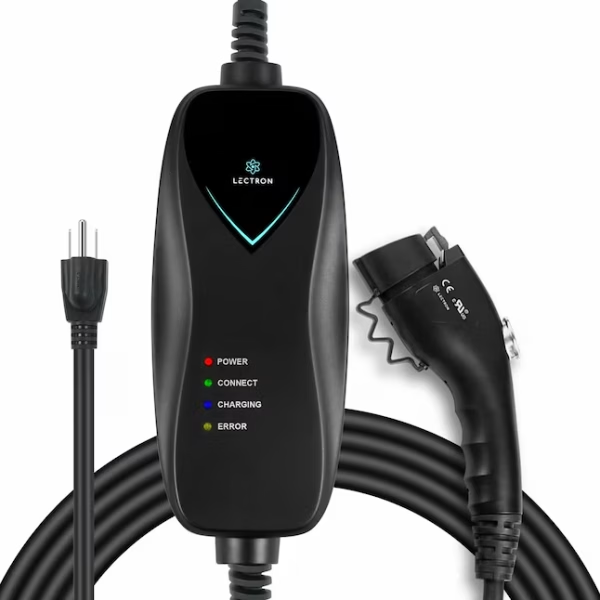
A Level 2 EV charger at 48 amps continuous adds 11.5 kW of load to the generator. On a 24kW Generac, running the EV charger plus a 5-ton AC plus baseline household load pushes the unit toward 60 to 75 percent capacity, which pushes fuel consumption toward the 2.5 to 2.8 GPH range. Tanks sized without accounting for EV load run dry earlier than expected.
Mistake 5: Skipping the clearance and code review before install
NFPA 58 sets minimum clearances between propane tanks and structures, property lines, ignition sources, and the generator itself. A 1,000-gallon tank needs 10 feet of clearance from the home and 25 feet from property lines in many jurisdictions, and its 16-foot length may not fit tight lot configurations. Walk your property with your installer before finalizing tank size.
Frequently Asked Questions
What size propane tank do I need for a 24kW Generac?
The right propane tank for a 24kW Generac is 1,000 gallons for all-electric homes, homes with EV charging, or homes in outage-prone regions. For gas-heated homes with modest electrical load in low-outage areas, a 500-gallon tank works and delivers 5 to 8 days of runtime. Most 24kW installs default to the 1,000-gallon size for extended coverage margin.
How long will a 500-gallon propane tank run a 24kW Generac?
A 500-gallon propane tank running a 24kW Generac at typical residential load of 2.0 gallons per hour provides approximately 200 hours of runtime, or 8 days at light load and 5 to 8 days at typical outage load. The 500-gallon nameplate holds 400 usable gallons after the standard 80% safe fill per NFPA 58 standards.
How long will a 1,000-gallon tank run a 24kW Generac?
A 1,000-gallon propane tank running a 24kW Generac at typical load of 2.0 gallons per hour provides approximately 400 hours of runtime, or 10 to 15 days at typical outage load. This covers essentially every realistic extended outage scenario including hurricane recovery windows and delayed propane delivery during widespread weather events.
How much propane does a 24kW Generac use per hour?
A 24kW Generac burns approximately 3.8 gallons of propane per hour at full nameplate load and approximately 2.0 gallons per hour at half load. Real-world residential consumption averages 1.9 to 2.5 gallons per hour across a multi-day outage, with all-electric homes and EV charging pushing consumption toward the higher end of that range.
Is the 24kW Generac fuel-efficient?
The 24kW Generac uses roughly 11 percent more propane per hour than the 22kW at half load. On a per-kilowatt basis, the 24kW is competitive with other large air-cooled units. The Next Generation Electronic Fuel and Ignition Control (EFIC) system delivers 5 to 10 percent fuel savings versus legacy units in the same output class.
Should I get an underground or above-ground propane tank?
Above-ground tanks cost $1,000 to $2,500 to install and are easier to inspect and refill. Underground tanks cost $3,500 to $6,000 more but preserve curb appeal by removing the visible tank from the property. On the 24kW where 1,000-gallon tanks are common, the underground option hides the 16-foot visual footprint that would otherwise dominate the property.
How often will I need to refill the propane tank?
Refill frequency depends on outage frequency, tank size, and generator load profile. A 1,000-gallon tank powering a 24kW Generac through one typical 5-day outage uses roughly 25 percent of the usable fuel. Most propane suppliers offer automatic delivery programs that monitor tank level and refill on a schedule, typically once per year for residential standby use.
What is the safe fill capacity for a propane tank?
Propane tanks fill to 80% of their nameplate capacity per NFPA 58 safety standards. The remaining 20% accommodates thermal expansion in summer heat. A 500-gallon tank holds 400 usable gallons. A 1,000-gallon tank holds 800 usable gallons. This is a hard code requirement and licensed propane contractors will not exceed it under any circumstances.
Conclusion
The right propane tank size for a 24kW Generac is 1,000 gallons for all-electric homes, homes with EV charging, or homes in outage-prone regions. Gas-heated homes with modest electrical load in low-outage areas can use a 500-gallon tank. The 24kW Generac burns approximately 2.0 gallons per hour at typical residential load, which translates to 5 to 8 days of runtime on a 500-gallon tank and 10 to 15 days on a 1,000-gallon tank. Because the 24kW is the largest air-cooled Generac and typically ends up in higher-load homes, the 1,000-gallon tank is the safer default. Use half-load consumption when sizing, remember the 80% safe fill rule.
Ready to order the Generac 7261 24kW with the right propane tank?
IB Lighting carries the Generac 7261 24kW shipped free nationwide with freight insurance, and coordinates tank sizing with your propane contractor. Call (800) 674-9019 or view the Generac 7261 24kW product page.
A one-page printable card with the 24kW Generac propane consumption rates, tank size runtime chart, and 4-step calculation framework. Send it to your propane contractor before the install date.
Request the free card →This article was last reviewed and updated in June 2026 to reflect current Generac 7261 Next Generation propane consumption data and NFPA 58 residential propane tank standards.