

















Best Generator for Well Pump House: Safe Expert 2026 Guide


Best Generator for Well Pump House: Safe Expert 2026 Guide
🕑 {{READ_TIME}} min read Updated: {{UPDATED}} Table of Contents Best Generator for Well Pump House: The Short Answer How Much Power Does a Well Pump Really Need? Why...
- The best generator for well pump house backup is sized to the pump’s starting demand, not to its running watts or breaker size.
- Franklin Electric lists minimum generator sizes by horsepower: 3kW for a 3/4 HP motor and 4kW for a 1 HP motor.
- Two-wire motors need generator capacity 50 percent higher than the published chart, because their starting current is higher.
- A generator must hold at least 65 percent of rated voltage during starting, or the motor never reaches speed.
- A 10kW standby covers a typical 1 HP pump plus household essentials, while whole-home coverage points to 18kW.
The best generator for well pump house backup is a 10kW standby for most homes with a 1 HP pump and essential loads. Well pumps are sized by starting demand, not running watts. Franklin Electric lists 4kW as the minimum for a 1 HP three-wire motor, and two-wire motors need half again as much.
Founded in 2013 by a licensed Master Electrician, IB Lighting ships standby and portable generators nationwide. Well owners ask this question constantly, usually after a generator failed to start the pump during an outage. That failure is rarely a fluke. It happens because motor starting is a different problem from steady running. Below, our electrician-led team works from pump manufacturer data rather than wattage rules of thumb.
Best Generator for Well Pump House: The Short Answer
The best generator for well pump house backup depends on pump horsepower and motor type. Franklin Electric, the largest maker of submersible motors, publishes minimum generator sizes in Table 5 of its AIM Manual. For externally regulated generators driving three-wire motors, it lists 2kW for a 1/2 HP motor, 3kW for 3/4 HP, 4kW for 1 HP, 5kW for 1.5 HP, and 7.5kW for 2 HP. Those figures cover the pump alone, with nothing else running.
Naturally, household loads stack on top of that. Consequently, a home with a 1 HP pump plus a refrigerator, lighting, and a furnace blower usually lands on a 10kW standby or a 9,000 to 12,000-watt portable. Two-wire motors and larger pumps push the answer higher. Motor type matters just as much, since two-wire motors need half again as much capacity. The table below shows where common setups land.
| Pump | Franklin minimum, pump alone | With essentials | Whole home |
|---|---|---|---|
| 1/2 HP, three-wire | 2kW | 7,500 W portable or 10kW standby | 10kW to 14kW |
| 3/4 HP, three-wire | 3kW | 7,500 W portable or 10kW standby | 10kW to 14kW |
| 1 HP, three-wire | 4kW | 9,000 W portable or 10kW standby | 14kW to 18kW |
| 1.5 HP, three-wire | 5kW | 12,000 W portable or 14kW standby | 18kW |
| 2 HP, three-wire | 7.5kW | 12,000 W portable or 18kW standby | 18kW to 22kW |
Next, the reason those numbers look so large compared with running watts.
How Much Power Does a Well Pump Really Need?
In practice, a well pump needs modest power to run and a great deal to start. A 1 HP submersible draws roughly 10 amps at 230 volts while pumping, which is about 2,300 watts. However, starting is a different event entirely. For a fraction of a second, locked-rotor current can run several times the running figure, and the generator has to supply it without collapsing.
That gap explains Franklin’s chart. Its table assumes generators with no more than 35 percent voltage dip during starting, which is why a 2,300-watt pump calls for a 4kW generator. Furthermore, the chart applies to a single motor. If other equipment runs at the same time, those loads must be added separately. So the best generator for well pump house backup is always chosen on starting behavior. Review the source in the Franklin Electric AIM Manual.

Why Breaker Size Misleads You
What most guides get wrong: plenty of articles tell readers to size a generator to the well pump breaker. A 1 HP pump often sits on a 30-amp breaker while drawing about 10 amps in operation. Sizing to the breaker would triple the generator you need.
Still, the breaker is large for a reason. It has to tolerate the inrush every time the pump starts without nuisance tripping, so it is deliberately oversized relative to running current. Therefore, use the breaker only as a clue to maximum pump size, then size the generator from the motor nameplate and the manufacturer’s chart. In fact, the nameplate on the control box or pressure switch cover usually lists horsepower and full-load amps directly.
One detail on that nameplate changes the answer by half.
Two-Wire vs Three-Wire Motors: A 50 Percent Difference
First, submersible motors come in two-wire and three-wire versions, and they start very differently. Three-wire motors use an external control box holding the start capacitor and relay. Two-wire motors put everything inside the motor and need no control box, which makes them simpler to install. However, Franklin states that two-wire installations need minimum generator sizing 50 percent higher than its published chart, because their starting current is higher.
Because of that, the recommendation shifts significantly. A 1 HP three-wire motor calls for 4kW, while the same horsepower in two-wire form calls for 6kW before any household load. So check for a control box near your pressure tank or in the well house. If there is no control box, assume a two-wire motor and size up accordingly. Franklin explains the distinction on its technical blog covering generators and submersible pumps.
| Motor | Three-wire minimum | Two-wire minimum |
|---|---|---|
| 1/2 HP | 2kW | 3kW |
| 3/4 HP | 3kW | 4.5kW |
| 1 HP | 4kW | 6kW |
| 1.5 HP | 5kW | 7.5kW |
| 2 HP | 7.5kW | 11.25kW |
Motor type is only half the equation, because generator behavior matters too.
Why Voltage Dip Matters More Than Watts
Notably, watts alone do not tell you whether a generator can start a pump. Franklin’s guidance is explicit: generators must deliver at least 65 percent of rated voltage during starting to ensure adequate starting torque. If voltage sags below that, the motor stalls rather than accelerating, and it draws heavy current while going nowhere. That condition damages motors.
In addition, voltage regulation varies widely between generators. Franklin’s own chart splits sizes between externally regulated and internally regulated units, with internally regulated generators needing roughly half the rating. Meanwhile, power quality matters for the rest of the house. Generac’s True Power technology delivers less than 5 percent total harmonic distortion, which suits sensitive electronics and variable speed equipment. Cheap open-frame units often do far worse. As a result, two generators with identical wattage can behave very differently on the same pump.

With the electrical behavior clear, specific models make more sense.
Best Generators for a Home With a Well Pump
Below, our picks split by how you want backup to work. Automatic standby units suit homes where water matters daily, since nobody has to be present to restore the pump. Portables suit smaller budgets and occasional outages, provided someone is home to start them. Either way, the pump needs 240 volts, so a 120-volt-only generator cannot run it at all.
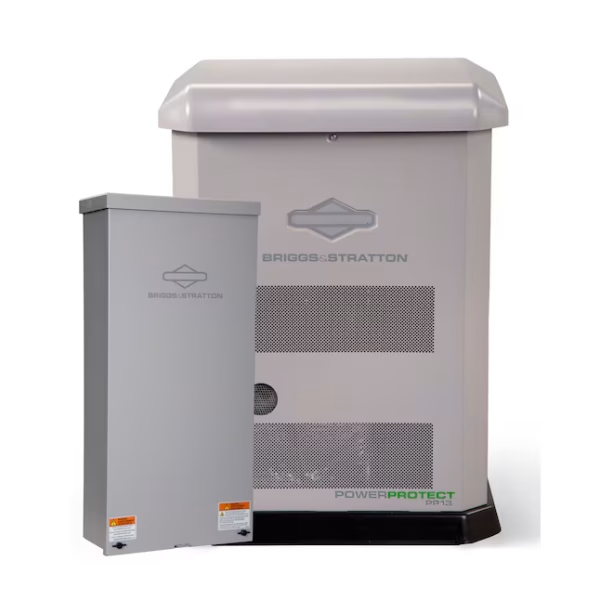
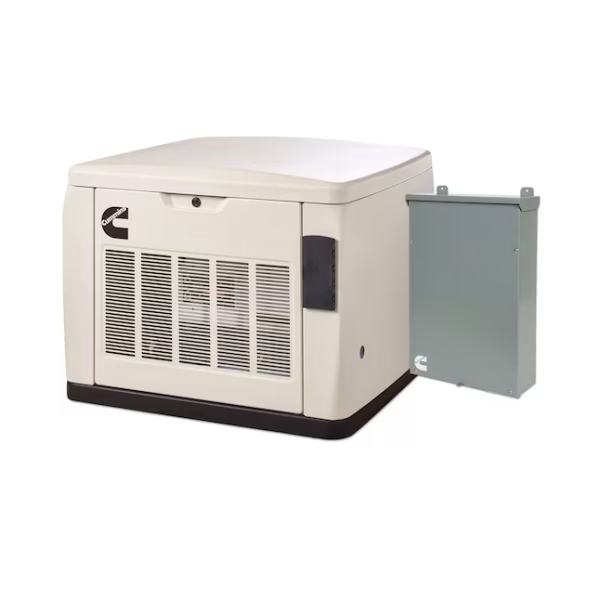
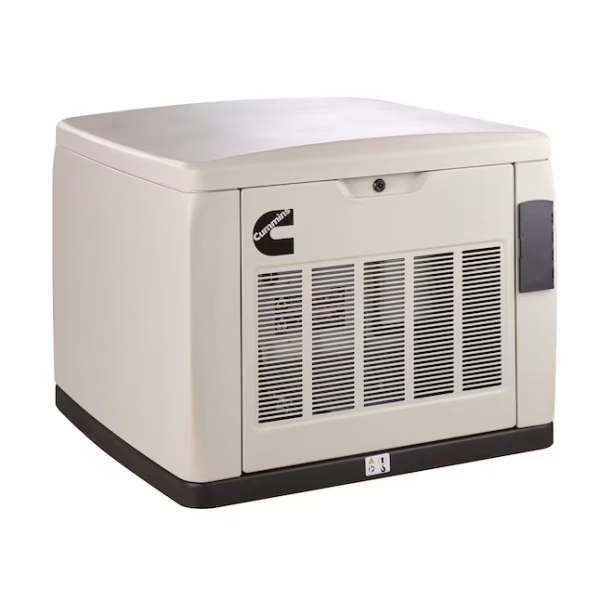
Across both categories, favor units with strong motor starting behavior and honest surge ratings. A generator rated exactly at your pump’s minimum leaves no margin for the refrigerator kicking on mid-cycle. As a result, we size one step above the bare minimum in nearly every well house recommendation. In short, the best generator for well pump house backup carries margin rather than matching a chart exactly. Browse both paths in our home standby generators and portable and inverter generators collections.
Standby Picks
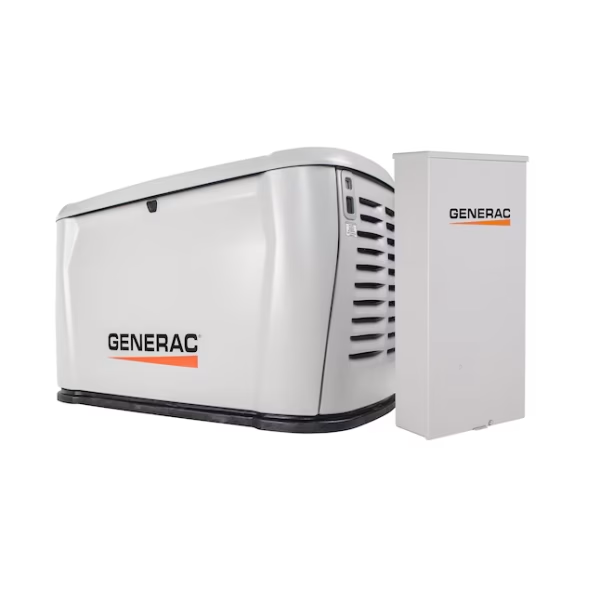
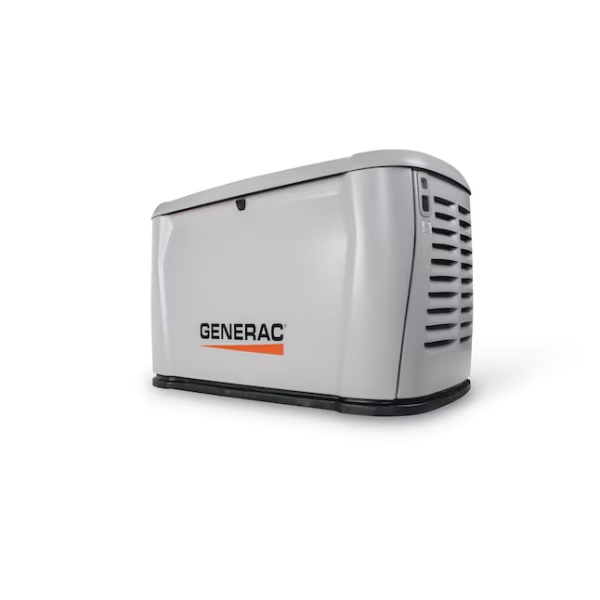
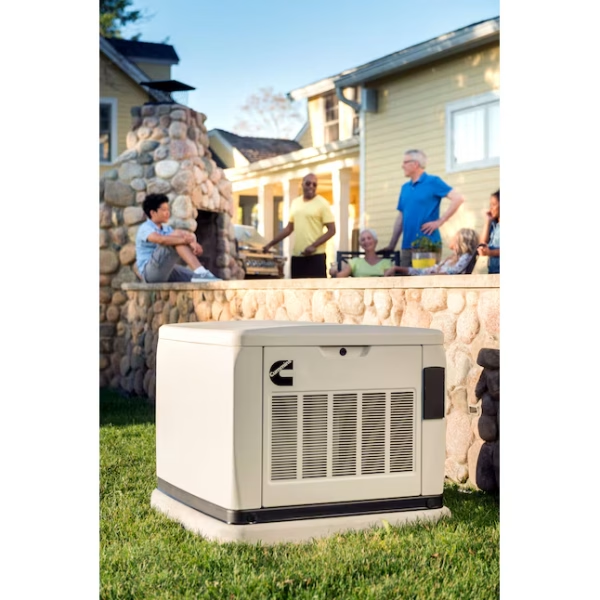
For most homes, the Generac 7321 10kW is the workhorse for well systems. Generac rates the 10kW at 42 amps on propane and 38 amps on natural gas, which covers a 1 HP pump plus refrigeration, lighting, and a furnace blower. Its bundled 100-amp, 16-circuit transfer switch lets you put the pump circuit on the backed-up list deliberately. For gas-heated rural homes, that combination is the best generator for well pump house coverage we recommend most often.
Homes with larger pumps or whole-home ambitions should step up. The Generac 7259 18kW supplies 75 amps on propane, which absorbs a 2 HP pump start while air conditioning keeps running. For properties with 3 HP or larger pumps, or with two pumps, a 22kW or larger unit is the realistic starting point.
Portable Picks
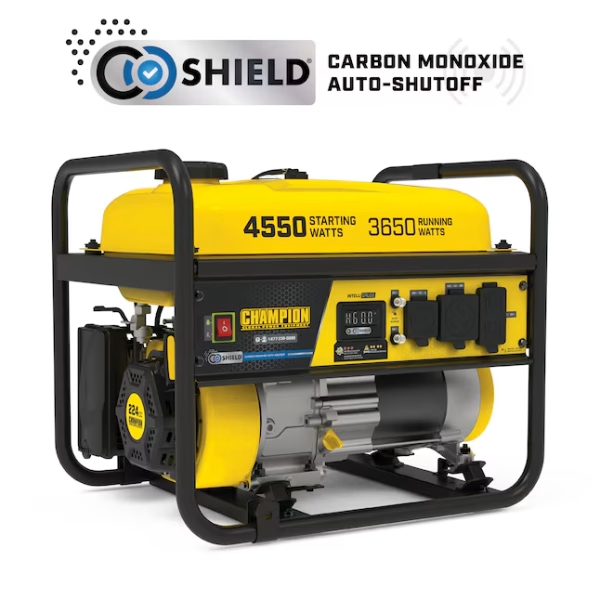
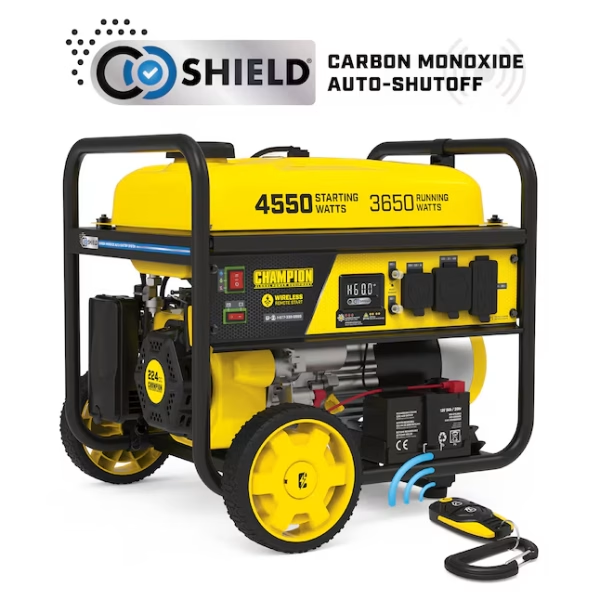
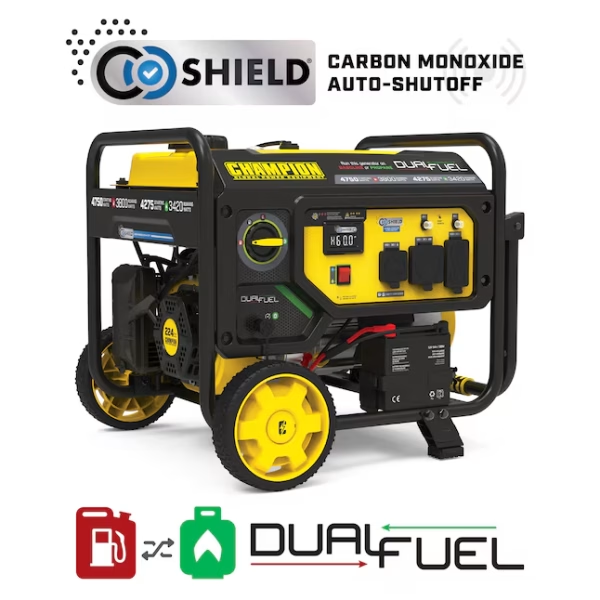
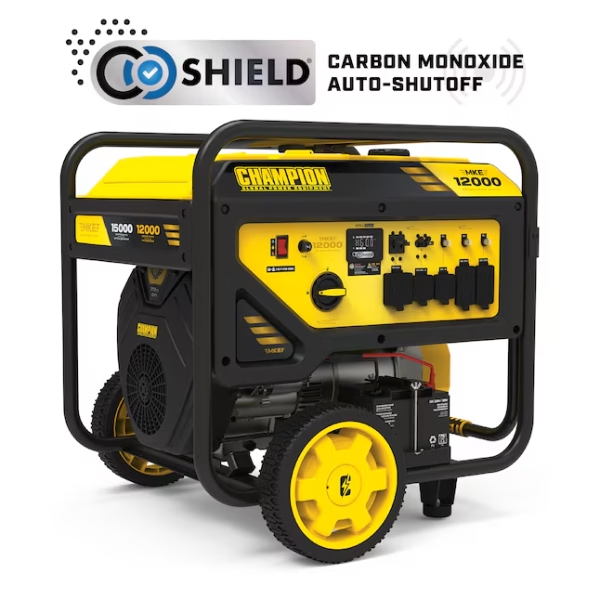
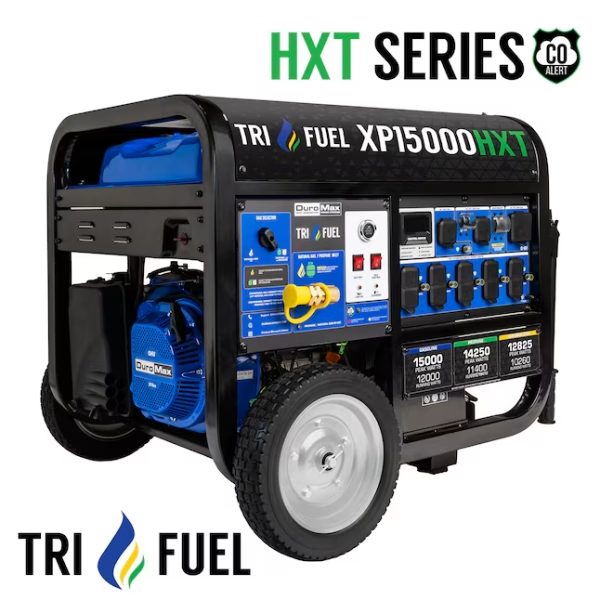
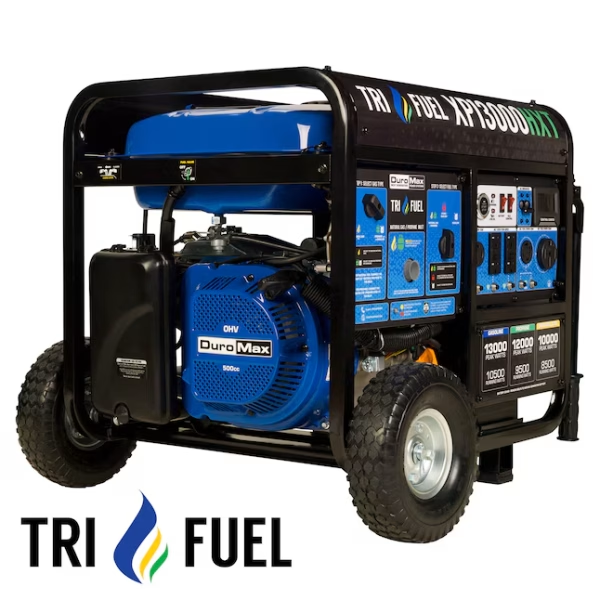
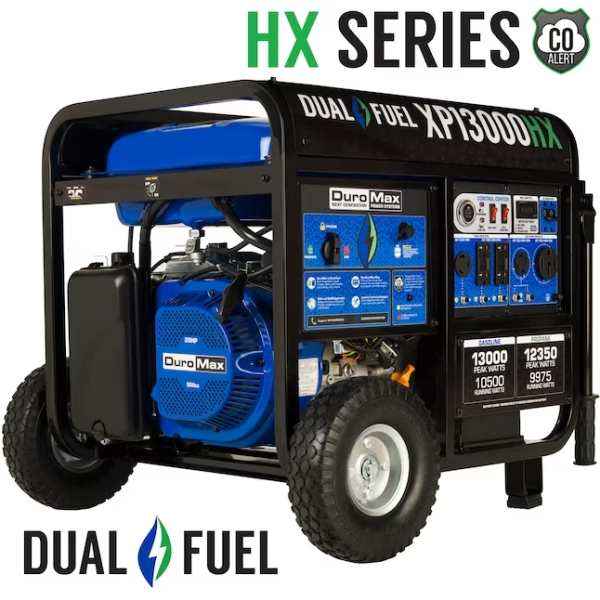
Meanwhile, the Champion 201160 leads the portable list, with 15,000 starting watts and 12,000 running watts plus a 50-amp 120/240-volt outlet. That surge headroom is exactly what a well pump start needs. The DuroMax XP13000HXT offers similar capacity with tri-fuel flexibility, which suits properties that already store propane.
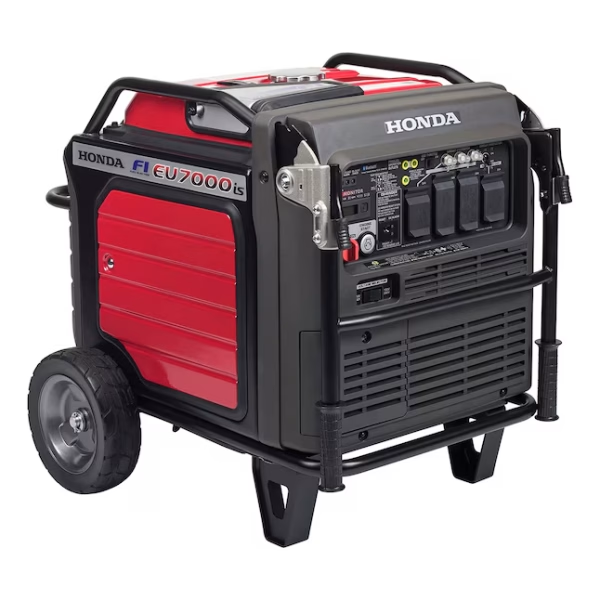
Quieter inverters work for smaller pumps. The Honda EU7000iS supplies 5,500 running watts and 7,000 starting watts at 52 to 58 dB(A), enough for a 1/2 HP or 3/4 HP three-wire pump plus lights and a refrigerator. Still, confirm the pump’s minimum from the chart before committing, since a two-wire motor can exceed it.

Sizing backup power around a well pump?
Send us the pump horsepower, motor type, and your must-run circuits. Our electrician-led team will size it properly. Talk to IB Lighting.
Sizing Beyond the Pump
Realistically, the pump is rarely the only thing you need during an outage. Rural homes on wells often run a septic pump, a water treatment system, and sometimes a booster pump as well. Add refrigeration, freezers, lighting, internet equipment, and heat, and the household total climbs past the pump requirement quickly. That is why Franklin’s chart is a floor rather than an answer. In other words, the pump sets the minimum, and the house sets the size you actually buy.
Timing helps more than raw capacity. Because a well pump runs in short bursts, it rarely competes with everything else at once. Even so, plan for the worst moment: the pump starting while the refrigerator compressor runs and the furnace blower spins. Therefore, add the pump minimum to your steady household load, then confirm the total against the generator’s rated current rather than its surge number.
- Well pump and pressure switch.
- Septic or effluent pump, if present.
- Water treatment, softener, or UV system.
- Refrigerator, freezer, and heating equipment.
- Lighting circuits and internet equipment.
Newer pump systems can change these numbers significantly.
Constant Pressure Pumps Change the Math
Increasingly, constant pressure systems use a variable frequency drive instead of a simple on and off pressure switch. Franklin describes its SubDrive controllers as ramping up motor speed while gradually increasing voltage, which produces a cooler motor and lower start-up current than conventional water systems. That soft start removes the surge problem that drives generator sizing in the first place.
The tradeoff is power quality. Drive electronics prefer clean, stable power, so a generator with low harmonic distortion and good regulation matters more here than raw size. Additionally, some drives dislike sudden frequency swings, so ask your pump installer whether your specific drive has generator guidance. For these systems, the best generator for well pump house backup is often smaller than the chart suggests, but cleaner. Learn more about the technology on Franklin Electric’s SubDrive page.

Pro tip: Photograph the pump control box label, the pressure switch cover, and the breaker in the panel. Those three images give horsepower, motor type, and circuit size, which is everything needed to size a generator correctly on the first call.
Once the size is settled, the connection method matters just as much.
Transfer Switches and Safe Hookup
Importantly, a transfer switch is not optional with a well pump. Franklin’s manual carries an explicit warning that automatic or manual transfer switches must be used any time a generator is used as standby or backup on power lines, to prevent accidental electrocution. Back-feeding a panel through a dryer outlet endangers line workers and can destroy the pump motor when utility power returns unexpectedly.
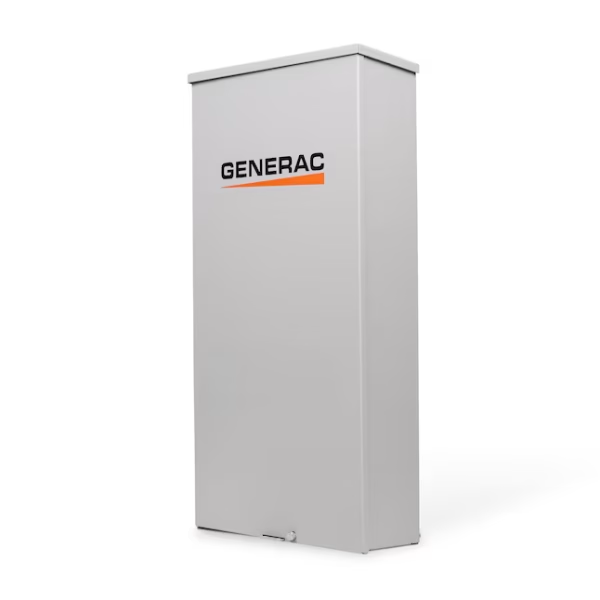
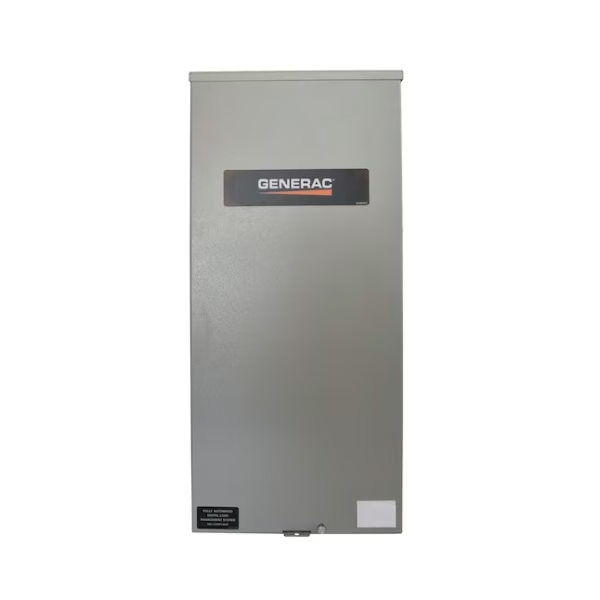
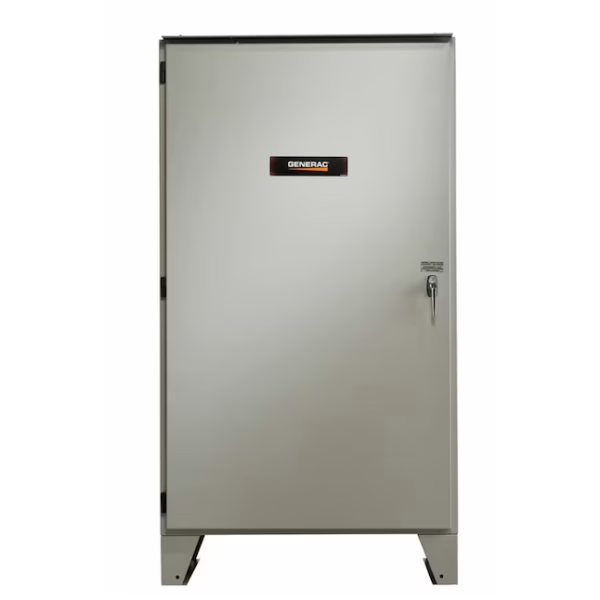
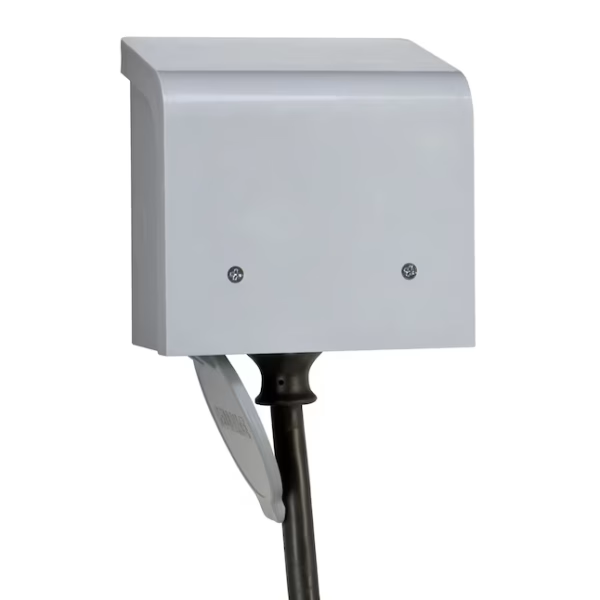
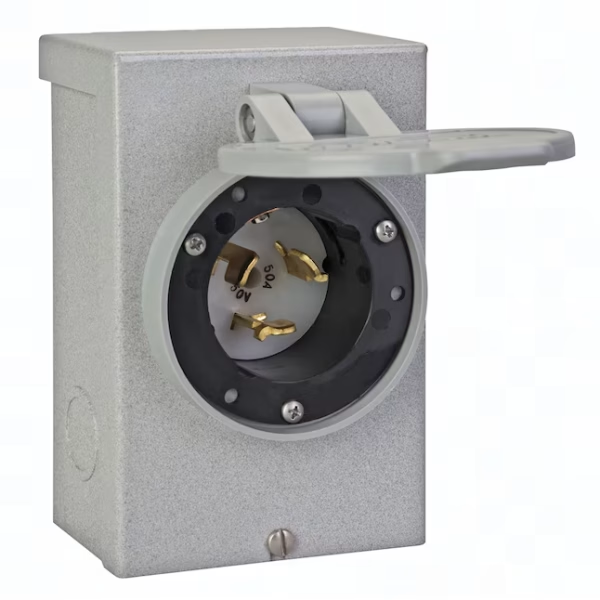
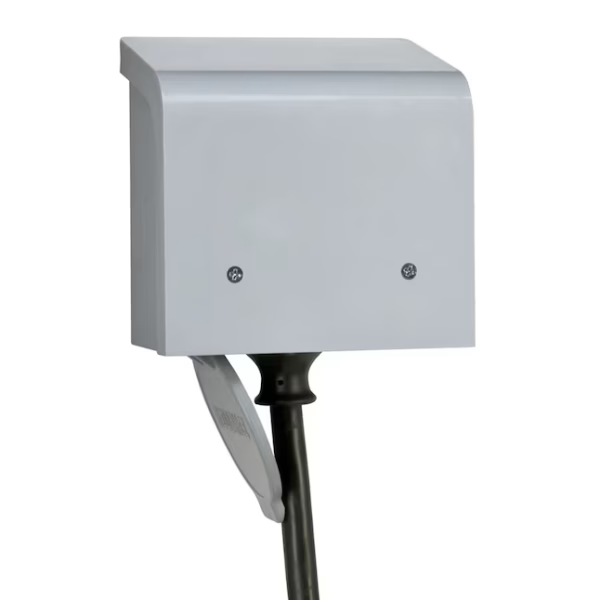
For standby units, the automatic transfer switch handles it. For portables, the usual setup is an outdoor power inlet box wired to a manual transfer switch or a listed interlock kit. Pick a switch with enough circuits for the pump plus your essentials, then label the pump circuit clearly. Anyone in the house should know which breaker keeps the water running. Our transfer switch kits and Reliance 30-amp inlet box cover the hardware.

A short framework ties the pump, the house, and the hookup together.
The WELL Check for Sizing Your Generator
The WELL Check is IB Lighting’s four-point method for choosing the best generator for well pump house backup. It follows the order that actually decides the outcome, starting at the pump nameplate rather than at a wattage guess. Our electrician-led team uses the same sequence when rural customers send photos of a control box. Each letter removes one unknown, and the four together prevent the failure people describe most: a generator that runs the lights but cannot start the pump.
Next, work the letters in order. Start with the wiring type, since two-wire motors need 50 percent more capacity. Then note the pump’s rated horsepower and look up the minimum. After that, add the rest of your loads, and finish with the link between generator and house. When all four agree, confirm the result with the sizer below.
- Wiring type: two-wire or three-wire, which changes the minimum by half.
- Engine size: the pump’s horsepower from the nameplate or control box.
- Loads: everything else that must run during an outage.
- Link: the transfer switch or interlock that connects it all safely.

Finally, a few avoidable mistakes account for most well pump outage failures, whatever generator you choose.
Mistakes That Leave You Without Water
The most common mistake in picking the best generator for well pump house backup is sizing on running watts. A pump that draws 2,300 watts while pumping may need a 4kW generator to start, and a two-wire version needs 6kW. Buyers who read only the running figure end up with a generator that hums along until the pump calls for water, then stalls. The second mistake is loading the generator fully before the pump starts, which leaves nothing for the surge.
Meanwhile, other mistakes are mechanical. A waterlogged pressure tank makes the pump cycle far more often, multiplying the number of hard starts during an outage. Similarly, a failing check valve or a worn start capacitor raises starting demand beyond the motor’s normal profile. So service the well system before storm season, not after the generator fails to start it. A quick inspection costs far less than an emergency pump call.
- Sizing on running watts instead of the manufacturer’s starting chart.
- Assuming a three-wire motor when no control box exists.
- Running the generator near capacity before the pump cycles.
- Ignoring a waterlogged pressure tank that causes rapid cycling.
- Back-feeding the panel instead of installing a transfer switch.
Not sure your generator can start your pump?
Call (800) 674-9019 with the pump horsepower and motor type. We will confirm the size before you buy. Contact IB Lighting
Frequently Asked Questions
What size generator do I need to run a well pump?
Franklin Electric lists minimum generator sizes by horsepower for externally regulated units: 2kW for 1/2 HP, 3kW for 3/4 HP, 4kW for 1 HP, 5kW for 1.5 HP, and 7.5kW for 2 HP with three-wire motors. Those cover the pump alone, so add your household loads on top.
Will a 5,000-watt generator run a well pump?
It can start a 1 HP three-wire pump on its own, since Franklin’s minimum is 4kW. However, it leaves little margin for a refrigerator or furnace running at the same moment. A two-wire 1 HP motor needs 6kW minimum, which is beyond a 5,000-watt unit.
Why won’t my generator start my well pump?
Usually voltage sag. Franklin requires at least 65 percent of rated voltage during starting for adequate torque, and an undersized or heavily loaded generator drops below that. Shed other loads, restart the generator, and let it stabilize before the pump cycles. A two-wire motor may simply need a larger generator.
Do two-wire well pumps need a bigger generator?
Yes. Franklin states that two-wire installations require minimum generator sizing 50 percent higher than its published chart, because starting current is higher without an external control box. So a 1 HP three-wire motor needing 4kW becomes 6kW in two-wire form. Check for a control box near the pressure tank.
Can a portable generator run a well pump?
Yes, if it delivers 240 volts and enough starting capacity. The Champion 201160, with 15,000 starting watts and a 50-amp 120/240-volt outlet, handles typical residential pumps easily. Smaller inverters such as the Honda EU7000iS suit 1/2 HP and 3/4 HP three-wire pumps. Connect through a transfer switch, never through cords.
Does a constant pressure pump need a smaller generator?
Often, yes. Variable frequency drives ramp motor speed up gradually, which Franklin describes as producing lower start-up current than conventional systems. That soft start removes the surge spike. In exchange, drives prefer clean power, so prioritize low harmonic distortion and steady voltage regulation over raw generator size.
Do I need a transfer switch for a well pump generator?
Yes. Franklin’s manual warns that automatic or manual transfer switches must be used any time a generator backs up power lines, to prevent accidental electrocution. Standby units include an automatic switch. Portables need an outdoor inlet box with a manual transfer switch or listed interlock kit, installed by a licensed electrician.
Which generator fits my well system?
It depends on pump horsepower, motor type, other loads, and whether you want automatic starting. A 1 HP three-wire pump with essentials fits a 10kW standby, while whole-home coverage points to 18kW. The interactive sizer in this guide calculates the pump minimum and names the best generator for well pump house backup in under a minute.
When should I hire a professional for well pump backup?
Hire a licensed electrician for the transfer switch and any connection to house wiring, and a pump professional to confirm motor type and condition. Pump motors are expensive, and undersized backup power damages them. IB Lighting’s electrician-led team can size the generator once you have those details. Contact our team for help.
Conclusion
The best generator for well pump house backup is the one sized to start the motor, not just to run it. First, use the manufacturer’s chart: 4kW minimum for a 1 HP three-wire motor, and 50 percent more for a two-wire version. Second, add your household loads on top, since the chart covers the pump alone. Third, favor good voltage regulation, because a generator that sags below 65 percent of rated voltage will stall the motor. Run the WELL Check, then connect it through a proper transfer switch.
Ready to keep the water running through the next outage?
Shop standby and portable generators with expert support before and after purchase. Free Freight Insurance Included. See your exclusive price in cart. Shop Home Standby Generators
🚚 Nationwide Delivery | 🛡️ Free Freight Insurance Included | 🏠 Family-Owned and Operated | 🔒 Secure Checkout. Final pricing available in cart due to manufacturer advertising policies.
This article was last reviewed and updated in {{UPDATED}} to reflect current pump manufacturer guidance, generator specifications, and best generator for well pump house sizing practices. Explore our Expert Advice library, the IB Lighting shop, or the IB Lighting home page. Generac, Franklin Electric, SubDrive, Champion, Honda, and DuroMax are trademarks of their respective owners. IB Lighting is an independent reseller.


