Buying Guides, Home Standby Generators

Best Time to Buy a Generator: Proven, Safe 90-Day Rule

Buying Guides

Best Time to Buy a Generator: Proven, Safe 90-Day Rule

🕑 13 min read Updated: October 2026 Table of Contents When Is the Best Time to Buy a Generator? Why Order-to-Power Takes Longer Than Expected Best Time to...

Updated
Best Time to Buy a Generator: Proven, Safe 90-Day Rule
Key Takeaways

  • The best time to buy a generator is at least 90 days before your local outage season starts, not the week a storm is named.
  • A standby generator usually takes 2 to 4 weeks from order to first power in a quiet month, and far longer after a storm.
  • The gas meter upgrade or propane setup, not shipping, is usually the step that decides your finish date.
  • Hurricane coasts should buy from January to March. Winter storm regions should buy from July to September.
  • Generac and Kohler follow MAP pricing, so timing changes availability and install speed far more than the advertised price.

The best time to buy a generator is at least 90 days before your area’s main outage season: January to March for hurricane coasts, July to September for winter storm regions. That lead time covers delivery, permits, the gas meter check and inspection, so the unit is running before the first storm arrives.

Best time to buy a generator shown as a calendar with a highlighted buying window ahead of a storm and a home standby generator
The buying window sits months ahead of the storm, not beside it.

IB Lighting has shipped standby generators to all 50 states since 2013. Every storm season, our Master Electrician-led team takes the same call: a homeowner who waited, now facing a booked electrician and a gas utility queue. The generator was never the hard part. The calendar was. This guide shows how to find the best time to buy a generator for your home, which step quietly sets your finish date, and why waiting for a sale rarely pays on Generac and Kohler.

When Is the Best Time to Buy a Generator?

The best time to buy a generator is 90 days or more before the outage season that worries you most. For the Gulf and Atlantic coasts, that means ordering between January and March. Hurricane season runs from June 1 to November 30. For the Northeast, Great Lakes and Midwest, ice and wind storms peak from December to March. There, the window is July to September.

The logic is the same everywhere. A home standby generator is not a box you plug in. It is a small construction project with a permit, a pad, a transfer switch, a fuel connection and a final inspection. Also, each step has its own queue. Furthermore, every queue grows at the same moment: right after the first big outage of the season. So the best time to buy a generator is less about price and more about getting to the front of the line.

The IB 90-Day Rule

The IB 90-Day Rule is simple. Count back 90 days from the first month of your highest-risk season, and order before that date. The rule builds in three buffers. First, it covers a normal install of 2 to 4 weeks. Second, it absorbs one surprise, such as a permit revision or a utility meter request. Third, it leaves time for several weekly exercise cycles before the season starts. That is when loose connections and setup errors show up. In practice, the best time to buy a generator is when nobody around you is thinking about one. Installers return calls the same day.

Pro tip: Put your target order date in your phone calendar today. Most late buyers never decided against a generator. They simply ran out of quiet months.

Next, here is what happens between checkout and first power.

Why Order-to-Power Takes Longer Than Expected

Order-to-power is the time from your order to the day the generator can run your home. In a quiet month, it usually runs 2 to 4 weeks. However, the generator itself is rarely the slow part. Freight is often the shortest stage. Instead, the time goes to five local steps: site planning, permits, the pad and electrical work, the fuel connection, and the final inspection.

For example, a permit office that clears applications in three days in April may take two weeks after an ice storm. Similarly, generator electricians book out fast once the lights go off. As a result, a calm-month order can finish in a few weeks, while a post-outage order can take two months or more. Because each step waits on the one before it, an early delay pushes everything back. That is why the best time to buy a generator depends on local queues, not shipping.

Standby generator installation lead time diagram showing order, freight, permit, pad, gas meter and first power stages
Six stages from checkout to first power. The highlighted gas meter stage is where most timelines stall.

Generator Installation Lead Time: The Gas Meter Step

For natural gas homes, the gas meter upgrade usually sets the finish date. A standby generator at full load can draw more gas than a furnace, water heater and range combined. As a result, many homes need a larger meter or regulator. However, utilities often schedule that work last. CenterPoint Energy, for example, lists the meter upgrade as the final step, after the permit is approved and inspection paperwork reaches the utility, in its generator installation guide. So one slow permit delays the meter, too. Propane homes face a similar step: tank sizing, placement and a fill, which also gets crowded before winter.

Lock the Model Before You Book Anything

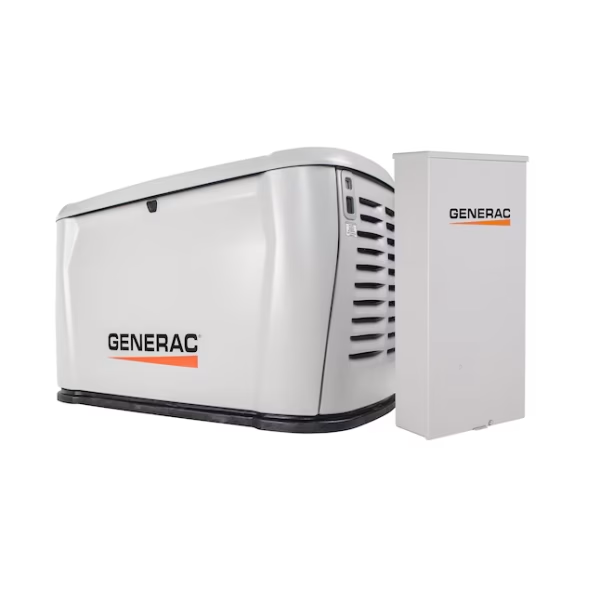
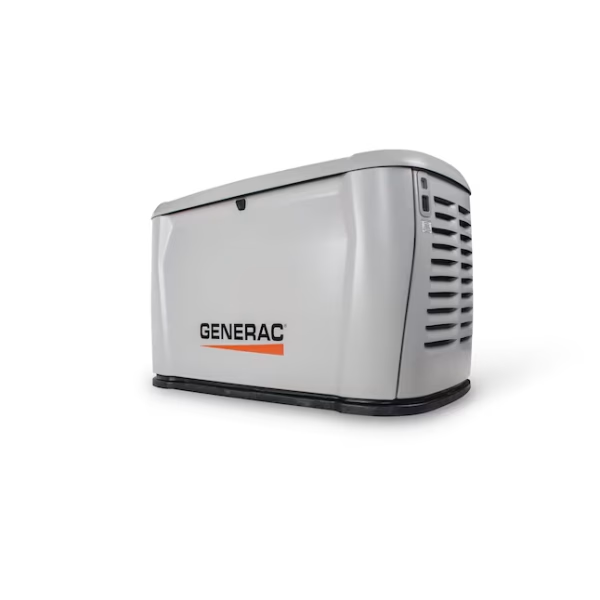
From our order desk, the slip we watch for most closely is a size change after paperwork starts. The permit and the utility load request both use one model’s spec sheet. Therefore, switching from a 22kW to a 26kW unit midway can mean refiling both. That restarts two queues at once. Settle size first with our guide on what size generator you need for your home. Then lock the exact model, including whether it ships with a transfer switch. Compare the Generac 7325 22kW with a 200A transfer switch and the generator-only Generac 7260 22kW.

Pro tip: Ask your installer to file the gas utility load request on the same day as the permit, not after the pad is poured. Parallel requests can save weeks.

With the timeline clear, your own clock depends on where you live.

Best Time to Buy a Generator by Region

The best time to buy a generator by region is the quiet stretch before your local outage season. However, that season differs across the country. Hurricane coasts face their main risk from June through November. Northern and Midwest homes face ice, snow and wind from December through March. Texas and the Southwest see summer grid strain and occasional deep freezes. Meanwhile, parts of the West face planned shutoffs during wildfire season.

These patterns matter because outage risk is packed into a few months. According to the U.S. Energy Information Administration, major events such as hurricanes caused 80% of the hours customers spent without power in 2024. (EIA, 2025) In other words, your risk sits in a few months, so your buying window should sit right before them. The table shows the best time to buy a generator for each risk.

Best time to buy a generator by season, shown as a 12-month ring with gold buying windows before hurricane and winter storm seasons
Gold segments mark the best time to buy a generator for each risk season. The inner ring marks risk months.
Region and main risk Peak outage months Order window Season add-on
Gulf and Atlantic coast, hurricanes June to November January to March Raised pad, fuel reserve
Northeast, Great Lakes, Midwest, winter storms December to March July to September Cold weather kit, battery heater
Southeast, ice storms and hurricanes December to February, June to November January to March Dual fuel planning
Texas and Southwest, heat and freezes June to August, January to February February to April Load management for AC
West, wildfire shutoffs August to November February to May Remote monitoring

In winter regions, pair the unit with a Generac 7102 cold weather kit and read our best generator for cold weather guide. Coastal buyers can start with our hurricane preparedness guide.

This year’s forecast shifts those windows for some buyers.

What This Winter’s Outlook Changes

⚠️ Updated October 2026: NOAA’s winter outlook, released October 16, 2026, favors a very strong El Niño with a wetter, stormier pattern across the South and East Coast from December through February.

This winter’s outlook moves the best time to buy a generator earlier for southern and East Coast homes. NOAA expects the stormiest odds there. The National Weather Service director said a very strong El Niño tilts the odds toward stormier weather across the South, as reported in coverage of NOAA’s 2026-2027 Winter Outlook. Meanwhile, much of the northern U.S. is favored to run warmer than average. That lowers ice storm risk but does not remove it.

Demand is already moving, too. According to Generac’s third quarter 2026 results, Residential segment sales rose about 9% to $744.1 million, driven by strong growth in home standby and portable generators. (Generac, October 28, 2026) So installer calendars in stormy markets fill before the first outage. In the Southeast, Gulf states and East Coast, now is the best time to buy a generator for a pre-winter install.

So timing clearly matters for readiness. Next, does it matter for price?

Already inside your outage season?
Our team can tell you which units and transfer switch kits ship fastest to your address. Talk to IB Lighting today.

Is a Sale the Best Time to Buy a Generator?

A sale is rarely the best time to buy a generator from Generac or Kohler, because both brands use minimum advertised price (MAP) policies. MAP keeps advertised prices the same across sellers. That is the whole point of the policy, and it protects buyers too. As a result, the number you see online seldom swings much between seasons.

What most guides get wrong: they borrow the off-season markdown idea from appliances and TVs. However, standby generators do not follow that pattern. Instead, prices tend to move one way over time. For example, a Southeastern Indiana REMC notice told members its Generac pricing would rise on January 1, 2026. So the real savings from timing come from open installer schedules and choosing the right size the first time. Your calendar, not a coupon, decides the best time to buy a generator.

Generator MAP pricing diagram showing equal advertised prices across sellers with added value from free freight, freight insurance and tax savings
Advertised prices line up under MAP. The difference shows up in what comes with the order.

Under MAP, the real comparison happens in the cart. At IB Lighting, final pricing is shown securely in cart. Orders include nationwide delivery and free freight insurance, with no sales tax in select states, calculated at checkout. Our explainer on MAP pricing on generators covers how it works. Our Generac price comparison lines up the same model numbers across major sellers.

Price is rarely the trap, though. Timing mistakes are.

Costly Timing Mistakes to Avoid

The most costly timing mistake is buying a generator after an outage starts. At that moment, every queue you depend on is full. Electricians, permit offices, gas utilities and propane providers all get flooded at once. A project that takes three weeks in spring can stretch for months after a big storm.

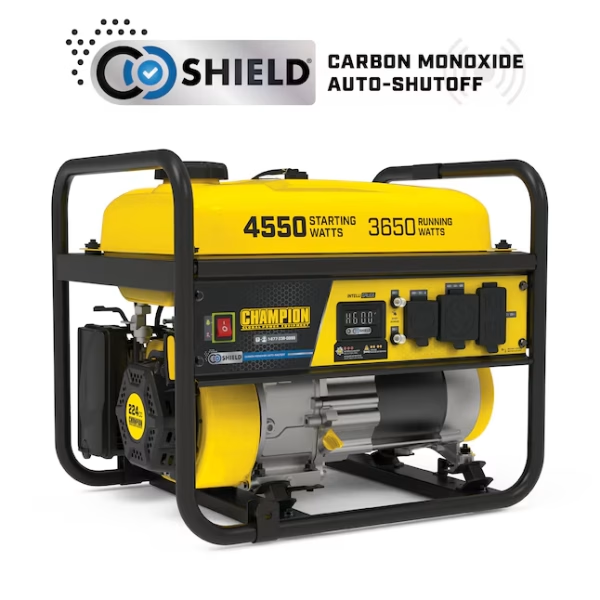
In addition, other mistakes cost time quietly. Buying a portable as a stopgap and upgrading later often means paying twice. Ordering a generator without its transfer switch adds a second wait. Skipping cold-climate parts in northern states invites failed winter starts. Finally, many buyers forget site rules. Our generator setback requirements guide covers distances from windows, doors and property lines that can force a late pad move. Each mistake eats the time that the best time to buy a generator is meant to protect.

Buying a generator during a storm illustrated by an empty hourglass, a dark home without power and a queue of homes waiting for installers
Buying after the outage starts puts you at the back of a queue every neighbor joined the same day.
🚨 Never run a portable generator in a garage, basement or near open windows while you wait for a standby install. The CPSC generator safety center warns that portable generator exhaust can kill within minutes.
  • Waiting for the storm: every installer and utility queue peaks at once.
  • Changing size mid-project: it can restart the permit and the gas request.
  • Splitting the order: a transfer switch bought later adds a second wait. Browse generator transfer switch kits to order both together.
  • Skipping service parts: order a maintenance kit with the unit. See generator accessories and kits.

Pro tip: Ask the installer for a dated order of work: permit filing, pad, fuel connection and inspection. A plan on paper exposes the slow step before it costs you a season.

Want a personal answer? The checker below estimates your own window.

Generator Timing Checker

Use this checker to find the best time to buy a generator for your home. Answer four quick questions about your season, fuel and model. It estimates your order-to-power time and compares it with the weeks you have left.

Find Your Best Time to Buy a Generator

Four questions. You get an estimated order-to-power window and a clear next step.

Question 1 of 4

Which outage season worries you most?


Question 2 of 4

How soon does that season usually start where you live?


Question 3 of 4

What fuel will the generator run on?


Question 4 of 4

How settled is your generator choice?


Estimated order to first power
Time before your season starts

Still unsure which unit fits your home and timeline?
Share your home size, fuel type and target date. Our Master Electrician-led team will match a generator and transfer switch to your plan. Get expert help choosing.

Frequently Asked Questions

What month is the best time to buy a generator?

The best time to buy a generator depends on your outage season. Hurricane-coast homes should order in January, February or March, before the season opens on June 1. Northern and Midwest homes facing winter storms should order in July, August or September. Either way, aim to have the unit installed and tested a few weeks before your riskiest months begin.

Is fall the best time to buy a generator?

Fall is the best time to buy a generator for southern ice-storm regions, and a late one for northern winter-storm regions. By October, installer calendars in cold climates fill quickly, so northern buyers should order right away. On hurricane coasts, fall is ideal for planning next year’s install, since contractors are less busy once the season winds down.

Do generator prices go down after hurricane season?

Generator prices rarely go down after hurricane season for Generac and Kohler, because both brands use minimum advertised price policies. Advertised prices stay fairly stable, and yearly increases are more common than drops. The real gain from buying after the season is open installer schedules and full stock, which cuts cost and stress more than any markdown.

How long does it take to get a standby generator installed?

Most standby generator installs take 2 to 4 weeks from order to first power in a quiet month. The on-site work often takes one to three days. Permits, the gas meter or propane setup, and inspection take the rest. After a major storm, the same project can take two months or more. See our installation timeline answer for details.

Can I buy a generator now and install it later?

Yes, you can buy a generator now and install it later. Many buyers do this to lock in a model before demand rises. Store the crate indoors or covered, keep the paperwork, and follow the manufacturer’s warranty registration rules. Starting the permit and fuel requests early still saves the most time, because those queues usually control your finish date.

Is it worth buying a generator before winter?

Buying a generator before winter is worth it if your area sees ice storms, heavy snow or long cold-weather outages. A standby unit guards against frozen pipes, failed sump pumps and lost heat. Late summer is the best time to buy a generator in the North. Add a cold weather kit so the engine starts reliably in freezing temperatures.

How do I know when to buy a generator for my area?

Start with your main outage season, then count back at least 90 days to set your order date. Add extra time if you need a gas meter upgrade or a new propane tank. The Generator Timing Checker on this page compares your estimated order-to-power time with the weeks left before your season, then gives a clear next step.

Should I talk to an expert before buying a generator?

Yes. Talking to an expert first prevents the two most expensive mistakes: buying the wrong size and ordering without a matching transfer switch. IB Lighting’s Master Electrician-led team reviews your home’s load, fuel and timeline at no cost before you order. Contact IB Lighting for a sizing and availability check.

Conclusion

The best time to buy a generator is at least 90 days before your local outage season. That means January to March on hurricane coasts and July to September in winter-storm regions. Three points matter most. First, permits and fuel set your finish date, not shipping. Second, lock the exact model and transfer switch before paperwork starts. Third, MAP pricing means waiting for a sale rarely pays, while waiting for a storm always costs time. Plan around your standby generator installation lead time, and you will be ready before the first outage.

Ready to beat this season’s queue?
If your season is close, today is the best time to buy a generator. Order from IB Lighting with nationwide delivery and free freight insurance, and see final pricing securely in cart. Shop home standby generators now.

🌟 Free Checklist: Generator Order-to-Power Planner

Get our one-page checklist to plan the best time to buy a generator, with every permit, fuel and inspection step dated.

Get it free →

This article was last reviewed and updated in October 2026 to reflect the latest generator buying, installation and pricing guidance.


Expert-Reviewed Secure Shopping Free Freight Family-Owned
RB

Written By

Rayan Boussi

Sales & Marketing Director at IB Lighting

Rayan leads product strategy, customer experience, and editorial direction at IB Lighting. Every guide and article is developed under his oversight to ensure accuracy and practical value for homeowners, contractors, and businesses across the United States.

View all articles

Leave a Reply

Your email address will not be published. Required fields are marked *