
















Concrete Pad Cost for Generator Install: Safe 2026 Guide


Concrete Pad Cost for Generator Install: Safe 2026 Guide
🕑 {{READ_TIME}} min read Updated: {{UPDATED}} Table of Contents Concrete Pad Cost for Generator Install: The Short Answer Do You Even Need a Concrete Pad? What the Manufacturer...

- Concrete pad cost for generator install runs about $150 to $400 for a pre-cast pad and $600 to $1,400 poured on site.
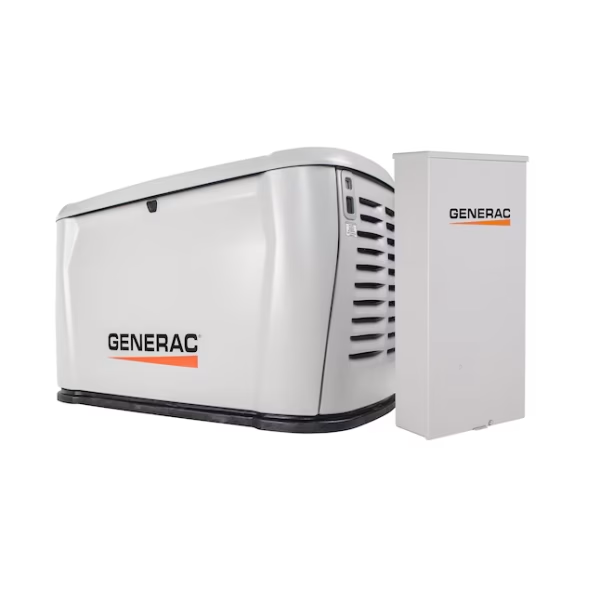
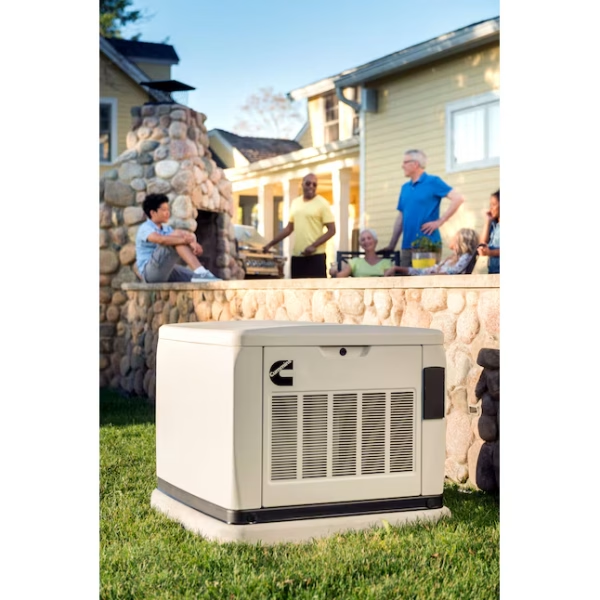
- Generac approves three surfaces for air-cooled units: compacted pea gravel or crushed stone, a composite pad, and a concrete base pad.
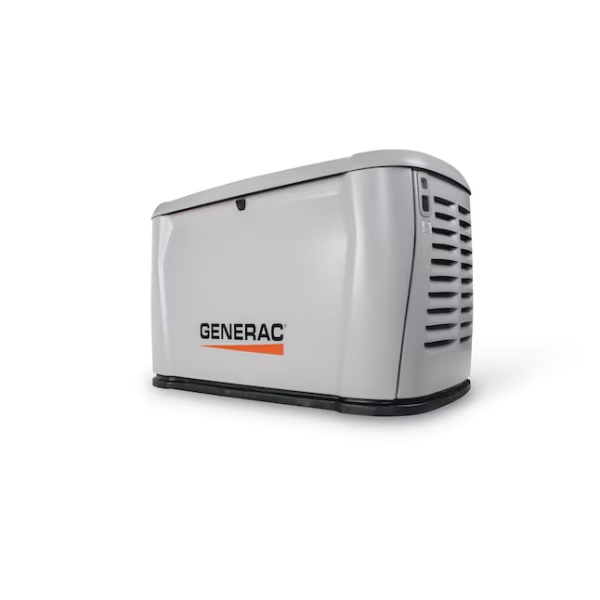
- Every air-cooled Generac ships with an integrated composite pad, so poured concrete is often a code question rather than a requirement.
- A typical generator pad is roughly 0.2 cubic yards, far below ready-mix minimums, so short-load fees dominate the material cost.
- Liquid-cooled units above 28kW are where poured, reinforced concrete stops being optional.
Concrete pad cost for generator install typically runs $150 to $400 for a pre-cast pad, or $600 to $1,400 poured on site. A compacted gravel base costs less still. For air-cooled units, the choice is usually driven by local code and ground conditions rather than by the manufacturer.
Founded in 2013 by a licensed Master Electrician, IB Lighting ships standby generators nationwide. The pad question comes up in almost every install conversation, usually because a quote lists it as a line item with no explanation. Most homeowners assume concrete is mandatory. For air-cooled units, it often is not. Below, our electrician-led team compares the real options using manufacturer guidance and published 2026 cost data.
Concrete Pad Cost for Generator Install: The Short Answer
Concrete pad cost for generator install splits into three bands. A compacted pea gravel or crushed stone base costs the least, since it is stone, labor, and compaction rather than concrete. A pre-cast pad sits in the middle, and HomeGuide prices a 3 to 4 inch pre-cast concrete pad at $150 to $400 for a generator. (HomeGuide, 2026) Poured concrete costs the most, because a small pour carries fees that a large one does not.
Site conditions move all three. Angi puts site preparation and concrete pouring at $50 to $75 per square foot for generator projects, while ConsumerAffairs cites $150 to $600 for the pad portion of a whole-house generator install. (Angi, 2026) Those ranges overlap because they describe different scopes. Therefore, read any quote for what it includes: excavation, stone, forms, concrete, and finishing are separate steps.
| Base type | Typical installed cost | Best for |
|---|---|---|
| Compacted pea gravel or crushed stone | $100 to $350 | Air-cooled units where code allows |
| Pre-cast concrete pad | $150 to $600 | Most air-cooled installs |
| Poured concrete pad | $600 to $1,400 | Code-required or difficult ground |
| Poured and reinforced, liquid-cooled | $1,000 and up | Units above 28kW |
Next, the question most quotes never answer: whether you need concrete at all.
Do You Even Need a Concrete Pad?
What most guides get wrong: almost every cost article treats a poured concrete pad as a required part of a generator installation. Generac’s own support documentation says otherwise for air-cooled units. It lists three commonly used and approved surfaces: compacted and leveled pea gravel or crushed stone, an approved composite pad, and an approved concrete base pad.
More importantly, every air-cooled home standby generator ships with an integrated composite pad already attached. Generac explains that this pad elevates the generator and helps prevent water from pooling around the base, and that it allows the generator to be placed on any of those approved surfaces. Generac then adds the sentence that decides your budget: check local codes to verify whether a base is required and, if so, what type. Read it directly on Generac’s approved surfaces article.

What the Manufacturer Actually Requires
The manufacturer’s requirements are about level ground and clearance, not about concrete. Generac’s installation guidelines state that the generator must be level within 0.5 inches all around. They also set placement at 18 inches from structures with combustible walls and 5 feet from any operable opening.
Surface preparation has a size rule too. When using pea gravel or crushed stone, Generac says to prepare a rectangular area roughly 5 inches longer and wider than the generator footprint on all sides. So a level, well-drained, properly sized base satisfies the manufacturer. Anything beyond that is either a local code requirement or a choice you are making for longevity.
For most buyers, that choice lands on a pre-cast pad.
Pre-Cast Pads: The Practical Middle
Pre-cast pads solve the same problems as poured concrete for less money. They arrive finished, so there is no forming, no cure time, and no second trip. The installer removes turf and soil, compacts a stone base, sets the pad, and levels it. Consequently, the generator can go in the same day rather than waiting several days for concrete to cure.
They also solve a nuisance that gravel does not. Grass grows through stone over time and can reach the air intake or hold debris against the enclosure. A solid pad keeps vegetation out and gives a clean edge for trimming. In addition, a pre-cast pad handles minor settling better than loose stone, since the load spreads across one slab. Delivery and placement are the main variables in the price. For most air-cooled installs, this is the best value of the three options.

Poured Concrete: What Drives the Price
Poured concrete is the premium option, and its cost is mostly overhead. The concrete itself is cheap in volume terms. Ready-mix runs roughly $125 to $180 per cubic yard delivered in 2026, and a generator pad needs about 0.2 cubic yards. The problem is that no concrete plant sells 0.2 cubic yards at that rate.
Labor carries the rest of the concrete pad cost for generator install. Excavating, forming, placing reinforcement, pouring, screeding, and finishing a small pad takes a crew several hours regardless of how little concrete is involved. Add a return trip to strip forms, and the hours stack up. None of that time shrinks just because the pad is small. Therefore, the concrete pad cost for generator install rises far above what a cubic-yard price suggests. Angi’s concrete delivery data covers the fee structure in its 2026 concrete cost guide.
Why a Small Pad Costs So Much Per Square Foot
Small pours pay penalties. According to Angi, short load fees of $40 to $60 per cubic yard apply when you order less than a truckload, which is about 10 cubic yards. (Angi, 2026) HomeGuide reports a similar structure, adding roughly $53 per cubic yard for anything under a full load. (HomeGuide, 2026) Many ready-mix plants also set a minimum charge equal to one or more yards regardless of what you use.
Run the math and the picture is clear. A 0.2 cubic yard pad might use $30 of concrete at bulk rates, then collect a minimum charge, a short-load fee, and a delivery charge on top. That is why bagged concrete competes well for pads this size, and why contractors often prefer pre-cast. In short, you are paying for a truck to show up, not for the material in the forms.
The lowest-cost approved option, though, involves no concrete at all.
Gravel and Crushed Stone Bases
A compacted stone base is the lowest-cost approved surface, and it is genuinely approved. Generac lists compacted, leveled pea gravel or crushed stone among the three acceptable surfaces for air-cooled units. Cost comes down to a few hundred pounds of stone, some fabric, and the labor to excavate, fill, and compact. Most installers can do it in an hour or two, which is why it barely registers on a quote.
Drainage is the real advantage. Stone lets water move away from the base rather than pooling under the enclosure, which matters more than slab strength for a unit this light. However, stone requires maintenance. It settles, it spreads, and vegetation eventually finds it, so plan on occasional touch-up. For that reason, buyers who want a set-and-forget base usually step up to pre-cast. The difference is maintenance, not compliance.
Planning a generator install and unsure about the base?
Tell us your model and ground conditions. Our electrician-led team will tell you what your quote should include. Talk to IB Lighting.
Pad Size, Thickness, and Anchoring
Pad size follows the generator footprint plus a margin. For stone bases, Generac specifies a rectangular area about 5 inches larger than the footprint on every side. Concrete pads follow similar logic, typically extending a few inches past the enclosure so the unit sits fully supported. Most air-cooled pads land near 5 feet by 3 feet, or about 15 square feet, at 3 to 4 inches thick.
Anchoring has rules worth knowing before the concrete truck arrives. Generac states that the integrated composite pad must not be removed when mounting to concrete, because it is pre-drilled for mounting bolts. The company recommends four 3/8 inch lag bolts where codes require securing the unit, and notes that the top of the generator carton includes a template for marking hole positions. See Generac’s concrete mounting requirements.
Pro tip: Keep the generator carton until the pad is finished. The top panel is a drilling template for the mounting holes, and installers who discard it end up measuring by hand and drilling twice.


When Poured Concrete Is Not Optional
Some installations leave no choice. Liquid-cooled generators above 28kW weigh far more than air-cooled units and produce more vibration, so manufacturers call for poured, reinforced pads that extend past the frame. That work is engineered site preparation, and it belongs in the installer’s scope rather than a weekend project. Expect the pad specification to come from the unit’s installation manual, including thickness and reinforcement.
Local code is the other decider here. Some jurisdictions require a concrete base for any permanently installed generator, and inspectors will check it before signing off. Flood-prone areas add elevation requirements that a gravel bed cannot meet. Similarly, soft or expansive soils argue for a proper slab that spreads the load across a wider footprint. So confirm requirements with your authority having jurisdiction before you compare any concrete pad cost for generator install quotes.
- Liquid-cooled units above 28kW.
- Jurisdictions that require a concrete base by code.
- Flood zones with elevation requirements.
- Soft, wet, or expansive soils.
- Installations where the unit must be anchored for wind loads.
Hidden Costs Around the Pad
The pad line item rarely covers everything that happens at that spot. Excavation and soil disposal come first, and rocky ground or tree roots add hours. Grading matters too, since the surface must be level within half an inch and must shed water away from the enclosure. Additionally, conduit and gas pipe often run under or beside the pad, which means coordinating trades before anything is poured. Getting that sequence wrong means cutting concrete later.
Timing carries a cost of its own. Poured concrete needs several days to cure before the generator sits on it, so the install splits into two visits. That can mean a second mobilization charge and a delayed inspection. By contrast, stone and pre-cast bases keep the project on one schedule. Our standby generator installation cost guide covers how those trips affect the total.

The PAD Check Before You Pay for Concrete
The PAD Check is IB Lighting’s three-point method for settling concrete pad cost for generator install before you accept a quote. It works because the question is usually decided by code and ground conditions rather than by preference. Our electrician-led team runs the same checks when buyers forward a quote with a pad line they do not understand. Each letter removes one assumption, and together they tell you whether concrete is a requirement or an upgrade you are choosing to buy.
Start with permission, since the local rule overrides every opinion. Then assess the ground, because drainage and stability decide how long any base lasts. Finally, match the base to the unit, since liquid-cooled models and air-cooled models live in different categories. When all three are answered, the estimator below turns them into a range.
- Permission: ask your building department whether a concrete base is required.
- Assess the ground: check drainage, slope, soil, and access at the location.
- Determine the unit: air-cooled units allow gravel, while liquid-cooled units need poured concrete.

With a range in hand, the savings question is easier to answer honestly.
Where to Save and Where Not To
The largest saving is choosing the right base rather than the fanciest one. If your code allows stone or a pre-cast pad, paying for a poured slab buys appearance and longevity rather than compliance. Both are legitimate reasons, but they are choices. Bundling the base into the installer’s scope usually beats hiring a separate concrete contractor, because a separate trade adds a trip charge and its own minimum billing. Scheduling the pad alongside other concrete work on the property also spreads delivery fees across a larger pour.
Some savings backfire. Skipping compaction under any base leads to settling, and a tilted generator is a warranty conversation nobody wants. Undersizing the pad leaves the enclosure overhanging its support. Likewise, ignoring drainage puts standing water against the base. So trim the concrete pad cost for generator install by choosing wisely, not by cutting preparation.
- Save by confirming code before assuming concrete is required.
- Save by bundling the base into the generator installer’s scope.
- Choose pre-cast rather than a small poured slab.
- Do not save by skipping excavation and compaction.
- Do not save by undersizing the base or ignoring drainage.
Got a quote with a pad line you cannot read?
Call (800) 674-9019 with the scope in hand. We will tell you what should be included before you sign. Contact IB Lighting
Frequently Asked Questions
How much does a concrete pad for a generator cost?
Concrete pad cost for generator install runs about $150 to $400 for a pre-cast pad, per HomeGuide, and roughly $600 to $1,400 for a small poured pad once labor and fees are included. Angi puts site preparation and concrete pouring at $50 to $75 per square foot for generator projects.
Does a Generac generator need a concrete pad?
Not necessarily. Generac lists three approved surfaces for air-cooled units: compacted and leveled pea gravel or crushed stone, an approved composite pad, and an approved concrete base pad. Every air-cooled unit ships with an integrated composite pad. Generac directs owners to check local codes to see whether a base is required.
What size pad does a standby generator need?
For pea gravel or crushed stone, Generac specifies an area about 5 inches longer and wider than the generator footprint on all sides. Most air-cooled pads end up near 5 feet by 3 feet, roughly 15 square feet, at 3 to 4 inches thick. The surface must be level within half an inch.
Can a generator sit on gravel instead of concrete?
Yes, where local code allows it. Compacted, leveled pea gravel or crushed stone is one of Generac’s approved surfaces for air-cooled home standby generators. Gravel drains well and costs the least. It does settle and spread over time, so plan on occasional maintenance to keep the unit level.
Why is a small concrete pad so expensive?
Because small pours pay fees that large ones avoid. A generator pad is about 0.2 cubic yards, while concrete plants charge short load fees of $40 to $60 per cubic yard for orders under a truckload, plus minimum charges and delivery. Forming and finishing labor is also nearly the same as for a larger slab.
Should the generator be bolted to the pad?
Only if codes require it, and then following the manufacturer’s method. Generac recommends four 3/8 inch lag bolts and says the integrated composite pad must not be removed, since it is pre-drilled for mounting bolts. The generator carton top doubles as a template for marking the hole positions.
Do liquid-cooled generators need a different pad?
Yes. Liquid-cooled units above 28kW are heavier and produce more vibration, so manufacturers call for poured, reinforced concrete that extends past the frame. That is engineered site work rather than a simple pad, and it should be specified from the unit’s installation manual before anyone quotes concrete.
What will my generator base actually cost?
It depends on unit type, base choice, ground conditions, and who builds it. Gravel on level ground sits at the low end, while poured concrete in a wet or sloped location sits at the high end. The estimator in this guide turns those four answers into a range in under a minute.
When should I hire a professional for the pad?
Whenever the pad is part of a permitted generator installation, which is nearly always. Grading, drainage, anchoring, and buried conduit all interact with the base. Having your generator installer handle it keeps one contractor responsible for the result. Contact our team for help reviewing a quote.
Conclusion
Concrete pad cost for generator install is a smaller line than most buyers expect, and often an optional one. First, Generac approves compacted gravel, a composite pad, or concrete for air-cooled units, so local code usually decides. Second, pre-cast pads run about $150 to $400 and skip cure time, which makes them the value pick. Third, poured concrete costs more because small pours carry minimum charges and short load fees rather than because of the material. Run the PAD Check, confirm the code, then choose the base that fits your ground.
Ready to plan the whole installation, not just the pad?
Shop standby generators with expert support before and after purchase. Free Freight Insurance Included. See your exclusive price in cart. Shop Home Standby Generators
🚚 Nationwide Delivery | 🛡️ Free Freight Insurance Included | 🏠 Family-Owned and Operated | 🔒 Secure Checkout. Final pricing available in cart due to manufacturer advertising policies. Pad and installation costs shown here are third-party contractor figures and exclude equipment.
This article was last reviewed and updated in {{UPDATED}} to reflect current Generac mounting guidance, 2026 concrete pricing, and concrete pad cost for generator install planning practices. Explore our Expert Advice library, the IB Lighting shop, or the IB Lighting home page. Generac is a trademark of its respective owner. IB Lighting is an independent reseller.


