





















Direct Burial Wire Depth Requirements: Complete 2026 NEC Guide


Direct Burial Wire Depth Requirements: Complete 2026 NEC Guide
🕑 14 min read Updated: June 2026 Table of Contents The Fast Answer: Direct Burial Wire Depth Requirements Why NEC Specifies Different Depths for Different Installations NEC 300.5:...

- Direct burial wire depth requirements come from NEC Table 300.5(A) which specifies minimum burial depths based on the type of installation with five different columns: direct buried cables at 24 inches, rigid metal conduit at 6 inches, PVC conduit listed for direct burial at 18 inches, GFCI-protected residential 20 amp circuits at 12 inches, and landscape lighting circuits under 30 volts at 6 inches.
- The typical residential direct burial application uses UF-B cable at 24 inches deep or PVC conduit with THWN-2 conductors at 18 inches deep, with the specific choice depending on installation length, wire size, and whether the buyer prefers cable simplicity or the additional protection of conduit routing.
- Location modifiers in NEC Table 300.5(A) change the required burial depth based on where the wire is routed: under driveways, parking areas, and roads typically require deeper burial or additional protection, while runs under building foundations may have different requirements based on the specific installation configuration.
- Direct burial installations require additional NEC considerations beyond just depth including NEC 300.5(D) protection from damage at grade points, NEC 300.5(E) splice requirements (splices must be listed for direct burial or in accessible boxes), NEC 300.5(F) backfill protection from sharp objects, and NEC 300.5(I) requirement to keep all conductors of a circuit together.
- Common residential direct burial applications include feeder circuits to detached garages and sheds, well pump circuits to remote wells, hot tub circuits from panel to installation location, EV charger circuits routed underground, and landscape lighting circuits with the specific NEC requirements varying by application voltage and amperage.
- The interactive direct burial depth calculator below determines the minimum burial depth for any installation combination based on wire type, installation location, and circuit characteristics using values from NEC Table 300.5(A), returning the applicable NEC column and minimum depth requirement.
Direct burial wire depth requirements come from NEC Table 300.5(A) which specifies minimum burial depths based on installation type: direct buried cables at 24 inches, rigid metal conduit at 6 inches, PVC conduit listed for direct burial at 18 inches, GFCI-protected residential 20 amp circuits at 12 inches, and landscape lighting under 30 volts at 6 inches. This article explains each column of NEC Table 300.5(A), provides interactive depth calculator, covers location modifiers for driveways and buildings, addresses splice and warning tape requirements, includes wire type selection guidance, and covers common residential direct burial applications from well pumps to detached garage feeders.
Across thousands of Southwire and Cerrowire orders shipped from IB Lighting nationwide, our electrician-led team helps buyers plan direct burial wire installations including selecting the right cable type and understanding the NEC depth requirements before excavation. Founded in 2013 by a licensed Master Electrician with field experience across DTE Energy and Consumers Energy projects in Michigan, IB Lighting resells the full Southwire and Cerrowire electrical wire and cable lineup including UF-B cable and THWN-2 conductors for direct burial applications.
This article explains the direct burial wire depth requirements from NEC 300.5 that we regularly reference when helping buyers plan underground electrical installations, using citations from the current National Electrical Code (NFPA 70) and industry practice from the International Association of Electrical Inspectors.
The Fast Answer: Direct Burial Wire Depth Requirements
Direct burial wire depth requirements from NEC Table 300.5(A) vary by installation type in typical residential yard locations: direct buried cables (UF-B) require 24 inches minimum, rigid metal conduit requires 6 inches minimum, PVC conduit listed for direct burial requires 18 inches minimum, GFCI-protected residential branch circuits at 120 volts or less and 20 amps or less require 12 inches minimum, and circuits for irrigation control and landscape lighting under 30 volts require 6 inches minimum. Location modifiers increase depth requirements under driveways, roads, and other traffic areas.
The most common residential scenarios
Most residential direct burial installations use either UF-B cable buried at 24 inches or individual THWN-2 conductors in PVC conduit buried at 18 inches. The UF-B approach is simpler and faster to install but the 24-inch minimum depth requires more digging. The PVC conduit approach requires more work at installation but provides physical protection and easier future circuit changes. Both meet NEC 300.5 requirements when installed correctly.
Location matters significantly
Direct burial wire depth requirements change based on where the wire routes. Under driveways and parking areas, deeper burial is typically required. Under building foundations, different requirements apply. Under 4-inch thick exterior concrete slabs with no vehicle traffic, some depth reduction may be permitted. Always verify the specific installation route against NEC Table 300.5(A) location modifiers before starting excavation.
Warning tape and marking
Beyond depth requirements, NEC 300.5(G) addresses warning tape placement above underground installations to alert future excavation workers. Marking tape helps prevent accidental damage during landscaping, plumbing work, or other future excavation near the buried electrical circuit. The specific warning tape requirements vary by NEC edition and local jurisdiction interpretation.
Why NEC Specifies Different Depths for Different Installations
The different depths in NEC Table 300.5(A) reflect the different levels of physical protection provided by various installation methods, forming the core of direct burial wire depth requirements.
Physical protection principles
The primary purpose of burial depth requirements is protection from physical damage. Direct buried cables have only their own cable jacket for protection, so deeper burial provides more protection from shovels, digging tools, and other objects that might reach the cable during future excavation. Cables in metal or plastic conduit are physically protected by the conduit walls, allowing shallower burial while maintaining adequate protection.
Rigid metal conduit protection
The 6-inch minimum depth for rigid metal conduit (RMC) reflects the substantial physical protection provided by the thick metal walls. RMC essentially cannot be damaged by hand tools or accidental impact during typical yard work. The 6-inch depth is more about keeping the conduit out of the way of surface activities than protecting it from damage.
PVC conduit protection
The 18-inch minimum depth for PVC conduit listed for direct burial reflects the moderate physical protection of PVC compared to metal. PVC provides significant protection from casual impact but can be damaged by determined digging with sharp tools. The 18-inch depth balances installation practicality with adequate protection from typical excavation activities.
GFCI protection allowing shallower burial
The 12-inch minimum for GFCI-protected residential branch circuits reflects a different protection philosophy. GFCI protection provides electrical safety even if the cable is damaged and exposed. The shallower burial is permitted because the GFCI trips instantly on ground fault, protecting people even from a damaged cable. This exception applies only to 120 volt maximum, 20 amp maximum residential branch circuits.
NEC 300.5: Underground Installations Overview
NEC 300.5 is the primary section governing all direct burial and underground wire installations, with multiple subsections addressing different aspects of underground work.
NEC 300.5 subsection overview
NEC 300.5 subsections cover the complete direct burial wire depth requirements framework: (A) Minimum Cover Requirements with Table 300.5(A), (B) Wet Locations, (C) Underground Cables under Buildings, (D) Protection from Damage, (E) Splices and Taps, (F) Backfill, (G) Raceway Seals, (H) Bushings, and (I) Conductors of the Same Circuit. Each subsection addresses a specific aspect of underground installation with detailed requirements.
Applicability to residential installations
NEC 300.5 applies to all direct burial and underground wire installations regardless of application. Residential feeder circuits to detached structures, branch circuits for outdoor equipment, well pump circuits, and any other underground electrical work must comply with NEC 300.5 requirements. The specific requirements vary based on installation type but the fundamental section applies universally.
Relationship to other NEC sections
NEC 300.5 works together with other NEC sections including NEC 340 (Type UF Underground Feeder Cable), NEC 344 (Rigid Metal Conduit), NEC 352 (PVC Conduit), and various application-specific sections. When planning direct burial installations, verify compliance with both NEC 300.5 and the applicable cable or conduit article for the specific installation method chosen.
Local code amendments
Some jurisdictions amend NEC 300.5 requirements or add additional requirements for local conditions such as freeze depth, high water table, or specific soil conditions. Verify local code amendments before starting direct burial work. Many jurisdictions increase burial depths beyond NEC minimums for reliability against freeze damage or accidental excavation.
NEC Table 300.5(A): The Five Column Reference
NEC Table 300.5(A) provides minimum cover requirements organized as a matrix with five columns for different installation types and multiple rows for different location conditions.
Column structure
The five columns of NEC Table 300.5(A) organize direct burial wire depth requirements by installation types from least protected to most protected: Column 1 for direct buried cables with only cable jacket protection, Column 2 for rigid metal conduit and intermediate metal conduit with maximum physical protection, Column 3 for nonmetallic raceways listed for direct burial with intermediate protection, Column 4 for residential circuits with GFCI protection allowing shallower burial with electrical safety compensation, and Column 5 for very low voltage landscape lighting circuits.
Row structure
The rows of NEC Table 300.5(A) organize location conditions: locations not otherwise specified (typical yard), in trench below 2-inch concrete or equivalent, under building, under minimum 4-inch thick concrete exterior slab, under streets highways roads alleys driveways and parking lots, one and two-family dwelling driveways and parking areas, and in or under airport runways. Each location modifier affects the required minimum depth for each column.
Reading the table
To determine minimum burial depth, identify the installation type (column) and the location (row), then find the intersection cell for the required minimum inches of cover. For example, PVC conduit listed for direct burial (Column 3) in a typical yard (row 1) requires 18 inches minimum cover. The same PVC conduit under a driveway (row 5 or 6) may require deeper burial.
Cover measurement
Minimum cover is measured from the finished grade or bottom of the concrete slab to the top of the conductor, cable, or raceway. This is the vertical distance from where a shovel or excavation tool would first contact the ground to where it would first contact the buried electrical installation. The measurement does not include any warning tape or additional protective materials placed above the electrical installation.
Column 1: Direct Buried Cables (24 Inch Minimum)
Column 1 of NEC Table 300.5(A) covers direct buried cables and conductors installed without protective raceway.
What Column 1 covers
Column 1 applies to cables specifically listed and identified for direct burial including UF-B (Underground Feeder) cable, USE (Underground Service Entrance) cable, and Type MC cable listed for direct burial. It also applies to individual conductors that are approved for direct burial. These installations have only the cable jacket or conductor insulation for protection from physical damage.
The 24 inch typical requirement
For typical residential yard locations (row 1 of Table 300.5(A)), direct buried cables require minimum 24 inches of cover. This is the deepest of the standard installation types because direct buried cables have the least physical protection. The 24-inch depth places the cable well below typical yard work activities including shovel work for planting, aerating, and general landscaping.
UF-B cable applications
UF-B cable is the most common direct burial cable for residential applications. Available in sizes from 14/2 through 6/3 with ground and larger, UF-B handles typical residential circuits including outdoor lighting, garage subpanel feeders, hot tub circuits, well pump circuits, and outbuilding circuits. UF-B is manufactured for direct burial without conduit protection.
Backfill considerations
NEC 300.5(F) requires backfill for direct buried cables to be free of sharp objects that could damage the cable during backfilling or from settling. Backfill should be soil, sand, or specifically approved fill material. Rocks larger than approximately 2 inches should be excluded from the first 6 inches of backfill above the cable. This prevents damage during backfill and long-term protection against sharp objects.
Column 2: Rigid Metal Conduit (6 Inch Minimum)
Column 2 of NEC Table 300.5(A) covers rigid metal conduit (RMC) and intermediate metal conduit (IMC) installations providing maximum physical protection.
What Column 2 covers
Column 2 applies to Rigid Metal Conduit (RMC) per NEC 344 and Intermediate Metal Conduit (IMC) per NEC 342 installed underground. Both RMC and IMC provide substantial physical protection from impact, corrosion, and mechanical damage. The metal walls essentially cannot be damaged by typical yard work tools.
The 6 inch typical requirement
For typical residential yard locations, RMC and IMC require minimum 6 inches of cover. This is the shallowest of the standard installation types because the metal conduit provides such extensive protection that additional depth adds little practical benefit. The 6-inch depth is more about keeping the conduit below surface activities than adding protection.
Common RMC applications
RMC and IMC are more common in commercial installations than residential due to higher cost and more complex installation. In residential applications, RMC or IMC may be used for service entrance conductors between meter socket and main panel where the run is short, for circuits requiring maximum physical protection, or in installations where corrosion resistance is important. Standard residential branch circuits typically use PVC or direct buried cable rather than metal conduit.
Corrosion protection considerations
Buried metal conduit is subject to corrosion from soil conditions. NEC requires appropriate corrosion protection for metal conduits in corrosive soils. This may include coated conduit, sacrificial anodes, or wrapping with protective tape. In neutral soils typical of most residential areas, standard galvanized RMC provides adequate corrosion resistance for decades of buried service.
Column 3: PVC Conduit for Direct Burial (18 Inch Minimum)
Column 3 of NEC Table 300.5(A) covers PVC conduit and other nonmetallic raceways listed for direct burial, which is the most common protected installation approach for residential work.
What Column 3 covers
Column 3 applies to nonmetallic raceways specifically listed for direct burial including PVC Schedule 40 and Schedule 80 conduit per NEC 352, and other approved nonmetallic conduits. These raceways provide moderate physical protection through their plastic walls while being less expensive and easier to install than metal alternatives.
The 18 inch typical requirement
For typical residential yard locations, PVC conduit listed for direct burial requires minimum 18 inches of cover. This intermediate depth reflects the moderate protection provided by PVC walls compared to metal conduit or unprotected direct burial cable. The 18-inch depth is easier to achieve than the 24-inch minimum for direct buried cable while still providing adequate protection.
PVC advantages for residential installations
PVC conduit is popular for residential direct burial installations because it costs less than metal alternatives, is easy to cut and assemble with solvent cement joints, is non-corrosive in all soil conditions, and provides good physical protection at the 18-inch minimum depth. Combined with individual THWN-2 conductors, PVC installations provide excellent long-term reliability and easy future circuit modifications.
Schedule 40 vs Schedule 80
PVC Schedule 40 is the most common direct burial PVC for residential applications. Schedule 80 has thicker walls providing more physical protection, used for installations with higher risk of damage or in areas subject to vehicle traffic. Both Schedule 40 and Schedule 80 PVC listed for direct burial fall under Column 3 requirements. The choice depends on installation environment and specific protection needs.
Column 4: GFCI Residential Circuits (12 Inch Minimum)
Column 4 of NEC Table 300.5(A) provides a shallower burial exception for residential branch circuits protected by GFCI devices.
What Column 4 covers
Column 4 applies to residential branch circuits meeting three specific criteria: rated 120 volts or less, protected by ground-fault circuit-interrupter (GFCI) for personnel protection, and rated 20 amperes or less. All three criteria must be met to qualify for the Column 4 shallower burial allowance. Circuits exceeding any of these limits fall under other columns with deeper burial requirements.
The 12 inch typical requirement
For typical residential yard locations, qualifying Column 4 circuits require minimum 12 inches of cover. This shallower depth is permitted because the GFCI protection provides electrical safety even if the cable is damaged and exposed. The GFCI trips instantly on ground fault, protecting people from electrical shock even from a damaged conductor.
Common Column 4 applications
Common Column 4 applications include outdoor GFCI-protected receptacles routed underground, low-voltage garden pump circuits with GFCI, some outdoor lighting circuits when qualifying as 120V max and 20A max, and specific yard equipment circuits. Verify the specific circuit meets all three Column 4 criteria (voltage, GFCI, amperage) before using the shallower burial depth.
What does not qualify for Column 4
Circuits that do not qualify for Column 4 include 240 volt circuits regardless of GFCI protection (voltage exceeds 120V), circuits over 20 amps regardless of GFCI protection (exceeds amperage limit), and circuits without GFCI protection at 120V or less. Subpanel feeders, EV chargers, hot tubs, and similar higher-capacity installations use Column 1, 2, or 3 depending on the installation method.
Column 5: Landscape Lighting Circuits (6 Inch Minimum)
Column 5 of NEC Table 300.5(A) provides the shallowest burial requirement for very low voltage circuits used for landscape lighting and irrigation control.
What Column 5 covers
Column 5 applies to circuits for control of irrigation and landscape lighting operating at less than 30 volts and installed with Type UF or similar cable. These very low voltage circuits present minimal electrical hazard even if damaged, allowing the shallowest of all burial requirements.
The 6 inch typical requirement
For typical residential yard locations, Column 5 landscape lighting circuits require minimum 6 inches of cover. This shallow depth reflects the low voltage safety characteristics of these circuits combined with the practical installation requirements of landscape lighting systems that often need to be installed with minimal disruption to existing landscaping.
Common landscape lighting applications
Common Column 5 applications include 12 volt or 24 volt landscape lighting systems using low voltage transformer output, irrigation control circuits for automatic valve operation, low voltage water feature controls, and similar low voltage outdoor circuits. These systems typically use specific low voltage cable rated for direct burial in the shallow trench.
Transformer location considerations
The low voltage circuits qualifying for Column 5 depth start at the output of the step-down transformer. The primary side circuits from the electrical panel to the transformer are typically 120 volt circuits that must meet Column 1, 2, 3, or 4 requirements based on the installation method. Only the secondary side low voltage circuits qualify for the 6-inch Column 5 depth.
Location Modifiers: Driveways, Buildings, and Roads
NEC Table 300.5(A) location modifier rows change the direct burial wire depth requirements based on where the wire routes through the installation.
Under residential driveways and parking
For one and two-family dwelling driveways and parking areas, NEC Table 300.5(A) typically requires minimum 18 inches for all installation methods regardless of the base column requirement. This deeper burial reflects the vehicle loading and typical excavation activities associated with driveway maintenance. Verify the specific row values in the current NEC edition applicable to your jurisdiction.
Under streets, roads, and commercial parking
For circuits routed under streets, highways, roads, alleys, and commercial parking areas, NEC Table 300.5(A) typically requires the deepest burial (typically 24 inches or more) for all installation methods. Heavy vehicle traffic and public road maintenance require maximum protection for underground installations.
Under buildings
Underground cables and conductors under buildings are covered by NEC 300.5(C) rather than the standard NEC Table 300.5(A) depth requirements. Under-building installations typically require raceway protection (conduit) rather than direct burial. Coordinate with the building foundation and any planned future excavation when routing underground circuits near or under buildings.
Under concrete slabs
For installations under 4-inch minimum thickness concrete exterior slabs with no vehicle traffic, some depth reduction may be permitted per the location modifier. The concrete slab provides significant physical protection that partially replaces the buried depth protection. Verify the specific slab thickness meets NEC minimum requirements for the depth reduction to apply.
Warning Tape and Marking Requirements
Beyond burial depth requirements, warning tape and marking help prevent future accidental damage to underground installations.
Warning tape placement
Warning tape is typically placed approximately 12 inches above the buried electrical installation to alert future excavation workers before they reach the actual electrical wire. The tape is buried during backfill so it becomes visible only when someone excavates from above. This provides critical warning to landscapers, plumbers, and other trades who might excavate near the electrical installation.
Warning tape specifications
Standard electrical warning tape is bright colored (typically red or orange) with printed warnings about buried electrical installations. Various tape widths and materials are available. Some jurisdictions specify particular tape colors or markings. Verify local requirements before purchasing warning tape for your installation.
Marking above-ground portions
Where buried wire emerges from the ground and connects to above-ground equipment, the above-ground portion should be marked or otherwise identified. This helps prevent damage during landscaping around the equipment and helps future excavation workers identify the routing direction of the underground portion.
Utility marking (call before you dig)
Before any excavation work, call the local utility marking service (typically 811 in the US) to have utility companies mark their underground installations. This prevents damage to gas lines, water lines, communication cables, and other utility installations that might not be at the same depth or location as your planned trench.
Splices and Terminations in Underground Installations
NEC 300.5(E) addresses splice and termination requirements for underground installations that differ from typical above-ground installations.
Splice requirements
Splices in underground direct burial installations must be either specifically listed for direct burial or contained within an accessible junction box. Direct burial listed splices use specialized connectors and sealing materials designed to withstand moisture, chemicals, and physical stress of underground service. Standard wire nuts and electrical tape are not acceptable for direct buried splices.
Junction box alternatives
If direct burial listed splices are not used, the splice must be in an accessible junction box. This means the box must be at grade with a removable cover, or above grade, allowing future access for inspection or repair. Junction boxes buried and covered are not accessible and do not meet NEC 300.5(E) requirements even if they contain proper splices.
Terminations at grade
Where underground wire terminates at above-ground equipment (like outdoor receptacles, disconnect boxes, or panels), the transition from underground to above-ground requires additional protection. NEC 300.5(D) requires protection from damage at grade, typically achieved with a conduit sleeve extending from below-ground into the equipment enclosure.
Splice location planning
Plan splice locations during installation design to minimize splices in underground portions. Single continuous cable runs from source to destination eliminate the need for underground splices entirely. This is preferable to splicing during long installations, both for reliability and to simplify NEC compliance.
Wire Type Selection for Direct Burial Installations
Wire type selection for direct burial installations affects both the applicable direct burial wire depth requirements column and long-term installation performance.
UF-B cable (Underground Feeder)
UF-B cable is the most common direct burial wire type for residential applications. UF-B is manufactured specifically for direct burial without conduit protection. Available in sizes from 14/2 through 6/3 with ground and larger, UF-B handles typical residential outdoor circuits including well pumps, garage subpanel feeders, hot tub circuits, and outdoor lighting. UF-B installations use Column 1 (24 inch minimum) depth requirements.
Individual THWN-2 conductors in PVC conduit
Individual THWN-2 conductors in PVC conduit provide the most versatile direct burial approach. This installation method allows any wire size, provides physical protection from damage, and permits future circuit modifications without new excavation. THWN-2 in PVC installations use Column 3 (18 inch minimum) depth requirements.
USE (Underground Service Entrance) cable
USE cable is primarily used for service entrance installations from meter socket to service disconnect but can be used for other direct burial applications. USE has weather-resistant insulation and is specifically listed for direct burial without conduit. USE typically appears in service applications rather than typical residential branch or feeder circuits.
Specialty submersible pump cable
Well pump installations may use specialized submersible pump cable that combines multiple conductors in a cable specifically designed for well applications. This cable is not the same as UF-B and has specific NEC requirements for well installations. See our well pump wire sizing article for well-specific installation guidance.
Common Residential Direct Burial Applications
Direct burial wire installations are common for various residential applications where circuits must route outdoors from the main panel to remote equipment. Each application has specific direct burial wire depth requirements based on the installation method and location.
Detached garage or shed feeders
Feeder circuits from the main panel to detached garage or shed subpanels commonly route via direct burial. For typical 60 amp subpanels, UF-B 6/3 with ground buried at 24 inches meets requirements. For 100 amp subpanels, larger UF-B or individual conductors in PVC conduit are common. See our 100 amp garage subpanel wire sizing article for feeder wire sizing.
Well pump circuits
Well pump circuits typically route from the well pressure switch or main panel to the well head via direct burial. The specific cable and depth requirements depend on the well pump size and installation configuration. See our well pump wire sizing article for complete well pump circuit guidance including direct burial considerations.
Hot tub circuits
Hot tub installations require a dedicated 50 amp GFCI protected circuit typically routing from the main panel to the hot tub installation location via direct burial. See our hot tub 50 amp wire sizing article for complete hot tub circuit requirements including the GFCI protection, disconnect placement, and bonding requirements specific to hot tub installations.
EV charger circuits routed underground
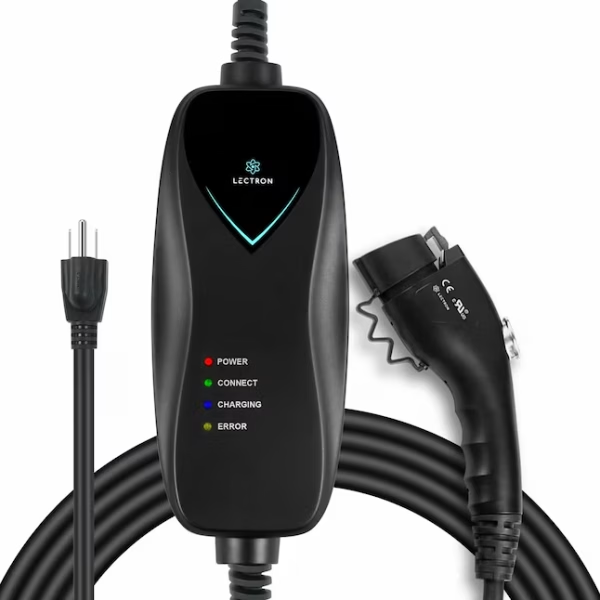
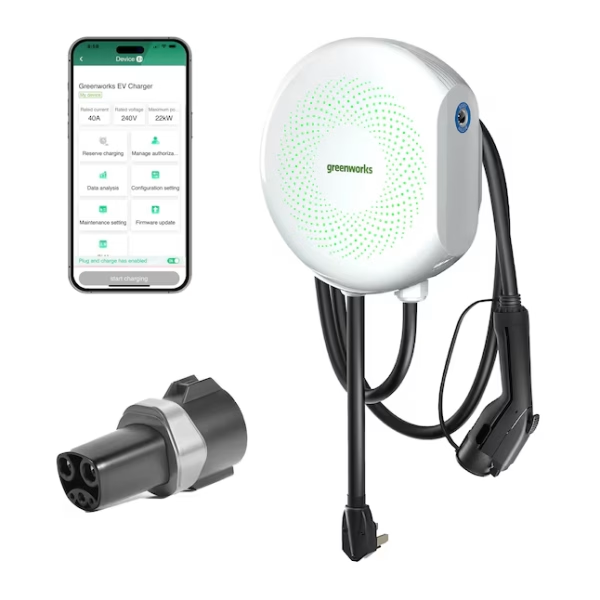
EV charger installations sometimes require underground routing when the charger location is distant from the panel. For 48 amp Level 2 EV chargers, use 6 AWG THWN-2 in PVC conduit buried at 18 inches minimum. See our Level 2 EV charger 48 amp wire sizing article for complete EV charger installation requirements.
Product Selection for Direct Burial Wire Installations
Understanding direct burial wire depth requirements helps buyers select the right wire and conduit products for their specific installation. The applicable NEC column determines both the minimum depth and the appropriate product selection.
Southwire UF-B cable selection
Southwire manufactures UF-B cable in all common sizes for direct burial applications. Common configurations include 14/2, 12/2, 10/2, 8/2, 6/2, 8/3, 6/3, and 4/3 with ground. Southwire UF-B is listed for direct burial and appropriate for Column 1 installations at 24 inch minimum depth. Standard reel lengths include 100 ft, 250 ft, and 500 ft.
Cerrowire UF-B alternatives
Cerrowire manufactures comparable UF-B cable in the same size configurations as Southwire. Both brands are electrically equivalent and meet the same UL standards for direct burial applications. Selection depends primarily on regional availability and pricing. Both brands are widely accepted by electrical inspectors nationwide.
Individual THWN-2 for PVC conduit installations
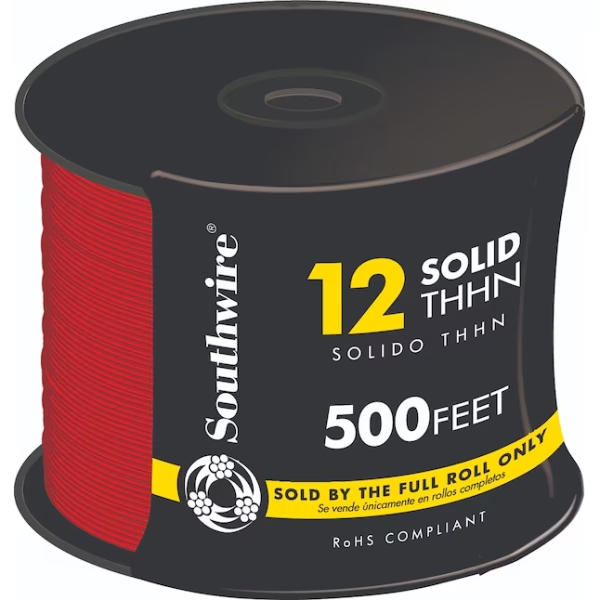
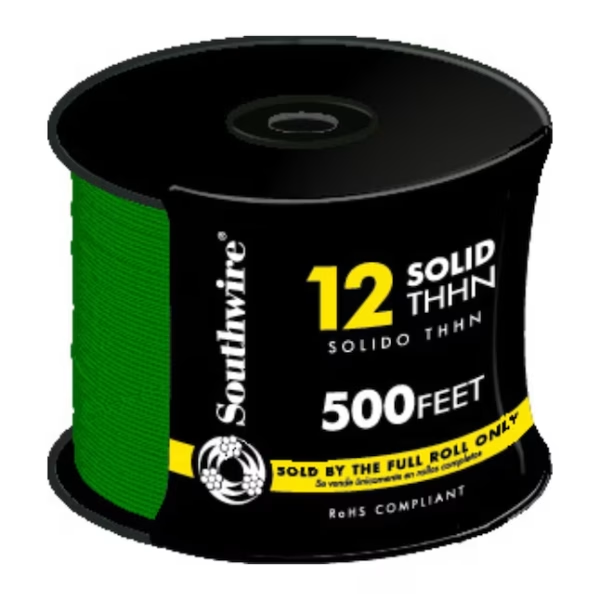
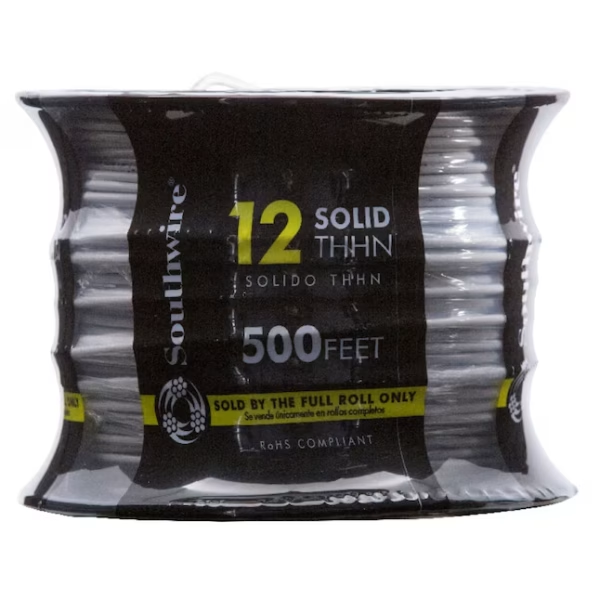
For direct burial installations using PVC conduit, individual Southwire or Cerrowire THWN-2 conductors provide the flexibility to install any wire size for any circuit requirement. Standard color coding includes black (hot), red (second hot), white (neutral), and green (grounding). THWN-2 is rated for wet locations including inside conduit that may see moisture.
PVC conduit and fittings
Schedule 40 PVC conduit in trade sizes from 1/2 inch through 2 inch handles most residential direct burial installations. Standard PVC fittings including couplings, elbows, and adapters complete the installation. All PVC used for direct burial should be listed for direct burial per Column 3 requirements. Verify manufacturer listing before purchase.
5 Common Mistakes with Direct Burial Wire Depth Requirements
The mistakes below cause the most frequent direct burial installation problems and inspection failures.

Mistake 1: Insufficient burial depth for the installation method
The most common mistake is not achieving the minimum NEC Table 300.5(A) depth for the specific installation method. Direct buried UF-B cable requires 24 inches, but installations often measure only 18-20 inches by the time the trench is dug and cable installed. Verify actual depth by measuring from finished grade to top of cable after backfilling, not from top of open trench.
Mistake 2: Using NM-B (Romex) for direct burial
NM-B (Romex) is not rated for direct burial and cannot be used for underground installations per NEC 334.12. Some installers confuse NM-B with UF-B because both are cable products, but they have completely different specifications. Only UF-B, USE, or other cable specifically listed for direct burial can be used without conduit protection.
Mistake 3: Ignoring backfill requirements per NEC 300.5(F)
NEC 300.5(F) requires backfill to be free of sharp objects that could damage the cable. Some installations use excavated soil directly as backfill without removing rocks or sharp debris. Sharp objects can damage cable jackets during backfilling or from soil settling over time, causing premature cable failure. Screen backfill for the first 6 inches above the cable.
Mistake 4: Splicing directly buried without proper connectors
Splices in direct buried cables must use connectors specifically listed for direct burial per NEC 300.5(E). Standard wire nuts and electrical tape are not acceptable for underground splices. If direct burial listed splices are not used, the splice must be in an accessible junction box. Buried junction boxes with covers are typically not considered accessible.
Mistake 5: Missing warning tape above buried installations
Warning tape placement approximately 12 inches above the buried electrical installation is required in many installations per NEC 300.5(G) or local jurisdiction requirements. Missing warning tape leaves the buried installation vulnerable to accidental damage during future landscaping or excavation work. Install warning tape during backfill for reliable long-term protection.
Ready to order UF-B cable or THWN-2 conductors for your direct burial installation?
IB Lighting resells the full Southwire and Cerrowire electrical wire and cable lineup including UF-B cable in all common sizes and THWN-2 individual conductors for PVC conduit installations. Call (800) 674-9019 or browse electrical wire and cable products.
Frequently Asked Questions
What are the direct burial wire depth requirements?
Direct burial wire depth requirements from NEC Table 300.5(A) vary by installation type: direct buried cables (UF-B) require 24 inches, rigid metal conduit requires 6 inches, PVC conduit listed for direct burial requires 18 inches, GFCI-protected residential 120V and 20A circuits require 12 inches, and landscape lighting under 30V requires 6 inches for typical yard locations.
Can I bury Romex (NM-B) cable underground?
No. NM-B (Romex) is not rated for direct burial and cannot be used for underground installations per NEC 334.12. NM-B is only for indoor dry location installations. For direct burial applications, use UF-B (Underground Feeder) cable which is specifically listed for direct burial, or individual THWN-2 conductors in PVC conduit listed for direct burial.
What is the difference between UF-B and NM-B cable?
UF-B (Underground Feeder) cable is manufactured for direct burial without conduit protection with sunlight-resistant and moisture-resistant construction. NM-B (Non-Metallic Sheathed) cable is manufactured for indoor dry locations only and cannot be used outdoors or underground. UF-B and NM-B are different products despite similar appearance and cannot be substituted for each other.
How deep should PVC conduit for direct burial be?
PVC conduit listed for direct burial requires minimum 18 inches of cover per NEC Table 300.5(A) Column 3 for typical residential yard locations. Under driveways, minimum increases to 18 inches with location modifier. Under streets or heavy traffic areas, minimum increases to 24 inches. The PVC must be specifically listed for direct burial to qualify for Column 3 requirements.
Do I need warning tape above buried electrical wire?
Many jurisdictions require warning tape placement approximately 12 inches above buried electrical installations to alert future excavation workers. NEC 300.5(G) addresses raceway seals and marking. Verify specific local requirements for your jurisdiction. Warning tape is inexpensive and easy to install during backfill, providing important long-term protection against accidental damage.
Can I splice UF-B cable underground?
Only with connectors specifically listed for direct burial per NEC 300.5(E), or by placing the splice in an accessible junction box (typically above grade). Standard wire nuts and electrical tape are not acceptable for underground splices. Direct burial listed splice kits use specialized connectors and sealing materials designed for moisture, chemicals, and physical stress of underground service.
How deep should I bury wire under my driveway?
NEC Table 300.5(A) typically requires 18 inches minimum for one and two-family residential driveways for most installation methods. Under commercial parking or streets, minimum depth increases to 24 inches or more. Verify the specific row values in the current NEC edition applicable to your jurisdiction. Deeper burial provides additional protection from vehicle loading and future driveway maintenance.
Where can I buy UF-B cable for direct burial installations?
Southwire and Cerrowire UF-B cable in all common sizes for direct burial applications is available through resellers nationwide including IB Lighting. Standard configurations include 14/2, 12/2, 10/2, 8/2, 6/2, 8/3, 6/3, and 4/3 with ground. Contact IB Lighting at (800) 674-9019 or through the electrical wire and cable collection.
Conclusion
Direct burial wire depth requirements from NEC Table 300.5(A) specify five different minimum depths based on installation type: 24 inches for direct buried cables (UF-B), 6 inches for rigid metal conduit, 18 inches for PVC conduit listed for direct burial, 12 inches for GFCI-protected residential 120V and 20A circuits, and 6 inches for landscape lighting circuits under 30 volts. Location modifiers increase depth requirements under driveways, streets, and other traffic areas per the location rows of NEC Table 300.5(A).
Successful direct burial installations require more than just meeting the depth requirements. NEC 300.5 subsections address protection from damage at grade (300.5(D)), splice requirements (300.5(E)), backfill protection from sharp objects (300.5(F)), and keeping all conductors of a circuit together (300.5(I)). Wire type selection between UF-B cable for direct burial simplicity and individual THWN-2 conductors in PVC conduit for protected routing depends on installation length, wire size, and future modification flexibility. Use the interactive direct burial depth calculator above to verify specific installation combinations meet NEC requirements before excavation.
Ready to order Southwire or Cerrowire UF-B cable or THWN-2 conductors for your NEC-compliant direct burial installation?
IB Lighting resells the full electrical wire and cable lineup nationwide with free freight insurance included. Call (800) 674-9019 or browse electrical wire and cable products.
This article was last reviewed and updated in June 2026 to reflect current National Electrical Code requirements for direct burial installations including NEC 300.5 and NEC Table 300.5(A). Specific minimum depth values should be verified against the current code cycle applicable in your jurisdiction, and local jurisdictions may amend NEC requirements with additional depth or protection requirements. For complex installations or when in doubt about compliance, consult a licensed electrician or your local electrical inspector. Always call 811 (or local equivalent) before any excavation work to have existing utilities marked.