



















Preventing Basement Flooding with a Standby Generator
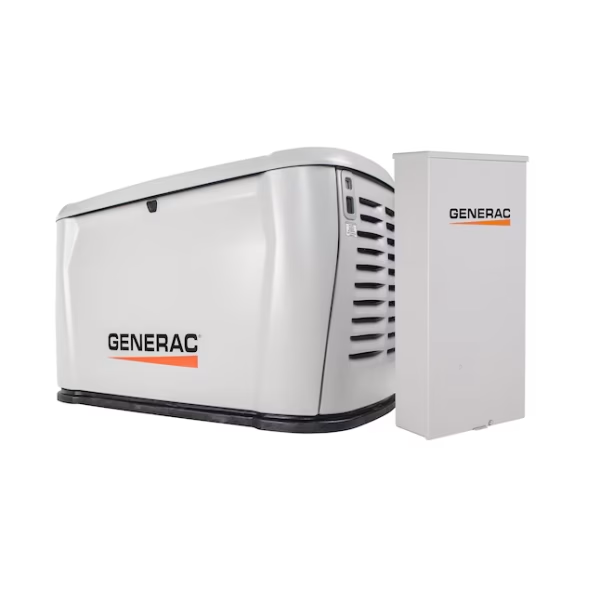
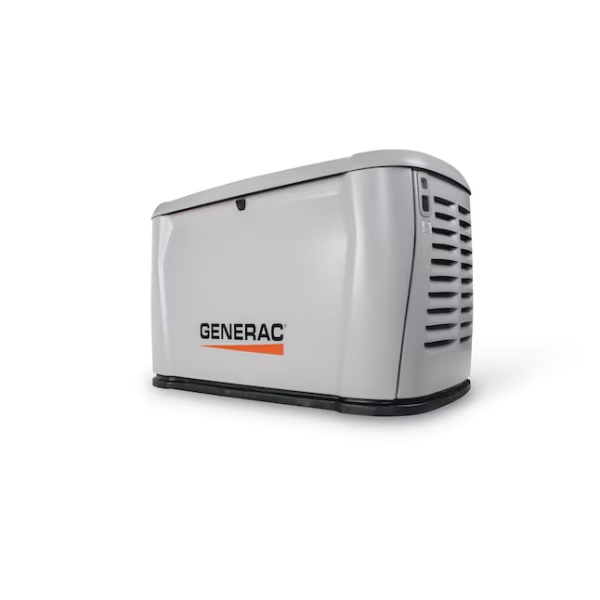
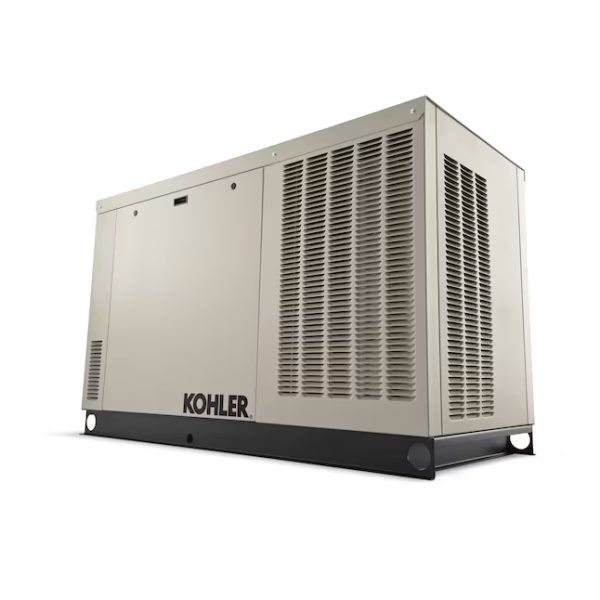
The cruelest irony of basement flooding during power outages is that the storm causing the outage is simultaneously driving the groundwater that the sump pump is supposed to remove. Every hour the sump pump sits without power during a heavy rain event is an hour of rising water in your basement. A Generac standby generator eliminates this vulnerability by restoring power to the sump pump automatically within seconds of an outage, keeping the pump running continuously through the entire storm event.
Why Storms Create a Perfect Storm for Basement Flooding
Heavy rain saturates soil and raises the water table surrounding a home foundation. Hydrostatic pressure pushes water through foundation cracks, window wells, and any pathway into the basement. A properly functioning sump pump removes this water as fast as it enters, keeping the basement dry. During normal conditions, the sump pump cycles on briefly every few minutes or hours depending on the groundwater level. During a major storm, the pump may run nearly continuously as groundwater rises rapidly.
The moment an outage occurs during a storm, the sump pump stops. Groundwater continues rising. Without power to the pump, water accumulates in the sump pit and eventually overflows into the basement. Depending on the storm intensity and the rate of groundwater intrusion, basement flooding can begin within 30 minutes to a few hours of a sump pump losing power during peak storm conditions. The resulting water damage (drywall, flooring, furniture, electrical systems, HVAC equipment, stored belongings) costs homeowners an average of $3,000 to $15,000 per flood event, and in severe cases significantly more.
How a Generac Generator Protects the Basement
A Generac standby generator detects the utility outage within seconds and completes the transfer to generator power within 10 to 30 seconds. The sump pump, which is on a circuit included in the generator coverage, resumes operation almost immediately. From that point forward, the sump pump operates exactly as it would on utility power: cycling on when the sump pit reaches the trigger level, removing water, and cycling off. The generator runs continuously through the outage, providing uninterrupted sump pump operation for as long as the storm lasts.
On natural gas, the generator can run indefinitely because fuel flows continuously from the utility gas line. On propane, runtime is determined by tank size. A 500-gallon propane tank running a 22kW generator at typical residential load provides 5 to 7 days of continuous operation, far exceeding the duration of any realistic storm outage.
Sizing the Generator for Sump Pump Coverage
A standard 1/2 HP sump pump draws approximately 1,000 watts running with a starting surge of 2,000 to 2,500 watts. Even a 10kW generator handles this load easily alongside other essential household loads. For whole-house coverage that includes the sump pump alongside the HVAC system, lighting, refrigerator, and other circuits, a 22kW Generac provides comfortable capacity for the simultaneous motor starting loads that occur during a storm event (sump pump, AC compressor, and well pump may all start within seconds of each other when power restores).
Generator vs Battery Sump Pump Backup
Battery backup sump pump systems are an alternative to generator power for sump pump protection. A battery backup system installs alongside the primary pump and runs on a 12-volt or 24-volt battery when utility power fails. Battery backups have meaningful limitations: they provide 4 to 8 hours of pumping capacity under typical conditions, less during heavy inflow, and must be recharged after each use. A multi-day outage during a sustained storm event will exhaust a battery backup system long before the storm ends. A standby generator provides unlimited runtime from the gas supply with no capacity limitations, making it the more robust solution for homes in flood-prone areas or regions with extended storm outage risk.
The Financial Case
A single basement flood event costs $3,000 to $15,000 in water damage remediation, contents replacement, and potential mold remediation. A Generac 22kW generator system installed for $9,000 to $14,000 total prevents that damage through every future outage for 20 to 25 years. If the generator prevents even one significant basement flood over its lifetime, the economic case is compelling. When combined with the year-round comfort of uninterrupted home operation during any outage, the total value proposition is among the strongest of any home investment.
IB Lighting carries the full Generac home standby generator lineup from 10kW to 28kW. Call (800) 674-9019 before the next storm season to order and schedule installation. Free freight and insurance on every order.