


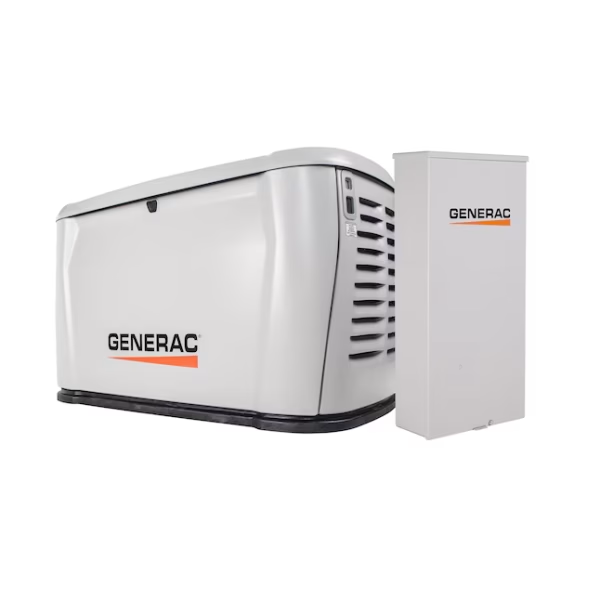
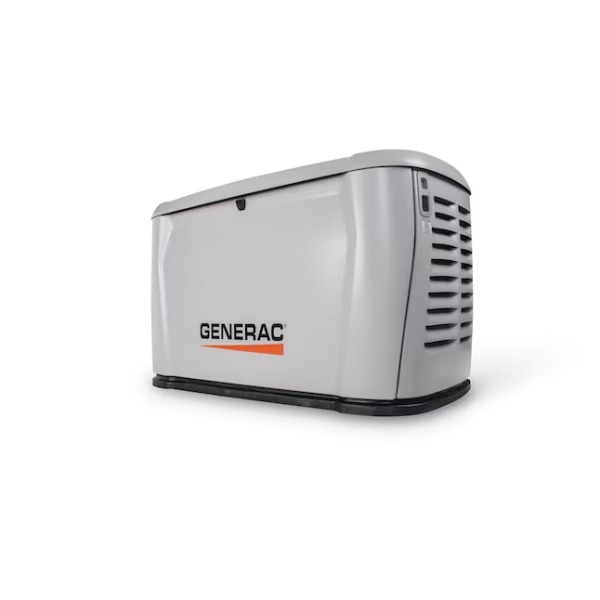


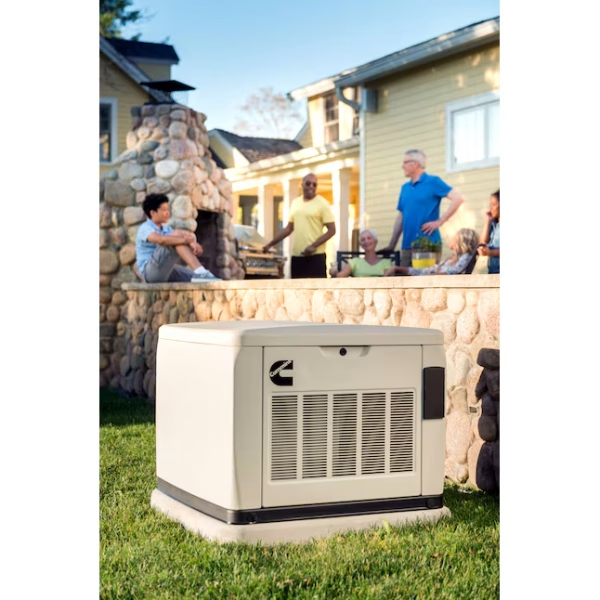











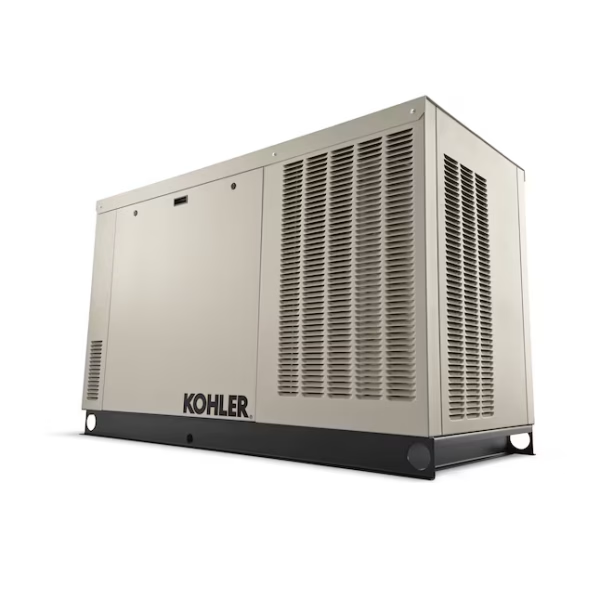



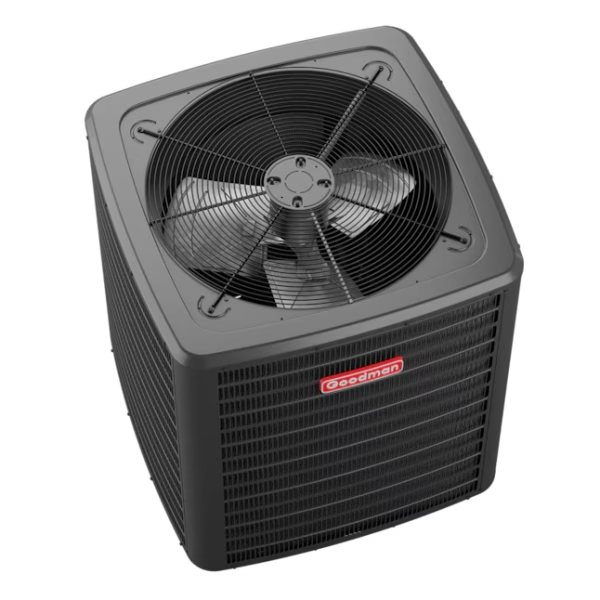
An air-cooled Generac unit can sit as close as 18 inches from the wall of the house, but must stay 5 feet from any operable window, door, soffit vent, or window well. Those are two different numbers doing two different jobs, and confusing them is the most common reason a planned location fails inspection.
The 18 inch figure is a fire clearance. The 5 foot figure is a carbon monoxide clearance. Generac generator clearance rules are stricter on openings than on walls for exactly that reason.
The four Generac generator clearance numbers to know
| Measured from | Typical requirement | What it protects against |
|---|---|---|
| Rear of the unit to the wall of the house | 18 inches on Generac air-cooled models, where the wall assembly and local code permit | Fire spread |
| Front and both ends of the unit | 36 inches of clear space | Cooling airflow and service access |
| Operable windows, doors, soffit vents, window wells, and any opening into the home | 5 feet | Carbon monoxide entering the house |
| Above the unit | Nothing overhead. No decks, overhangs, projections, or dense vegetation | Exhaust accumulation and heat |
| Gas meter or propane tank | Typically 5 to 10 feet, set by local code | Ignition source separation |
Why 18 inches is allowed when the standard says 5 feet
NFPA 37, the standard covering stationary combustion engines, requires outdoor engines to sit at least 5 feet from openings in walls and at least 5 feet from structures with combustible walls. That is the default, and it is what most people find first when they research Generac generator clearance.
The standard also contains an exception. Where the weatherproof enclosure is built of noncombustible materials and it has been demonstrated that a fire inside the enclosure will not ignite combustible material outside it, the separation is not required. Generac put its aluminum air-cooled enclosures through independent fire testing to establish that, which is why the 18 inch figure appears in the installation manuals.
Two things follow from this. First, the exception is specific to tested air-cooled enclosures, not to standby generators generally. Liquid-cooled units commonly still need the full separation. Second, some inspectors are unaware of the formal interpretation, so having the manufacturer installation manual on site during inspection is worth the trouble.
The Generac generator clearance that is never negotiable
The 5 foot separation from openings does not have an enclosure exception, because the hazard is not fire. It is exhaust. Carbon monoxide is colorless, odorless, and heavier concentrations pool in still air.
That means the unit cannot sit under a deck, in a breezeway, inside a recessed alcove, beneath a soffit vent, or next to a basement window well, regardless of how the wall behind it is built. If the proposed spot has an opening within 5 feet, the spot is wrong even if everything else checks out.
Generac generator clearance from the gas meter and electrical equipment
Separation from the fuel source is set locally rather than by a single national figure, and it is the requirement most often missed at the planning stage. Most jurisdictions land somewhere between 5 and 10 feet from a gas meter or propane tank, with additional separation from the electric meter and service entrance.
Where the generator sits relative to both the meter and the panel also drives cost, because every additional foot is conductor and gas pipe. Generac generator clearance planning and installation cost are the same conversation, not two separate ones.
Where Generac generator clearance plans get rejected
- Vinyl siding. Some jurisdictions classify vinyl as combustible and will require a larger setback or a fire-rated board behind the unit. Confirm your wall material before committing to 18 inches.
- Under a deck or overhang. Common request, consistently refused.
- Tight side yards with a basement window. The wall clearance works, the window does not.
- Vegetation. Shrubs planted to hide the unit block intake and exhaust. Clearance has to stay clear permanently, not just on installation day.
- HOA setbacks. Separate from code and frequently stricter about visibility from the street.
- Flood zones. Some areas require the unit elevated above base flood elevation, which changes the pad and the cost.
What this means if you have a small lot
This is the part worth reading twice. A great many people assume their lot is too tight for a standby generator and never look further. In practice the 18 inch allowance on air-cooled units means most standard side yards work, provided you can find a stretch of wall with 5 feet of separation from windows and doors in both directions and 3 feet of open space at the front.
That is a much smaller footprint than most buyers expect. Before you conclude that Generac generator clearance rules out your property, measure the actual wall runs. Blank wall sections next to a garage are often the answer, because garages rarely have operable windows.
Zero lot line properties, urban row houses, and homes with the panel on a shared wall are the genuine exceptions. If measurement shows no compliant location, that is a real answer and worth knowing before you spend anything.
How to confirm before you order
- Walk the perimeter and mark every operable window, door, soffit vent, dryer vent, and window well.
- Find wall runs with 5 feet of clear separation from all of them in both directions.
- Check what is overhead. Rule out anything under a deck, overhang, or projection.
- Note the wall material, since vinyl may change the setback in your jurisdiction.
- Measure the distance to the gas meter and the electrical panel, because both drive installation cost.
- Confirm the final position with the licensed electrician and your local authority having jurisdiction before the pad goes in.
Quick recap
- 18 inches to the wall on tested air-cooled enclosures, 36 inches at the front and ends.
- 5 feet from every opening into the home, with no exception.
- Nothing overhead, ever.
- Vinyl siding, decks, and window wells are the three most common reasons a location fails.
- Local code and the inspector have the final word on Generac generator clearance at your address.
Expert review
Generac generator clearance guidance at IB Lighting is reviewed by the in-house Master Electrician who founded the company. Clearance figures above reflect NFPA 37 and manufacturer installation guidance, but the authority having jurisdiction sets the requirement at your property and the installing contractor is responsible for compliance. Model-specific dimensions are published in the Guardian series air-cooled specification sheet.
Found a location that works?
Compare models in the Generac home standby generators 10kW to 28kW collection. Current Guardian units ship with a composite mounting pad. Free Freight Insurance Included. See your exclusive price in cart.
Not sure whether your side yard meets Generac generator clearance requirements? Send measurements and we will tell you straight. Call (800) 674-9019 or use the contact page. Nationwide delivery, family owned and operated, secure checkout, and expert support before and after purchase.