

















Preparing your home for winter power outages before storm season arrives is far more effective than reacting after the first outage strikes. The steps below cover every layer of outage preparation from the most impactful (installing a standby generator) to the specific maintenance and infrastructure checks that keep an existing system reliable through the coldest months of the year. Labor Day weekend is the ideal time to start this preparation because contractor availability is at its best and installation can be completed before fall storm season begins.
Step 1: Install a Standby Generator If You Do Not Have One
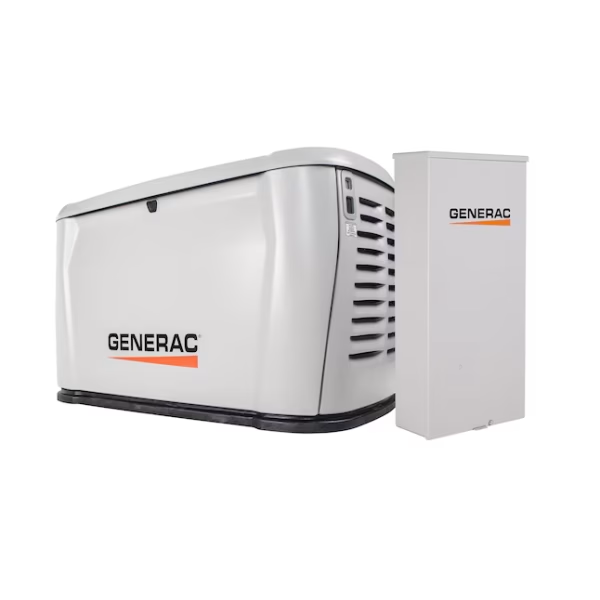
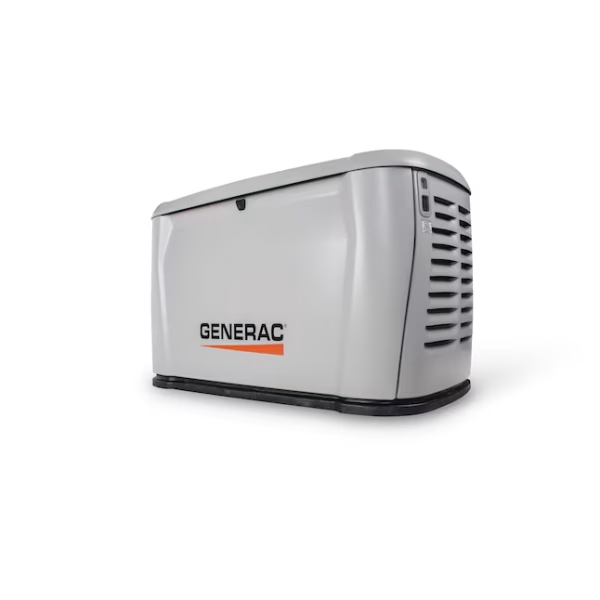
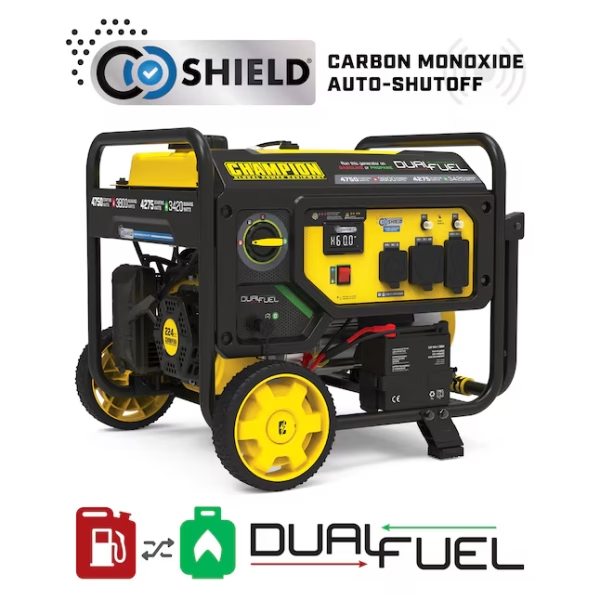
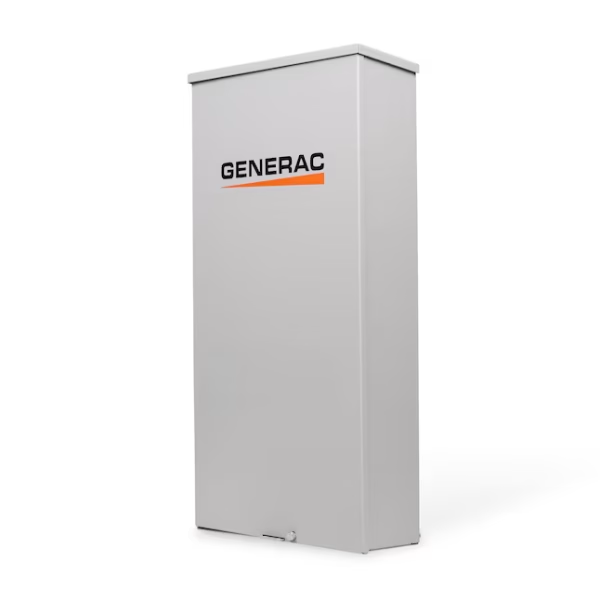
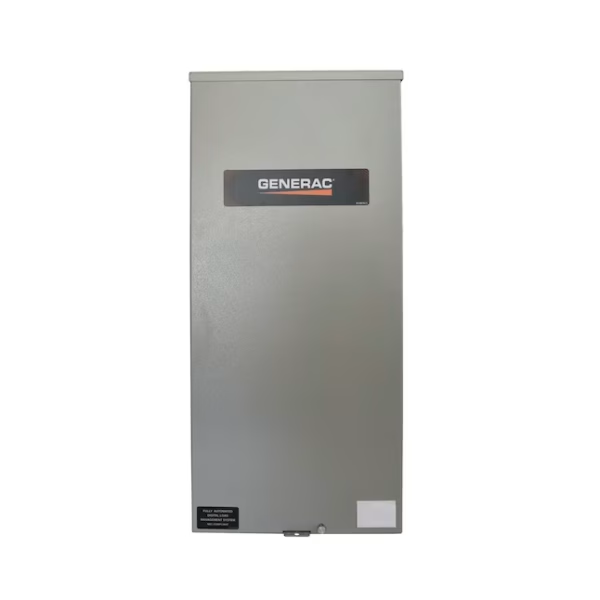
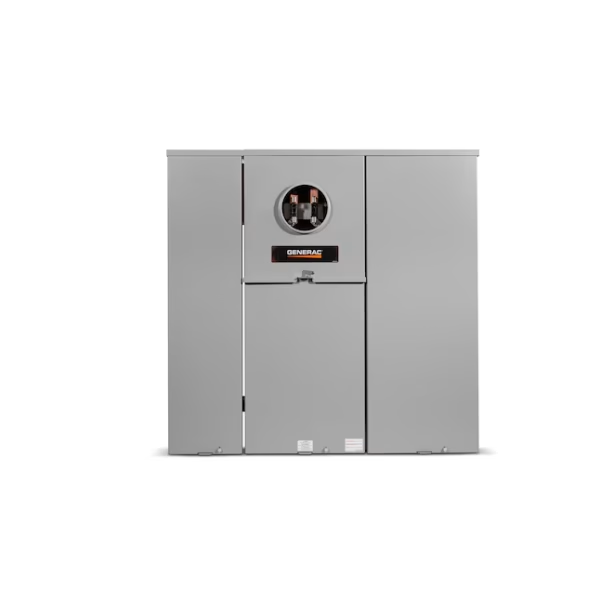
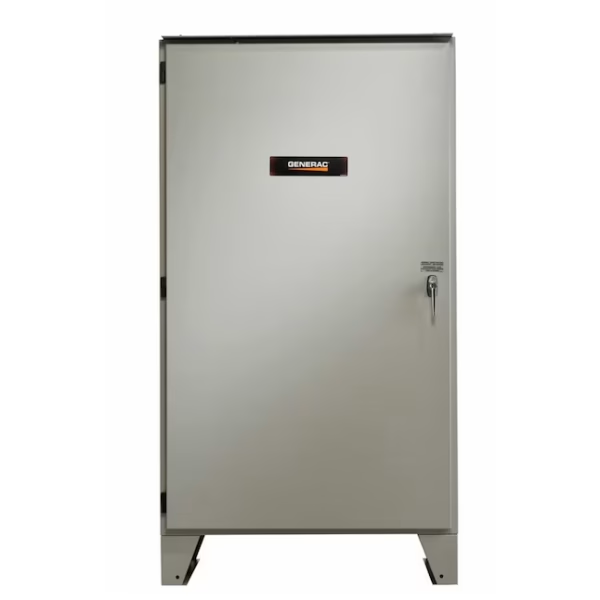
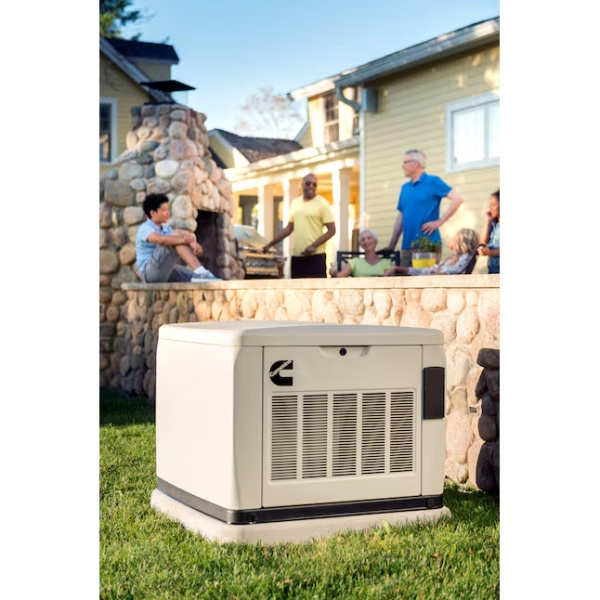
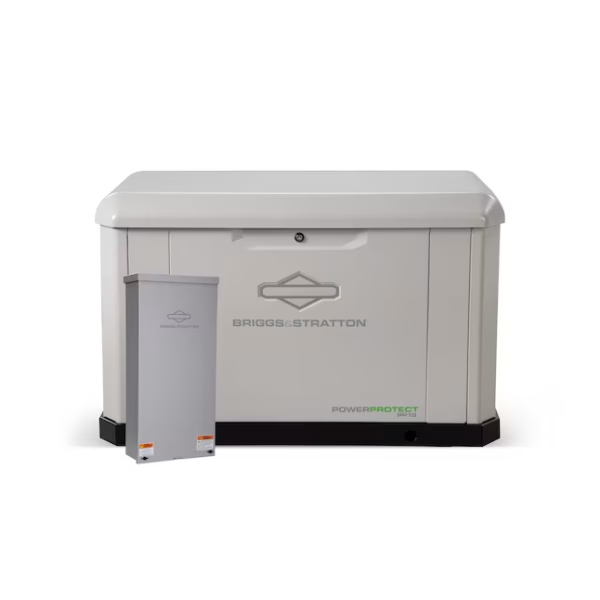
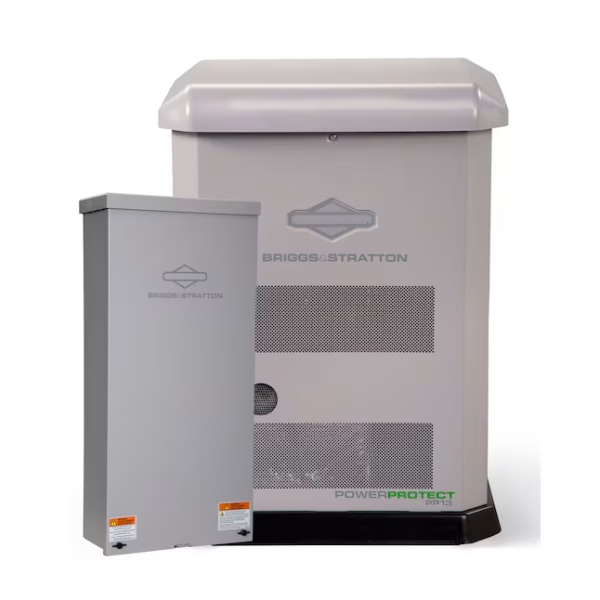
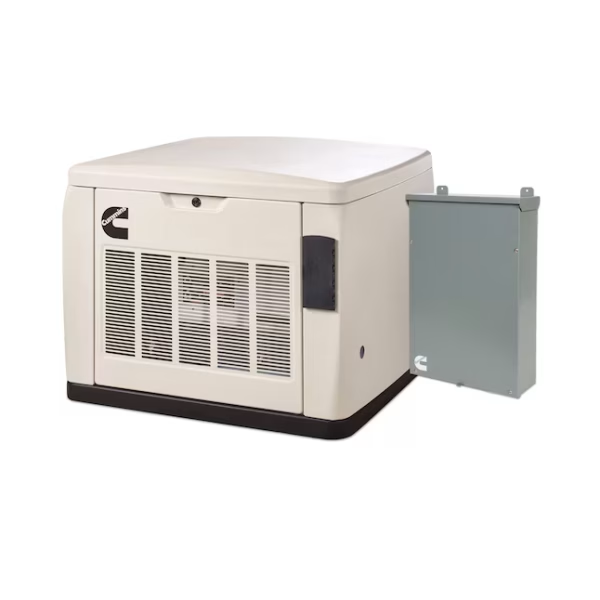
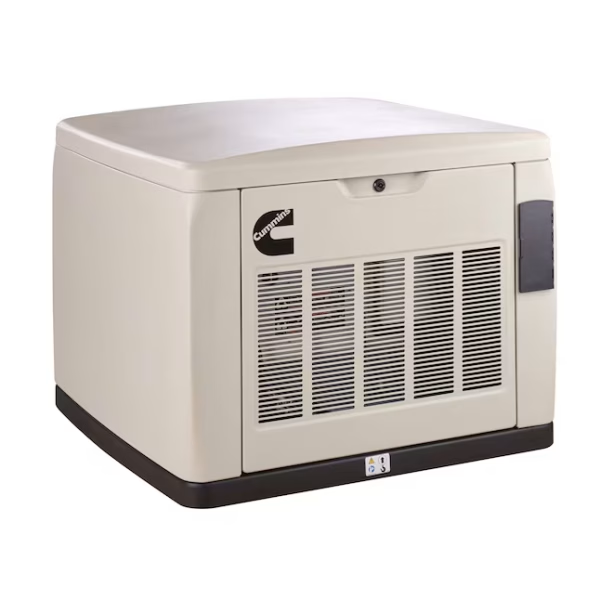
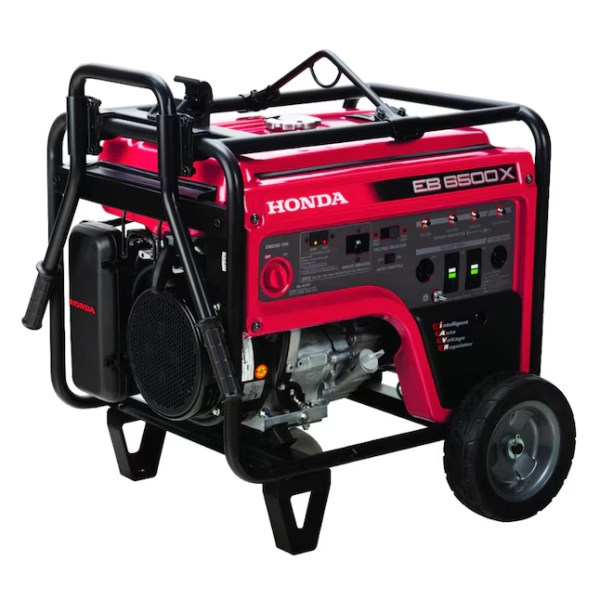
A whole-house standby generator is the single most effective winter outage preparation a homeowner can make. Every other step on this list either supports the generator or addresses gaps in properties that already have one. A Generac 22kW Guardian with a 200-amp automatic transfer switch covers every circuit in most American single-family homes simultaneously, including the furnace, well pump, sump pump, refrigerator, and lighting, without any manual intervention during an outage. The transfer switch detects the outage and restores power within 10 to 30 seconds, day or night, whether you are home or away.
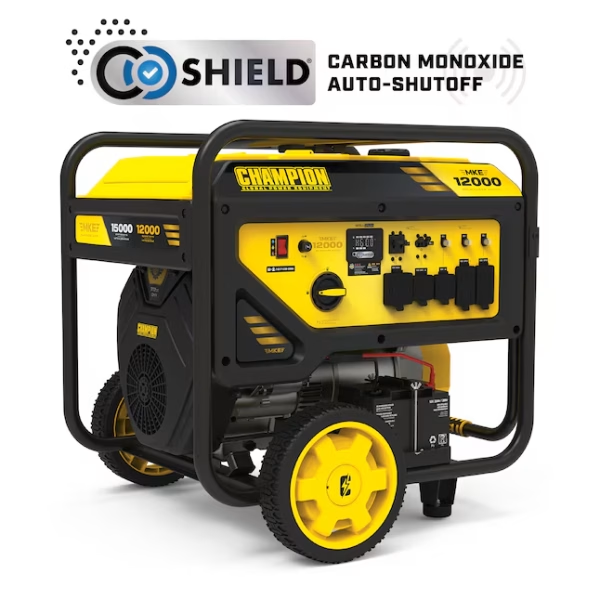
Labor Day is the recommended purchase window because promotional pricing is at its strongest, contractor schedules are open, and an order placed now can be installed and operational by early October before the primary ice storm and freeze season begins in the Northeast, Midwest, and mountain regions. Browse the Generac home standby generator collection and add to cart to see current Labor Day pricing. Free Freight Insurance Included on every order.
Step 2: Test Your Existing Generator Before Winter
If you already have a standby generator, run a full manual test before the first frost. Press the MANUAL or TEST button on the generator controller and let the unit run for 20 to 30 minutes under real household load (with the transfer switch active and your home circuits drawing power). Confirm that the controller shows stable voltage at 240 volts, stable frequency at 60 Hz, and no fault codes during the run. A generator that has not been exercised under real load since last winter may reveal faults during testing that you want to address with a service technician before the next storm, not during it.
Step 3: Replace the Generator Battery
Generator starting batteries degrade faster than automotive batteries because of continuous float charging throughout the year. A battery that was fine in summer may fail to deliver adequate cold cranking amps at 10 degrees Fahrenheit in January. Generac recommends replacing the starting battery every 3 years regardless of apparent condition. If your battery is more than 2 years old, replace it before winter. The cost is modest and it eliminates the most common cause of generator failure to start during an actual outage.
Step 4: Change the Generator Oil
Fresh full synthetic 5W-30 oil provides better cold-temperature flow than oil that has been in service through a full summer of exercise cycles. Annual oil changes are required per the Generac maintenance schedule, and performing the change in late August or September ensures the engine goes into winter with maximum cold-start protection. If you are in a climate where temperatures regularly fall below zero degrees Fahrenheit, switch to full synthetic 5W-20 for the winter months.
Step 5: Check Fuel Supply
On propane, confirm your tank is at least 30 percent full and schedule a fill before the first major storm forecast of the season. A nearly empty propane tank in cold weather delivers inadequate pressure to the generator fuel system, causing erratic operation or failure to start. Call your propane supplier now to schedule a pre-winter fill rather than competing with hundreds of other customers for delivery after the first storm hits. On natural gas, no action is needed as the utility supply is continuous and unaffected by weather.
Step 6: Verify Critical Circuit Coverage
Confirm that your sump pump, well pump, furnace, and refrigerator are all on circuits covered by the generator transfer switch. If you have added new appliances or circuits since installation, verify with your electrician that they are within the transfer switch coverage. A sump pump that was wired after the transfer switch installation may be on a circuit not included in the generator coverage, which leaves your basement vulnerable during a storm outage exactly when the sump pump is needed most.
Step 7: Pre-Winter Electrical Projects
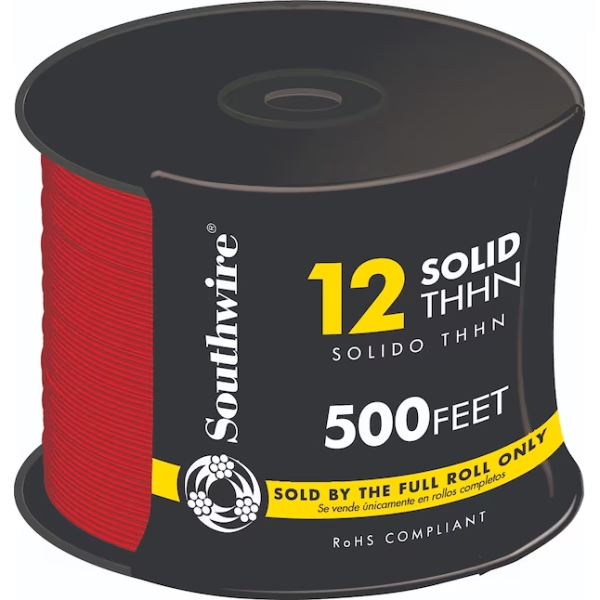
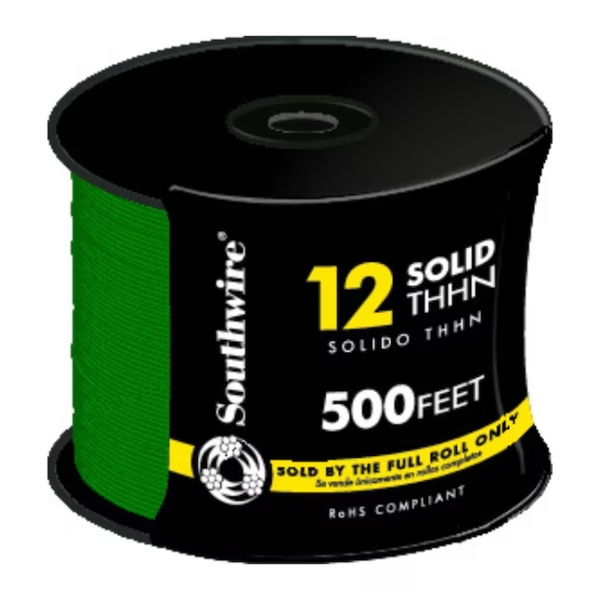
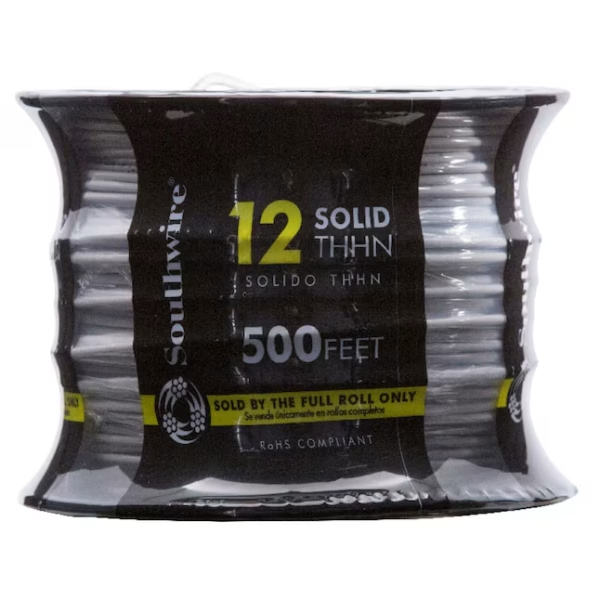
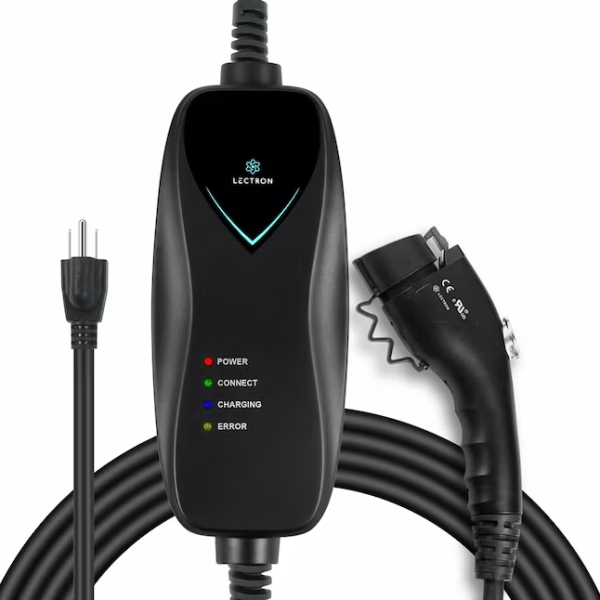
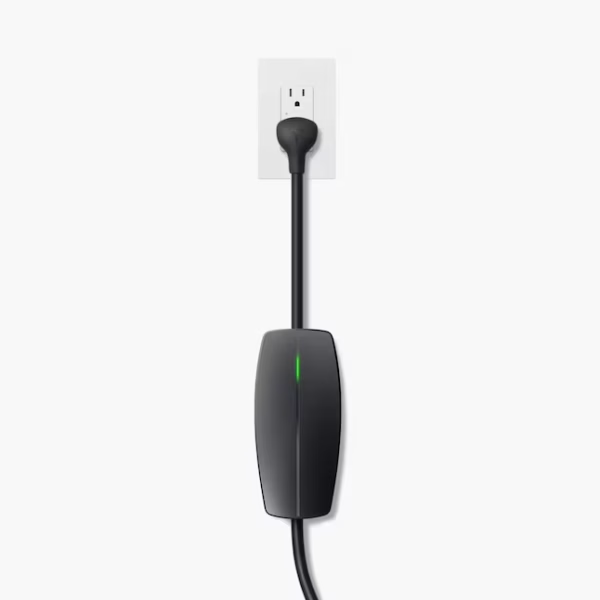
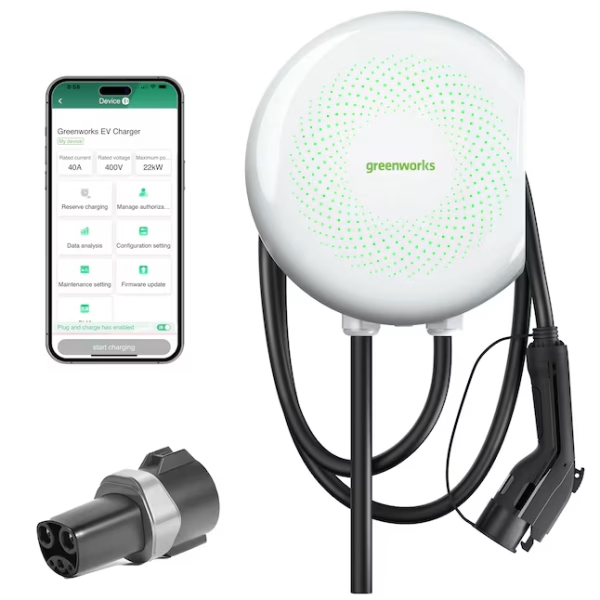
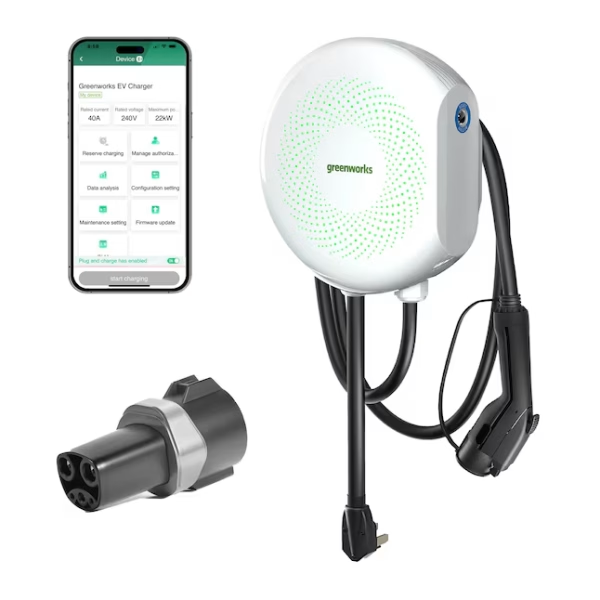
Labor Day weekend is the last comfortable weather window to complete outdoor electrical projects before winter. Running power to a detached garage (12/2 UF-B underground), adding outdoor GFCI outlets (12/2 NM-B inside, 12/2 UF-B underground), or wiring a Level 2 EV charger circuit (10/2 NM-B on 30-amp) are all projects best completed in September while the weather is cooperative. IB Lighting carries all wire types needed for these projects at Labor Day pricing. Browse our electrical wire and cable selection at checkout for current pricing.
Step 8: Stock Emergency Supplies
A generator handles the electrical side of a winter outage, but a complete preparation also covers non-electrical needs. A 3 to 7-day supply of food that does not require refrigeration or cooking, a sufficient prescription medication supply, drinking water in case the well pump fails before the generator starts (in a power-restored scenario), and battery-powered or generator-powered lighting throughout the home complete the outage preparation. With a whole-house standby generator, most of these needs are automatically covered because the generator keeps the refrigerator, stove, and lights running continuously.
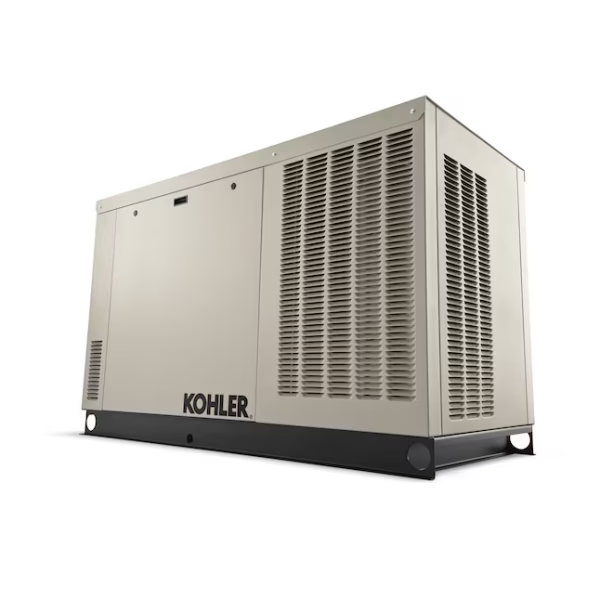
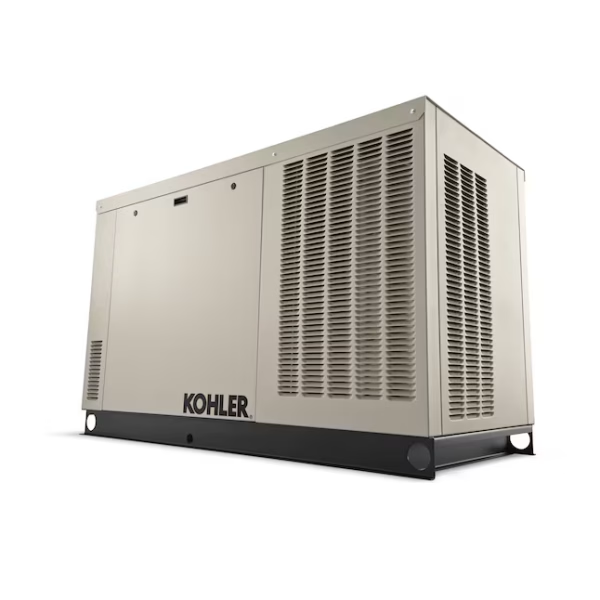
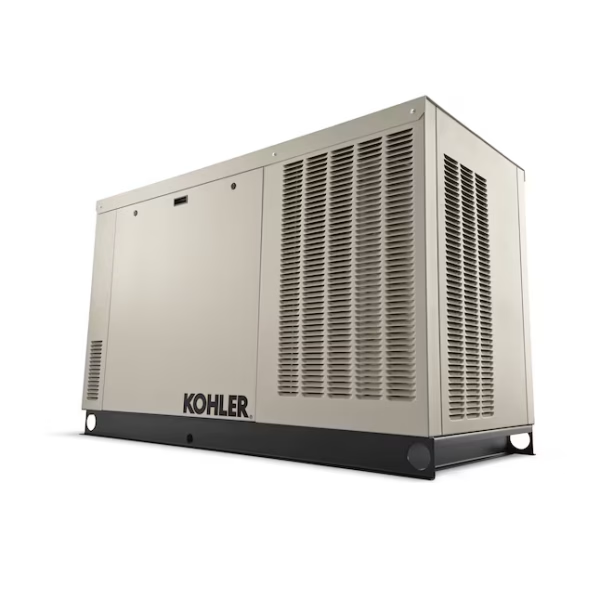
IB Lighting carries Generac and Kohler standby generators with Labor Day pricing shown in cart. Call (800) 674-9019 to order before the holiday weekend ends. Free Freight Insurance Included on every order. Expert support before and after purchase from our licensed master electrician team. Manufacturer warranty included on every generator.