


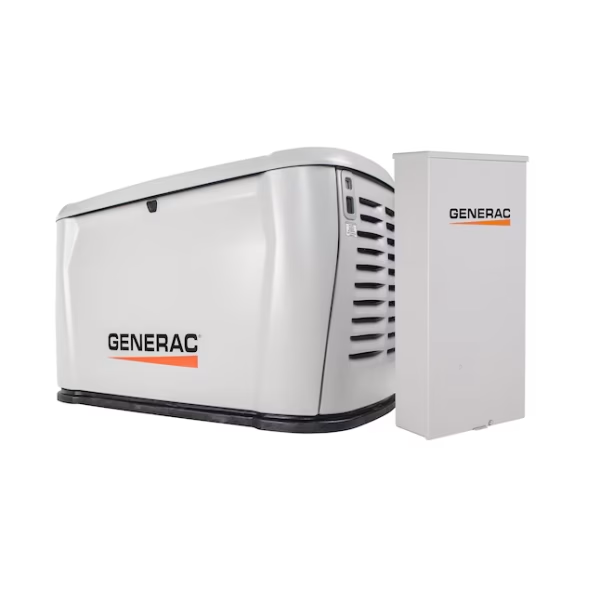
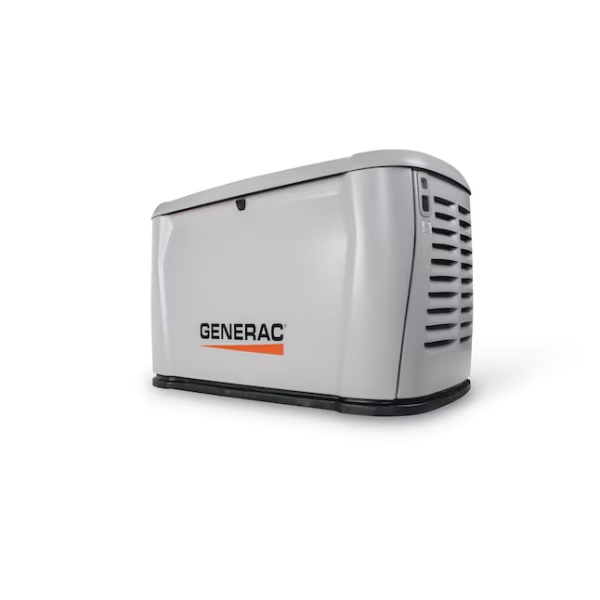














The most common problems with Generac generators are a weak or dead starting battery, overcrank or failure to start, low oil level and oil consumption on air-cooled engines, undervoltage or underspeed faults under heavy load, automatic transfer switch faults, and debris or rodent intrusion inside the enclosure. Battery condition is by a wide margin the largest single cause of a standby unit failing to start when the utility drops.
The pattern behind almost every one of the common problems with Generac generators is the same: a standby unit sits idle for months, then is asked to start unattended and carry a full house within seconds. Components that would be exercised daily in a car sit still. Scheduled maintenance is what closes that gap.
These are standby engine problems, not brand defects
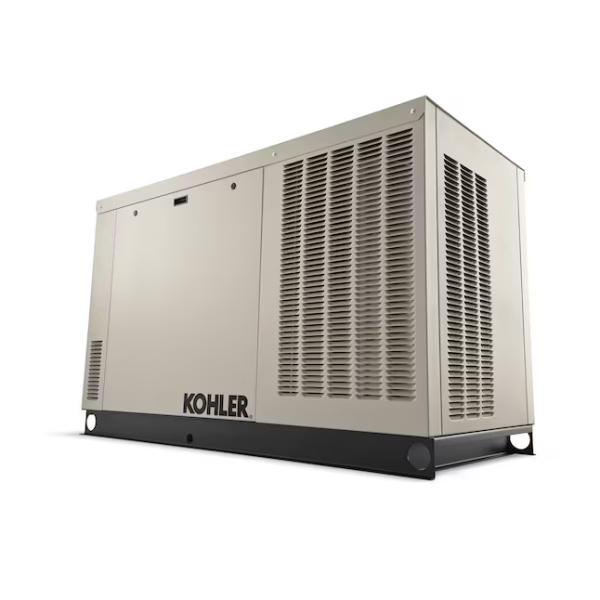
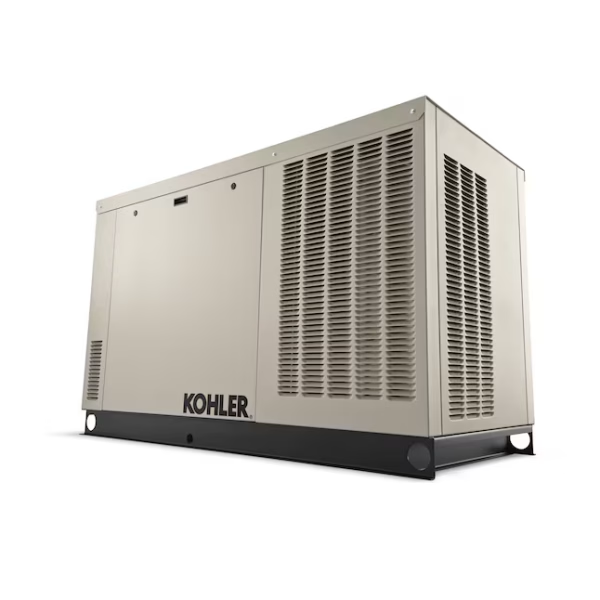
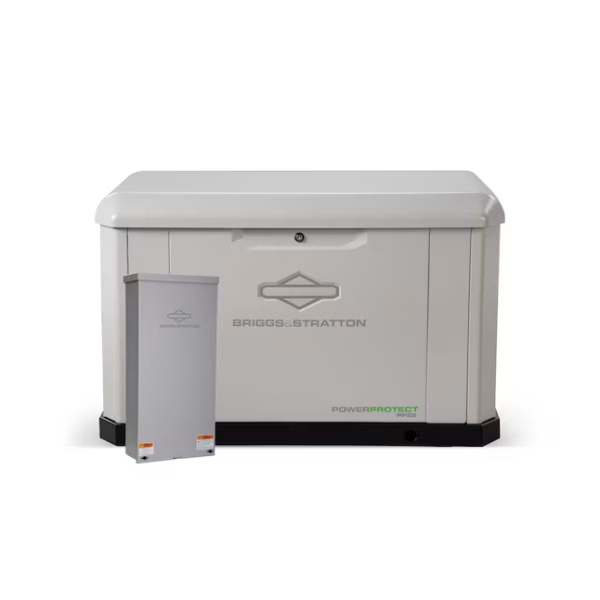
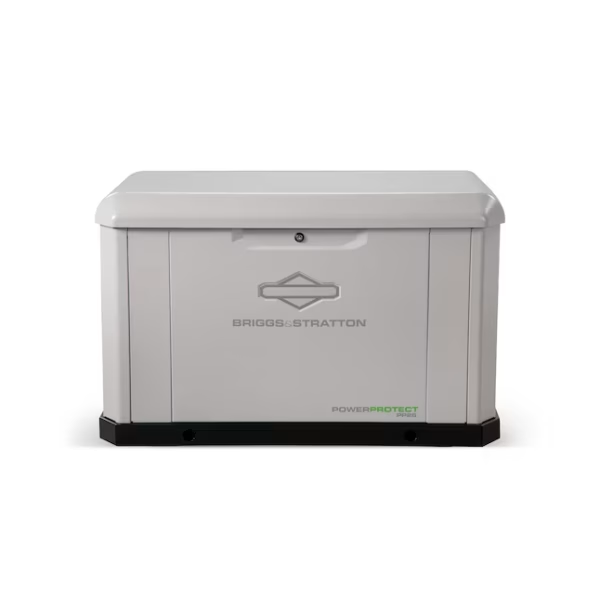
One clarification before the list. The common problems with Generac generators below are, with very few exceptions, the same problems that affect every home standby generator sold in the United States. A starting battery ages at the same rate inside a Kohler, a Cummins, or a Briggs and Stratton enclosure. Fuel starvation from an undersized gas line is a pipe sizing error, not a brand fault. Load-related faults trace back to sizing decisions made at purchase.
Generac dominates search results on this topic for a straightforward reason. Industry analysis puts the brand at roughly 70 to 75 percent of North American residential standby installations, so it has by far the largest installed base generating reports. A larger fleet produces more search volume about faults, which is not the same thing as a higher fault rate. Read the common problems with Generac generators below as standby ownership realities rather than as a brand verdict.
The most common problems with Generac generators, ranked
| Problem | Typical cause | Prevention |
|---|---|---|
| Unit will not start during an outage | Aged, discharged, or sulfated starting battery. Cold weather reduces available cranking current further. | Replace the battery on a two to three year cycle. Verify the battery charger is functioning at every service visit. |
| Overcrank fault | Fuel supply interruption, closed manual gas valve, undersized or restricted gas line, empty propane tank, worn spark plugs. | Confirm the gas valve is open, verify line sizing for full load, keep propane above the reserve line, replace plugs on schedule. |
| Low oil pressure or oil consumption | Air-cooled engines consume some oil in normal service. Long outage runs consume more. Low oil triggers a protective shutdown. | Check the level before and during extended runs. Keep a manufacturer oil and filter kit on site. |
| Undervoltage fault | Failing automatic voltage regulator, internal wiring fault, or a very large starting load applied at once. | Stagger large loads during an outage. Have the regulator tested at annual service. |
| Underspeed fault | Connected load exceeds capacity, or a governor issue. | Correct sizing at purchase. Add load management if the house has outgrown the unit. |
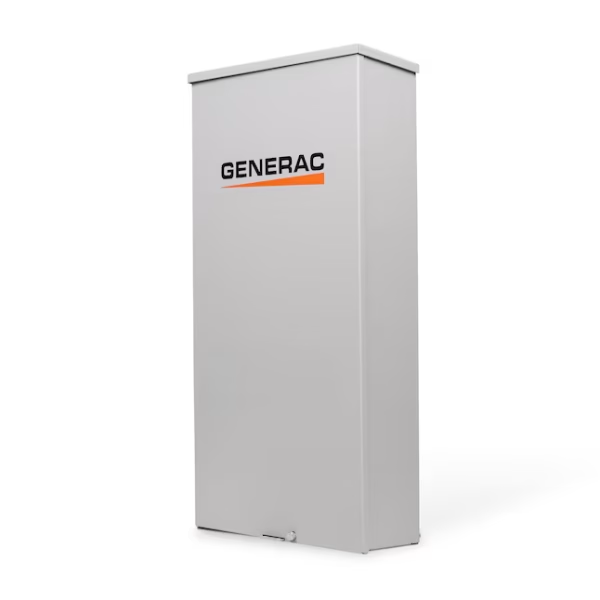
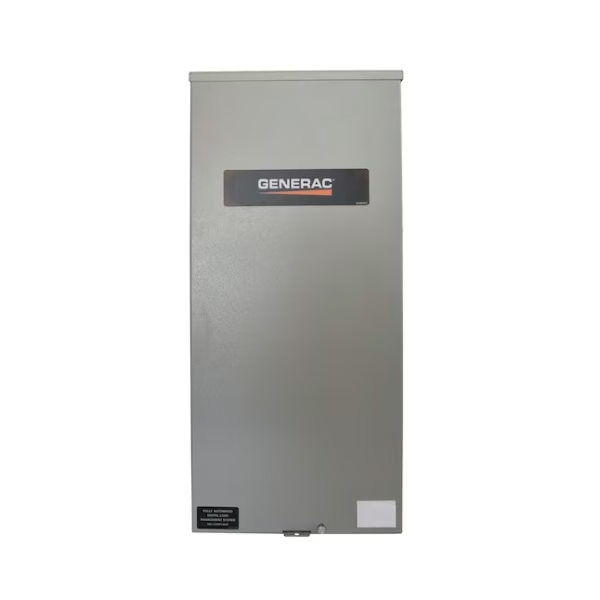
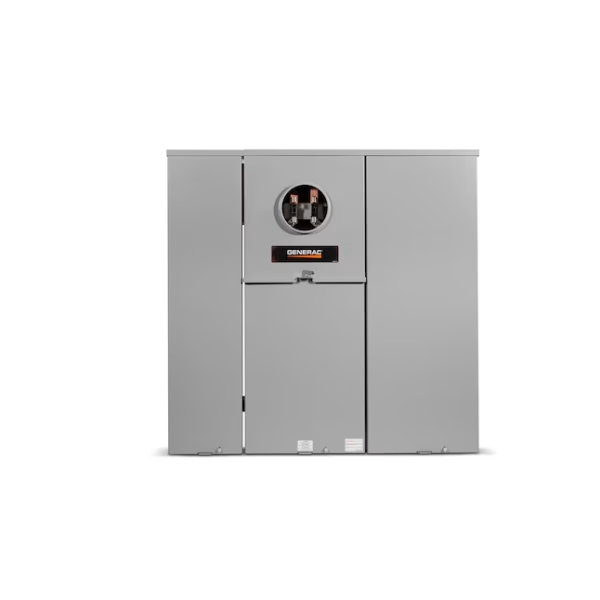
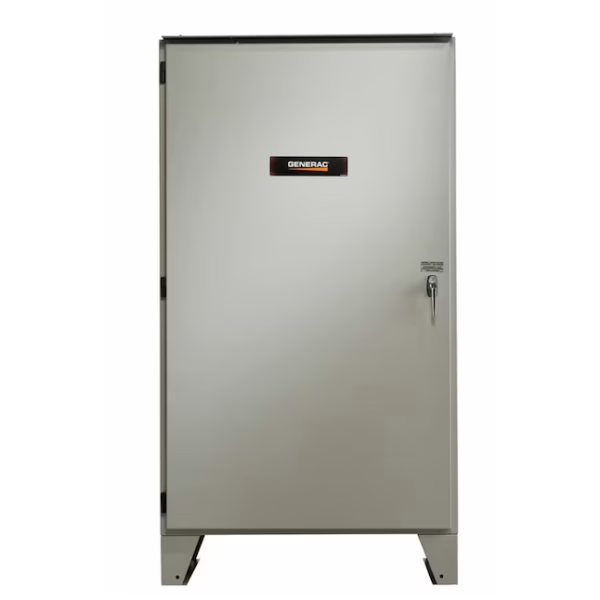
| Transfer switch does not transfer | Control wiring fault, contactor wear, utility sensing failure. | Annual professional inspection of the switch, not just the engine. |
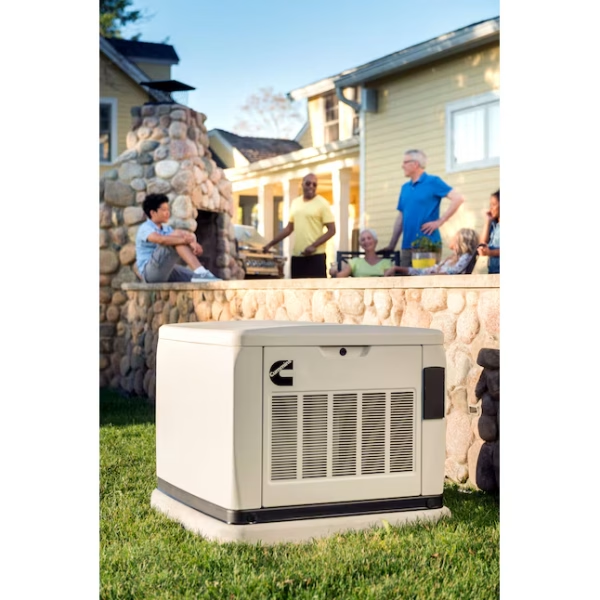
| Overheating or shutdown on hot days | Blocked intake or exhaust louvers, vegetation growth, snow drift, debris in the enclosure. | Keep the required clearance clear year round. Inspect the enclosure interior seasonally. |
| Rodent and insect damage | The enclosure is warm and sheltered. Wiring harnesses and insulation are attractive nesting material. | Open and inspect the enclosure at least twice a year, particularly before winter. |
| Corrosion in coastal environments | Salt air attacks fasteners, terminals, and hardware. | Aluminum enclosures resist this well. Terminals and connections still need inspection. |
Error codes behind the common problems with Generac generators
Most of the common problems with Generac generators surface first as a numeric fault on the controller. A red status light means the unit has detected a condition and has stopped protecting itself, which is the system working correctly rather than failing.
- 1100 and 1101, overcrank. The engine turned over but did not start or stay running. Usually fuel delivery, sometimes ignition.
- 1200 and 1900, undervoltage. Output voltage fell below the threshold. Commonly a failing voltage regulator, internal wiring, or a very large inrush load.
- 1600, underspeed. Engine speed dropped below operational parameters, typically from load in excess of capacity or a governor fault.
- Low oil pressure shutdown. Protective shutdown to prevent engine damage. Do not restart until the oil level is verified.
Basic checks such as confirming the gas valve is open, confirming the circuit breaker on the unit is on, and checking the oil level are appropriate for an owner. Anything involving fuel odor, repeated faults, smoke, unusual noise, or the transfer switch belongs with a qualified technician. Attempting engine or fuel system repairs yourself can create a safety hazard and can jeopardize warranty coverage.
What works in your favor against the common problems with Generac generators
Several published features exist specifically to surface the common problems with Generac generators before they matter, which is the difference between a scheduled service call and a failure at 2am during an ice storm.
- Protective shutdown logic. Low oil pressure, overspeed, and overheat conditions stop the engine instead of allowing it to destroy itself. A unit that shut itself down has protected the asset. Owners read this as a failure. It is the opposite.
- Numeric fault codes on the Evolution controller. The multilingual LCD reports the specific condition rather than a generic warning light, so a technician arrives already knowing where to look. That shortens the repair and lowers the labor bill.
- Battery status and maintenance interval tracking on the display. The single largest cause of a no-start becomes visible before an outage rather than during one.
- Mobile Link remote monitoring, included with Guardian series units. Alerts go to a phone. A fault found in fair weather is a service appointment. The identical fault found during a storm is a failure.
- Quiet-Test self-test at reduced engine speed. The exercise cycle keeps seals lubricated and the battery charged with less wear and less fuel than a full-speed test.
- Service interval up to two years or 200 hours. Published on current Guardian air-cooled models, which is a generous interval for this engine class.
- The largest installer and service network in the category. Trained technicians and stocked parts exist in most of the country, which is not true of every competing brand.
None of this removes the maintenance requirement. It does mean most of the common problems with Generac generators announce themselves in advance, provided the exercise cycle is left enabled and somebody is actually reading the alerts.
Recall status is not one of the common problems with Generac generators on standby units
On April 16, 2026 the U.S. Consumer Product Safety Commission announced a recall of approximately 149,400 Generac portable generators after reports of fuel leaking from the carburetor during initial fueling, creating a fire and burn hazard. Affected models were GP series gasoline portables with an orange and black cover, sold from May 2025 through February 2026. Details are published on the official CPSC recall notice.
That action applies to gasoline portable units only. Home standby generators were not included. IB Lighting published a full breakdown of affected model numbers and owner next steps in the Generac portable generator recall 2026 guide. If you own a portable unit, verify your model and serial number against the CPSC list before using it again.
The maintenance schedule that prevents most common problems with Generac generators
Nearly all of the common problems with Generac generators listed above are prevented by the schedule below. None of it is optional.
- Break-in service at 25 hours of run time. Generac specifies a full oil and oil filter change when an air-cooled Guardian or Next Generation unit reaches its first 25 hours, using the specified full synthetic oil. The manufacturer guidance is documented in the Generac break-in maintenance article. Not earlier, not later.
- Routine oil and filter service. Current Guardian air-cooled models publish an interval of up to two years or 200 hours. Many service professionals shorten this to annual or 100 hour intervals in extreme climates or heavy-use homes, because idle oil absorbs moisture.
- Battery replacement every two to three years. Do not wait for a failure. This is the single highest-value preventive step available against the most common failure mode there is.
- Air filter, spark plugs, and valve adjustment on the published schedule. Valve clearance in particular is skipped by owners and matters on high-hour units.
- Weekly or biweekly exercise cycle left enabled. The controller runs the engine for about five minutes to keep seals lubricated and the battery charged. Do not disable it to avoid the noise.
- Visual check monthly, enclosure inspection twice a year. Look for leaks, corrosion, nesting material, and blocked louvers.
- Professional annual service including the transfer switch. Engine-only service leaves half the system untested.
What to have on hand before storm season
Most of the common problems with Generac generators that strand a household during an outage are parts problems, not engine problems.
- A manufacturer oil and filter maintenance kit matched to your model
- A spare set of spark plugs and an air filter
- A fresh starting battery, or a documented replacement date
- Your model and serial number recorded somewhere you can reach without power
- The phone number of the technician who services the unit
Maintenance kits and consumables are listed under generator accessories and maintenance kits.
Quick recap
- The starting battery is the leading cause of the common problems with Generac generators that end in a no-start.
- Fuel supply faults show up as overcrank codes 1100 and 1101.
- Load-related faults show up as undervoltage or underspeed and usually trace back to sizing.
- The April 2026 CPSC recall covered gasoline portable units, not home standby units.
- Break-in service at 25 hours, scheduled oil and filter service, and a live exercise cycle prevent the large majority of failures.
- These are standby engine failure modes shared across every brand, not defects unique to one manufacturer.
- Fault codes, controller maintenance tracking, and included Mobile Link monitoring mean most faults are visible before an outage.
Expert review
This guidance on the common problems with Generac generators is reviewed by the in-house Master Electrician who founded IB Lighting. It is written to help owners recognize what they are looking at and to know where the line sits between an owner check and a service call. Diagnosis and repair of fuel systems, transfer switches, and engine internals must be performed by qualified personnel in accordance with the manufacturer service manual and local code.
Shopping for a unit that will not become a problem
Correct sizing at purchase eliminates the load-related common problems with Generac generators entirely. Browse the Generac home standby generators 10kW to 28kW collection or read the buying guides before you order. Free Freight Insurance Included. See your exclusive price in cart.
Call (800) 674-9019 for sizing help, or for a straight answer about the common problems with Generac generators reported on the model you are considering. Nationwide delivery, family owned and operated, manufacturer warranty included, and expert support before and after purchase.