























Whole House Generator vs Home Battery: Generac vs Tesla Powerwall
The choice between a whole-house standby generator and a home battery system is one of the most common and most consequential decisions homeowners face when planning for backup power. Both solutions provide protection during power outages, but they have fundamentally different characteristics in capacity, runtime, cost, and use cases. Here is a detailed comparison to help you choose the right solution for your home.
How Each System Works
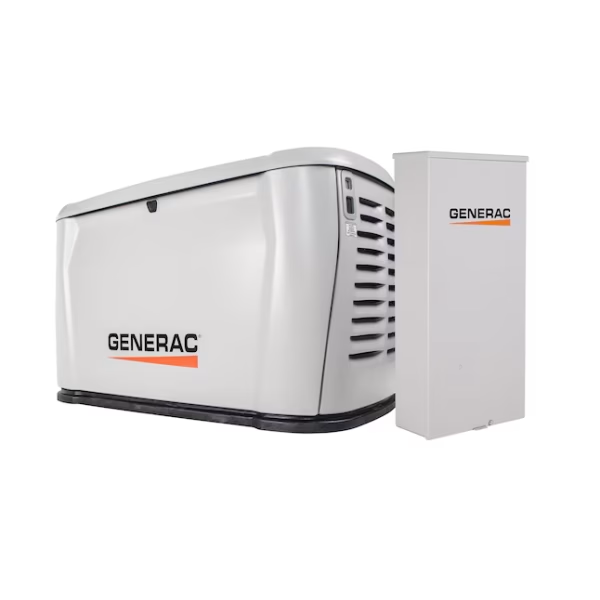
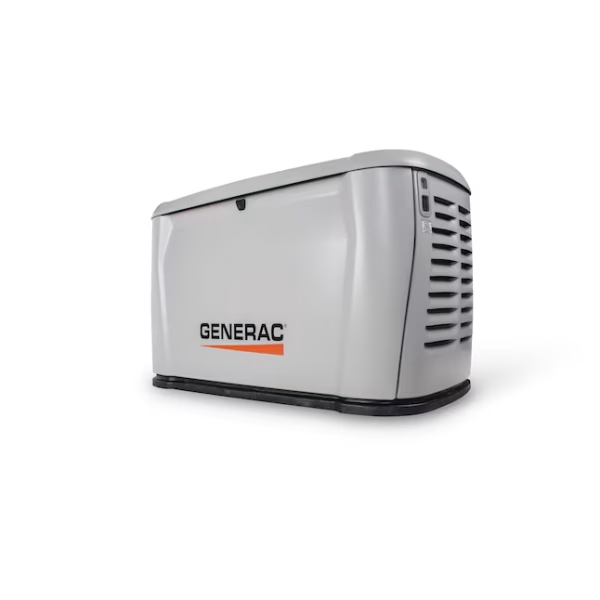
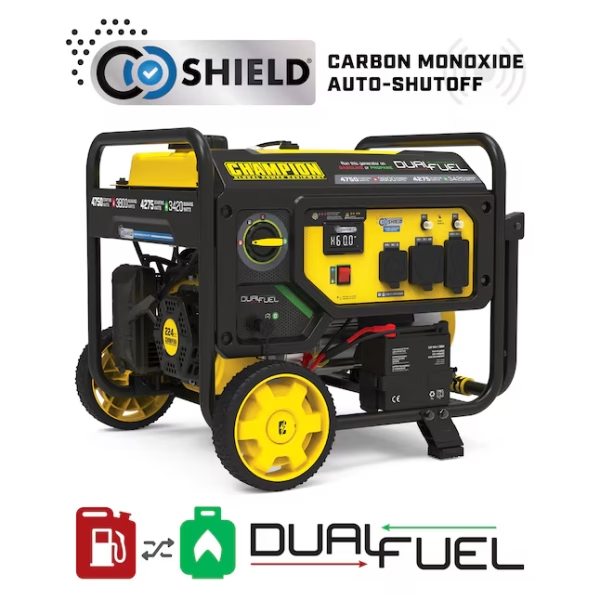
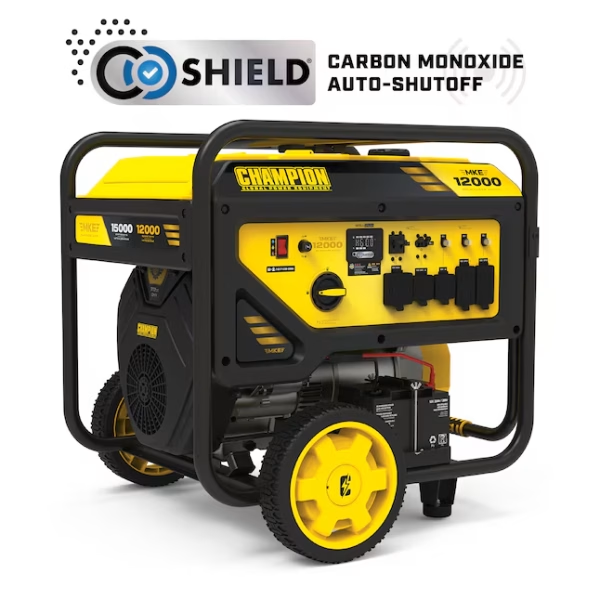
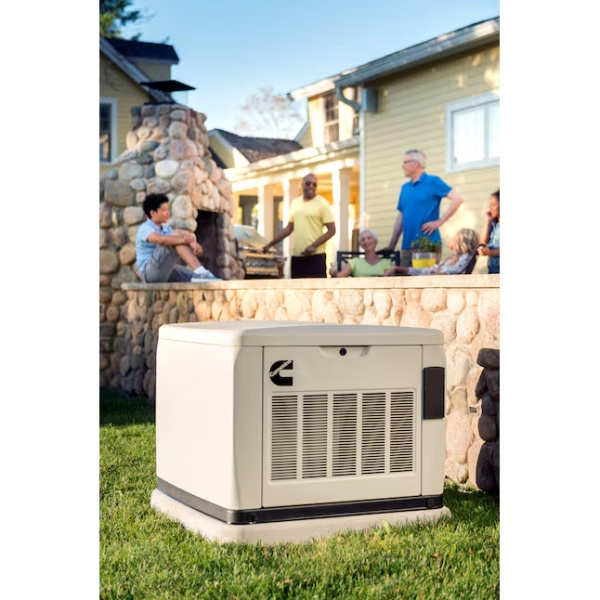
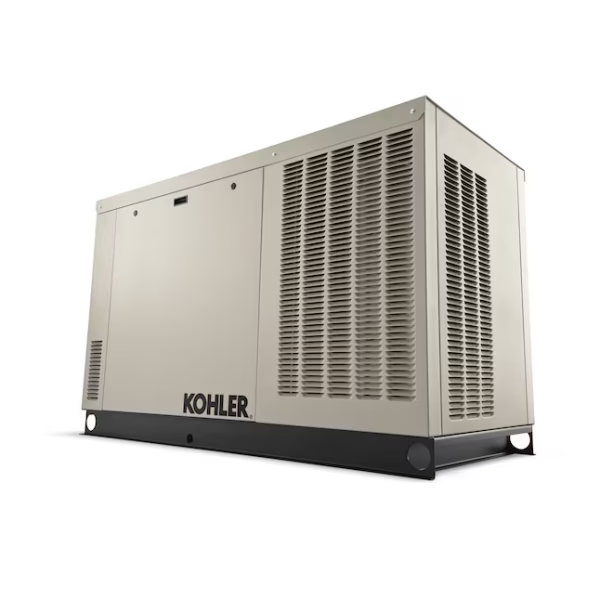
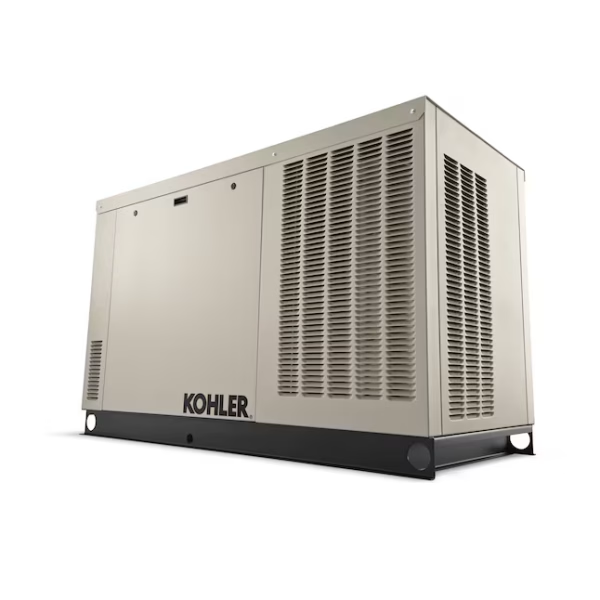
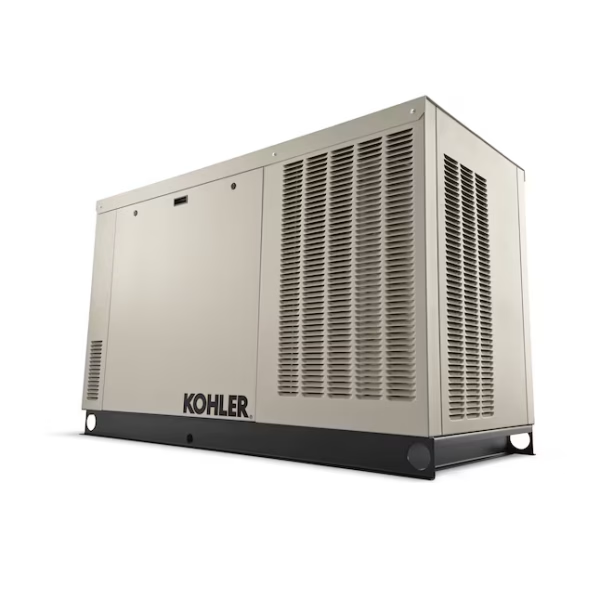
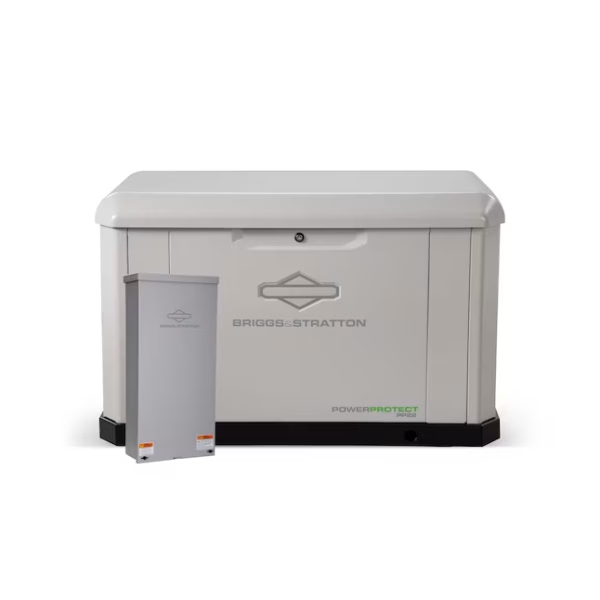
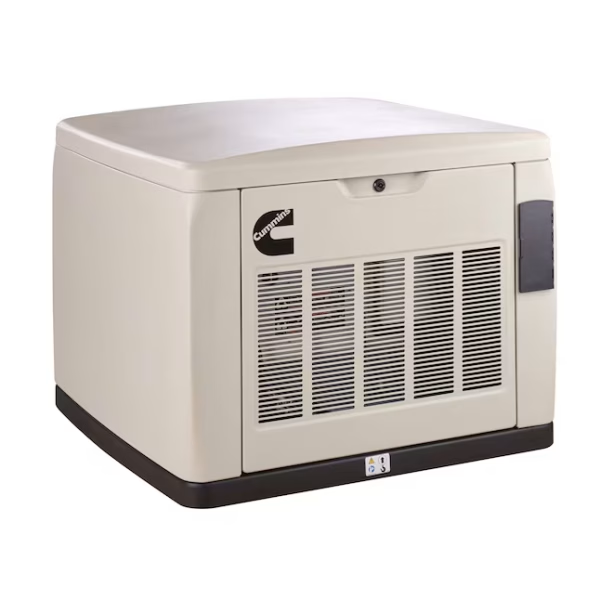
A Generac standby generator is an internal combustion engine connected to an alternator that produces electricity on demand from natural gas or propane fuel. It has essentially unlimited runtime as long as fuel is available, starts automatically within 10 to 30 seconds of an outage, and can power any electrical load in the home simultaneously including heavy loads like central AC, electric water heaters, and EV chargers.
A Tesla Powerwall (or similar lithium-ion home battery such as the LG Chem RESU or Enphase IQ Battery) stores electrical energy in a battery pack. The Powerwall 2 stores 13.5 kWh of usable energy and can deliver up to 5 kW of continuous power (7 kW peak). It charges from solar panels or from the utility grid during off-peak hours. When an outage occurs, the Powerwall switches to battery power instantly with no perceptible interruption. When the battery is depleted, power is out unless the sun is shining to recharge the panels.
Capacity Comparison
This is where the comparison is most stark. A Generac 22kW generator produces 22,000 watts of continuous power from the moment it starts and maintains that output indefinitely from the gas supply. A single Tesla Powerwall delivers a maximum of 5,000 watts continuously, which is less than what most central AC systems require to run the compressor. Running a typical home on a single Powerwall requires significant load management and cannot support central air conditioning under most configurations.
To match the whole-house capacity of a 22kW Generac, a homeowner would need approximately 4 to 5 Powerwall units (at $10,000 to $12,000 each plus installation, totaling $50,000 to $60,000 or more) to achieve equivalent power output and meaningful runtime. At that cost, the battery system is dramatically more expensive than a generator installation for equivalent capacity.
Runtime Comparison
A Generac 22kW on natural gas runs indefinitely. On a 500-gallon propane tank, runtime is 5 to 7 days at typical residential load. A single Powerwall at an average home load of 1.5 to 2 kW lasts 6 to 9 hours. With solar panels producing 5 to 10 kWh per day on a sunny day, a Powerwall can be recharged partially each day, extending effective backup coverage. On a cloudy multi-day storm outage when solar generation is minimal, the Powerwall provides only its stored charge before depleting.
Cost Comparison
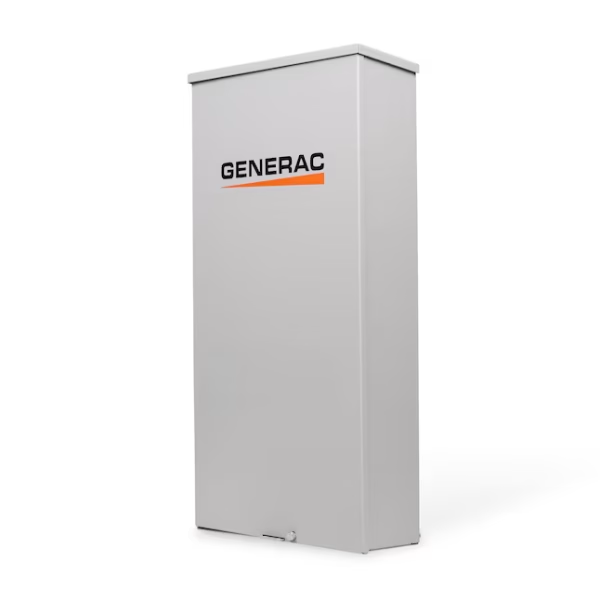
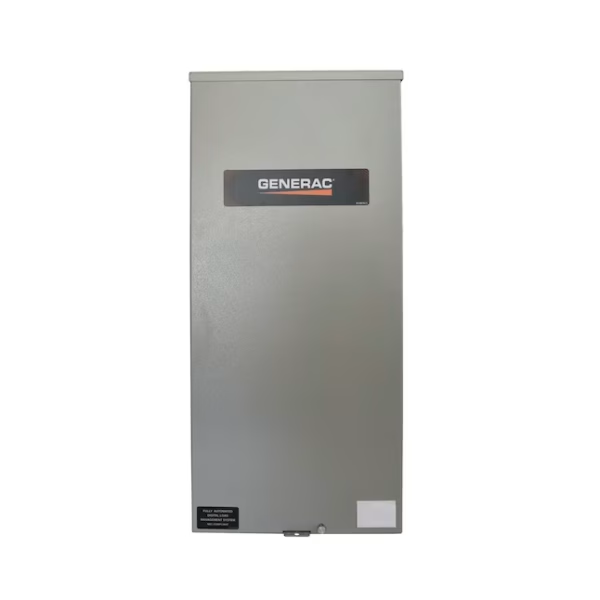
A Generac 22kW system with 200-amp ATS installed typically costs $9,000 to $14,000 total. A single Tesla Powerwall installed costs $12,000 to $16,000 including the gateway and installation. For whole-house backup capacity equivalent to a 22kW generator, the battery system cost is 3 to 5 times higher. The generator has ongoing fuel costs during outages (approximately $1.00 to $1.50 per hour on natural gas) while the battery charges for free from solar or at off-peak electricity rates.
When a Battery Makes More Sense
Home battery systems are well-suited to specific use cases: homes with solar panels where the battery serves both daily energy management and backup functions, urban and suburban environments where noise regulations are strict and generator operation would be problematic, homes that primarily experience short outages (under 12 hours) where battery capacity is adequate, and buyers who prioritize complete fuel independence and silent operation over maximum capacity and runtime.
When a Generator Is the Clear Choice
A whole-house standby generator is the right choice when multi-day outage resilience is required (storms, ice events, hurricane recovery), when the home has substantial electrical loads (large HVAC, well pump, sump pump, EV charger) that exceed battery output capacity, when the total cost of adequate battery capacity would be prohibitive, or when the property does not have solar panels (reducing the battery recharge advantage).
IB Lighting carries the full Generac home standby generator lineup from 10kW to 28kW. Call (800) 674-9019 to discuss whether a generator or a hybrid generator-plus-battery approach is the right solution for your home. Free freight and insurance on every generator order.