














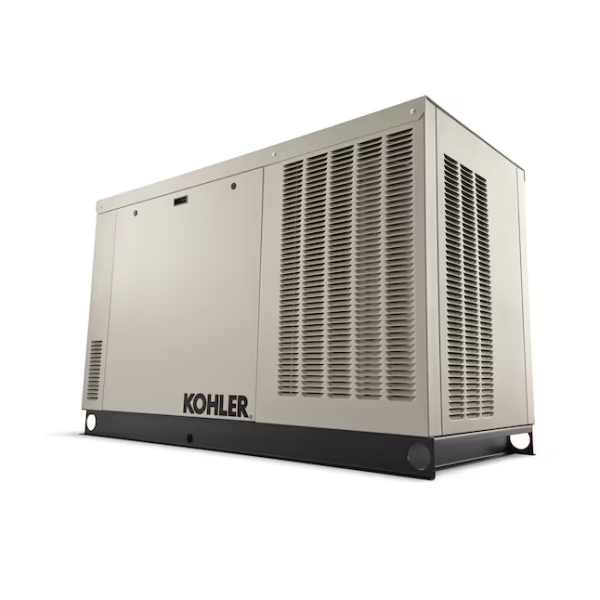
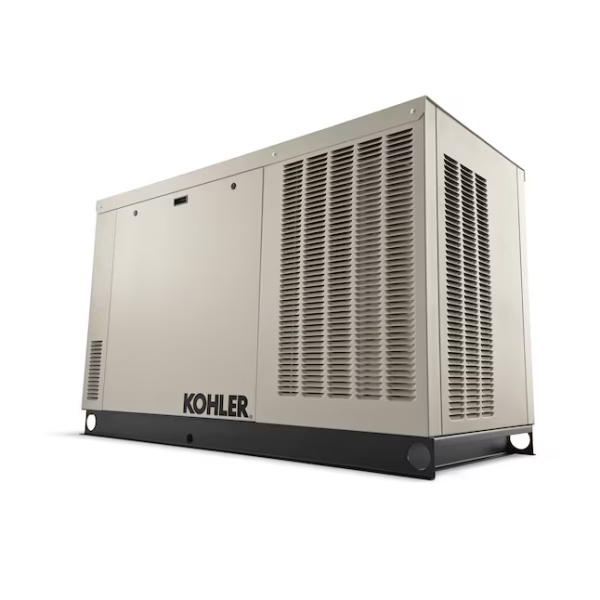
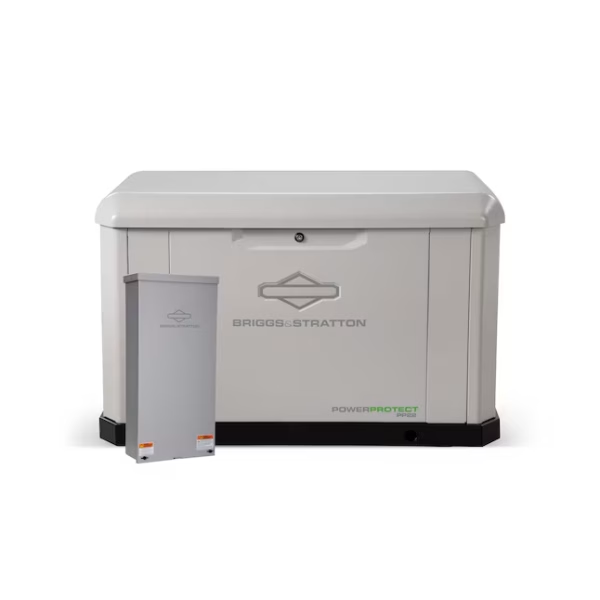
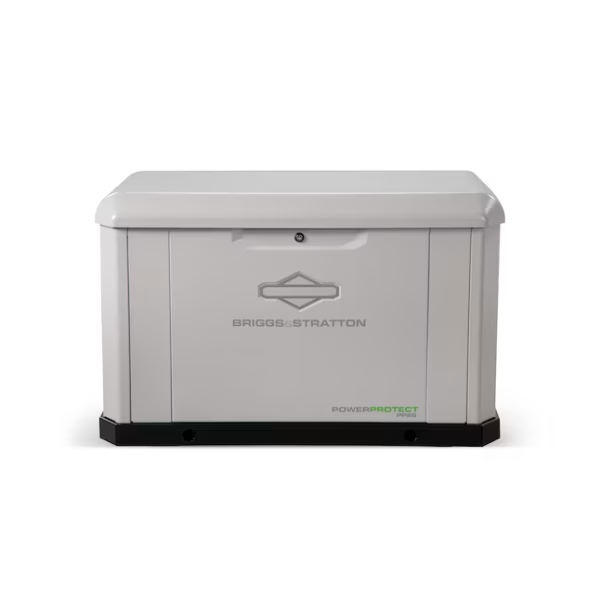


Generac vs Honda Home Standby: Honest 2026 Expert Guide


Generac vs Honda Home Standby: Honest 2026 Expert Guide
🕑 {{READ_TIME}} min read Updated: {{UPDATED}} Table of Contents Generac vs Honda Home Standby: The Honest Answer Does Honda Make a Home Standby Generator? Where the Confusion Comes...
- Generac vs Honda home standby is not a like-for-like matchup, because Honda does not build automatic home standby generators.
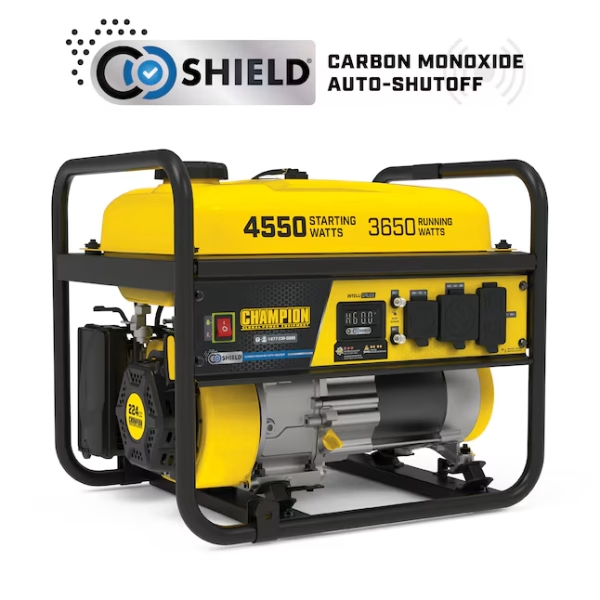
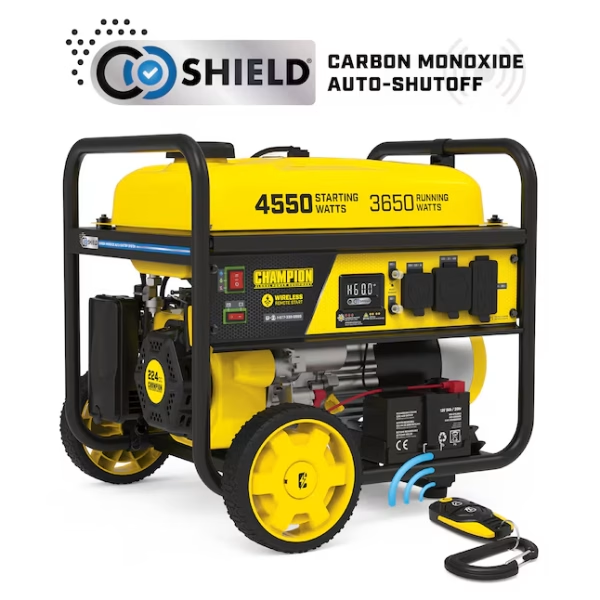
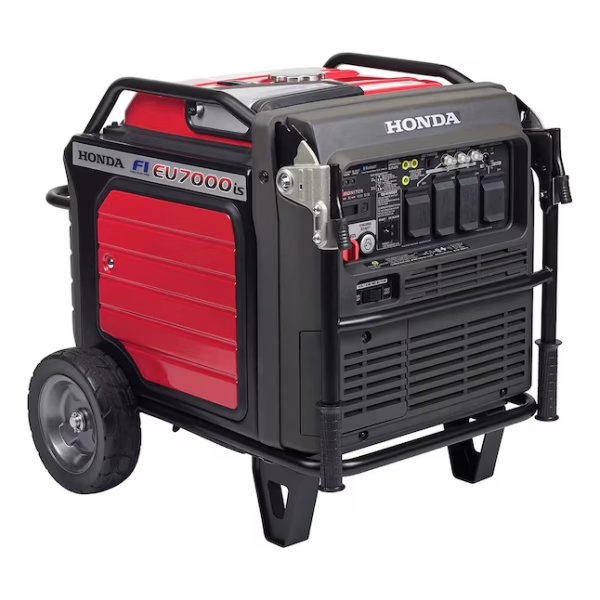
- Honda builds portable and inverter generators, topping out at the EU7000iS with 5,500 running watts and 7,000 starting watts.
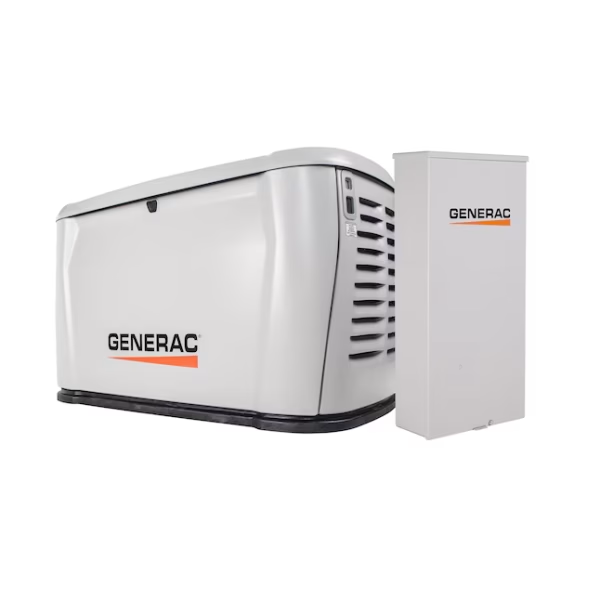
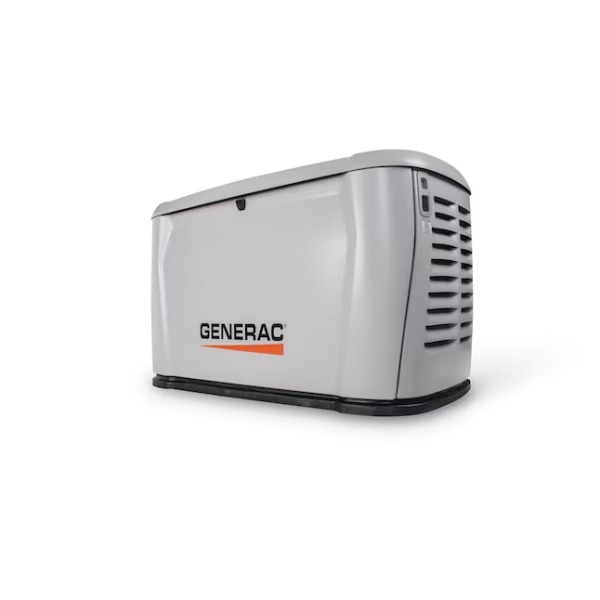
- Generac air-cooled standby units run from 10kW to 28kW, start automatically, and feed from natural gas or propane.
- A Honda EU7000iS supplies about 23 amps at 240 volts, while a Generac 22kW supplies 92 amps on propane.
- Honda covers most generators for three years, while Generac covers its standby units for five years with tiered terms.
Generac vs Honda home standby has a short answer: Honda does not make home standby generators. Honda builds portable and inverter generators, and Generac builds automatic standby units from 10kW to 28kW. So the real choice is between an installed Generac that starts itself and a Honda portable you roll out and fuel.
Founded in 2013 by a licensed Master Electrician, IB Lighting sells both Generac standby generators and Honda portables, so this guide has no single-brand agenda. Buyers search this comparison constantly, usually after seeing Honda’s reputation for engines and assuming it must build a whole-home unit. It does not. Below, our electrician-led team compares what each brand actually makes, using manufacturer specifications and published warranty terms.
Generac vs Honda Home Standby: The Honest Answer
The Generac vs Honda home standby comparison is really standby versus portable. Generac’s Next Generation air-cooled line covers 10kW through 28kW, starts automatically through a transfer switch, and runs on natural gas or propane. Honda’s largest generator, the EU7000iS, produces 7,000 starting watts and 5,500 running watts on gasoline. At 240 volts, that is about 23 running amps. By comparison, a Generac 22kW supplies 92 amps on propane, roughly four times as much.
That gap decides most cases. However, it does not make Honda the loser. Honda’s inverter runs at 52 to 58 dB(A), moves with you, needs no permit, and costs far less to put in service. Therefore, the right question is not which brand is better. It is whether you need automatic whole-home power or portable essentials backup. The table below lays out both sides.
| Factor | Generac 22kW standby | Honda EU7000iS portable |
|---|---|---|
| Category | Permanently installed standby | Portable inverter |
| Output | 22kW LP / 21kW NG | 7,000 W starting / 5,500 W running |
| Amps at 240V | 92 A LP / 88 A NG | About 23 A running |
| Starting | Automatic, within seconds | Manual or app start, then connect |
| Fuel | Natural gas or propane | Gasoline, 5.1-gallon tank |
| Runtime | Continuous on natural gas | 6.4 to 16 hours per tank |
| Sound | 67 dB(A) at 23 ft | 52 to 58 dB(A) |
| Warranty | 5-year limited, tiered | 3-year limited |
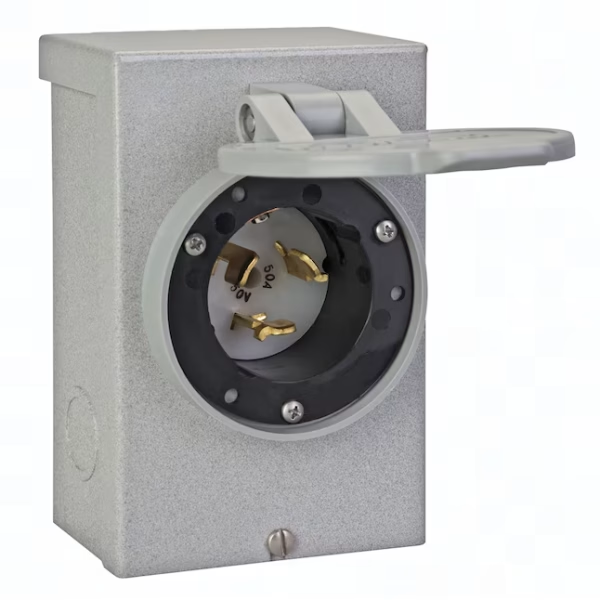
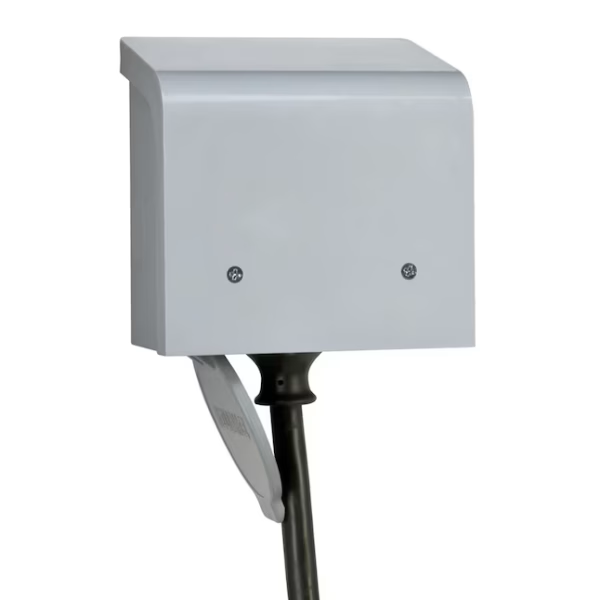
| Installation | Electrician, gas fitter, permits | Inlet box and transfer switch recommended |
Next, it helps to confirm what Honda actually sells, since several websites get this wrong.
Does Honda Make a Home Standby Generator?
No, Honda does not make a home standby generator for the North American market. Honda Power Equipment sells portable and inverter generators, and its own website draws the line clearly. Honda’s comparison page explains that a home standby unit automatically starts when the power goes out and typically connects to propane or natural gas, while its portables must be moved outside, fueled, started, and connected through a transfer switch or cords. That is Honda describing a category it does not compete in.
Still, Honda does market its portables for home backup. The company notes that every new Honda generator since 2020 includes CO-MINDER, its carbon monoxide detection system, and many models pair with the My Generator app over Bluetooth. Those are genuine home-backup features. Even so, they sit inside the portable category. Read Honda’s own framing on its portable versus home standby page.

Where the Confusion Comes From
What most guides get wrong: several articles ranking for this question claim Honda builds whole-house generators, and at least one suggests using an EU2200i as a home standby unit. That advice is wrong on both counts. The EU2200i is a 2,200-watt recreational inverter, and no Honda model connects to an automatic transfer switch from the factory.
In practice, three things feed the mix-up. First, Honda’s engine reputation makes buyers assume a full product range. Second, Honda markets portables specifically for home backup, which sounds like standby language. Third, retail category filters list Honda under “home standby” searches even when no such product exists. So if a page promises a Honda standby generator, check the model number against Honda’s own lineup before you believe it.
So in a Generac vs Honda home standby search, the two categories never actually overlap. The next question is what each one can carry.
How Much Power Does Each One Really Deliver?
Capacity is the sharpest difference in any Generac vs Honda home standby comparison. Honda’s EU7000iS is rated 7,000 watts starting and 5,500 watts running, which works out to about 29 amps and 23 amps at 240 volts. Honda’s EB6500 industrial portable delivers 6,500 watts, and its iAVR technology lets it hold 7,000 watts for up to 10 seconds to start heavy equipment. Generac, by contrast, publishes 42 amps for its 10kW unit and 92 amps for its 22kW, both on propane.
Put simply, then, Honda covers essentials while Generac covers houses. A Honda inverter handles a refrigerator, lighting, internet, a furnace blower, and a few outlets with room to spare. A Generac standby handles those plus central air conditioning, an electric water heater, and a well pump at the same time. For a 5-ton AC, our best generator for 5 ton AC guide shows why that capacity gap matters.

What a Honda EU7000iS Can Realistically Run
The Honda EU7000iS is more capable than its size suggests. With 5,500 running watts, it comfortably carries a refrigerator, freezer, sump pump, gas furnace blower, lighting circuits, and electronics. It also has a 120/240-volt outlet, so it can feed a transfer switch instead of a web of cords.
However, central air is where it runs out of room. A common 5-ton condenser draws about 148 locked-rotor amps at startup, well beyond a 29-amp peak. Even a 2-ton system, at roughly 41 locked-rotor amps, sits close to the limit without a soft starter. Our best generator for 2 ton AC guide covers that pairing in detail. So plan the EU7000iS around essentials, not around whole-home cooling.
Capacity aside, the biggest daily difference is what happens the moment the lights go out.
Automatic vs Manual: What Happens at 2 a.m.
A Generac standby starts by itself. Its controller watches utility voltage around the clock, starts the engine within seconds of an outage, and signals the transfer switch to move the house onto generator power. Nobody has to wake up, and nobody has to be home. In contrast, a Honda portable waits for you. Someone must roll it outside, position it safely away from the house, fuel it, start it, and connect it through an inlet box.
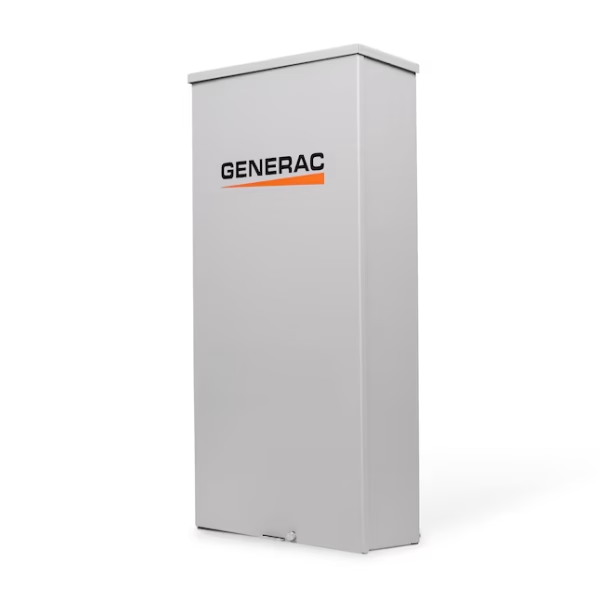
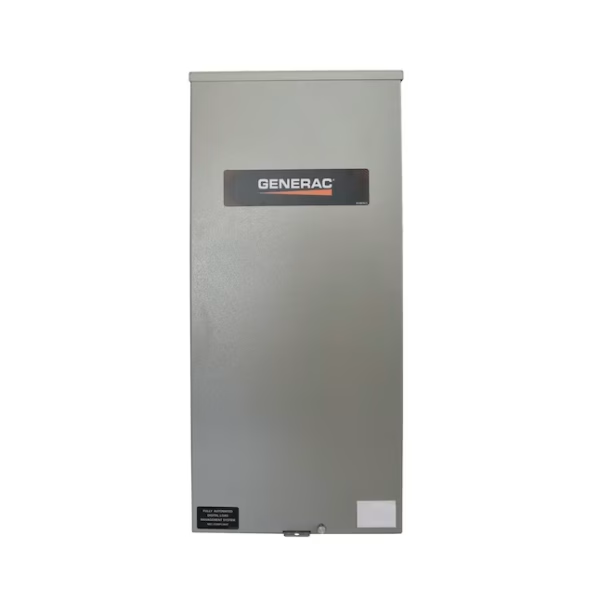
That difference is the biggest practical split in Generac vs Honda home standby ownership, and it matters most in the scenarios people buy backup power for. Storms knock out power at night. Outages start while families are at work or traveling. Sump pumps fail exactly when nobody is watching them. Consequently, homes with medical equipment, frequent travel, or basement flood risk lean strongly toward standby. Homes where someone is usually around can work a portable comfortably. Our transfer switch kits cover both paths.

Pro tip: If you buy a portable now, have your electrician install an inlet box and transfer switch sized for a future standby unit. The wiring work carries over, and you avoid paying twice when you upgrade.
Fuel supply drives the other half of the outage experience.
Fuel and Runtime: Gas Cans vs a Permanent Supply
Fuel is the second major split in the Generac vs Honda home standby decision, because it separates a weekend outage from a week-long one. Honda’s EU7000iS holds 5.1 gallons and runs 6.4 to 16 hours per tank, depending on load, thanks to its Eco-Throttle system. That means refueling once or twice a day during a long outage, and it means keeping fresh gasoline on hand before storms arrive. Gas stations without power cannot pump, so the supply you have when the grid fails is often the supply you get.
By contrast, a Generac standby draws from the fuel already at your house. On natural gas, runtime is effectively continuous. On propane, a 500-gallon tank carries a 22kW unit for several days at half load. Moreover, nothing needs carrying, pouring, or stabilizing. Our natural gas vs propane generator comparison explains how to choose between the two fuels.
| Factor | Generac standby | Honda portable |
|---|---|---|
| Fuel source | Natural gas line or propane tank | Gasoline you buy and store |
| Refueling during an outage | None on natural gas | Every 6 to 16 hours |
| Storage requirements | None beyond the existing supply | Stabilized fuel, rotated regularly |
| Long-outage behavior | Runs unattended for days | Depends on fuel you can source |

On noise and safety, meanwhile, Generac vs Honda home standby tilts back toward Honda.
Noise, Placement, and Carbon Monoxide Safety
Honda wins clearly on sound. The EU7000iS runs at 52 to 58 dB(A) depending on load, quieter than a normal conversation. Generac rates its 10kW at 61 dB(A) and its 22 to 28kW Next Generation units at 67 dB(A) under normal load, with a 55 dB(A) low-speed exercise mode. Those are respectable numbers for whole-home output, yet the Honda is still the quieter machine.
Meanwhile, safety works differently for each category. A Generac standby installs permanently, as close as 18 inches from the structure, with exhaust engineered to vent away from the building. A portable must run outdoors, far from windows, doors, and vents, because carbon monoxide kills. Honda addresses that with CO-MINDER, which shuts the engine down when CO builds up. Still, the burden of safe placement falls on the operator every single time.

Weighing standby against a portable for your home?
Send us your must-run circuits and fuel type. Our electrician-led team carries both Generac and Honda and will match the right unit. Talk to IB Lighting.
Warranty, Service, and Long-Term Ownership
Warranty terms follow the categories here as well. Honda backs most generator models with a 3-year limited warranty, with HondaCare protection plans extending total coverage to as much as six years. Generac covers its air-cooled standby generators for five years, though the coverage narrows over time. Parts, labor, and limited travel apply in years one and two, parts only in year three, then engine and alternator parts in years four and five.
Ownership costs differ as well. A Honda portable needs oil changes, fuel management, and off-season storage, and you handle all of it. A Generac standby exercises itself weekly, reports status through Mobile Link, and needs annual service from a qualified technician. Neither is maintenance free. However, only one of them needs you to remember anything during a storm. Review the details in Honda’s warranty information and Generac’s 5-year air-cooled warranty.
| Factor | Generac standby | Honda portable |
|---|---|---|
| Standard warranty | 5-year limited, tiered coverage | 3-year limited |
| Extended coverage | Plans through service providers | HondaCare, up to six years total |
| Routine upkeep | Annual service, weekly self-exercise | Owner-managed oil, fuel, and storage |
| Moves with you | No, it stays with the house | Yes |
With every factor compared, a short framework settles the Generac vs Honda home standby decision.
The MATCH Method for Choosing Your Backup
The MATCH Method is IB Lighting’s five-point process for settling Generac vs Honda home standby for a specific household. It works because the two products fail in different ways, not because one is better built. Our electrician-led team walks buyers through the same five checks, and we sell both categories, so the answer follows the house rather than the brand.
First, start with the loads you must keep running, because capacity rules out one option fast. Then consider availability, since automatic starting only matters if nobody is home to pull a cord. Fuel and time come next. Finally, weigh your comfort with hands-on operation during a storm. When the letters agree, the choice is obvious. In our experience, most Generac vs Honda home standby questions settle on the first two letters alone. When they split, the finder below weighs them for you.
- Must-run loads: central air or a well pump points to standby.
- Availability: frequent travel or medical equipment points to automatic starting.
- Time: outages beyond a day favor a permanent fuel supply.
- Connection: both paths need a transfer switch or interlock installed properly.
- Hands-on tolerance: refueling in a storm is the real cost of a portable.

If the tool pointed you toward a portable, the next section explains why that is often the smarter buy.
When Is a Honda Portable the Better Buy?
A Honda portable is the better buy more often than standby marketing suggests. It wins when outages are short and infrequent, when someone is usually home, and when the must-run list is a refrigerator, lights, internet, and a furnace blower. It also wins when you rent, when you may move soon, or when a homeowners association or lot line makes a permanent installation difficult. Portability itself is a real feature, since the same unit powers a jobsite, an RV, or a tailgate.
Finally, budget matters. A standby install adds an electrician, a gas fitter, a pad, a transfer switch, and permits on top of the generator. A portable needs an inlet box and a transfer switch, and the rest is the machine itself. So for many households, the honest answer to Generac vs Honda home standby is a well-chosen portable plus the wiring to use it safely. Browse both paths in our portable and inverter generators collection.
Choose a Honda portable when:
- Your outages usually last hours rather than days.
- Someone is normally home to start and connect it.
- Essentials matter more than central air conditioning.
- You rent, may move, or want the generator for other uses.
Choose a Generac standby when:
- Central air, a well pump, or medical equipment must run.
- Outages regularly last more than a day.
- Nobody is reliably home when the power fails.
- You have a natural gas line or room for a propane tank.
Still deciding between standby and portable?
Call (800) 674-9019 with your must-run circuits and fuel type. We carry both and will point you to the right one. Contact IB Lighting
Frequently Asked Questions
Does Honda make a home standby generator?
No. Honda Power Equipment builds portable and inverter generators, not automatic home standby units. Its own website contrasts portables with home standby generators, describing standby units as a separate category that starts automatically and connects to natural gas or propane. For automatic whole-home backup, you need a brand that builds standby systems, such as Generac.
Which is better, Generac or Honda?
They serve different jobs. In the Generac vs Honda home standby comparison, Generac wins for automatic whole-home backup on natural gas or propane. Honda wins for quiet, portable, gasoline-powered essentials backup that you can take anywhere. Capacity, availability during outages, and fuel supply usually decide which one fits your household.
Can a Honda generator power a whole house?
Not a typical one. Honda’s largest model, the EU7000iS, delivers 5,500 running watts, about 23 amps at 240 volts. That covers a refrigerator, lights, internet, and a furnace blower, but not central air conditioning alongside them. A Generac 22kW, by comparison, supplies 92 amps on propane for true whole-home coverage.
Can you connect a Honda portable to an automatic transfer switch?
No Honda portable connects to an automatic transfer switch from the factory. Portables connect through a manual transfer switch or a listed interlock kit with an outdoor inlet box, and someone must start the generator. Automatic transfer switches pair with standby units that include the control wiring and start signal.
Is a Honda generator quieter than a Generac?
Yes. The Honda EU7000iS runs at 52 to 58 dB(A) depending on load. Generac rates its 10kW standby at 61 dB(A) and its 22 to 28kW units at 67 dB(A) under normal load. Generac’s low-speed exercise mode drops to 55 dB(A), but the Honda inverter stays quieter in regular operation.
How long can a Honda generator run during an outage?
The EU7000iS runs 6.4 to 16 hours on its 5.1-gallon tank, depending on load. That means refueling once or twice a day in a long outage, and stations cannot pump gasoline without power. A Generac standby on natural gas runs continuously, and a 500-gallon propane tank supports several days.
What warranty comes with each brand?
Honda backs most generator models with a 3-year limited warranty and offers HondaCare plans up to six years total. Generac covers air-cooled standby generators for five years: parts, labor, and limited travel in years one and two, parts in year three, and engine and alternator parts in years four and five.
Which backup option fits my home?
It depends on must-run loads, whether someone is home during outages, available fuel, and how hands-on you want to be. Whole-home coverage with central air points to a Generac standby, while essentials backup with gasoline on hand points to a Honda portable. The interactive finder in this guide weighs all four factors in under a minute.
When should I hire a professional for backup power?
Hire a licensed electrician for any connection to house wiring, including inlet boxes, interlock kits, and transfer switches. Standby installations also need gas piping, permits, and inspection. IB Lighting’s electrician-led team carries both Generac standby units and Honda portables and can match either to your home. Contact our team for guidance.
Conclusion
Generac vs Honda home standby compares two categories rather than two rivals. First, Honda does not build automatic standby generators, so any page promising one is wrong. Second, Generac covers whole homes at 10kW to 28kW with automatic starting and a permanent fuel supply. Third, Honda offers the quietest, most portable essentials backup available, and that suits plenty of households. Run the MATCH Method, then choose between a standby system and portable generator backup with the wiring to use it safely.
Ready to set up backup power before the next outage?
Shop Generac standby units and Honda portables with expert support before and after purchase. Free Freight Insurance Included. See your exclusive price in cart. Shop Home Standby Generators
🚚 Nationwide Delivery | 🛡️ Free Freight Insurance Included | 🏠 Family-Owned and Operated | 🔒 Secure Checkout. Final pricing available in cart due to manufacturer advertising policies.
This article was last reviewed and updated in {{UPDATED}} to reflect current Honda and Generac product lineups, specifications, and Generac vs Honda home standby buying considerations. Explore our Expert Advice library, the IB Lighting shop, or the IB Lighting home page. Generac, Honda, EU7000iS, CO-MINDER, and Mobile Link are trademarks of their respective owners. IB Lighting is an independent reseller.


