
















Generac vs Honeywell Standby Generator: Honest 2026 Guide


Generac vs Honeywell Standby Generator: Honest 2026 Guide
🕑 {{READ_TIME}} min read Updated: {{UPDATED}} Table of Contents Generac vs Honeywell Standby Generator: The Honest Answer Who Actually Made Honeywell Standby Generators? What Was Actually Different Between...
- Generac vs Honeywell standby generator is a comparison between a brand and its own rebadged units, because Generac built the Honeywell line.
- Generac states that Honeywell home generators share the same internal parts, engines, alternators, and power ratings as Generac units.
- Honeywell standby models such as the 22kW 7065 and 24kW 7213 are discontinued, and no new units are sold.
- Most Generac-certified technicians can service Honeywell units, and Generac service parts typically fit, so owners are not stranded.
- A Honeywell 22kW produced 19.5kW on natural gas, while today’s Generac 22kW produces 21kW from the same badge family.
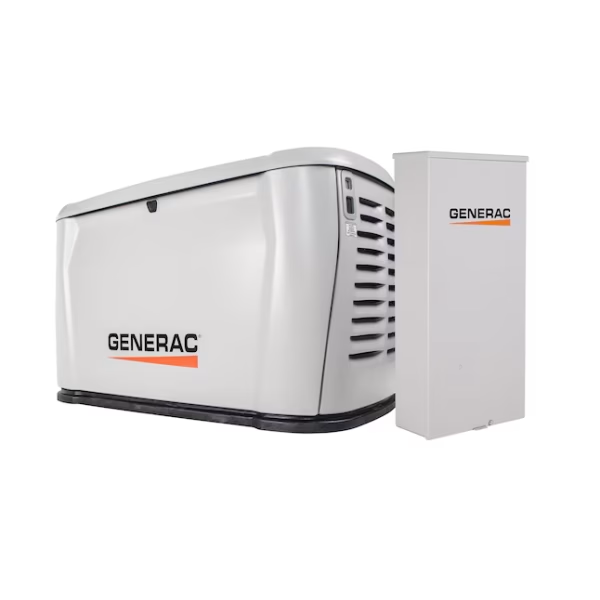
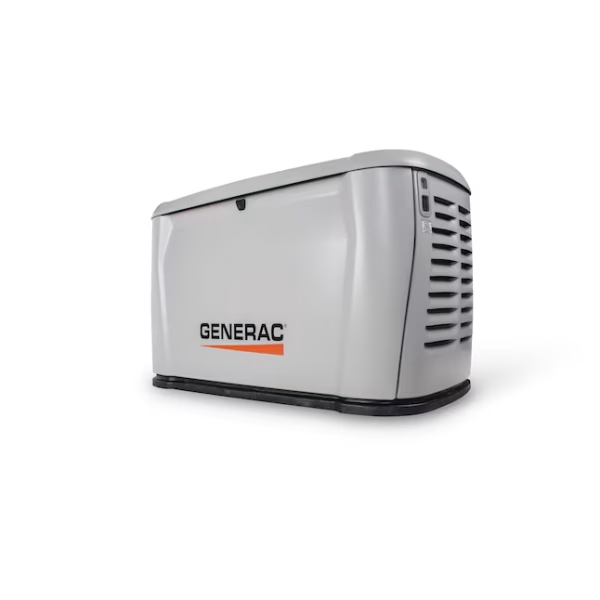
Generac vs Honeywell standby generator is not a contest between two manufacturers. Generac built the Honeywell home standby line, and Generac says the differences were cosmetic. Honeywell models are now discontinued, so the practical question is whether to service an existing unit or replace it with a current Generac.
Founded in 2013 by a licensed Master Electrician, IB Lighting ships Generac home standby generators nationwide. Honeywell owners write to us often, usually asking whether their unit is orphaned or whether parts still exist. The answer is better than most expect. Below, our electrician-led team uses Generac’s own published support material and the original Honeywell spec sheets to explain what you own and what to do next.
Generac vs Honeywell Standby Generator: The Honest Answer
In the Generac vs Honeywell standby generator comparison, the two are the same machine under different badges. Generac’s Honeywell support page states that every Honeywell whole home generator has the same internal parts as a Generac home standby unit, including the same power ratings, engines, and alternators. It also says the only key differences are cosmetic: the logo, the color, small design details, and warranty length. (Generac, 2026)
The original Honeywell literature says the same thing from the other direction. The Honeywell home generator spec sheets carry the line that the product is manufactured by Generac Power Systems. So nobody is hiding it. Today, though, the Honeywell badge is gone from new sales, which changes what buyers and owners should actually do. The table below sums up where things stand. In short, you are choosing between a current unit and an older one built in the same plant.
| Factor | Generac | Honeywell |
|---|---|---|
| Manufacturer | Generac Power Systems | Generac Power Systems |
| Engine and alternator | G-Force engines | Same G-Force engines |
| Power ratings | Matched by kW | Same ratings as Generac equivalents |
| Controller naming | Evolution | Sync 2.0, the same hardware |
| Availability today | Current lineup, 10kW to 28kW | Discontinued |
| Warranty on new units | 5-year limited, tiered | None, the line ended |
| Service | Authorized service network | Most Generac-certified technicians |
| Parts | Generac parts | Generac parts, often identical |
Next, the manufacturing history explains why the two lines were identical in the first place.
Who Actually Made Honeywell Standby Generators?
Generac made them. Honeywell licensed its name to a generator line that Generac engineered, built, and supported, which is why the spec sheets list Generac Power Systems as the manufacturer and note that Honeywell International makes no representation about the product. Generac’s support page adds that every Honeywell home generator was engineered and assembled in the United States alongside Generac standby units.
Brand licensing like this is common, yet buyers rarely know about it. As a result, plenty of homeowners believe they bought a competing brand and now own an orphan. In practice, they own a Generac with a different sticker. That single fact changes how every Generac vs Honeywell standby generator repair gets priced. That is good news for owners, because support follows the builder rather than the badge. You can read the confirmation directly on Generac’s Honeywell home generator support page.

What Was Actually Different Between Them
What most guides get wrong: several comparison articles treat Honeywell and Generac as rival manufacturers with different engineering, reliability records, and engine sources. That framing is simply wrong, and it leads owners to buy the wrong parts or to assume repairs are impossible.
In reality, the differences were surface level. Honeywell units wore a different logo and color scheme. The controller carried a different name, Sync 2.0 rather than Evolution, on the same hardware generation. Warranty terms varied slightly between the two badges, with some Honeywell models carrying a five-year premium limited warranty. Meanwhile, the engine, alternator, enclosure construction, and kilowatt ratings tracked the Generac equivalents.
Knowing that, the next question is whether you can still buy one.
Can You Still Buy a Honeywell Standby Generator?
No, not new. The Honeywell home standby line has been discontinued, and retailer listings for the final models show it plainly. The 22kW model 7065 and the 24kW model 7213 both appear as discontinued at the Honeywell Store, with no replacement models offered. Distributors that once carried the brand now list no Honeywell standby products at all.
Support, however, did not disappear with the badge. Generac continues to publish manuals, parts information, and service requests for Honeywell units through its own support channels. Therefore, owning a discontinued Honeywell unit is very different from owning an abandoned one. Parts flow through Generac channels, and manuals stay online. In a Generac vs Honeywell standby generator decision, that support path is the deciding detail for most owners. See the original listing state on the Honeywell 22kW 7065 product page.
For owners, that support picture is what matters most day to day.
Parts and Service for Honeywell Owners
Parts and service are the practical upside of the Generac vs Honeywell standby generator overlap. Generac states that because Honeywell generators use identical internal components, finding replacement parts is often quick and easy, and that most local Generac-certified technicians are fully qualified to service Honeywell units. That covers the parts homeowners actually replace: batteries, spark plugs, air filters, oil filters, and scheduled maintenance kits.
Service kits follow engine size rather than badge. A Honeywell 20kW with the 999cc engine, for example, uses the same Generac maintenance kit as the matching Generac unit. Keep your model and serial numbers handy, since they identify the exact engine and controller generation. Our Generac generator accessories and kits collection covers the common service items. Order by engine size and controller type, not by the badge on the door.

Transfer Switch and Controller Compatibility
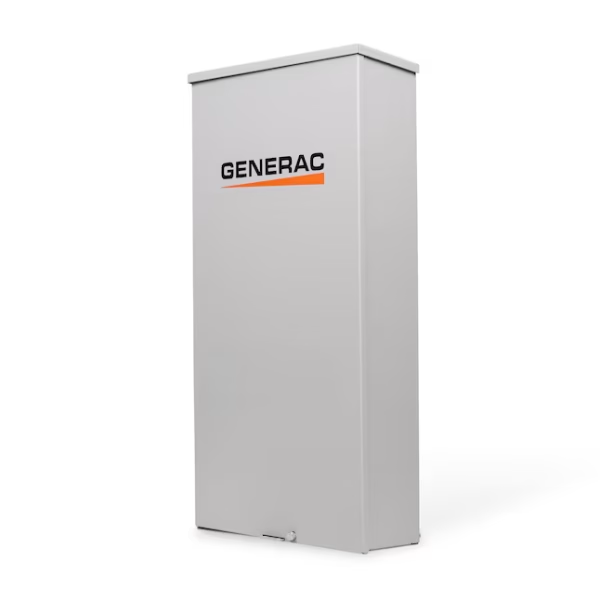
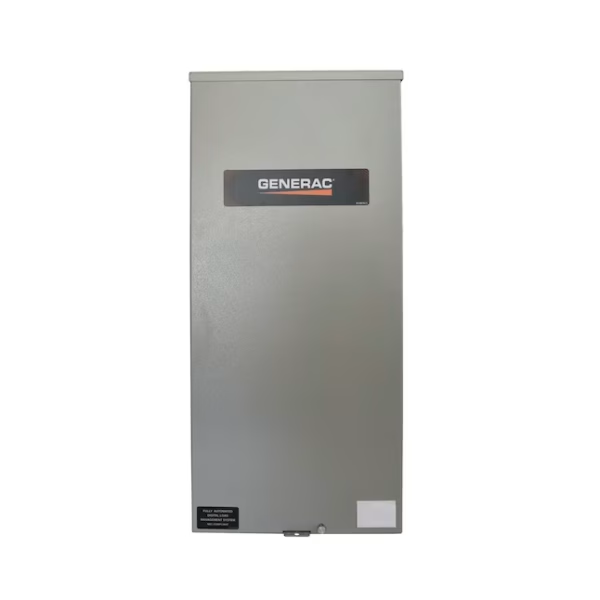
Two components deserve a closer look before you order anything. The first is the transfer switch. Honeywell units shipped with Honeywell-branded switches, and some retailers advise pairing like with like, so confirm compatibility with a technician before mixing brands on a control connection.
The second is the controller. Honeywell air-cooled units used the Sync 2.0 controller, matching Generac’s Evolution generation, while older units used earlier boards. Controller type sets which accessories work. That includes Mobile Link monitoring on Wi-Fi-era models and cold weather kits such as breather heaters. So check your controller before buying add-ons.
That same generational gap explains why a new unit outperforms an older one.
Honeywell 22kW vs Today’s Generac 22kW
The clearest way to see a decade of change is to compare a Honeywell 22kW with the current Generac 22kW. The Honeywell 7065 was rated 22kW on propane and 19.5kW on natural gas, with the Sync 2.0 controller and optional Wi-Fi monitoring. Generac’s Guardian 7043, its direct twin, carried the identical 22kW and 19.5kW ratings with the Evolution controller. Today’s Next Generation 22kW delivers 22kW on propane and 21kW on natural gas.
That natural gas gain matters, because most homes run on natural gas. In addition, the current generation adds cellular connectivity as standard, electronic fuel and ignition control, and a 28kW air-cooled option that did not exist when Honeywell units were sold. So the upgrade case is not only about age. It is about capacity and monitoring you cannot retrofit. That is where Generac vs Honeywell standby generator shifts from a history lesson to a buying decision.
| Specification | Honeywell 7065 | Generac Guardian 7043 | Generac Next Generation 22kW |
|---|---|---|---|
| Propane output | 22kW | 22kW | 22kW |
| Natural gas output | 19.5kW | 19.5kW | 21kW |
| Controller | Sync 2.0 | Evolution | Power Zone 200 |
| Monitoring | Mobile Link, Wi-Fi models | Mobile Link, Wi-Fi | Cellular standard |
| Status | Discontinued | Previous generation | Current |
Not sure whether to service or replace your Honeywell unit?
Send us the model and serial numbers plus your load list. Our electrician-led team will map the options. Talk to IB Lighting.
Should You Repair or Replace an Aging Honeywell Unit?
Repair usually wins while the unit is healthy and under about 15 years old. These units log very few hours in a typical year. So calendar age and service history matter more than run time. A unit that starts, exercises weekly, and passes its self-test is worth keeping, because parts are available and technicians are common. In other words, age alone is not a reason to replace it.
However, a new unit wins when repairs stack up or when your loads have grown. A failed control board, a worn engine, or rust at the base changes the math fast. Likewise, a home that added central air, an EV charger, or an electric water heater may have outgrown the original sizing. Run the numbers with our standby generator sizing calculator guide before deciding. A written quote beats a guess every time.
- Repair when the unit runs, parts are in stock, and the quote is a fraction of replacement.
- Move on when the controller or engine fails on a unit past 15 years.
- Replace when your load list has grown beyond the original kilowatt rating.
- Replace when you want cellular monitoring, which older controllers cannot add.

Pro tip: Photograph the data tag on the generator before you call anyone. Model, serial, and kilowatt rating identify the Generac equivalent instantly, which speeds up parts lookups and gets you an accurate quote on the first call.
Some buyers face the opposite question: whether to buy someone else’s Honeywell unit.
Is a Used Honeywell Generator Worth Buying?
A used Honeywell unit can be a reasonable buy, with conditions. Since the internals are Generac, service and parts are not the problem. The risks are unknown history, expired warranty, and install cost. Moving one is not a weekend project. It needs an electrician, a gas connection, a pad, and permits, and those costs apply whether the unit is new or used.
So judge a used unit like used machinery, not like a bargain. For example, ask for service records, run-hour readings from the controller, and a video of a successful start and self-test. Check the base for rust, since rust there points to standing water. Finally, price the install before you agree to anything. Then compare the total against a new unit with a fresh 5-year warranty. In many Generac vs Honeywell standby generator cases, that math favors buying new.
Check these items before buying any used standby generator:
- Run hours and maintenance history from the controller and paperwork.
- Controller generation, which sets accessory and monitoring compatibility.
- Enclosure condition, especially corrosion along the base.
- Whether a matching transfer switch comes with it.
- Total installed cost, including electrician, gas work, and permits.
A simple framework keeps any rebadged-brand decision straight.
The BADGE Check for Any Rebadged Generator
The BADGE Check is IB Lighting’s five-point method for evaluating a rebadged generator, and it settles the Generac vs Honeywell standby generator question in minutes. Our electrician-led team runs the same checks when owners send us photos of a data tag. The method works for any licensed brand, not just Honeywell, because the questions target manufacturing and support rather than marketing.
First, confirm who built the unit, since that sets every answer after it. Then establish age and hours. Manuals come next, then parts, which is where orphan brands actually fail. Last, find the current model that matches yours, so you can compare what you own against what you could buy. When all five check out, servicing an older unit is a sound decision. When two or more fail, start pricing a new one instead.
- Build: confirm the actual manufacturer on the data tag and spec sheet.
- Age and hours: read the controller and the install date.
- Documentation: locate manuals and wiring diagrams before you need them.
- Genuine parts: verify the maintenance kit and common parts are stocked.
- Equivalent: identify today’s model that matches your kilowatt rating.

With the checks done, the Generac vs Honeywell standby generator buying decision is short.

Which Should You Choose Today?
If you are buying new, the Generac vs Honeywell standby generator choice makes itself, because only Generac still sells the product. You get a current controller, higher natural gas output, cellular monitoring, and a fresh 5-year limited warranty that covers parts, labor, and limited travel in the first two years. Honeywell units, by contrast, are secondhand purchases with no factory warranty remaining.
If you already own a Honeywell unit, keep it in service as long as it runs well. Nothing about the badge makes it inferior, and Generac supports it. Instead, service it on schedule, photograph the data tag for parts lookups, and plan a new unit when age, capacity, or repair costs turn the corner. Either way, size the unit to your real loads rather than to a number you remember. That single step settles most Generac vs Honeywell standby generator questions.
Buy a current Generac when:
- You are shopping new, since Honeywell standby units are discontinued.
- Your home runs on natural gas and you want the higher current rating.
- You want cellular monitoring rather than Wi-Fi alone.
- You need an air-cooled unit above 22kW.
Keep your Honeywell unit when:
- It starts, exercises, and passes its self-test.
- Its kilowatt rating still covers your must-run loads.
- Maintenance records are current and parts are available.
- A repair quote comes in well under replacement cost.
Ready to compare your Honeywell unit against a current model?
Call (800) 674-9019 with the model and serial from the data tag. We will identify the equivalent and size the replacement. Contact IB Lighting
Frequently Asked Questions
Are Honeywell and Generac generators the same?
Essentially, yes. Generac manufactured the Honeywell home standby line and states that Honeywell units share the same internal parts, engines, alternators, and power ratings as Generac models. The differences were cosmetic, covering the logo, color scheme, minor design details, and warranty duration. In the Generac vs Honeywell standby generator comparison, the hardware is common.
Who makes Honeywell standby generators?
Generac Power Systems. Honeywell licensed its brand name for the generator line, and the original Honeywell spec sheets state that the product is manufactured by Generac Power Systems. Generac’s own support site confirms it and continues to support Honeywell-manufactured units with manuals, parts, and certified technicians.
Can I still buy a new Honeywell standby generator?
No. Honeywell home standby models, including the 22kW 7065 and the 24kW 7213, are discontinued, and retailers list them as no longer available. Distributors that carried the brand now show no Honeywell standby products. If you want a new unit with that hardware, you are buying a current Generac.
Do Generac parts fit a Honeywell generator?
Usually. Generac states that Honeywell generators have identical internal components, so replacement parts are often quick and easy to source. Maintenance kits follow engine size, such as the 999cc air-cooled engine. Confirm the exact match using your model and serial numbers, and check transfer switch compatibility with a technician before mixing brands.
Who can service a Honeywell standby generator?
Generac states that most local Generac-certified technicians are fully qualified to service Honeywell standby units. That is one of the biggest advantages of owning a rebadged unit rather than a true orphan brand. Generac also provides manuals and a service request path for Honeywell owners through its support pages.
Is a Honeywell generator still worth keeping?
Yes, if it runs well and still covers your loads. Standby generators accumulate few hours per year, so a maintained unit can last a long time. Replacement makes sense when the controller or engine fails on an older unit, when your loads have grown, or when repair quotes approach the cost of a new generator.
How much natural gas output did older units lose?
A Honeywell 22kW produced 19.5kW on natural gas, matching the Generac Guardian 22kW of the same era. Today’s Generac Next Generation 22kW produces 21kW on natural gas. That 1.5kW difference matters in homes where natural gas is the only fuel and the generator runs near its rating.
Should I maintain, repair, or replace my unit?
It depends on age, symptoms, and whether your loads have outgrown the unit. A healthy unit under 15 years old is usually worth maintaining. Faults deserve a diagnosis and written quote first. The interactive tool in this guide walks through those four questions and returns a recommendation in under a minute.
When should I hire a professional for generator work?
Hire a licensed electrician for any transfer switch or panel work, and a qualified technician for controller diagnostics, fuel system service, and warranty repairs. Generator work involves both high voltage and fuel. IB Lighting’s electrician-led team can identify your unit’s Generac equivalent and size a replacement. Contact our team for help.
Conclusion
Generac vs Honeywell standby generator ends up being a question about one manufacturer. First, Generac built the Honeywell line, and its own support page confirms the shared internals, engines, and ratings. Second, Honeywell standby models are discontinued, so new buyers are choosing a current Generac either way. Third, existing Honeywell owners are in good shape, since Generac parts fit and certified technicians can service the units. Run the BADGE Check, photograph the data tag, and replace only when age, capacity, or repair costs justify it.
Ready to replace an aging unit with current hardware?
Shop Generac home standby generators with expert support before and after purchase. Free Freight Insurance Included. See your exclusive price in cart. Shop Home Standby Generators
🚚 Nationwide Delivery | 🛡️ Free Freight Insurance Included | 🏠 Family-Owned and Operated | 🔒 Secure Checkout. Final pricing available in cart due to manufacturer advertising policies.
This article was last reviewed and updated in {{UPDATED}} to reflect current Generac support policies, discontinued Honeywell models, and Generac vs Honeywell standby generator ownership guidance. Explore our Expert Advice library, the IB Lighting shop, or the IB Lighting home page. Generac, Guardian, Honeywell, Mobile Link, and Sync are trademarks of their respective owners. IB Lighting is an independent reseller.


