Expert Advice, HVAC Heating & Cooling

GFCI for Outdoor AC Unit Circuits: What the Code Now Requires

GFCI for outdoor AC unit showing the branch circuit from the panel through the disconnect to the outdoor condenser with the protective device at the panel
Expert Advice

GFCI for Outdoor AC Unit Circuits: What the Code Now Requires

Short answer: In most of the country, GFCI for outdoor AC unit circuits now fall under NEC 210.8(F). NEC 210.8(F) covers outdoor outlets at dwellings on single-phase circuits...

GFCI for Outdoor AC Unit Circuits: What the Code Now Requires

Short answer: In most of the country, GFCI for outdoor AC unit circuits now fall under NEC 210.8(F). NEC 210.8(F) covers outdoor outlets at dwellings on single-phase circuits at 150 volts or less to ground, which includes the ordinary 240 volt circuit feeding a condenser, heat pump or mini split. The exception that let listed HVAC equipment skip it expired on September 1, 2026. The code is not retroactive, so an existing unit does not need a retrofit, but replacing that unit brings the circuit up to the current rule.

GFCI for Outdoor AC Unit Circuits Is Now the Default

For most of the last six years an outdoor condenser sat in an odd position. The code section covering outdoor outlets at dwellings reached it on paper, and an exception written for listed HVAC equipment kept it out in practice. That exception ran out on September 1, 2026, and nothing replaced it. The equipment did not change and the wiring did not change, but the answer a homeowner gets from an inspector did.

So GFCI for outdoor AC unit circuits is now the default answer rather than the exception, in every jurisdiction that enforces the section without a local amendment. That last clause carries real weight, because adoption is a state and local matter and the edition in force where you live decides the outcome. The rest of this guide works through who is caught, who is not, and what you actually have to buy.

Two trade associations asked for more time and were refused. The practical position for anyone wiring equipment this season is that the requirement applies, and planning around a reprieve that may never arrive is a poor way to pass an inspection.

What the GFCI for Outdoor AC Unit Rule Actually Covers

The section is narrower than its reputation suggests, and the limits are worth knowing because they decide whether your job is in or out. It reaches dwellings, outdoor outlets, and single-phase branch circuits at 150 volts or less to ground, up to an ampere ceiling that moves with the code edition. Three-phase equipment sits outside it at any rating, and so does anything above the ceiling.

The voltage limit catches people out. An ordinary 240 volt residential circuit comes off a 120/240 volt service, so each leg sits at 120 volts to ground, comfortably inside the 150 volt limit. The circuit is 240 volts between the legs but the section measures to ground, which is why GFCI for outdoor AC unit circuits applies to equipment almost everyone assumes is too large for a residential GFCI rule.

Chart showing which outdoor HVAC equipment falls inside NEC 210.8(F) by branch circuit ampere rating from mini splits to light commercial
Where typical equipment falls against the ampere ceiling that decides GFCI for outdoor AC unit requirements.

One more point of vocabulary. The section says outlet, not receptacle, and an outlet is any point where current is taken to supply equipment. A hardwired condenser with no receptacle anywhere near it still has an outlet, so the absence of a plug is not the escape hatch people hope it is.

The Exception That Expired, and Why It Is Not Coming Back

The GFCI for outdoor AC unit rule arrived in the 2020 edition, and the industry pushed back almost immediately on the grounds that HVAC equipment and residential GFCI devices did not get along. An amendment answered that by excepting listed HVAC equipment for a fixed period, and the clock on that reprieve ran out on September 1, 2026. Until that date the question of GFCI for outdoor AC unit circuits barely came up on a job site at all.

A proposal to carry the exception through to 2028 went to the code-making panel and failed, deadlocking on a tied vote rather than losing outright. Both the contractors’ association and the equipment manufacturers’ institute have appealed to the standards council, one on technical grounds and one on procedure. Neither appeal suspends the section, so the requirement stands in the meantime while the council hears them.

Timeline showing NEC 210.8(F) arriving in 2020, the HVAC exception being added, its expiry on September 1 2026, and the rejected extension
The six-year run of the exception that kept GFCI for outdoor AC unit rules off most job sites.

The early field reports on GFCI for outdoor AC unit installations are quieter than the debate would suggest. One state inspection authority reported no HVAC compatibility problems in the weeks after the expiry, alongside significant use of newer high-frequency rated devices. That is one state and a short window, so it settles nothing, but it is a better guide than the worst predictions.

Check Whether the GFCI for Outdoor AC Unit Rule Reaches Your Job

The tool below asks three questions about the GFCI for outdoor AC unit job in front of you, and the last one changes the answer most. Whether the unit is new, being replaced, or simply sitting there working is the single biggest factor in what you owe, and it is the question most guidance skips entirely. The code edition your jurisdiction enforces comes a close second.

It returns whether the section reaches your circuit, which device satisfies it, and what the result turns on, and it refuses to give a straight yes where the honest answer depends on a local amendment. Treat it as a way to walk into the building department with the right question rather than as a substitute for asking. The GFCI for outdoor AC unit answer it gives is only ever as good as the edition you feed it.

IB Lighting Tool

Outdoor HVAC GFCI Checker

Three questions settle whether GFCI for outdoor AC unit circuits is required on your job, because the answer turns on the code edition your jurisdiction enforces rather than on the equipment itself.

Step 1 of 3

Which NEC edition does your jurisdiction enforce?

The adopted edition, not the newest one published. Your building department will tell you, and many states amend it.

Step 2 of 3

How is the outdoor unit supplied?

An ordinary 240 volt residential circuit sits at 120 volts to ground, so it is inside the voltage limit.

Step 3 of 3

What is happening at the unit?

This is the question most people skip, and it changes the answer more than anything else here.

Your result

Protection
Code basis
Device

Section 210.8(F) did not exist before the 2020 edition, so an outdoor unit under an older adopted code carries no requirement from this section. The edition your jurisdiction enforces is the one that counts, not the newest one published. Other sections may still reach the circuit, so confirm the adopted edition and any local amendment with the building department before you plan the work.

Section 210.8(F) reaches single-phase branch circuits at 150 volts or less to ground, and it stops at 50 amperes in the 2020 and 2023 editions and at 60 amperes in the 2026 edition. Equipment above that ceiling, or on three phase, sits outside this section in every edition. Everything else still applies, including the installation instructions and the rest of Article 440.

The 2020 and 2023 editions stop at 50 amperes, so a branch circuit rated between 51 and 60 amperes falls outside 210.8(F) under those editions. The 2026 edition raises that ceiling to 60 amperes and would pull this circuit in. This is one of the places where the answer changes with the adoption date rather than with the equipment, so confirm the edition before you order anything.

The adopted edition carries 210.8(F), so a new outdoor unit on this circuit needs GFCI protection. The 2020 edition treated listed HVAC equipment differently from the editions that followed and several states amended it, so confirm the exact wording your inspector works from before you buy the device. Plan the protection into the circuit rather than discovering it at rough inspection.

Replacing the equipment is the moment this rule reaches an older circuit. Where 210.8(F) is adopted, swapping the unit on a covered outlet brings that outlet up to the current requirement even though none of the wiring moved. Put the protective device in the equipment order rather than treating it as an extra, and confirm your inspector’s reading of the 2020 wording first.

The code is not retroactive, so an existing unit nobody has touched does not have to be retrofitted because a rule changed. Your exposure is the next service event. The day that unit is replaced, the outlet comes into scope and the protective device becomes part of the job, which is worth knowing now rather than on the day the compressor fails.

A new outdoor unit on this circuit needs GFCI protection. The exception that let listed HVAC equipment skip it expired on September 1, 2026, and the proposal to extend it to 2028 was rejected by the code-making panel on a tied vote, so the requirement stands while the trade associations’ appeal is pending. Have the device on site before the inspection rather than after it.

This is the case that catches people. The 2023 edition brings a covered outlet up to the current requirement when the equipment it serves is replaced, so a condenser swap on a circuit nobody has touched in twenty years now needs GFCI protection. The listed HVAC exception expired on September 1, 2026, so order the protective device with the equipment rather than after the inspector flags it.

Nothing has to change today. The code is not retroactive and an existing unit left alone stays as it is. What changed on September 1, 2026 is what happens at the next replacement, because that swap pulls the outlet into 210.8(F) and the protective device becomes part of the job. Better to know the number now than to find it out in July.

A new outdoor unit needs protection, and this edition gives you two ways to provide it. Ordinary GFCI protection satisfies the section, and an added exception permits listed Class C SPGFCI protection for listed HVAC equipment instead. Where you take the Class C route the disconnect has to be marked to show it. This edition also raised the ceiling from 50 to 60 amperes.

Replacing the equipment brings the outlet up to the current requirement even on a circuit nobody has touched, so the protective device belongs in the equipment order rather than in a change order. This edition lets you satisfy it with ordinary GFCI protection or with listed Class C SPGFCI protection for listed HVAC equipment, and the Class C route requires the disconnect to be marked accordingly.

An existing unit nobody has touched does not have to be retrofitted, because the code is not retroactive. The requirement arrives at the next replacement. When that day comes this edition gives you two routes, ordinary GFCI protection or listed Class C SPGFCI protection for listed HVAC equipment, with the disconnect marked to show which one the installation used.

This tool reads NEC 210.8(F) for outdoor equipment at a dwelling on a single-phase circuit at 150 volts or less to ground, which includes the ordinary 240 volt circuit fed from a 120/240 volt service. It does not cover commercial occupancies, and local amendments can change the answer in either direction. Your jurisdiction’s adopted edition decides whether GFCI for outdoor AC unit circuits is required on your job, so confirm with the authority having jurisdiction before you buy.

Replacing the Unit Triggers the GFCI for Outdoor AC Unit Rule

Here is the part that catches people, and it is why this matters commercially rather than academically. The code is not retroactive. An outdoor unit installed under an older edition, sitting on a circuit nobody has touched, does not have to be retrofitted because a rule changed. Homeowners hear that and reasonably conclude the whole subject is somebody else’s problem.

It is not, because the 2023 edition brings a covered outlet up to the current requirement when the equipment it serves is replaced. The wiring in the wall never moves. The condenser comes out, a new one goes in, and that swap alone pulls the outlet into scope. A circuit that was compliant on Monday needs GFCI for outdoor AC unit protection on Tuesday, and the only thing that changed is the machine sitting on the pad.

Side by side comparison showing an untouched outdoor unit needing no retrofit and a replaced unit bringing the same circuit into GFCI scope
The same circuit, before and after a swap, and the moment GFCI for outdoor AC unit protection becomes part of the job.

In practice this means the protective device belongs in the equipment order, not in a change order written after the inspector has been and gone. We have watched enough condenser replacements stall at final inspection to say plainly that the device is a small part of the cost and the worst thing to be waiting on. Order it with the unit.

Two Ways to Satisfy the GFCI for Outdoor AC Unit Rule in 2026

The 2026 edition answers the compatibility argument behind the GFCI for outdoor AC unit fight rather than ignoring it. Ordinary GFCI protection still satisfies the section, and a new exception permits listed Class C special purpose ground-fault circuit interrupter protection for listed HVAC equipment as an alternative. Where an installation takes that route, the disconnecting means carries a marking so that anyone who opens it later knows which kind of protection sits upstream.

That marking requirement is not a formality. It is how the next technician works out why the equipment behaves the way it does, and it is the detail most likely to be skipped on a busy day. If you are satisfying GFCI for outdoor AC unit requirements through the Class C route, the label is part of the installation and not an optional extra that the next crew can add later.

Diagram of the two compliance routes under the 2026 NEC, ordinary GFCI protection at the panel or listed Class C SPGFCI with a marked disconnect
The two routes the 2026 edition offers, and the marking that goes with the second one.

One technical caution that costs people money. A device marked HF or HF plus is not automatically a listed Class C device, and the two markings answer different questions. If the plan is to use the Class C exception, confirm the listing on the device itself rather than reading a high-frequency marking as shorthand for it.

The Ampere Ceiling Moved Too

Codes rarely change in only one place, and this section picked up a second revision that is easy to miss behind the headline. The 2020 and 2023 editions reach single-phase circuits rated 50 amperes or less. Under the 2026 edition that rises to 60 amperes. Nothing about the equipment changed and nothing about the wiring changed, but the set of circuits the section covers grew.

For a typical three or five ton condenser this makes no difference, because those sit well inside either ceiling. It matters at the top of the residential range, where a large heat pump on a 60 ampere circuit is outside the section under the 2023 edition and inside it under the 2026 edition. That is the band where GFCI for outdoor AC unit questions get answered differently in two neighbouring counties.

Bar chart of the 210.8(F) ampere ceiling by NEC edition showing no section before 2020, 50 amperes in 2020 and 2023, and 60 amperes in 2026
The ceiling by edition, and the band the 2026 code adds to GFCI for outdoor AC unit coverage.

This is the practical case for taking the GFCI for outdoor AC unit question to the building department rather than reading a national summary. Adoption runs on its own schedule in every state, several amend the section when they adopt it, and the edition in force on the day of your inspection is the only one that counts.

The TRIPS Method: Five Checks Before You Wire It

Five checks settle an outdoor HVAC circuit, and the order matters because the job you are doing decides whether the rest of the questions apply at all. Starting at the device, which is where most people start, means pricing something you may not need or missing something you do. Running the checks in order gives GFCI for outdoor AC unit decisions a single clean pass.

Each step of the GFCI for outdoor AC unit sequence produces one output that feeds the next, so nothing depends on an answer you have not established yet. Where a question cannot be settled from the equipment or the code book, the building department is the place to take it, because local amendments outrank any national summary including this one, and the inspector who signs the job off is the person whose reading actually counts.

Five step TRIPS flowchart with decision diamonds for naming the job and picking the protective device for an outdoor HVAC circuit
The five checks behind a defensible GFCI for outdoor AC unit decision, in the order that saves rework.

T: Trigger, name the job first

Establish whether this is a new installation, a replacement, or working equipment nobody is touching. An untouched unit owes nothing today. New installations and replacements follow the same path, because replacing the equipment brings the outlet up to the current requirement.

R: Rule, find the adopted edition

Ask the building department which edition is in force and whether the state amended the section on adoption. The newest code published is not the code you are inspected against, and several states have written their own answer to this particular section.

I: Inside, test the scope

Confirm the circuit is single phase at 150 volts or less to ground and inside the ampere ceiling for that edition. An ordinary 240 volt residential circuit meets the voltage test. Three-phase equipment and anything above the ceiling sits outside the section.

P: Protect, pick the device

Ordinary protection satisfies the GFCI for outdoor AC unit requirement in every edition that carries it. Under the 2026 edition, listed Class C protection for listed HVAC equipment gives you an alternative. Confirm the listing on the device rather than relying on a high-frequency marking.

S: Sign off, mark and record

Mark the disconnect wherever the installation takes the Class C route, and keep a record of the equipment, the protective device and any trips. Documentation is what turns a nuisance trip into a warranty conversation rather than an argument, and it costs nothing at the time.

What GFCI for Outdoor AC Unit Rules Mean When You Buy Equipment

If you are replacing an outdoor unit this season, the GFCI for outdoor AC unit device now belongs in the scope of work in most of the country. That is a small line on a large invoice, and it is far cheaper to carry it from the start than to discover it at final inspection with a family waiting on cooling. The same goes for the disconnect, which has to be the kind you can mark if the Class C route is in play.

It also changes the conversation about the circuit itself. A replacement is the natural moment to check that the conductor still suits the new equipment, because an inverter driven unit replacing a twenty year old single stage condenser rarely carries the same plate figures. Settling the GFCI for outdoor AC unit question and the conductor question in the same visit saves a second trip.

Equipment, conductors and the rest of the circuit

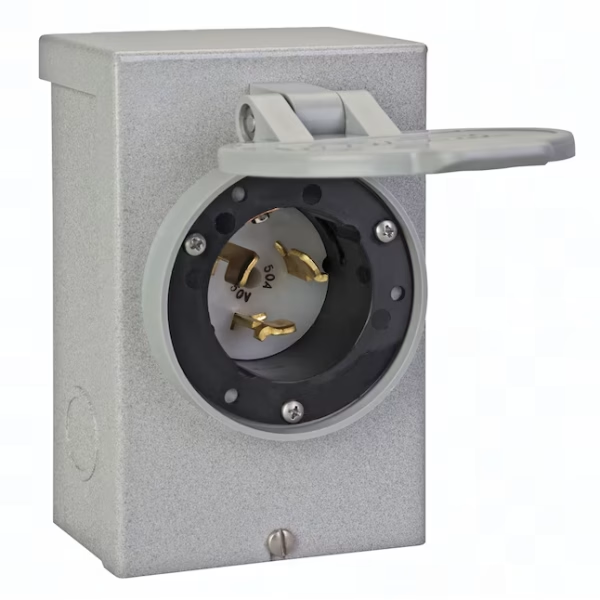
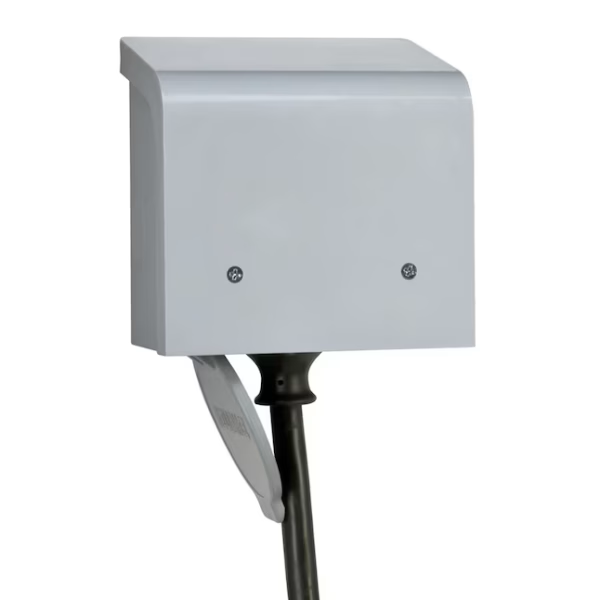
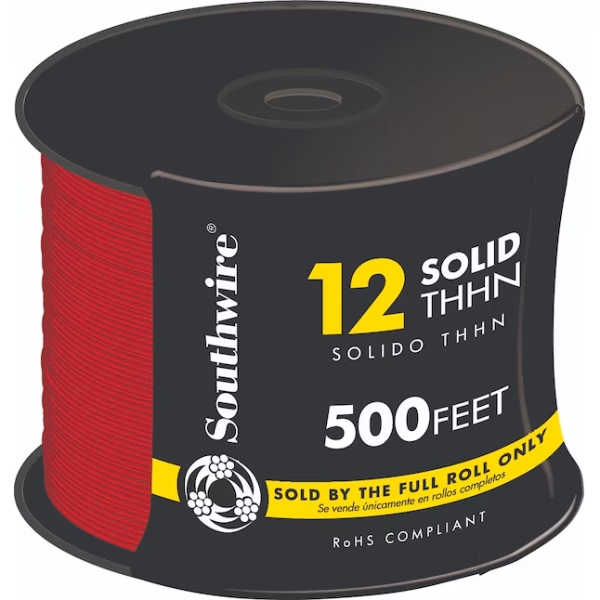
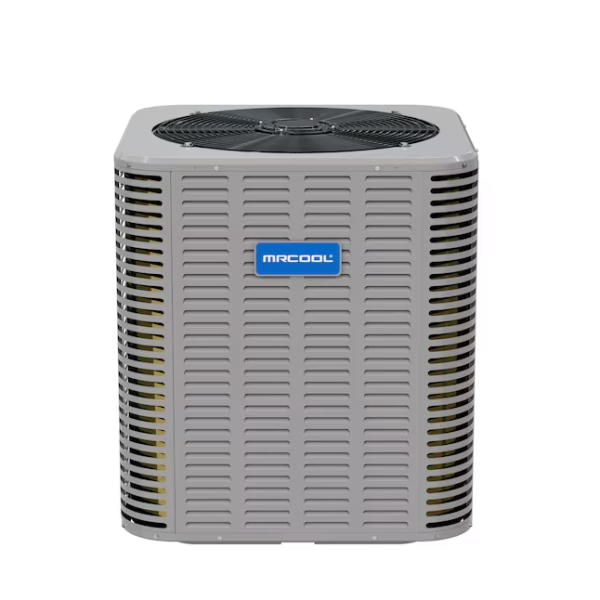
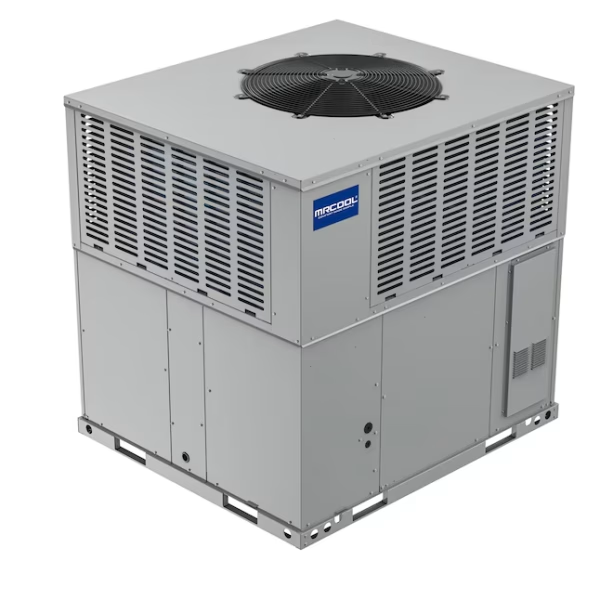
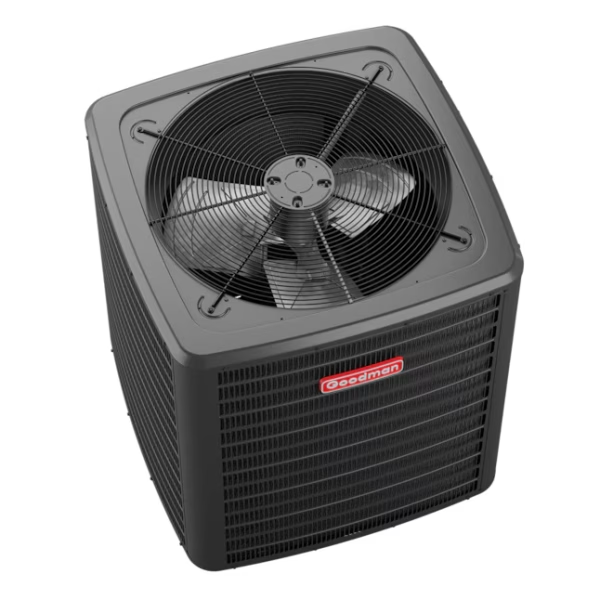
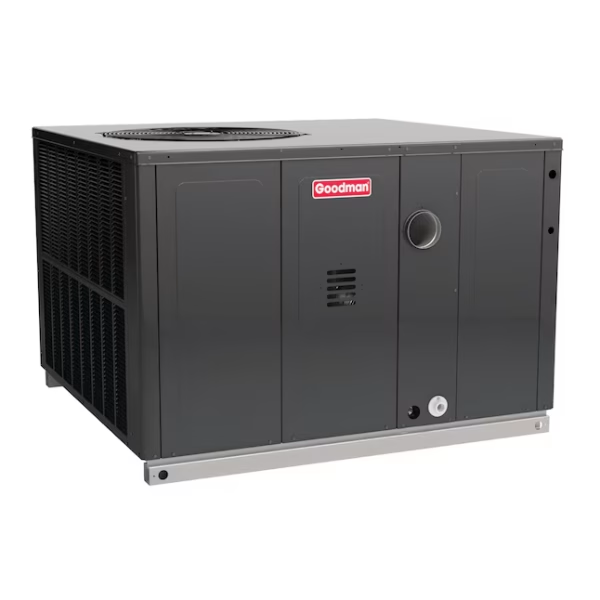
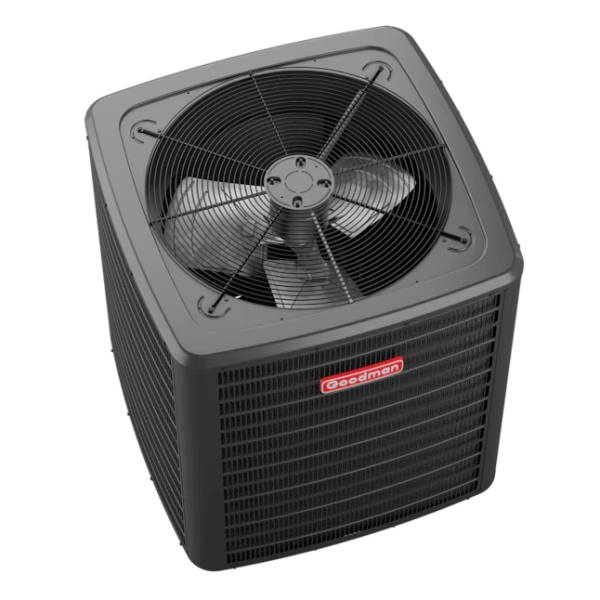
IB Lighting carries outdoor HVAC equipment in the HVAC heating and cooling range, including the Goodman and MRCOOL lines, and the copper branch circuit wire that feeds it in the electrical wire and cable range. If you are specifying a replacement, our team is glad to read the new plate against the old circuit before you order.

Related sizing guides

The conductor is a separate question from the protective device, and these two guides answer it for the most common equipment: wire size for a five ton central AC and wire size for an 18,000 BTU mini split. The electrical wire size chart covers the rest of the house. For the code itself and where this is heading, EC&M has published a working summary of the 2026 changes, the contractors’ association is collecting field reports since the expiry, and Contracting Business has covered the appeal against the rejected extension.

GFCI for Outdoor AC Unit Circuits: Frequently Asked Questions

Does an outdoor AC unit need GFCI protection?

In most of the country, yes. NEC 210.8(F) covers outdoor outlets at dwellings on single-phase circuits at 150 volts or less to ground, which takes in the ordinary 240 volt condenser circuit. The exception that excused listed HVAC equipment expired on September 1, 2026. Local amendments can change this, so confirm with your building department.

Do I have to retrofit my existing air conditioner?

No. The code is not retroactive, so equipment installed legally under an earlier edition stays as it is. The GFCI for outdoor AC unit requirement arrives at the next replacement, because swapping the equipment brings the outlet up to the current rule. Nothing obliges you to touch a working unit that nobody is servicing.

Why does GFCI for outdoor AC unit circuits apply at 240 volts?

Because the section reads 150 volts or less to ground, not 150 volts between conductors. A 240 volt residential circuit comes from a 120/240 volt service, so each leg is 120 volts to ground and sits inside the limit. That is why the section reaches equipment people assume is far too large for a residential GFCI rule.

Does the rule cover mini splits and heat pumps too?

Yes. The section works from the outlet and the branch circuit rather than from a type of appliance, so a ductless outdoor unit or an air source heat pump at a dwelling is treated the same as a conventional condenser. What decides the GFCI for outdoor AC unit answer is the voltage to ground, the phase and the ampere rating of the circuit.

What is a Class C SPGFCI and do I need one?

It is a special purpose ground-fault circuit interrupter that the 2026 edition permits as an alternative to ordinary GFCI protection for listed HVAC equipment. You only have that option where your jurisdiction enforces the 2026 edition, and the disconnect carries a marking to show the GFCI for outdoor AC unit protection took that route. A device marked HF is not automatically a listed Class C device.

What is the ampere limit on this requirement?

Fifty amperes or less under the 2020 and 2023 editions, and 60 amperes or less under the 2026 edition, on single-phase circuits. Equipment above the ceiling for the adopted edition sits outside the section, as does anything on three phase. Most residential condensers and heat pumps sit well inside either figure, so the GFCI for outdoor AC unit rule reaches them under any of the three editions.

My unit is hardwired with no receptacle. Does that exempt it?

No. The section says outlet rather than receptacle, and an outlet is any point where current is taken to supply equipment. A hardwired condenser still has an outlet whether or not a plug exists anywhere on the circuit, so the absence of a receptacle does not take the installation outside the GFCI for outdoor AC unit rule.

Will the exception be brought back?

Someone proposed exactly that and the panel refused. A request to extend it through 2028 failed on a tied vote, and appeals from the contractors’ association and the equipment manufacturers’ institute are pending with the standards council. Nothing pauses while the council hears them, so the GFCI for outdoor AC unit requirement applies today.

Where does the GFCI for outdoor AC unit device actually go?

Usually at the panel, as a two-pole GFCI breaker protecting the whole branch circuit including the disconnect and the equipment. Where the installation takes the 2026 Class C route, the protection may sit elsewhere in the circuit depending on the device, and the disconnect carries a marking to show it. Follow the installation instructions for the device you buy.

Getting the GFCI for Outdoor AC Unit Question Settled Early

The short version is that the rule is live, the reprieve is gone, and the trigger most people miss is the replacement rather than the new build. If you are leaving a working unit alone, nothing is owed today. If you are putting in new equipment or swapping old equipment out, budget the protective device into the job and confirm the adopted edition before you order anything.

The edges worth asking about are local amendments, circuits at the top of the ampere range, and whether the Class C route is available where you are. Our team is glad to work through the GFCI for outdoor AC unit question alongside the conductor and disconnect for your equipment before you buy. Reach us through the contact page, or browse the expert advice library for the rest of the installation guides.

Nationwide delivery. Free freight insurance included. Family owned and operated. Secure checkout. Final pricing is shown securely in cart due to manufacturer advertising policies. No sales tax in select states, calculated at checkout. Manufacturer warranty included. Expert support before and after purchase.

Expert-Reviewed Secure Shopping Free Freight Family-Owned
RB

Written By

Rayan Boussi

Sales & Marketing Director at IB Lighting

Rayan leads product strategy, customer experience, and editorial direction at IB Lighting. Every guide and article is developed under his oversight to ensure accuracy and practical value for homeowners, contractors, and businesses across the United States.

View all articles

Leave a Reply

Your email address will not be published. Required fields are marked *