
















Home Standby Generator vs Portable Generator | IB Lighting


Home Standby Generator vs Portable Generator | IB Lighting
Home Standby Generator vs Portable Generator: A Honest Comparison to Help You Choose the Right Backup Power Solution The home standby generator vs portable generator decision is one...

Home Standby Generator vs Portable Generator: A Honest Comparison to Help You Choose the Right Backup Power Solution
The home standby generator vs portable generator decision is one of the most common questions homeowners face when they decide backup power is no longer optional. Both options deliver electricity when the grid goes down. Beyond that shared purpose, they are fundamentally different products with different installation requirements, different operating costs, different levels of convenience, and different price points. This guide gives you a technically grounded, honest comparison of both options from a team that sells both, so you can make the right decision for your home, your lifestyle, and your budget without wading through marketing language from brands with a financial stake in your answer.
⚡ IB Lighting Carries Both Standby and Portable Generators: Compare with Zero Brand Bias
Home Standby Generator vs Portable Generator: Understanding the Core Difference
The fundamental difference between a home standby generator and a portable generator is not just size or price. It is the entire relationship between the generator and your home’s electrical system, your fuel supply, and your daily life during an outage.
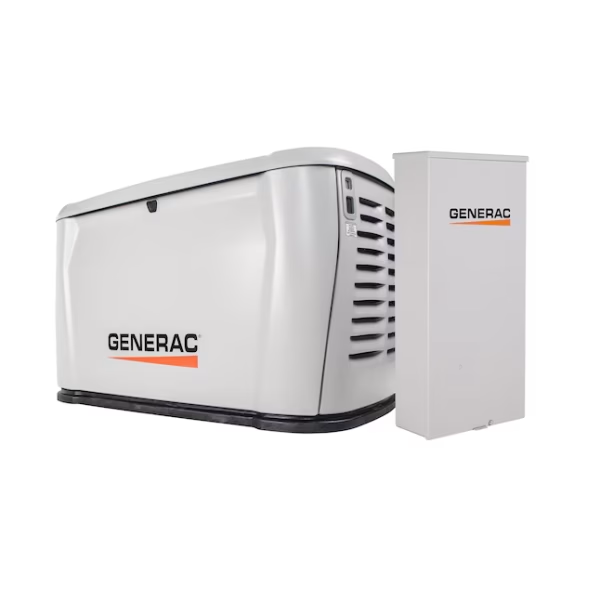
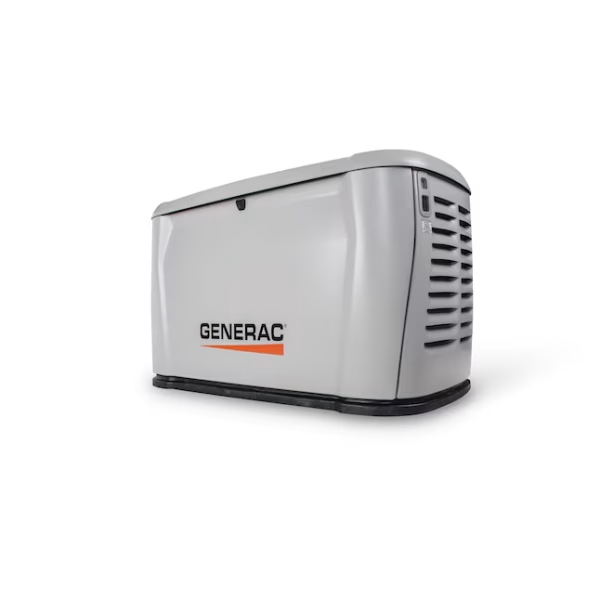
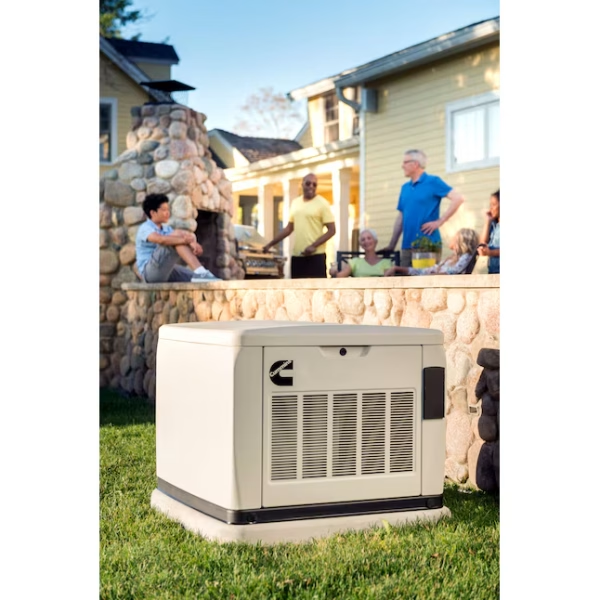
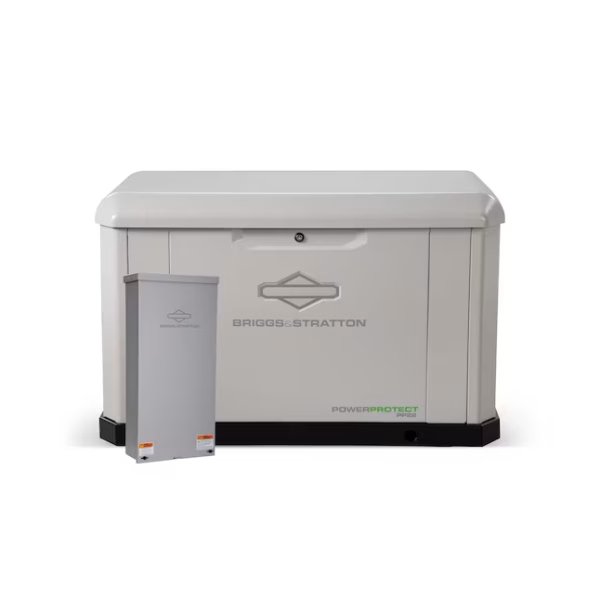
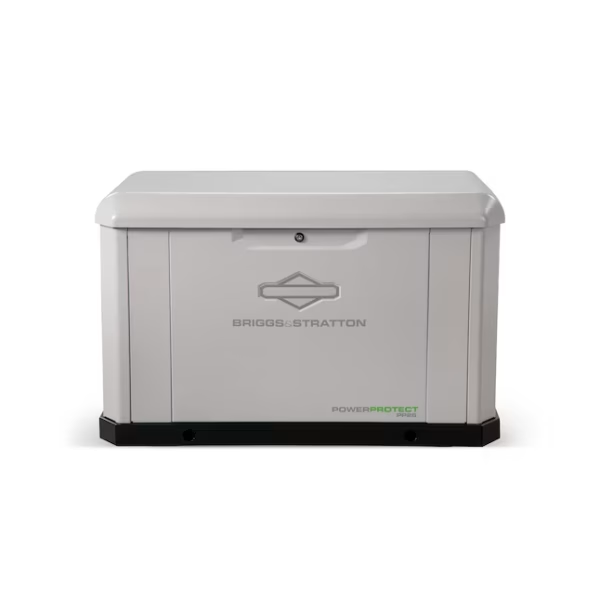
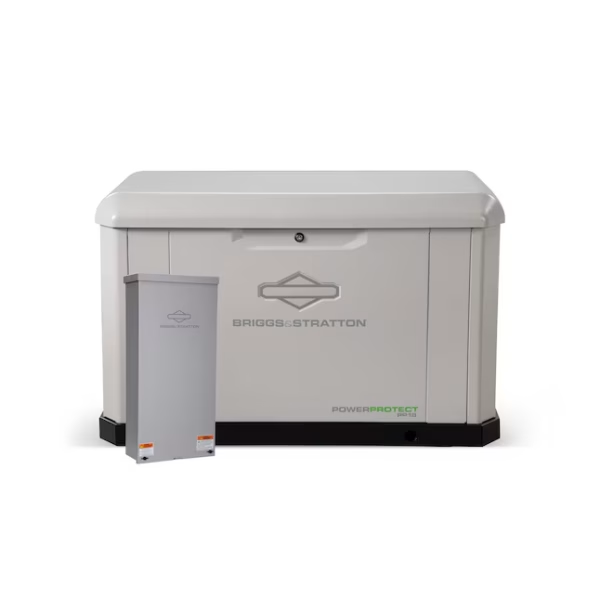
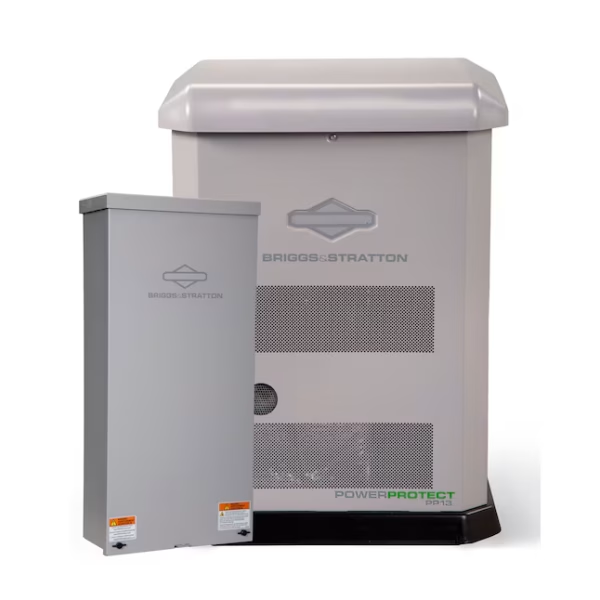
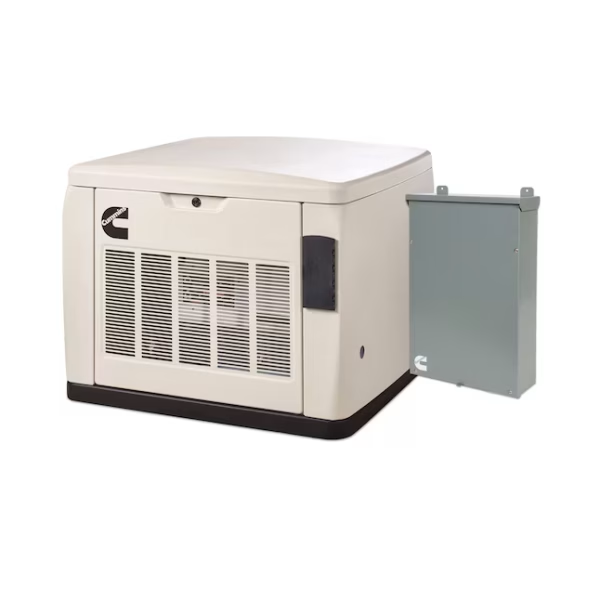
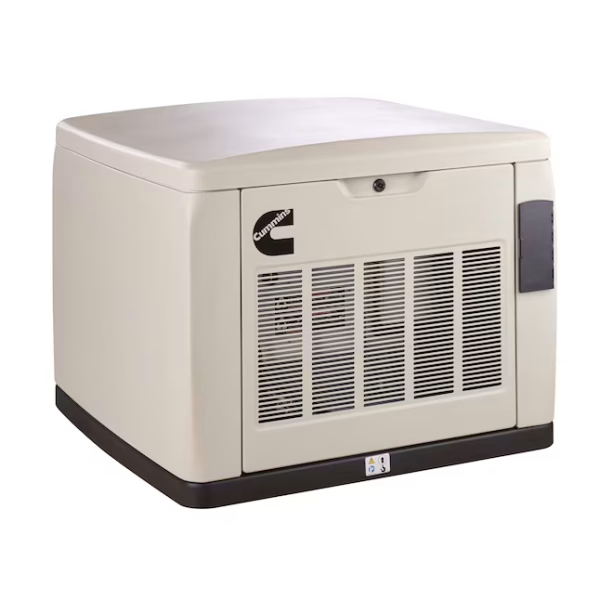
A home standby generator is a permanently installed system. It sits on a concrete pad outside your home, connects directly to your natural gas or liquid propane supply, and integrates with your home’s electrical panel through an automatic transfer switch. When utility power fails, the standby generator detects the outage within seconds and starts automatically. You do not need to be home. You do not need to do anything. The power comes back on its own, and your refrigerator, your HVAC system, your medical equipment, and your lights continue operating without interruption.
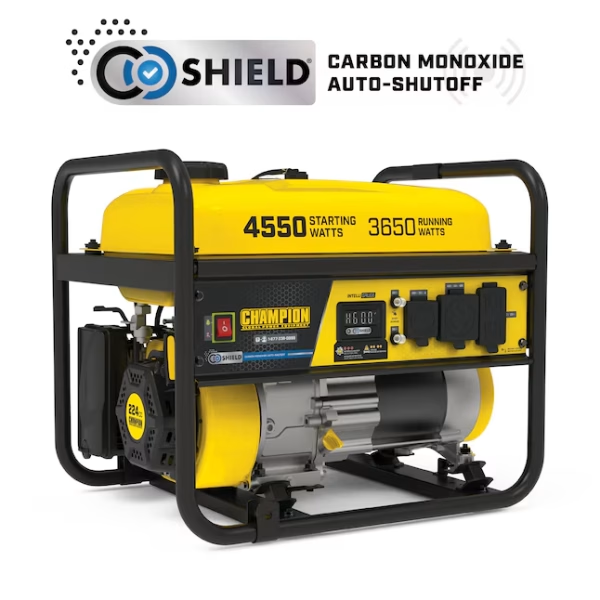
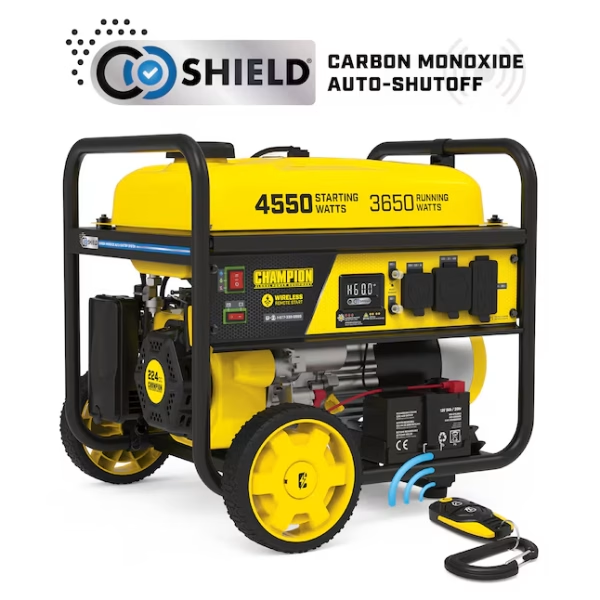
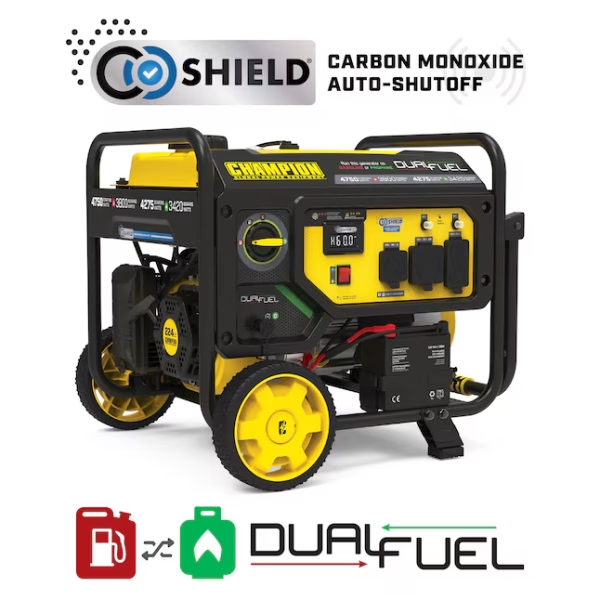
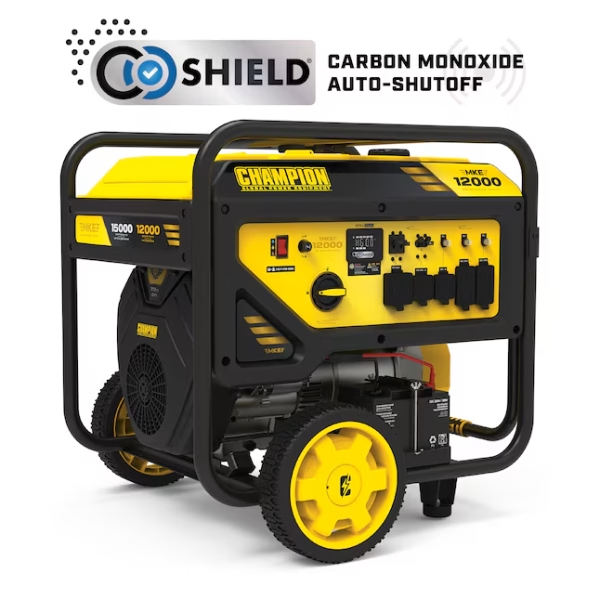
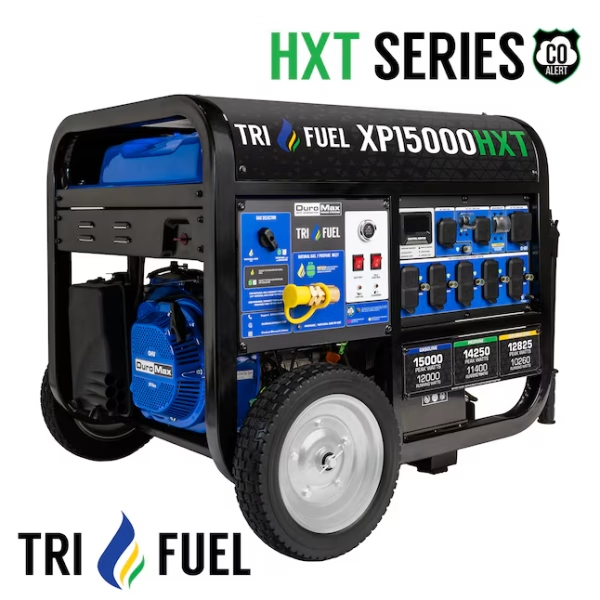
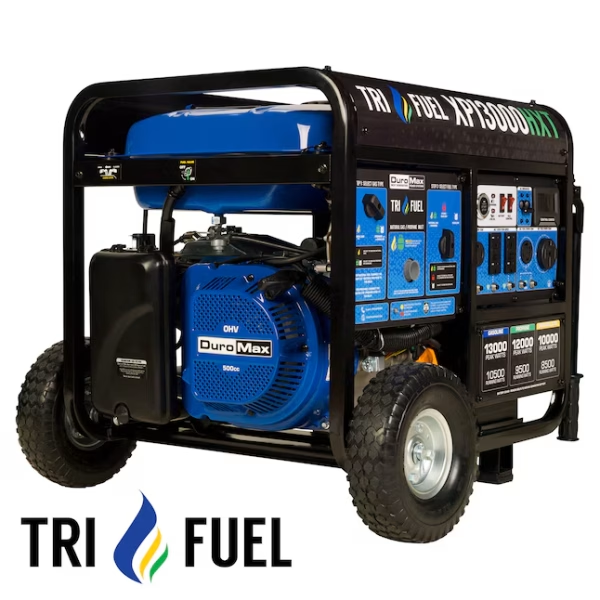
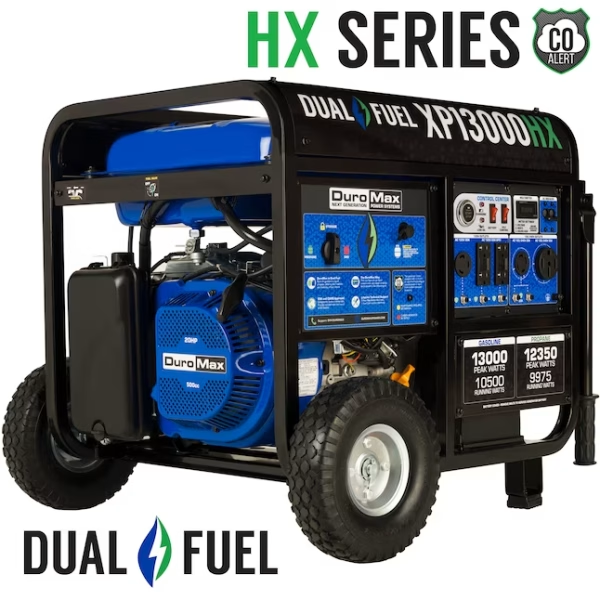
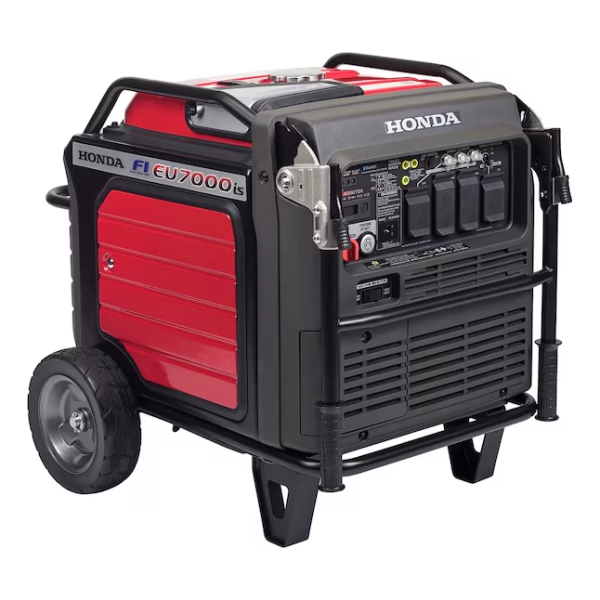
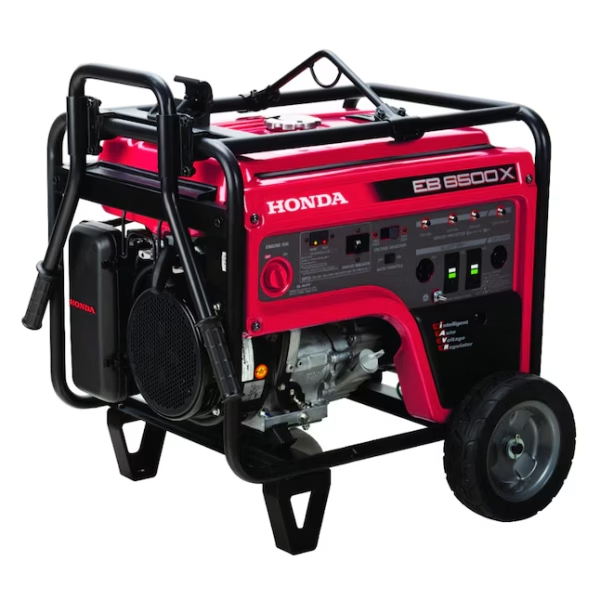
A portable generator is a freestanding unit you store in a garage or shed, wheel out during an outage, fill with gasoline or propane, start manually, and connect to appliances through extension cords or through a manual transfer switch. It is flexible, movable, and significantly less expensive upfront. It also requires manual operation every time you need it, produces exhaust that mandates outdoor placement at a safe distance from any opening into the home, and runs only as long as you have fuel on hand.
Neither is categorically better. Each serves a genuinely different buyer profile. Understanding which profile fits your situation is the purpose of this comparison. IB Lighting carries both product types and has no incentive to steer you toward the more expensive option. The right answer is the one that actually matches your home, your lifestyle, and your backup power priorities.
Home Standby Generator vs Portable Generator: A Full Side-by-Side Comparison
| Comparison Factor | Home Standby Generator | Portable Generator |
|---|---|---|
| Upfront Cost | Higher (equipment + installation) | Lower (equipment only) |
| Operation During Outage | Fully Automatic | Manual Start Required |
| Fuel Source | Natural Gas or LP (piped) | Gasoline, Propane, or Dual-Fuel |
| Fuel Storage Required | No — Utility Line Fed | Yes — Must Stock Fuel |
| Transfer Switch Required | Yes — Automatic | Yes — Manual or Interlock |
| Output Range | 7kW to 150kW+ | 1kW to 17.5kW typical |
| Whole-Home Coverage | Yes | Rarely — Essential Circuits Only |
| HVAC Operation During Outage | Yes — Full System | Limited — Larger Units Only |
| Carbon Monoxide Risk | Minimal — Permanent Outdoor Install | High Risk if Misused Indoors |
| Works When You Are Away | Yes — Fully Automatic | No — Requires Manual Start |
| Permit Required | Yes | Sometimes — if Transfer Switch Used |
| Home Value Impact | Positive — Permanent Asset | None — Not a Fixed Improvement |
| Available at IB Lighting | ✔ Yes | ✔ Yes |
Home Standby Generator vs Portable Generator: Cost Comparison Across the Full Ownership Period
The upfront price difference between a home standby generator and a portable generator is significant and real. A quality portable generator in the 7,500-watt to 12,000-watt range typically costs between $800 and $2,500 depending on the brand, features, and fuel configuration. A home standby generator system including the unit, automatic transfer switch, concrete pad, electrical labor, gas line connection, and permit fees typically runs between $5,000 and $15,000 or more depending on the output level and your specific installation complexity.
That upfront gap is undeniable. However, it is only part of the cost story, and for many homeowners, it is not the most important part.
Fuel Cost Over Time: Standby vs Portable Generator Economics
A portable generator running on gasoline consumes fuel continuously while operating. A 10,000-watt portable generator running at 50 percent load typically consumes between 0.6 and 0.9 gallons of gasoline per hour. During an extended outage of 72 hours, that amounts to 43 to 65 gallons of gasoline, which must be sourced, stored, and replenished. In a major regional weather event when everyone else is also trying to buy gasoline, that sourcing problem can become a serious constraint.
A home standby generator running on natural gas draws from the utility supply line, which continues operating during most outages because gas distribution infrastructure is separate from the electrical grid. You do not store fuel, you do not run out, and you do not need to find a gas station in a storm. Over multiple outage events across a 10 to 15 year ownership period, the operational convenience and fuel reliability advantage of a standby generator becomes increasingly significant in the total cost of ownership calculation.
Home Value: Standby Generators as a Permanent Asset
A professionally installed home standby generator is a permanent improvement to your property. Real estate professionals consistently cite whole-home backup power as a valued feature in residential transactions, particularly in regions with frequent weather-related outages. A portable generator is personal property, like a lawn mower. It does not add to your home’s assessed value and does not transfer with the property as a standard fixture unless specifically included in the sale.
For homeowners who plan to stay in their home for more than five years, the property value contribution of a standby generator partially offsets the higher upfront investment in a way that a portable generator never will.
Not Sure Which Generator Type Is Right for Your Home?
IB Lighting’s Master Electrician-founded team walks through your home’s size, load, outage history, and budget to give you a straight recommendation on standby vs portable before you spend a dollar.
Standby Generator vs Portable Generator Convenience: The Factor That Often Decides It
For many homeowners, the cost comparison is secondary to the convenience comparison. A home standby generator does something a portable generator fundamentally cannot: it works when you are not there and requires nothing from you to operate.
Automatic Operation: The Standby Generator Advantage Over Portable Units
A home standby generator monitors utility power around the clock. When it detects an outage, it starts automatically within seconds and switches your home to generator power through the automatic transfer switch without any manual intervention. You could be asleep, at work, or traveling and your refrigerator keeps running, your sump pump keeps operating, your medical equipment stays powered, and your HVAC system continues conditioning your home.
That automatic operation is not a luxury feature for most homeowners who have experienced a winter outage that lasted long enough to freeze pipes, or a summer outage that lasted long enough to spoil a refrigerator full of food, or a medical situation where continuous power was not optional. In those scenarios, the difference between a generator that starts itself and one that requires you to be home, alert, and physically capable of starting it is not a convenience distinction. It is a safety and welfare distinction.
Portable Generator Operation: What Manual Start Really Means During an Outage
During an outage, using a portable generator involves a sequence of actions that is easy to underestimate before you have actually needed to perform them in adverse conditions. You need to retrieve the generator from wherever it is stored. You need to wheel it to a location at least 20 feet from any window, door, or vent opening. You need to have fuel available, either in the tank already or in stored containers. You need to start it, which on older or cold units can require significant physical effort. You then need to connect your appliances via extension cords or through a manual transfer switch, and you need to manage fuel consumption by turning it off when not in use and restarting it when needed.
In a storm, at night, in freezing temperatures, or when a household member is elderly or has mobility limitations, that operational sequence is a meaningful burden. It is worth evaluating honestly before deciding that a portable generator’s lower price makes it the practical choice for your household.
Power Output Comparison: What Each Generator Type Can and Cannot Run
The output capacity comparison between home standby generators and portable generators is one of the clearest differentiators in this decision, and it has direct consequences for which loads you can keep running during an outage.
What a Home Standby Generator Can Power During an Outage
Generac’s residential standby lineup begins at 7kW and reaches 24kW in air-cooled residential configurations. A 14kW to 22kW standby generator covers whole-home power for most US residential applications, including central HVAC systems, refrigerators, all lighting, well pumps, electric ranges, and a full complement of outlets throughout the house. You are not managing which circuits to prioritize. You are living in a functionally normal home during the outage.
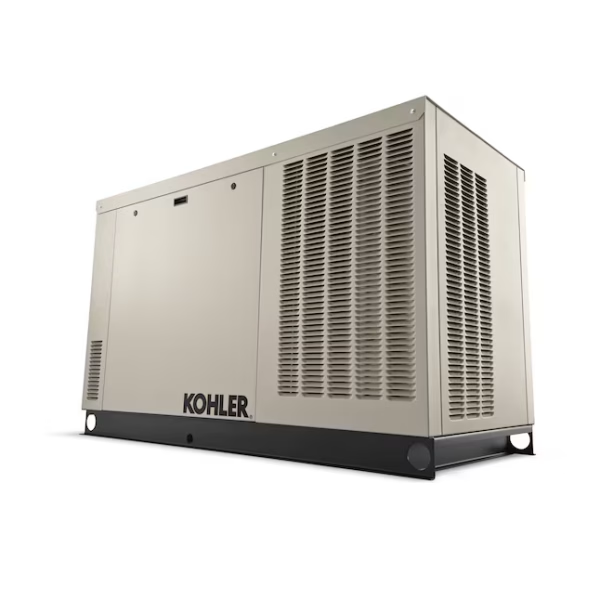
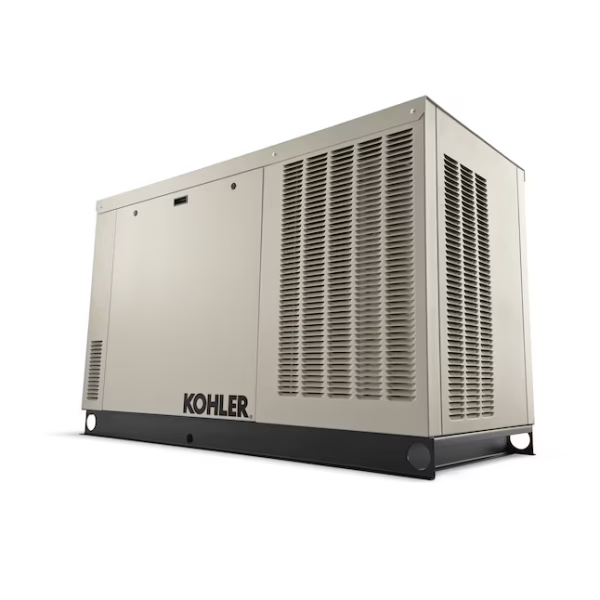
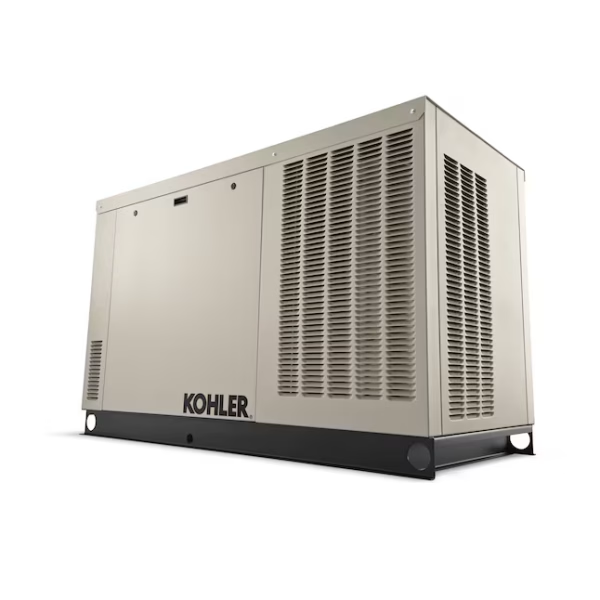
Kohler’s residential standby lineup from 8.5kW to 20kW covers the same whole-home range with the addition of PowerBoost technology that handles large motor-starting loads particularly well. Both Generac and Kohler standby generators are available from IB Lighting. Browse the full home standby generator collection at IB Lighting here.
What a Portable Generator Can Power During an Outage
A portable generator in the 7,500-watt to 10,000-watt range can power a meaningful selection of essential circuits when managed carefully. That typically includes a window air conditioner or a smaller central HVAC system (though most large central AC systems exceed what a typical portable can handle), a refrigerator and freezer, lighting in several rooms, phone charging and small electronics, and a well pump if rated appropriately.
What a portable generator typically cannot power simultaneously without overloading includes a large central air conditioning system, an electric water heater or electric range, a whole-house sump pump and HVAC at the same time, or the full load of a modern home with multiple high-draw appliances in use concurrently. Portable generators require load management, which means constantly being aware of what is drawing current and manually shedding loads when the demand approaches the unit’s capacity.
For buyers whose primary need is to run a refrigerator, charge phones, and power a few lights, a portable generator may be entirely adequate. For buyers who want their home to function normally during an extended outage, a standby generator is the appropriate solution. Browse IB Lighting’s full portable and inverter generator selection here.
Carbon Monoxide Safety: A Critical Difference Between Standby and Portable Generators
Carbon monoxide poisoning from portable generator misuse is a preventable tragedy that occurs every year in the United States, predominantly during and after major weather events. This is not a minor consideration. It belongs at the center of the home standby generator vs portable generator safety discussion.
Portable Generator Carbon Monoxide Risk and How to Manage It
Portable generators produce carbon monoxide as a byproduct of internal combustion. Carbon monoxide is colorless, odorless, and lethal at sufficient concentrations. The Consumer Product Safety Commission and the Centers for Disease Control consistently document generator-related CO poisoning deaths during hurricane and winter storm recovery periods, overwhelmingly from portable units placed too close to home openings or operated in attached garages.
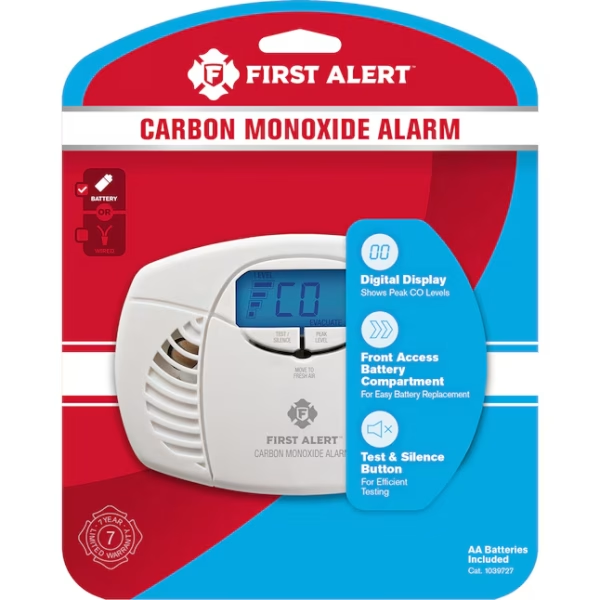
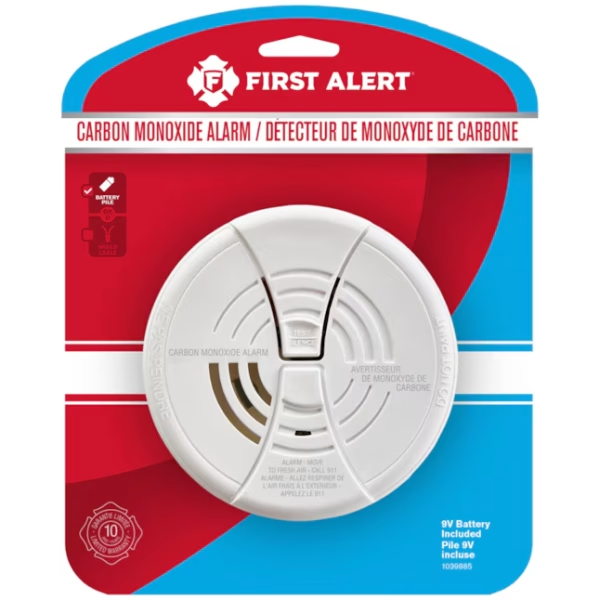
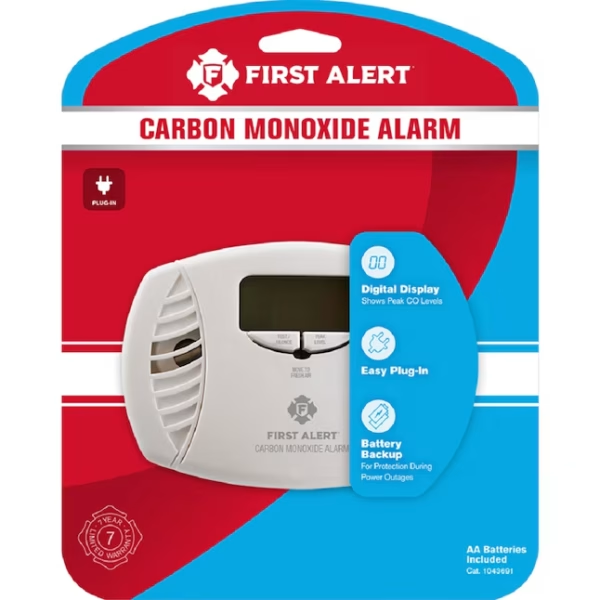
The CDC’s guidance on carbon monoxide poisoning prevention is unequivocal: portable generators must be operated at least 20 feet from any window, door, or vent opening, and never in any enclosed or partially enclosed space including garages, porches, or sheds. A carbon monoxide detector inside the home is essential when a portable generator is in use.
These requirements are not suggestions that many buyers follow loosely. They are the minimum safe operating conditions for portable generators. Buyers evaluating a portable generator should assess honestly whether their property layout and household habits allow for consistent compliance with those requirements every time the generator is needed.
Home Standby Generator Safety Profile
A permanently installed home standby generator is positioned, permitted, and inspected for correct clearance from home openings as a condition of the installation permit. It does not move after installation, it does not get dragged into a garage during a storm, and it does not get placed too close to a window because the owner did not realize the wind changed direction. The fixed nature of a standby generator’s installation is itself a safety mechanism that eliminates the CO poisoning risk that portable generators introduce through improper placement during high-stress outage situations.
Transfer Switch Requirements: Standby vs Portable Generator Installation
Both home standby generators and portable generators require a transfer switch when connected to your home’s wiring. This is not optional. The National Electrical Code (NEC) mandates transfer switch installation to prevent back-feed from reaching utility lines during an outage, which protects utility workers restoring power and protects your own equipment.
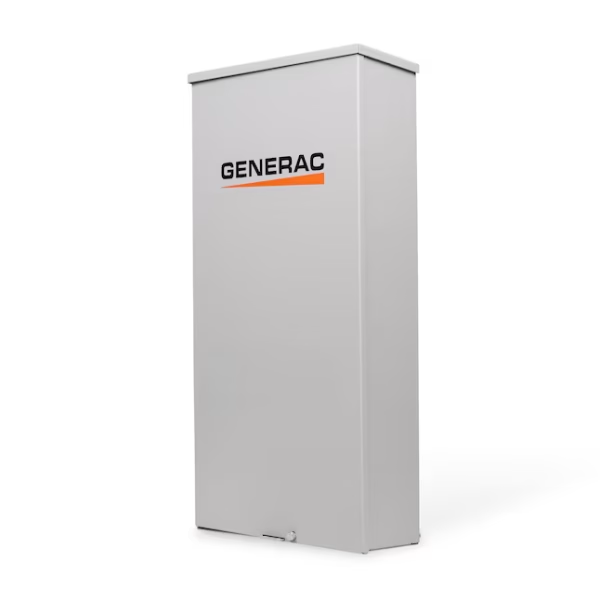
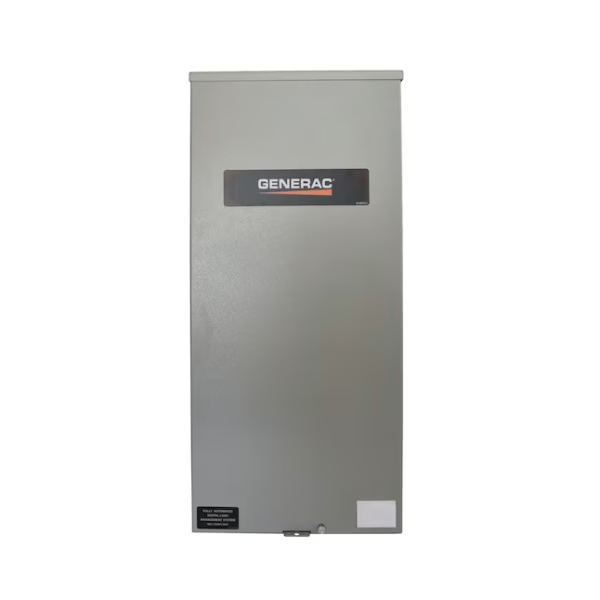
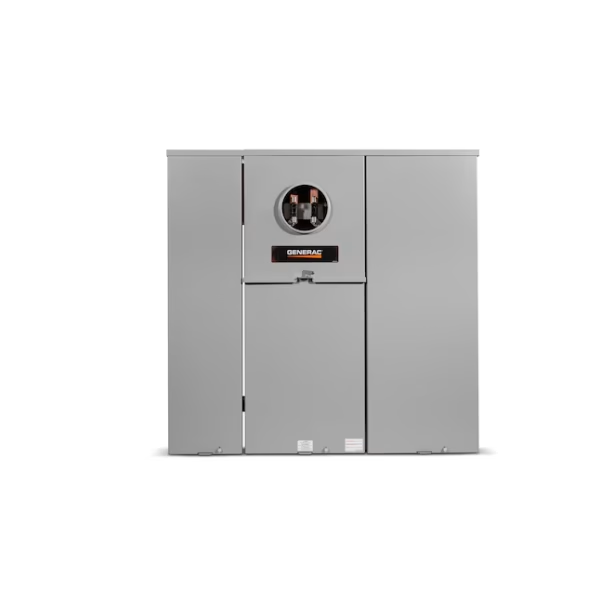
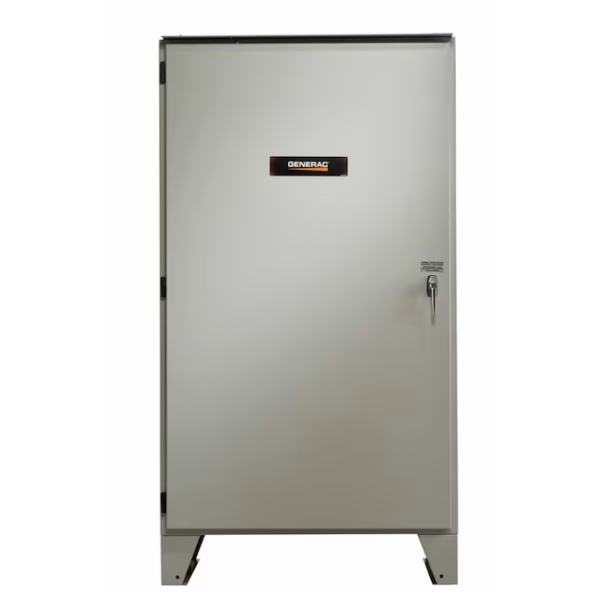
For a home standby generator, the transfer switch is automatic, permanently installed alongside your main electrical panel, and integrated with the generator’s control system. It switches your home from utility power to generator power within seconds of an outage without any manual action.
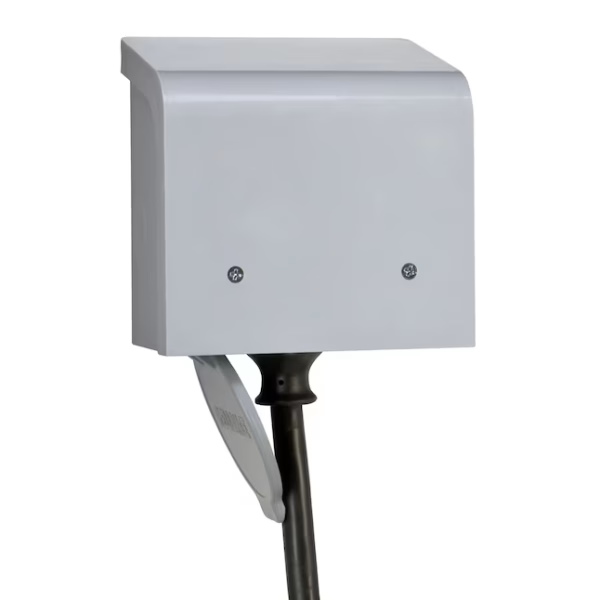
For a portable generator connected to your home’s circuits rather than through extension cords, a manual transfer switch or interlock kit is required. This must be installed by a licensed electrician and permitted through your local authority having jurisdiction. A portable generator connected to your home’s wiring without a properly installed transfer switch is an illegal installation that creates a back-feed risk for utility workers.
IB Lighting carries a full range of transfer switch kits for both standby and portable generator applications here, and the team confirms the right switch configuration for your chosen generator type before your order ships.
Which Generator Type Is Right for You: Standby or Portable
Rather than a universal recommendation, the right answer depends on your specific situation. Here is how that breaks down across the most common buyer scenarios IB Lighting’s team encounters.
🏠 Whole-Home Coverage with Zero Manual Involvement
Home standby generator. If you want your home to function normally during an outage without anyone needing to be present or take any action, a standby generator is the only solution that delivers this. A Generac or Kohler standby unit starting at 14kW covers most residential applications fully.
💰 Budget Is the Primary Constraint and Outages Are Short or Infrequent
Portable generator. If your area rarely experiences extended outages and your primary need is refrigerator power and device charging during a few-hour interruption, a quality portable generator at $1,000 to $2,500 may be entirely adequate. Pair it with a manual transfer switch or interlock kit installed by a licensed electrician.
💨 Extended Outages of 48 Hours or More Are a Real Risk in Your Area
Home standby generator strongly recommended. During an extended outage, the operational complexity of running a portable generator around the clock, managing fuel, and monitoring load becomes genuinely exhausting. A standby generator handles this automatically, indefinitely, as long as the natural gas supply remains active.
🏥 Medical Equipment in the Home Requires Continuous Power
Home standby generator — no compromise. If any household member depends on a CPAP, oxygen concentrator, home dialysis, or other electrically powered medical equipment, an automatic standby generator is the only responsible backup power solution. A portable generator that requires manual start and manual fuel management is not an appropriate solution for this situation.
🏕 Flexible Backup for Multiple Locations or Outdoor Use
Portable generator. If you want a generator you can take camping, use on a job site, bring to a second property, or move between locations, a portable unit is the appropriate choice. Standby generators are not designed to move after installation and provide no value outside the specific property where they are installed.
📈 Planning to Sell Your Home Within Five to Ten Years
Home standby generator adds resale value. Portable does not. If you plan to stay in your home long enough for a standby generator to contribute to a property sale, the investment case strengthens considerably. In storm-prone and power-interruption-prone markets, a whole-home backup power system is a documented selling point that buyers actively seek.
Ready to Choose the Right Generator for Your Home?
IB Lighting’s Master Electrician-founded team walks through your outage history, home size, load requirements, and budget before recommending standby or portable. No upselling. Just accurate guidance from people who understand electrical systems from real field experience.
Frequently Asked Questions: Home Standby Generator vs Portable Generator
What is the main difference between a home standby generator and a portable generator?
A home standby generator is permanently installed outside your home, connected to your natural gas or propane supply and your electrical panel through an automatic transfer switch. It starts automatically during a power outage with no manual action required. A portable generator is a freestanding unit that must be manually started, fueled with gasoline or propane, and positioned outdoors at a safe distance from your home during use. Standby generators provide seamless, automatic backup power. Portable generators require hands-on management every time they are used.
Is a home standby generator worth the cost compared to a portable generator?
For most homeowners who experience more than one or two meaningful outages per year, have medical equipment in the home, want whole-home coverage including HVAC, or plan to stay in the home long enough to benefit from the property value contribution, a standby generator justifies its higher upfront cost over a full ownership period. For homeowners in low-outage areas whose primary need is occasional essential circuit backup for a few hours, a portable generator may be a genuinely adequate and more cost-efficient solution. IB Lighting’s team can walk through your specific situation to help you make that determination.
Can a portable generator power a central air conditioning system?
It depends on the size of the air conditioning system and the output capacity of the portable generator. Most standard central AC systems with compressors rated at 3 tons or larger exceed what most portable generators can start and sustain under full load simultaneously with other connected appliances. Smaller portable AC units or mini split systems may be manageable on larger portable generators. A home standby generator sized correctly for your home’s HVAC system will run central air conditioning without load management or compromise.
Does a portable generator require a transfer switch?
Yes, if you connect a portable generator to your home’s wiring rather than using extension cords directly to appliances, a transfer switch or interlock kit is required by the National Electrical Code. Connecting a generator to your home’s wiring without a properly installed transfer switch creates a back-feed risk that can electrocute utility workers restoring power on the line. A licensed electrician must install the transfer switch and a permit is typically required. IB Lighting carries compatible transfer switch kits here.
How long can a home standby generator run during a power outage?
A home standby generator connected to a natural gas utility line can run indefinitely during a power outage as long as the natural gas supply remains active, which it typically does during most weather-related grid outages because gas distribution infrastructure is separate from the electrical grid. Liquid propane standby generators run as long as the propane tank supply lasts, which depends on tank size and generator load. Generac recommends periodic maintenance shutdowns on extended runs, but for practical purposes a natural gas standby generator provides continuous backup power for the full duration of any outage.
Which brands of standby and portable generators does IB Lighting carry?
IB Lighting carries Generac and Kohler home standby generators, and a selection of portable and inverter generators. Generac is the most widely installed home standby brand in the United States. Kohler brings over a century of power generation engineering to the residential market. All generator orders from IB Lighting include free nationwide freight delivery, free freight insurance, and manufacturer warranty coverage. Browse standby generators at iblighting.com/product-category/home-standby-generators and portable generators at iblighting.com/product-category/portable-inverter-generators.
Does a home standby generator increase home value?
Yes. A professionally installed home standby generator is a permanent property improvement that real estate professionals consistently identify as a valued feature in residential transactions, particularly in regions with frequent weather-related power outages. Studies from the Consumer Reports and real estate industry have found that whole-home backup generators can add meaningful value to a home’s resale price, especially in markets where buyers actively seek resilience against grid disruption. A portable generator provides no property value contribution as it is personal property rather than a fixed home improvement.
What size standby generator do I need for my home?
The right size depends on your home’s electrical load and which circuits you want covered during an outage. Most homes between 1,500 and 3,000 square feet with standard HVAC systems are well served by a 14kW to 22kW air-cooled standby generator. Larger homes or properties with high-draw loads such as electric water heaters, well pumps, or electric ranges may need a higher output unit. IB Lighting’s Master Electrician-founded team provides free pre-sale sizing guidance. Call (800) 674-9019 or visit the Expert Advice hub to start the conversation before you select a model.
Home Standby Generator vs Portable Generator: Making the Right Decision for Your Home
The home standby generator vs portable generator decision comes down to four questions. How long do outages in your area typically last? How important is automatic, unattended operation to your household? What load do you need covered, including HVAC? And what is your long-term plan for the property?
If your answers point toward extended outages, automatic operation, whole-home coverage, and long-term property ownership, a home standby generator is the right investment. Generac and Kohler both deliver excellent products at that level, and IB Lighting carries both with free nationwide freight delivery, free freight insurance, and the guidance of an electrician-led team that can size, match, and support your purchase from first call through post-installation.
If your answers point toward short occasional outages, essential circuit coverage only, and a need for flexibility or portability, a quality portable inverter generator is a genuinely adequate and more cost-efficient solution. IB Lighting carries portable and inverter generators with the same free delivery, free insurance, and expert support standard on every order.
Either way, IB Lighting is the right place to start. Browse the full home standby generator collection, explore the portable and inverter generator range, or call our team at (800) 674-9019 to work through the decision before you commit to either option.
Shop Standby and Portable Generators at IB Lighting
Free nationwide freight delivery. Free freight insurance on every order. Master Electrician-founded team. Generac and Kohler standby generators. Portable inverter generators. Manufacturer warranty included. No sales tax in select states.
📞 (800) 674-9019 | ✉ support@iblighting.com | 22325 W Warren Ave, Dearborn Heights, MI 48127