Buying Guides, Home Standby Generators

Portable to Standby Generator: 5 Proven, Safe Upgrade Steps

Buying Guides

Portable to Standby Generator: 5 Proven, Safe Upgrade Steps

🕑 13 min read Updated: November 2026 Table of Contents When Should You Upgrade From a Portable to Standby Generator? How to Size a Standby Generator From Your...

Updated
Portable to Standby Generator: 5 Proven, Safe Upgrade Steps
Key Takeaways

  • Moving from a portable to standby generator makes sense when outages are frequent, hard-wired loads matter, or nobody is reliably home to run it.
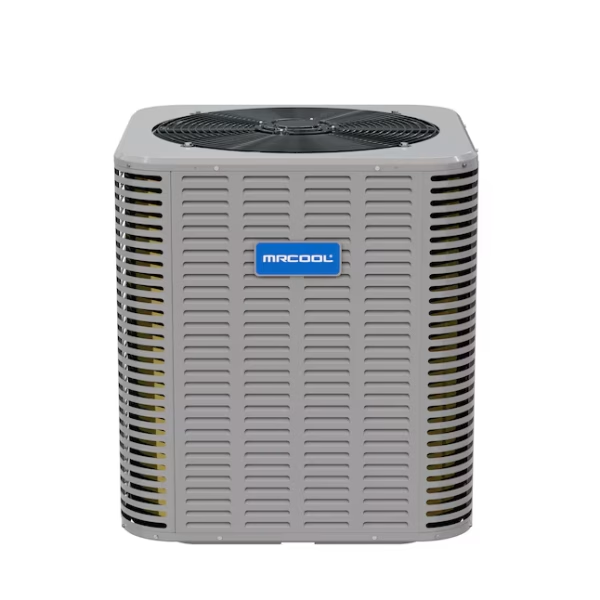
  • Size the standby unit from what your portable could not run, such as the well pump, furnace or central AC.
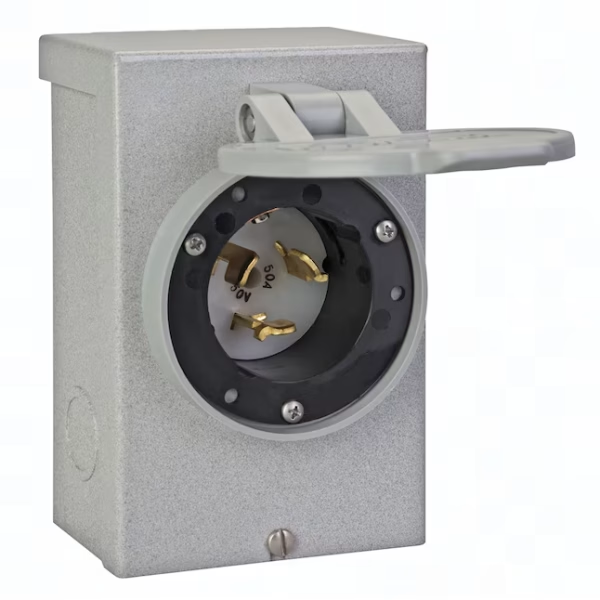
  • An automatic transfer switch replaces your inlet box and interlock routine, and an electrician decides what stays.
  • Natural gas or a properly sized propane tank replaces gas cans, so the generator runs without refueling trips.
  • Keep the portable for tools and travel, but never backfeed the house panel without an approved transfer device.

Upgrading from a portable to standby generator means trading a unit you start, fuel and plug in by hand for one that starts itself within seconds of an outage. It makes sense when outages are frequent, your portable cannot run hard-wired loads, or nobody is reliably home to run it during a storm.

Portable to standby generator upgrade shown as a portable generator and gas can with an arrow to a home standby generator beside a lit house
The same outage, handled two ways: by hand with a portable, or automatically with a standby unit.

IB Lighting has sold over $500 million in electrical equipment since 2013, and a large share of our standby generator buyers already own a portable. They are not new to backup power. They are tired of cords, gas cans and 2 a.m. restarts. That history helps. A portable owner already knows which outages hurt and which loads went dark. This guide turns that knowledge into a clear upgrade plan: sizing, the transfer switch, fuel, and what to do with the old portable afterward.

When Should You Upgrade From a Portable to Standby Generator?

You should upgrade from a portable to standby generator when at least one of three things is true. First, outages are frequent or long enough that running a portable has become a routine chore. Second, the portable cannot run hard-wired loads you depend on, such as a well pump, furnace blower or central air conditioner. Third, nobody is reliably home, able and willing to start and refuel it in bad weather.

Generac sees the same portable to standby generator pattern across the market. On its third quarter 2026 earnings call, Generac said more than 50% of home standby buyers previously or currently owned a portable generator. (Generac Q3 2026 earnings call, October 2026) In other words, the portable is usually the first step, not the last. Outage data backs this up. According to the U.S. Energy Information Administration, customers averaged 11 hours without power in 2024, nearly twice the prior decade’s average. (EIA, 2025)

Portable to standby generator upgrade path in five steps: list loads, pick fuel, pick switch, permit and install, decide on the portable
The portable to standby generator upgrade in five steps. The first three happen before you buy anything.

The IB Trade-Up Test

The IB Trade-Up Test turns that decision into five yes-or-no questions about your last few outages. Answer them honestly, because the portable already gave you the data.

  1. Frequency: Did you run the portable more than twice last year?
  2. Coverage: Did any hard-wired load stay off because the portable could not carry it?
  3. Presence: Was anyone away, older, or relying on medical equipment during an outage?
  4. Effort: Did refueling or setup happen in rain, snow or darkness?
  5. Fuel: Do you already have natural gas service or a propane tank?

Two or more yes answers on this portable to standby generator test usually mean a portable to standby generator upgrade will pay off in comfort and safety. A yes on question 3 alone is often enough, since automatic start matters most when nobody can go outside. Meanwhile, a single yes on question 5 simply makes the project easier.

Pro tip: Write down what you plugged in during your last outage before you forget. That list is the most accurate sizing worksheet you will ever have.

That list leads straight to sizing, which is where most portable owners go wrong.

How to Size a Standby Generator From Your Portable

To size a standby generator from your portable, start with the loads your portable could not run, not the ones it could. That is the counter-intuitive part. What most guides get wrong: they tell portable owners to add up what they plugged in. However, that list only shows what fit on a portable.

It leaves out the hard-wired loads that a standby unit powers through the transfer switch, such as a well pump, furnace blower, central air conditioner or electric range. Those loads usually set the kW size of a portable to standby generator upgrade. For example, a homeowner who ran a fridge, freezer and lights on a 7,500-watt portable may still need a 22kW standby unit once the well pump and central AC join the list. So for any portable to standby generator sizing, list both columns: what ran, and what stayed dark. Then use our generator sizing guide to turn that list into a kW rating. Finally, decide between whole-home and essential-circuit coverage.

Standby generator sizing from a portable, comparing loads a portable runs with hard-wired loads like a well pump and central AC that only a standby unit covers
The loads marked with an X are what move you into a bigger kW size.

Whole Home or Essential Circuits?

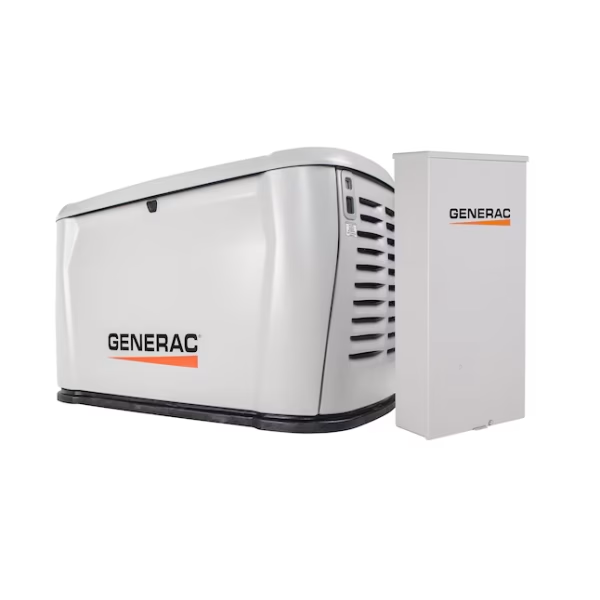
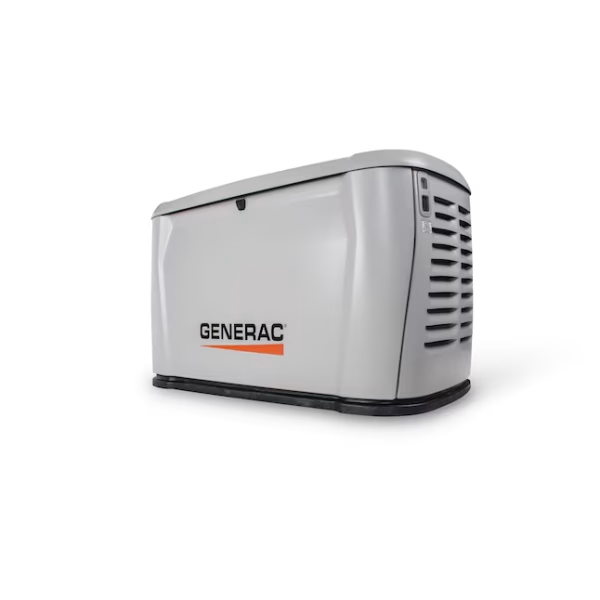
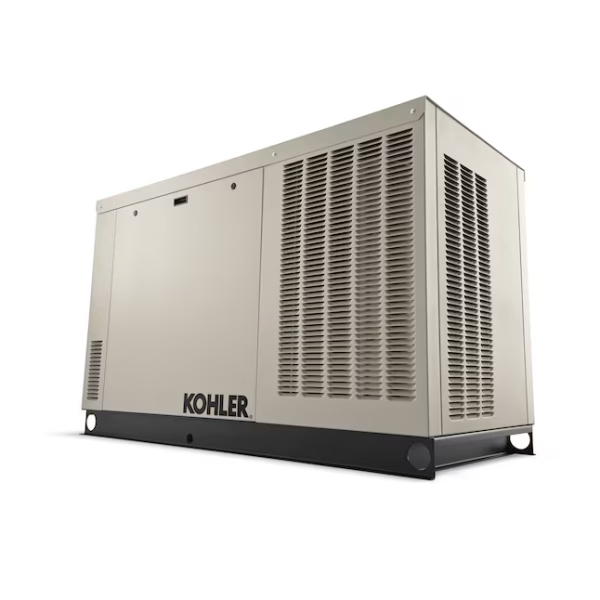
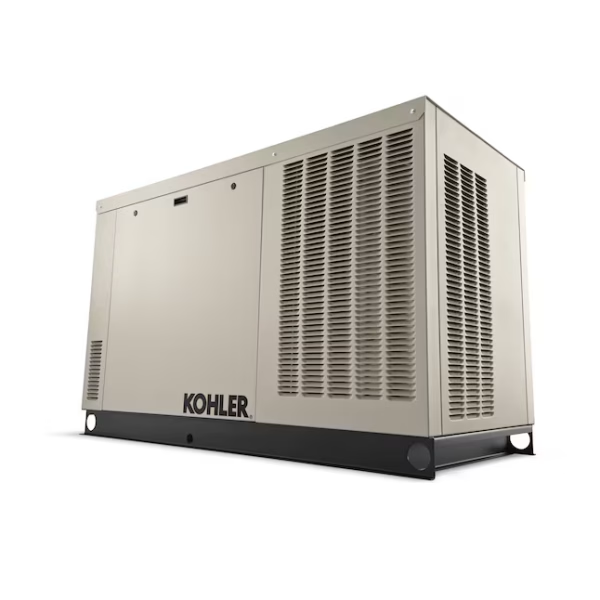
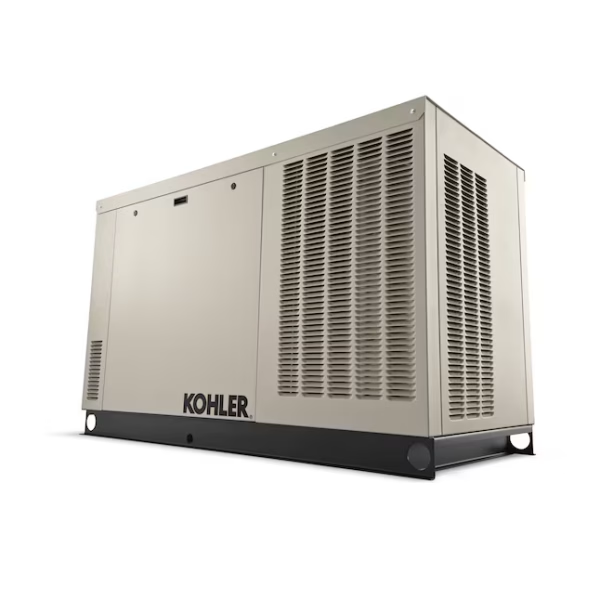
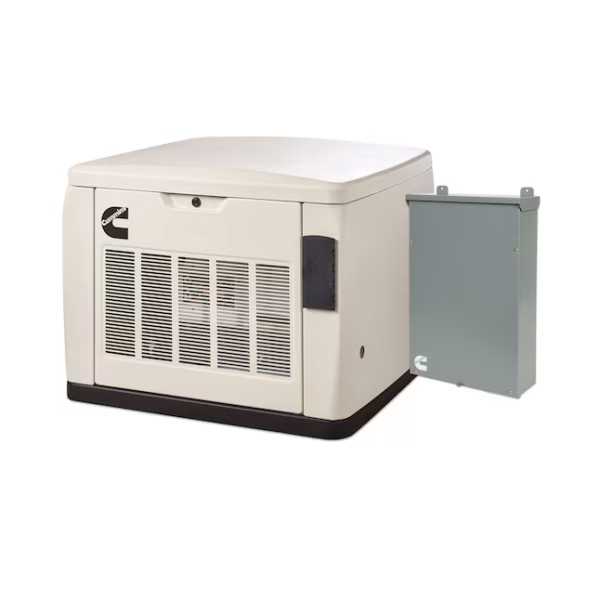
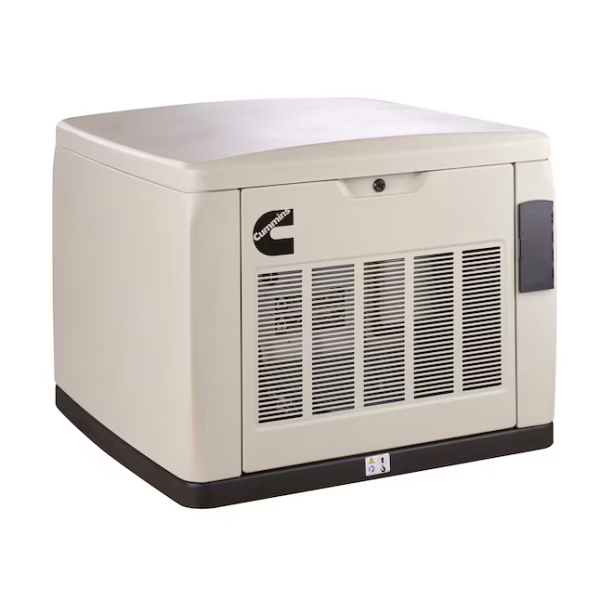
A portable to standby generator upgrade does not have to cover every circuit. Many portable owners are used to running a short list of essentials, and that habit can save money. An essential-circuit setup runs a short list of circuits through a smaller switch. Whole-home coverage runs the full panel through a larger switch. It often adds load control for big appliances. Our comparison of whole house vs essential circuits explains both. For a typical starting point, compare the Generac 7323 14kW with a 200A transfer switch and the Generac 7325 22kW with a 200A transfer switch. Both ship with the switch, which removes one ordering step.

Once size is settled, the next portable to standby generator question is what happens at your electrical panel.

What Happens to Your Inlet Box and Interlock?

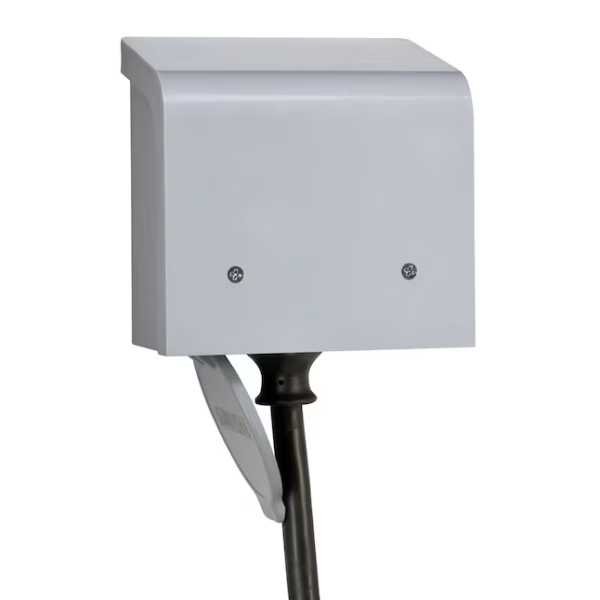
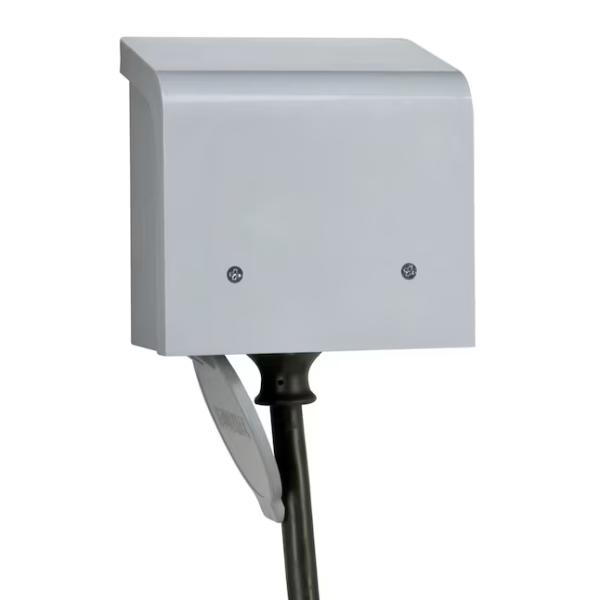
Your inlet box and interlock are replaced in daily use by an automatic transfer switch, and your electrician decides whether the old parts stay or come out. With a portable, you start the generator, plug a cord into the inlet box, slide the interlock and flip breakers by hand. A portable to standby generator upgrade removes every one of those steps.

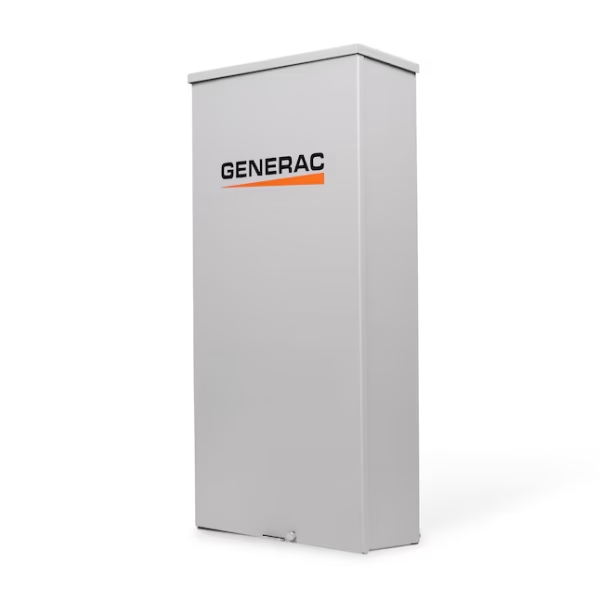
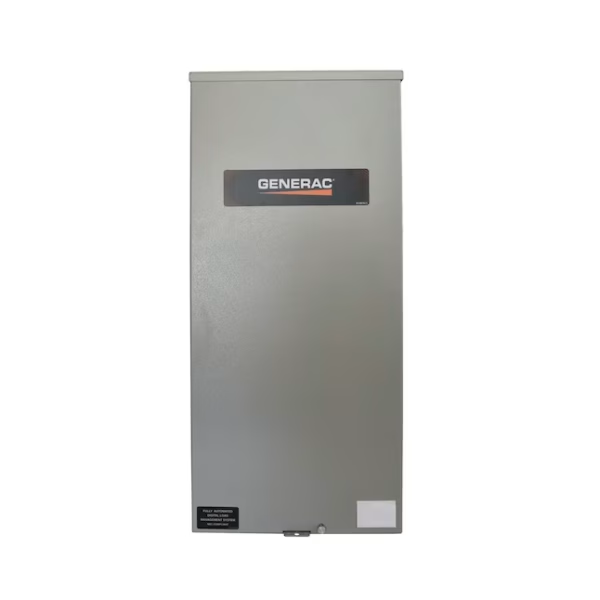
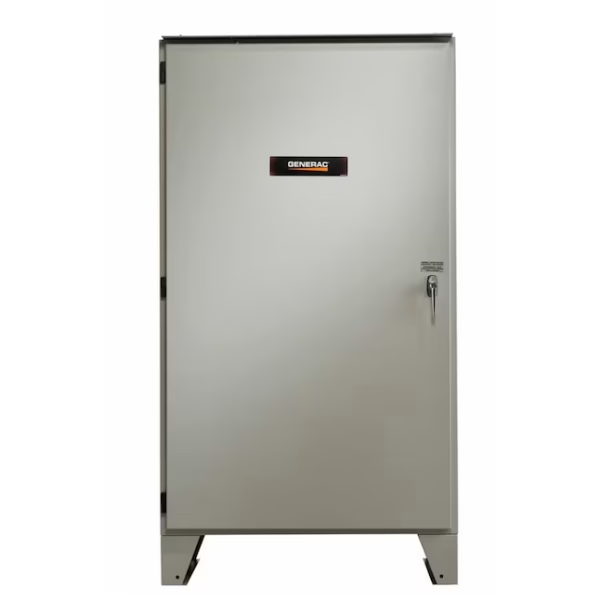
Instead, an automatic transfer switch watches utility power. When it fails, the switch signals the generator to start and moves your circuits over within seconds. When power returns, it switches back and lets the engine cool down. Our guide on how an automatic transfer switch works covers the sequence. The National Electrical Code requires approved transfer equipment for standby systems. That is why the switch is part of the permit. As a result, the electrician sizes it to your service, often 200 amps for whole-home coverage.

Portable generator interlock compared with an automatic transfer switch, showing manual inlet box steps before and automatic switching after the upgrade
Before and after a portable to standby generator upgrade: four manual steps become none.
⚠️ Do not leave a second way to power the panel unless your electrician designed it and the inspector approved it. Two sources that can both reach the same circuits is how backfeed accidents happen.

From our order desk, one pattern repeats. Portable owners often assume their existing interlock means the panel is “generator ready,” so they order the generator alone. In practice, the interlock does not replace an automatic switch. So check whether your model ships with one, or add a switch from our transfer switch kits. Our guide on what size transfer switch you need helps you match it.

With the panel side clear, fuel is the next big portable to standby generator change.

Ready to stop running cords in the rain?
Send us your portable’s wattage and the loads it left off. Our team will plan your portable to standby generator move, including size and transfer switch. Ask IB Lighting.

Fuel: Moving From Gas Cans to a Steady Supply

Fuel changes from gasoline you carry by hand to natural gas or propane that feeds the generator through a fixed line. That single change removes the biggest chore of portable ownership. With a portable, you refill the tank every few hours. You also store gas that goes stale and hunt for open gas stations in a big outage. A standby generator, in contrast, draws from your natural gas service or a propane tank.

On the standby side, natural gas runs as long as the utility supply holds. Propane runs as long as the tank lasts, so tank size matters for multi-day outages. Many gas homes also need a bigger meter for the full load. The utility handles that swap. Our guide on natural gas vs propane generators compares both fuels for a portable to standby generator switch. Likewise, our gas line cost guide explains the plumbing side of a portable to standby generator upgrade.

Portable vs standby generator fuel, comparing gasoline cans refilled by hand with natural gas and propane piped to a standby generator
Gas cans on the left, piped fuel on the right. No more refueling trips in the dark.

With fuel settled, here is the full upgrade in order.

The Portable to Standby Generator Upgrade, Step by Step

The portable to standby generator upgrade follows five steps: list your loads, choose the fuel, choose the transfer switch, permit and install, then decide what to do with the portable. The first three steps happen before you buy anything, and they prevent the most expensive mistakes.

First, write down what your portable ran and what it left off. Second, confirm natural gas capacity or propane tank size with your utility or propane company. Third, choose a generator that ships with the right transfer switch, or order one alongside it. Fourth, a licensed electrician and gas installer pull permits and set the pad. Then they wire the switch, connect fuel and pass inspection. Fifth, decide whether the portable stays, which the next section covers. Timing matters as well. Installer calendars fill fast after big storms. Our guide to the best time to buy a generator shows when to order. For budgeting, see our standby generator installation cost guide.

Pro tip: Show the installer your portable’s inlet box and interlock at the first visit. Removing or relocating them is easier to quote and permit up front than to add later.

The last step of a portable to standby generator upgrade is the one most owners never think about.

Should You Keep Your Portable Generator?

Yes, you can keep your portable generator after a standby install, as long as it never feeds the house panel without an approved transfer device. Most owners keep it, and for good reasons. A portable is still useful for power tools, yard work, camping, RV trips and helping a neighbor in an outage.

However, after a portable to standby generator upgrade, its role changes. It becomes an outdoor tool, not a backup for the house, because the standby generator now owns that job. The safety rules stay the same. According to the U.S. Consumer Product Safety Commission, an average of about 100 consumers die in the U.S. each year from carbon monoxide poisoning from portable generators. (CPSC, December 2025) So run it outdoors only, at least 20 feet from the house, with exhaust pointed away from doors and windows. Keeping the portable is fine. Using it like before is not.

Keeping a portable generator after a standby install, with good uses like tools and camping and a warning never to backfeed the house panel
The portable becomes a tool for the yard and the road, not a second backup for the house.
🚨 Never plug a portable generator into a household outlet with a double-male cord. Backfeeding can energize utility lines and injure line workers, and it can start a fire in your home.

For more on exhaust safety, see our guide on standby generator carbon monoxide safety. Now check where you stand.

Upgrade Checker

Use this checker to see whether a portable to standby generator upgrade makes sense now. Answer five questions about outages, loads, fuel and who is home. You get a verdict and a clear next step.

Is It Time to Trade Up From Your Portable?

Five questions about how your portable generator actually gets used. You get a clear verdict and a next step.

Question 1 of 5

How often do you lose power long enough to drag out the portable?


Question 2 of 5

Which hard-wired loads does your portable leave off? (Well pump, furnace, central AC, range)


Question 3 of 5

Who is home to start and refuel it during an outage?


Question 4 of 5

What fuel is already at the house?


Question 5 of 5

What frustrates you most about the portable?


Still deciding between staying portable and going standby?
Our team can review your outage history, loads and fuel, then recommend a size and transfer switch with no obligation. Talk to an IB Lighting specialist.

Frequently Asked Questions

Is it worth upgrading from a portable to a standby generator?

A portable to standby generator upgrade is worth it when outages are frequent, your portable cannot run hard-wired loads like a well pump or central AC, or nobody is reliably home to run it. A standby unit starts by itself within seconds and runs on natural gas or propane, so there are no cords or refueling trips.

Can I use my portable generator’s transfer switch for a standby generator?

Usually not. A manual transfer switch or interlock built for a portable is not the same as the automatic transfer switch a standby generator needs. The automatic switch senses the outage and moves the load on its own. Your electrician will size a new switch to your service and decide whether the old inlet and interlock stay.

What size standby generator do I need if I had a 7,500-watt portable?

There is no direct conversion, because a standby generator usually powers loads a 7,500-watt portable could not. Start with what your portable left off, such as a well pump, furnace or central AC. Those hard-wired loads often push the size to 14kW to 22kW or more. Our sizing guide walks through the math.

Can I have both a portable and a standby generator?

Yes, you can own both. Keep the standby generator as the home backup and use the portable for tools, camping or travel. Do not connect both to the house panel unless your electrician designed it and the inspector approved it, since two sources that can reach the same circuits create a serious backfeed risk.

How long does it take to switch from a portable to a standby generator?

Most portable to standby generator projects take 2 to 4 weeks from order to first power in a quiet month. The on-site work is often one to three days. Permits, the gas meter or propane setup and inspection take the rest. After a major storm, installer schedules fill and the same project can take much longer.

Does a standby generator need gasoline like a portable?

No. A home standby generator runs on natural gas from your utility line or propane from a tank, not gasoline. That means no refueling trips during an outage. Natural gas runs as long as the utility supply holds, while propane runs until the tank is empty, so size the tank for long outages.

Should I upgrade to standby if I am rarely home during outages?

Yes, being away is one of the strongest reasons to upgrade. A portable needs someone on site to start, connect and refuel it. A standby generator starts automatically, runs a weekly self-test, and can send status alerts to your phone on many models, so your home stays powered and protected while you are away.

When should I get professional help with a generator upgrade?

Get professional help from the start of any portable to standby generator project. The install needs a licensed electrician for the transfer switch and a qualified gas installer for the fuel line, plus permits and inspection. IB Lighting can help you choose the right generator and switch before your installer visits. Contact our team.

Conclusion

A portable to standby generator upgrade makes sense when outages are frequent, hard-wired loads matter, or nobody is reliably home to run the portable. Three points matter most. First, size the standby unit from what your portable could not run, not from what it could. Second, plan for an automatic transfer switch, and let your electrician decide what happens to the old inlet and interlock. Third, keep the portable for tools and travel, but never use it to feed the house again. Start your portable to standby generator plan with your outage list, then choose the generator.

Done hauling gas cans in the dark?
Finish your portable to standby generator upgrade with a Generac unit and matched transfer switch from IB Lighting, with nationwide delivery and free freight insurance. Final pricing is shown securely in cart. Shop home standby generators.

🌟 Free Worksheet: Portable to Standby Load List

Get a one-page worksheet to record what your portable ran and what it left off, so sizing your standby unit takes minutes.

Get it free →

This article was last reviewed and updated in November 2026 to reflect the latest portable to standby generator upgrade guidance.


Expert-Reviewed Secure Shopping Free Freight Family-Owned
RB

Written By

Rayan Boussi

Sales & Marketing Director at IB Lighting

Rayan leads product strategy, customer experience, and editorial direction at IB Lighting. Every guide and article is developed under his oversight to ensure accuracy and practical value for homeowners, contractors, and businesses across the United States.

View all articles

Leave a Reply

Your email address will not be published. Required fields are marked *