


















Transfer Switch vs Automatic Transfer Switch Difference | IB Lighting


Transfer Switch vs Automatic Transfer Switch Difference | IB Lighting
Understanding the transfer switch vs automatic transfer switch difference is one of the most important decisions in any generator installation project, and it is one that most buyers...
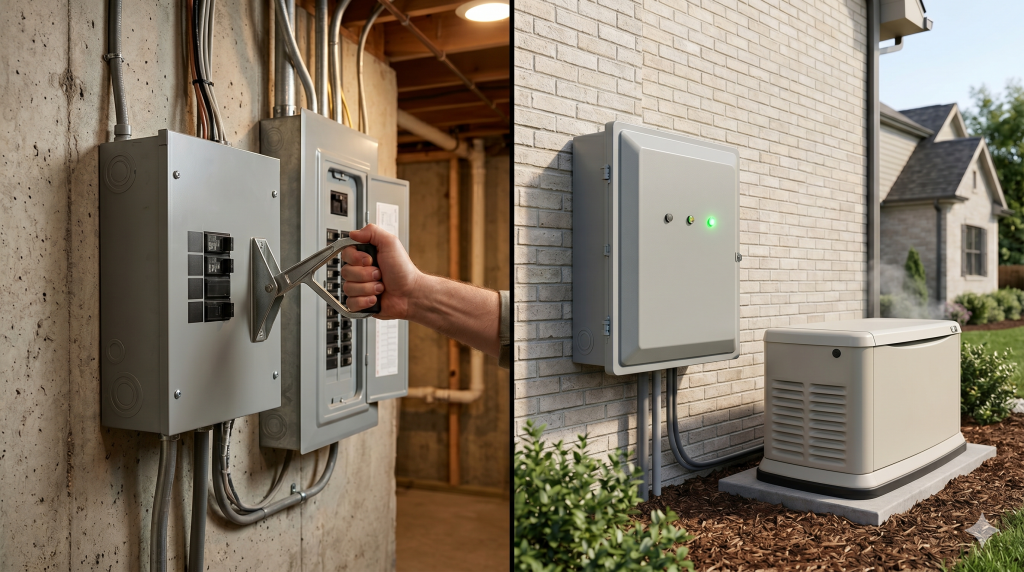
Understanding the transfer switch vs automatic transfer switch difference is one of the most important decisions in any generator installation project, and it is one that most buyers are not fully clear on before they start shopping. Both types of transfer switches perform the same fundamental safety function: they isolate your home from the utility grid when your generator is running, preventing back-feed that could injure or kill utility workers restoring power on the line. Beyond that shared purpose, a manual transfer switch and an automatic transfer switch are fundamentally different products with different price points, different installation requirements, different operational experiences, and different applications. This guide gives you a precise, technically grounded explanation of both from a Master Electrician-founded team that installs and sells both types every day.
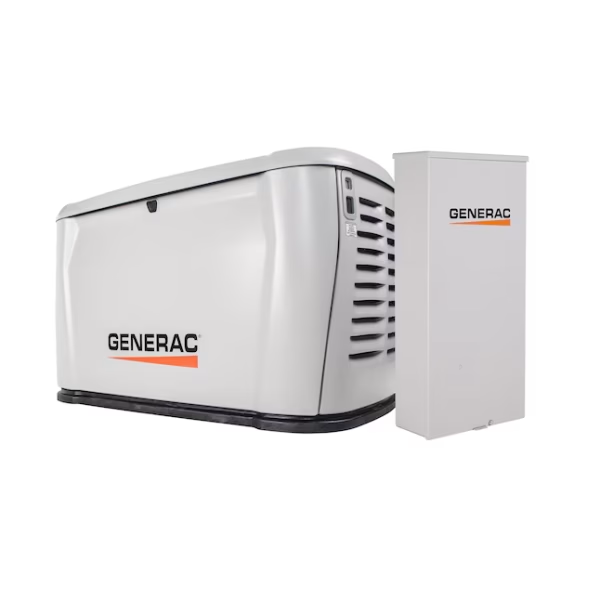
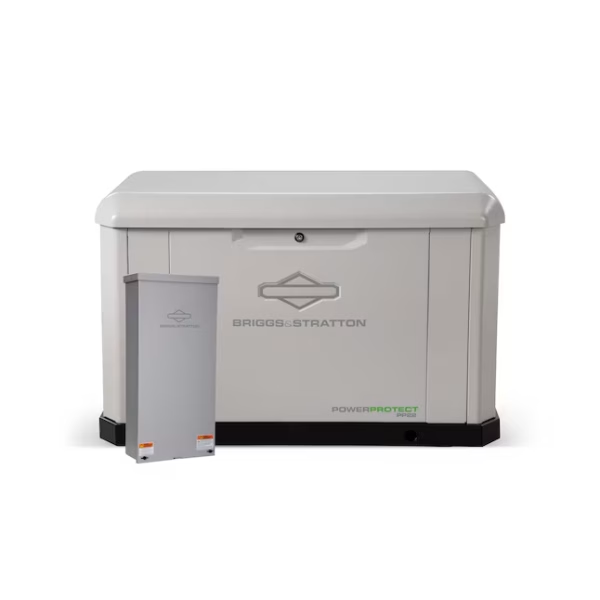
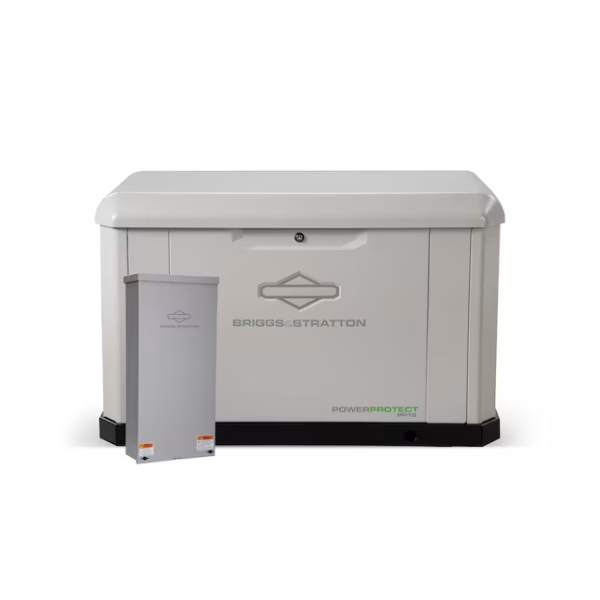
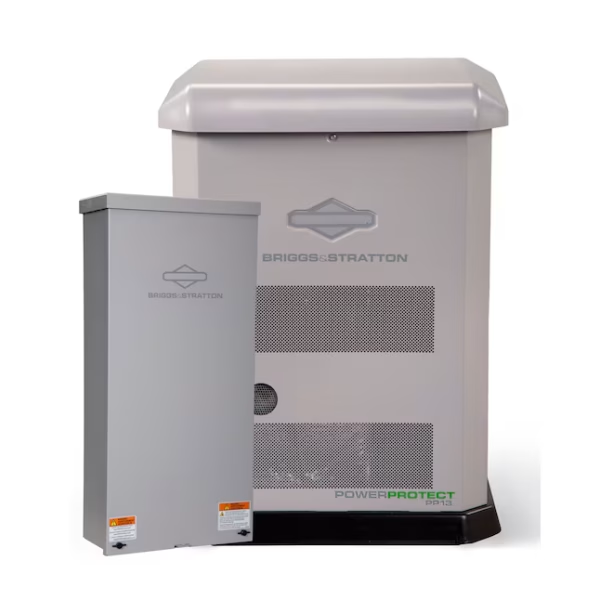
⚡ IB Lighting Carries Both Manual and Automatic Transfer Switch Kits for Every Generator Application
Transfer Switch vs Automatic Transfer Switch Difference: The Core Distinction Explained
The transfer switch vs automatic transfer switch difference begins with a single question: when the power goes out, does anything happen on its own, or does someone need to make it happen?
A manual transfer switch requires a person to physically operate it during a power outage. When utility power fails, you go to the transfer switch panel, move the switch handles or toggle the switches from the utility position to the generator position, start your generator, and connect it to your home’s selected circuits. When utility power is restored, you reverse the process manually. The transfer switch itself does none of this automatically. It is a mechanism that isolates your home from the grid safely, but the decision to switch and the act of switching are entirely human-driven.
An automatic transfer switch, often abbreviated as ATS, monitors utility power continuously without any human involvement. When it detects a utility power failure, it signals the generator to start, waits for the generator to reach stable operating frequency and voltage, then switches your home’s electrical load from the utility to the generator automatically. When utility power is restored, the ATS transfers the load back to utility power and signals the generator to cool down and shut off. The entire sequence happens without anyone touching anything. You may not even realize the power went out.
That operational difference is the defining characteristic that separates the two switch types. Every other difference, in price, in installation complexity, in maintenance, in appropriate application, flows from that single functional distinction. Browse IB Lighting’s full range of generator transfer switch kits here.
Transfer Switch vs Automatic Transfer Switch: Full Side-by-Side Comparison
| Comparison Factor | Manual Transfer Switch | Automatic Transfer Switch |
|---|---|---|
| Operation During Outage | Manual — Human Required | Fully Automatic |
| Generator Start | Manual Start Required | Automatic Start Signal |
| Works When No One Is Home | No | Yes |
| Utility Power Monitoring | No | Continuous 24/7 |
| Typical Generator Pairing | Portable Generator | Home Standby Generator |
| Circuits Covered | Selected Circuits Only | Selected or Whole-Home |
| Upfront Equipment Cost | Lower | Higher |
| Installation Complexity | Lower | Higher |
| NEC Compliance | Yes — When Properly Installed | Yes — When Properly Installed |
| Suitable for Medical Equipment | Risky — Delay in Switching | Yes — Seconds to Transfer |
| Transfer Time | Minutes to Hours | Seconds (10 to 30 typical) |
| Available at IB Lighting | ✔ Yes | ✔ Yes |
Why Every Generator Installation Requires a Transfer Switch Regardless of Type
Before going deeper into the transfer switch vs automatic transfer switch difference, it is worth establishing why a transfer switch of either type is not optional. This is a legal requirement, a safety requirement, and a manufacturer warranty requirement simultaneously.
The National Electrical Code Mandates Transfer Switch Installation for All Generators
The National Electrical Code (NEC), Article 702 governs optional standby systems, which covers most residential generator installations. It requires that a means of transfer be installed to prevent the generator from back-feeding electricity onto the utility line when the generator is running. This is not a suggestion. It is a code requirement enforced through the permitting and inspection process in virtually every US jurisdiction.
Back-feed is the condition where electricity generated by your home generator travels back through your electrical panel, through your utility meter, and onto the utility distribution line that your neighbors and utility workers assume is de-energized during an outage. A utility worker touching a line they believe is dead can be electrocuted by back-feed electricity from a generator running without a proper transfer switch. This is not a theoretical risk. It is a documented cause of utility worker fatalities that the NEC requirement exists specifically to prevent.
Manufacturer Warranty Requirements for Both Generac and Kohler
Both Generac and Kohler require a properly installed transfer switch as a condition of the manufacturer warranty on their home standby generators. A standby generator connected to a home’s wiring without an approved transfer switch installation is not a covered warranty configuration. IB Lighting confirms the correct transfer switch for every home standby generator order before it ships, for both Generac and Kohler units.
Need Help Choosing the Right Transfer Switch for Your Generator?
IB Lighting’s Master Electrician-founded team confirms transfer switch compatibility for your specific generator and main panel before your order ships. Free guidance, no obligation.
Manual Transfer Switch Explained: How It Works and When It Is the Right Choice
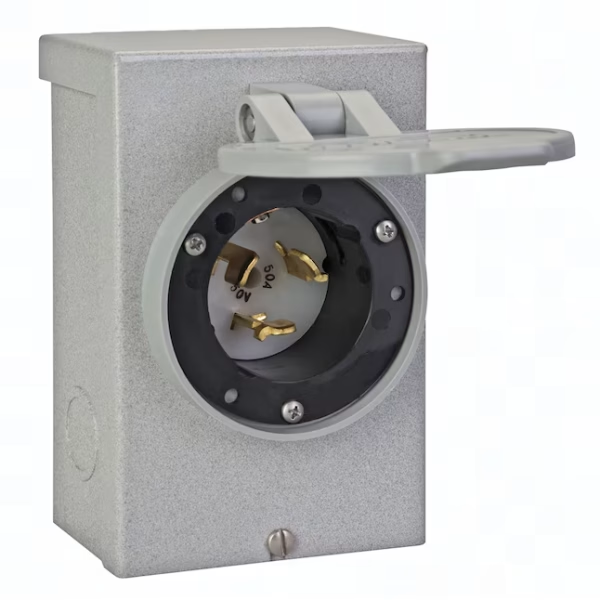
A manual transfer switch is a subpanel installed adjacent to your main electrical panel that contains a set of double-throw circuit breakers, one for each circuit you want to be able to run from your generator. Each circuit in the subpanel has two positions: utility and generator. When utility power is present, the circuits are in the utility position. When you want to run those circuits from your generator, you manually flip each breaker to the generator position after starting the generator.
How a Manual Transfer Switch Operates During a Power Outage
The typical sequence when using a manual transfer switch during an outage is as follows. Utility power fails. You go to the manual transfer switch panel and move each circuit breaker from the utility position to the off position, then to the generator position. You go to your portable generator, wheel it to its outdoor operating location, fill it with fuel if needed, and start it manually. Once the generator is running at stable output, you connect it to the transfer switch’s inlet with the appropriate power cord. Your selected circuits now operate from generator power. When utility power is restored, you reverse the sequence: disconnect the generator, switch the circuits back to utility position, then shut off the generator.
That process works reliably and safely. It is also entirely dependent on someone being present, awake, physically capable, and willing to perform it every time an outage occurs, in whatever conditions the outage brings.
When a Manual Transfer Switch Is the Right Answer
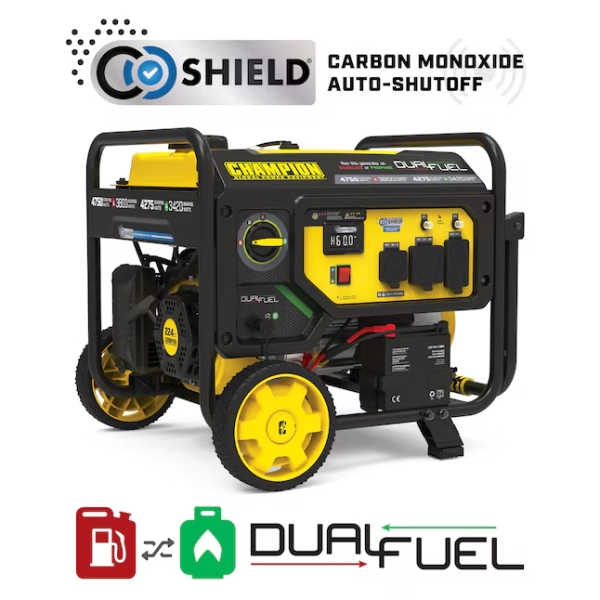
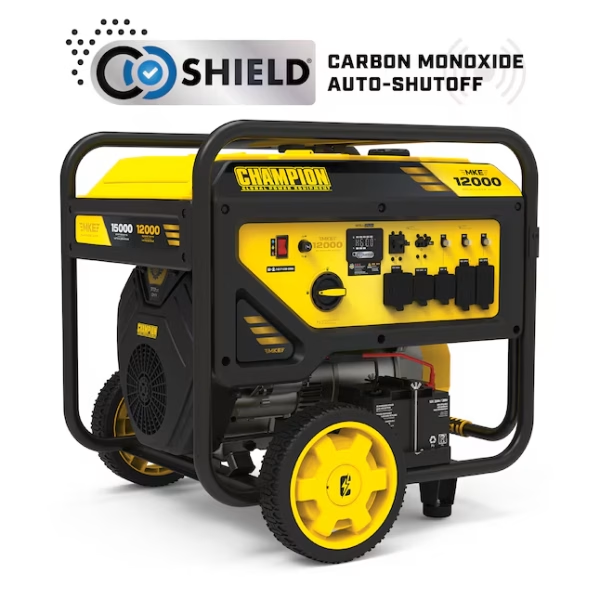
A manual transfer switch is the appropriate choice when paired with a portable generator in situations where automatic operation is not a priority, the outage frequency is low, the primary need is essential circuit coverage rather than whole-home power, and the cost differential between a manual and automatic switch matters to the total project budget. A manual transfer switch installed by a licensed electrician is a safe, code-compliant, and effective solution for many residential backup power applications. Browse IB Lighting’s portable inverter generator range here for units commonly paired with manual transfer switches.
Automatic Transfer Switch Explained: How It Works and When It Is Required
An automatic transfer switch is a device that continuously monitors incoming utility power and controls the entire sequence of outage detection, generator start signal, load transfer, load retransfer, and generator shutdown without any human involvement. It is the component that makes a home standby generator genuinely automatic rather than simply more powerful than a portable unit.
How an Automatic Transfer Switch Operates During a Power Outage
The ATS monitors utility power at all times through voltage and frequency sensing circuits. When utility voltage drops below a preset threshold, typically around 90 percent of nominal, or utility frequency deviates significantly from 60Hz, the ATS interprets this as an outage and begins the transfer sequence.
The ATS sends a start signal to the standby generator. The generator starts and runs through a warm-up period, typically 10 to 30 seconds, until it reaches stable operating voltage and frequency. The ATS then opens the utility contacts and closes the generator contacts simultaneously, transferring your home’s electrical load to the generator in a seamless transition. Most modern ATSs complete the transfer in under 30 seconds from the initial outage detection to power restoration.
When utility power is restored and confirmed stable for a preset delay period, typically 30 to 60 seconds to confirm the restoration is not a momentary fluctuation, the ATS retransfers the load from the generator back to utility power, then sends a cool-down signal to the generator. The generator runs unloaded for a cool-down period and then shuts off. The entire sequence is complete and your home is back on utility power with the generator ready for the next outage.
Key Features of Modern Automatic Transfer Switches: Generac and Kohler Examples
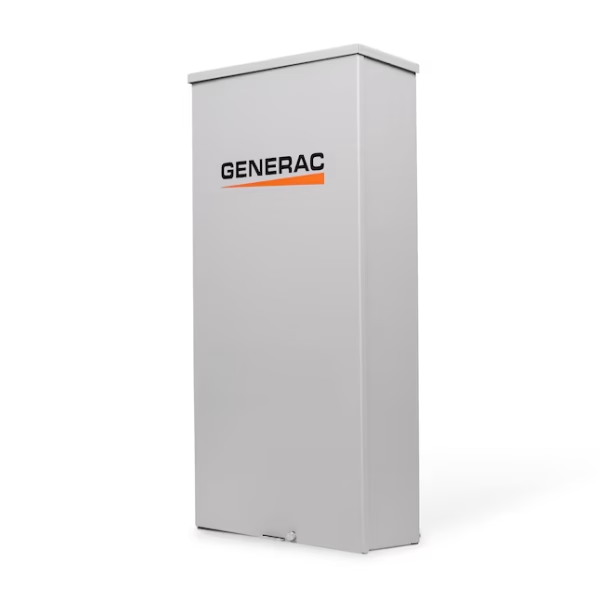
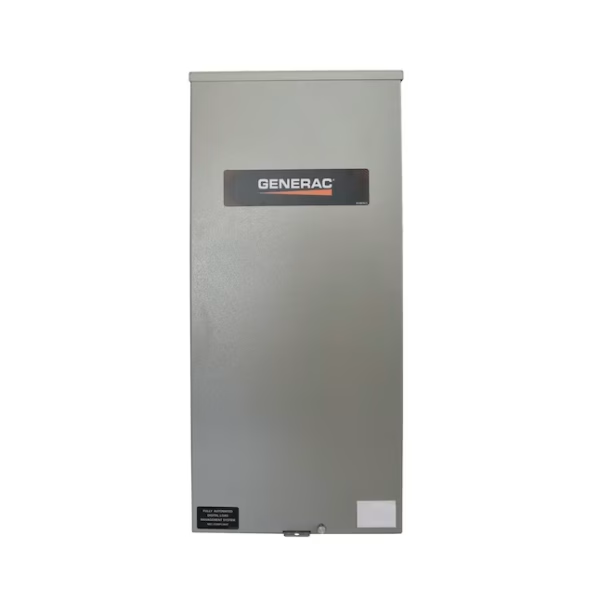
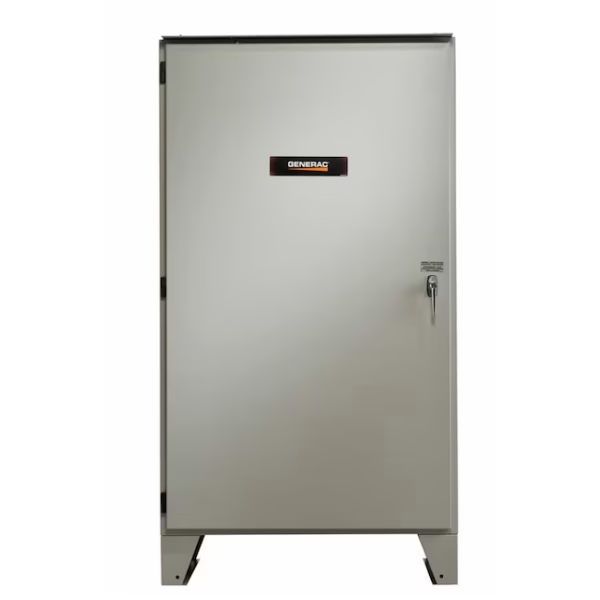
Modern ATSs from Generac and Kohler include features that go well beyond the basic transfer function. Generac’s RTSI and RTSN series automatic transfer switches include a weekly exercise cycle that starts the generator automatically for a brief test run, ensuring it is ready to perform when an actual outage occurs. Kohler’s RXT series ATS is widely regarded for its build quality, integration reliability, and clean installation profile.
Both brands’ ATSs include status indicator lights that show whether the system is on utility power, on generator power, or in a fault condition. Both include weatherproof enclosures rated for outdoor installation alongside the main panel. And both are designed to integrate directly with their respective generator’s control board, enabling seamless communication between the generator and the switch throughout the transfer sequence.
Transfer Switch vs Automatic Transfer Switch Difference in Specific Applications
Understanding the transfer switch vs automatic transfer switch difference in the context of specific real-world applications makes the right choice for your situation much clearer. Here is how that decision breaks down across the most common scenarios.
🏠 Home Standby Generator Installation
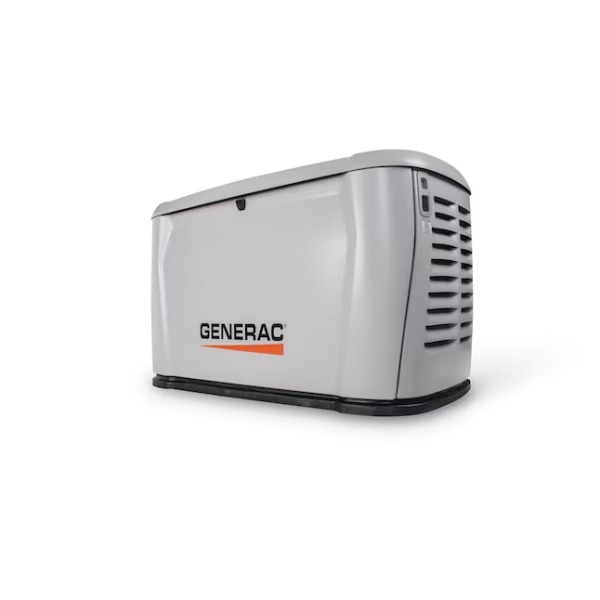
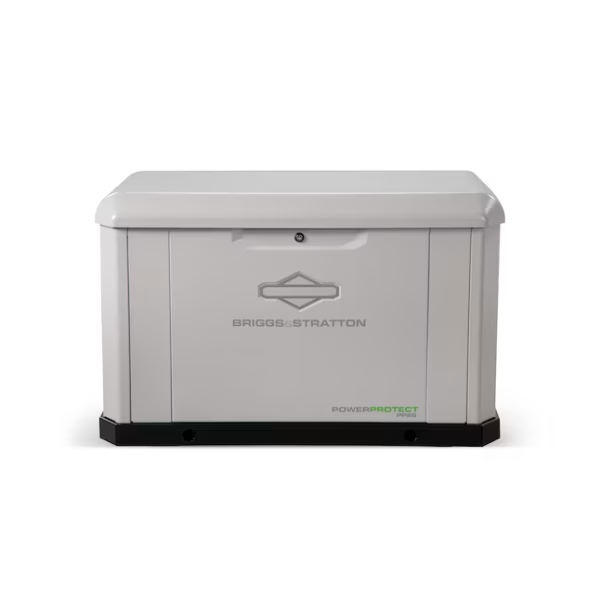
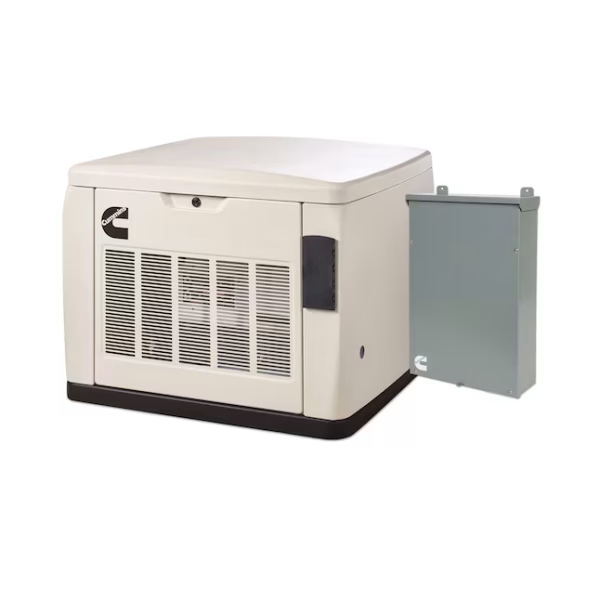
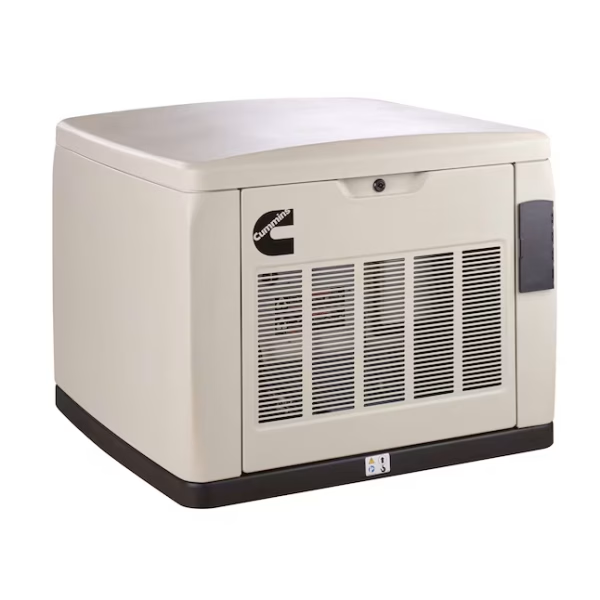
Automatic transfer switch is required. A home standby generator is a permanently installed, automatic backup power system. Its defining value proposition is that it operates without any human involvement. Installing a manual transfer switch with a home standby generator defeats the purpose of the standby system entirely. Generac and Kohler both require an ATS as a condition of their standby generator warranty. IB Lighting confirms the correct ATS configuration for every home standby generator order before it ships.
🛰 Portable Generator with Selected Circuit Coverage
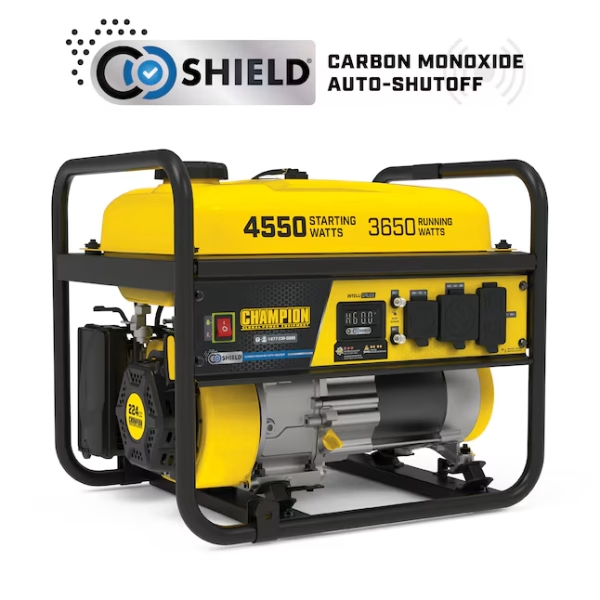
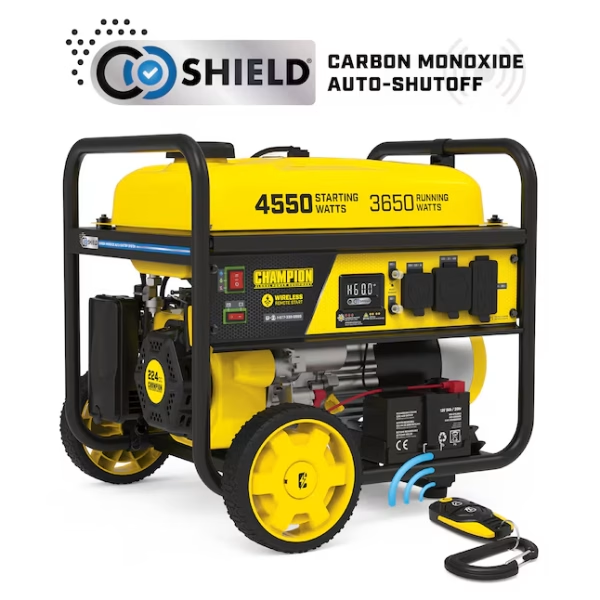
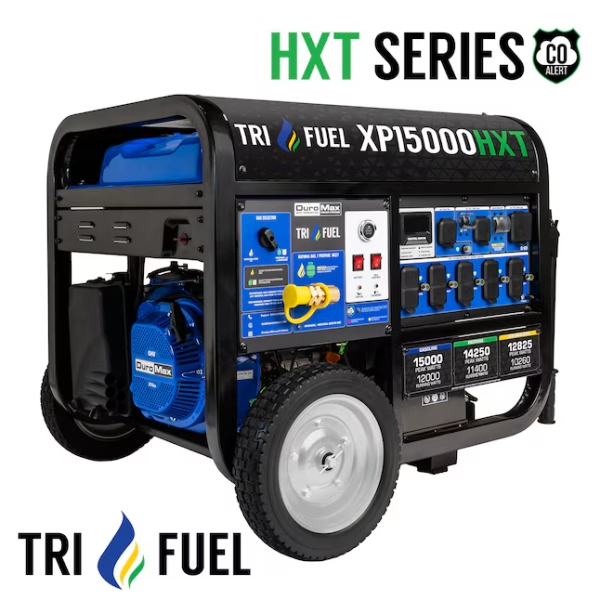
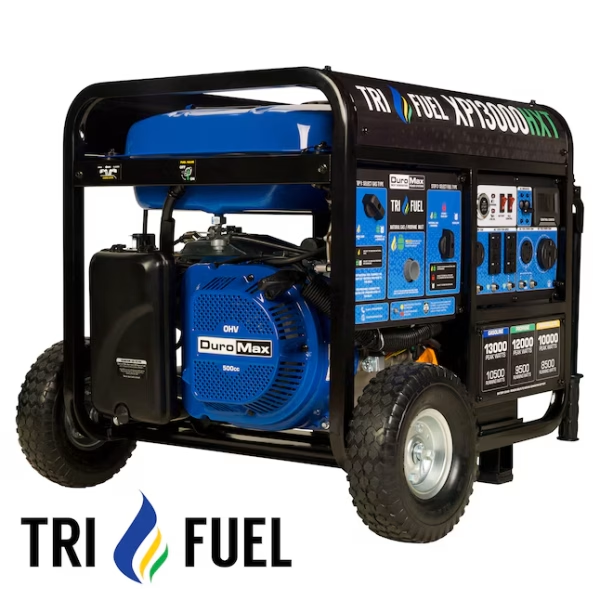
Manual transfer switch is appropriate and cost-efficient. A portable generator paired with a manual transfer switch and a licensed electrician’s installation is a safe, code-compliant, and effective solution for essential circuit backup. The manual switch is less expensive than an ATS, simpler to install, and entirely appropriate for the operational model of a portable generator that is manually started and managed during outages.
🏥 Home with Medical Equipment Requiring Continuous Power
Automatic transfer switch with a home standby generator is the only responsible solution. A CPAP, oxygen concentrator, home dialysis machine, or other life-critical electrically powered medical equipment cannot tolerate the minutes or hours of delay involved in manually operating a transfer switch and starting a portable generator. An ATS transfers the load in seconds. A manual switch cannot deliver that response time reliably in a real outage event.
💻 Home Office or Remote Work Household
Lean toward automatic transfer switch. A household where income depends on continuous internet, computer, and phone availability during working hours cannot tolerate the delay of a manual transfer sequence. An ATS with a home standby generator ensures work continues uninterrupted the moment an outage occurs, without any action required from the homeowner.
💰 Budget-Constrained Buyer in Low-Outage Area
Manual transfer switch with a portable generator is a reasonable solution. For buyers where upfront cost is a primary constraint and outages in their area are infrequent and short-duration, a manual transfer switch with a quality portable generator is a genuinely adequate backup power solution. The lower equipment and installation cost may make this the practical choice when automatic operation is not a priority need.
🍎 Vacation Property or Second Home
Automatic transfer switch with a home standby generator is the practical solution. A vacation property or second home is unlikely to have anyone present when an outage occurs. Pipes can freeze, refrigerators can spoil, and sump pumps can fail during extended outages at unoccupied properties. An ATS with a standby generator protects the property automatically without requiring anyone to travel to the location to start a generator.
Transfer Switch Sizing: What Both Types Require Before Installation
Regardless of which type you choose, both manual and automatic transfer switches must be correctly sized for your application. An incorrectly sized transfer switch creates code compliance problems, potential equipment damage, and safety risks.
Amperage Rating Must Match Your Main Panel and Generator
Transfer switches are rated in amperage, typically 100-amp, 150-amp, or 200-amp configurations for residential applications. The transfer switch amperage rating must be matched to your home’s main electrical panel amperage. A home with a 200-amp main panel requires a 200-amp transfer switch. Installing a 100-amp transfer switch on a 200-amp panel creates a code violation and a bottleneck in your home’s electrical distribution during generator operation.
For manual transfer switches that cover only selected circuits rather than the whole home, the amperage of the individual circuit breakers in the transfer switch subpanel must match the circuits being served. A 20-amp circuit breaker in the transfer switch must serve a 20-amp circuit. A 30-amp breaker serves a 30-amp circuit. Mismatched breaker ratings are a code violation and a potential fire hazard.
Generator Output Must Be Matched to Transfer Switch Configuration
The generator’s output capacity must also be considered alongside the transfer switch configuration. An automatic transfer switch rated for whole-home transfer on a 200-amp panel must be paired with a generator capable of supplying the home’s actual peak simultaneous load. Pairing a 200-amp whole-home ATS with a generator that cannot supply the home’s full load results in the generator stalling or tripping under the combined load of all connected circuits. IB Lighting’s electrician-led team works through this matching calculation before any transfer switch order ships.
The governing installation standard for both manual and automatic transfer switches in residential standby power applications is the NFPA 110 standard for emergency and standby power systems, alongside the NEC requirements. Your local authority having jurisdiction may impose additional specifications beyond these national standards.
Let IB Lighting Confirm the Right Transfer Switch Before You Order
IB Lighting’s Master Electrician-founded team matches the correct transfer switch type, amperage, and configuration to your generator and main panel before your order ships. This prevents the most common and costly installation mistakes in the generator category.
Frequently Asked Questions: Transfer Switch vs Automatic Transfer Switch Difference
What is the main difference between a transfer switch and an automatic transfer switch?
The main transfer switch vs automatic transfer switch difference is whether a human must operate the switch during an outage. A manual transfer switch requires a person to physically flip the switch from utility to generator position, start the generator manually, and reverse the process when utility power returns. An automatic transfer switch monitors utility power continuously and performs the entire sequence of outage detection, generator start, load transfer, load retransfer, and generator shutdown automatically without any human involvement.
Do I need a transfer switch for a portable generator?
Yes, if you connect your portable generator to your home’s wiring rather than using extension cords directly to appliances. The National Electrical Code requires a transfer switch or interlock kit to prevent back-feed from reaching utility lines during outage, which could electrocute utility workers. A manual transfer switch or interlock kit installed by a licensed electrician is the appropriate solution for most portable generator applications. Connecting a generator to your home’s wiring without a transfer switch is an illegal installation in virtually every US jurisdiction.
Can I use a manual transfer switch with a home standby generator?
Technically a manual transfer switch prevents the back-feed safety hazard with any generator, but it is not the appropriate solution for a home standby generator and is not compatible with how standby generators are designed to operate. Home standby generators are automatic systems that detect outages and start themselves without human intervention. Without an automatic transfer switch to accept the generator’s output automatically, the standby generator has no way to connect its power to your home’s circuits without manual intervention. Generac and Kohler both require an ATS as a condition of their standby generator warranty.
How long does an automatic transfer switch take to switch power during an outage?
A modern automatic transfer switch detects a utility power failure within seconds and completes the full transfer to generator power, including the generator warm-up period, in approximately 10 to 30 seconds for most residential home standby generator installations. Generac’s ATS configurations typically complete the transfer in around 10 to 30 seconds from initial outage detection. Kohler’s RXT series is similarly responsive. The brief outage period before generator power is restored may cause digital clocks to reset and computers without battery backup to lose unsaved work, but it is invisible to most household loads including refrigerators, HVAC systems, and lighting.
What size transfer switch do I need for my home?
The transfer switch amperage rating must match your home’s main electrical panel amperage. A 200-amp main panel requires a 200-amp transfer switch. A 150-amp panel requires a 150-amp switch. For manual transfer switches covering only selected circuits rather than the whole home, the subpanel configuration must match the circuits being served. IB Lighting’s Master Electrician-founded team confirms the correct transfer switch size and configuration for your specific generator and panel before your order ships. Call (800) 674-9019 or visit the Expert Advice hub to get started.
Does IB Lighting carry transfer switch kits for both Generac and Kohler generators?
Yes. IB Lighting carries a full range of generator transfer switch kits compatible with both Generac and Kohler home standby generators. All transfer switch kits ship with free nationwide freight delivery and free freight insurance. IB Lighting’s electrician-led team confirms transfer switch compatibility with your chosen generator and main panel amperage before every order ships to ensure a matched, code-compliant system arrives together.
Does a transfer switch need to be installed by a licensed electrician?
Yes. Both manual and automatic transfer switches must be installed by a licensed electrician in most US jurisdictions. Transfer switch installation involves work inside your main electrical panel, which is among the most hazardous electrical tasks in a residential setting. A permit is required in virtually every jurisdiction and an electrical inspection is conducted after installation to verify code compliance before the system is placed into service. Self-installation of a transfer switch is illegal in most states and voids the manufacturer warranty on the transfer switch and the connected generator.
What is the difference between a transfer switch and an interlock kit?
An interlock kit is a mechanical device installed on your existing main electrical panel that physically prevents the main breaker and a generator breaker from both being in the on position simultaneously. It is a simpler and less expensive alternative to a dedicated transfer switch subpanel for portable generator applications. An interlock kit allows you to select which circuits to run from the generator by individually switching off breakers you do not need, then switching on the generator breaker. A dedicated manual transfer switch subpanel is a separate panel with pre-selected circuits and dedicated breakers for each. Both are code-compliant solutions for portable generator backup when installed by a licensed electrician, but an interlock kit has more circuit management complexity during an outage.
The Bottom Line on the Transfer Switch vs Automatic Transfer Switch Difference
The transfer switch vs automatic transfer switch difference resolves to a single practical question: do you need your backup power system to operate without you, or are you willing and able to be present and active every time an outage occurs?
If you have a home standby generator, the answer to that question is already embedded in the product itself. A standby generator is an automatic system and it requires an automatic transfer switch to fulfill that purpose. There is no practical alternative configuration for a home standby generator installation.
If you have a portable generator and your primary need is essential circuit coverage during occasional, manageable outages, a manual transfer switch installed by a licensed electrician is a safe, code-compliant, and cost-efficient solution that serves that application well.
IB Lighting carries transfer switch kits for both applications, ships them with free nationwide freight delivery and free freight insurance, and has an electrician-led team that confirms the correct switch type, amperage, and configuration for your specific generator and panel before your order ships. Browse the full transfer switch kit range at IB Lighting here, or call our team at (800) 674-9019 to confirm the right configuration before you commit to any purchase.
Shop Generator Transfer Switch Kits at IB Lighting
Free nationwide freight delivery. Free freight insurance on every order. Master Electrician-founded team confirms compatibility before every order ships. Generac and Kohler transfer switch kits carried. No sales tax in select states.
📞 (800) 674-9019 | ✉ support@iblighting.com | 22325 W Warren Ave, Dearborn Heights, MI 48127