















What Size Generator for Mobile Home? Safe 2026 Guide


What Size Generator for Mobile Home? Safe 2026 Guide
🕑 {{READ_TIME}} min read Updated: {{UPDATED}} Table of Contents What Size Generator for Mobile Home Backup? The Short Answer Why Mobile Home Electrical Service Changes the Math Service...

- What size generator for mobile home backup? A 10kW standby covers most gas-heated homes, while electric heat pushes the answer to 18kW.
- The NEC requires mobile home service equipment rated at least 100 amps, but the actual running load is usually far smaller.
- Electric furnaces for manufactured homes run from 10kW to 23kW, and a 15kW unit alone draws about 62 amps.
- Gas-heated mobile homes were historically built around a 40-amp supply cord, which shows how light the base load is.
- Renters in parks usually need a 120/240-volt portable with an inlet box rather than a permanent standby system.
What size generator for mobile home backup? For a gas-heated home, a 10kW standby or a 7,500-watt portable covers everything that matters. For a home with an electric furnace, plan on 18kW, because heat strips alone can draw 62 amps. Your heat source decides the answer.
Founded in 2013 by a licensed Master Electrician, IB Lighting ships standby and portable generators nationwide. Manufactured homes come up often, and the advice online rarely fits them. Most guides assume a 200-amp site-built house with a gas furnace. A mobile home is wired differently, sized differently, and often sits on a rented lot. Below, our electrician-led team works from code requirements and manufacturer data instead of generic square-foot rules.
What Size Generator for Mobile Home Backup? The Short Answer
What size generator for mobile home backup depends on heat, cooling, and whether you can install permanent equipment. For example, a gas-heated single-wide with a 2-ton air conditioner runs comfortably on a 10kW standby, which supplies 42 amps on propane. However, add an electric furnace and the picture changes completely. Manufactured home electric furnaces are sold in 10kW through 23kW sizes, so a common 15kW model draws roughly 62 amps by itself.
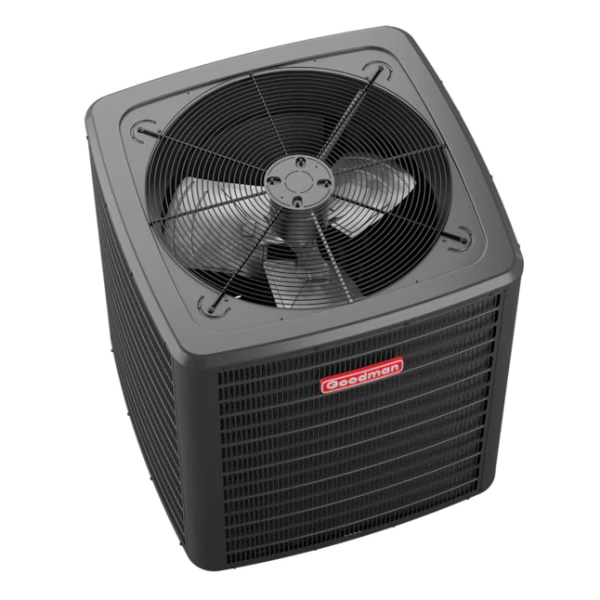
Notably, cooling adds less than most people expect. Goodman lists 8.2 running amps for its 2-ton compressor plus 0.70 amps for the fan, so a 2-ton system adds about 9 amps. Consequently, heat is the swing factor in nearly every mobile home. Water heating matters too, since a 4,500-watt electric tank adds about 19 amps. Meanwhile, park rules can limit what you install at all. The table below shows where each common setup lands.
| Home setup | Estimated running load | Standby size | Portable size |
|---|---|---|---|
| Single-wide, gas heat, window AC | About 30 A | 10kW | 7,500 W |
| Single-wide, gas heat, 2-ton central AC | About 29 A | 10kW | 7,500 to 9,000 W |
| Double-wide, gas heat, 3-ton central AC | About 43 A | 14kW to 18kW | 10,000 to 12,000 W |
| Single-wide, 15kW electric furnace | About 82 A | 18kW | Not practical |
| Double-wide, 20kW electric furnace | About 111 A | 22kW plus load management | Not practical |
Next, the wiring itself explains why mobile home sizing differs from a site-built house.
Why Mobile Home Electrical Service Changes the Math
First, mobile homes follow their own code article. NEC Article 550 covers mobile homes, manufactured homes, and mobile home parks, and it sets rules that shape any generator project. Service equipment must be rated at least 100 amps at 120/240 volts, according to 550.32(C). In addition, it has to sit outdoors, off the home itself, in a readily accessible spot within sight of the home. The 2023 NEC allows that equipment up to 50 feet away, relaxing an earlier 30-foot limit.
Therefore, the transfer switch usually lands at that outdoor service equipment rather than inside the home. Similarly, park lot feeders carry the same 100-amp minimum. As a result, an installer plans around a pedestal or a pole-mounted panel instead of a basement load center. Read the code summary in EC&M’s article on NEC requirements for prefabricated homes.

Service Rating Is Not Your Load
What most guides get wrong: many articles size a mobile home generator to the service rating, telling readers a 100-amp service needs a generator capable of 100 amps. That is not how backup power works. Service size sets the maximum the wiring can carry, not what your appliances actually draw at once.
In fact, the code itself makes the point. NEC 550.10 allowed a mobile home factory-equipped with gas or oil-fired central heating and cooking appliances to use a supply cord rated just 40 amps. In other words, a gas-heated mobile home was designed around a 40-amp supply. So a 10kW generator at 42 amps matches the entire design load of that home. So size to your real loads instead of the panel label.
That brings the discussion back to heat, which is where the amps hide.
Electric or Gas Heat: The Load That Decides Everything
By far, electric heat is the biggest factor in mobile home generator sizing. Manufactured home electric furnaces from brands such as Nordyne, Intertherm, and Miller come in 10kW, 12kW, 15kW, 17kW, 20kW, and 23kW sizes. Converted to current, those become roughly 42, 50, 62, 71, 83, and 96 amps at 240 volts. A 15kW model, one of the most common, needs about 62 amps before you add anything else in the home.
By contrast, gas and propane furnaces change everything. In contrast, their draw is just the blower and controls, usually a few amps. Therefore, a propane-heated single-wide might pull 25 to 30 amps total during an outage, while the identical home with electric heat pulls more than 80. Same square footage, completely different generator. So check the furnace data plate before you shop, since the kW rating is printed right on it.

Heat Pumps With Electric Backup
Meanwhile, heat pumps look efficient until the temperature drops. In mild weather, the compressor carries the load at a modest draw. When it gets cold, or when the system defrosts, the electric backup strips energize, and the draw jumps to furnace levels.
Unfortunately, that hits during a winter outage, which is when heat matters most. A generator sized for the compressor alone will trip or stall once the strips come on. So ask your HVAC contractor whether the strips can be staged or locked out during generator operation. Many thermostats support an emergency heat lockout, and staging the elements spreads the load instead of applying it all at once.
Cooling deserves the same check, though it usually surprises people in a good way.
How Much Does Mobile Home Air Conditioning Add?
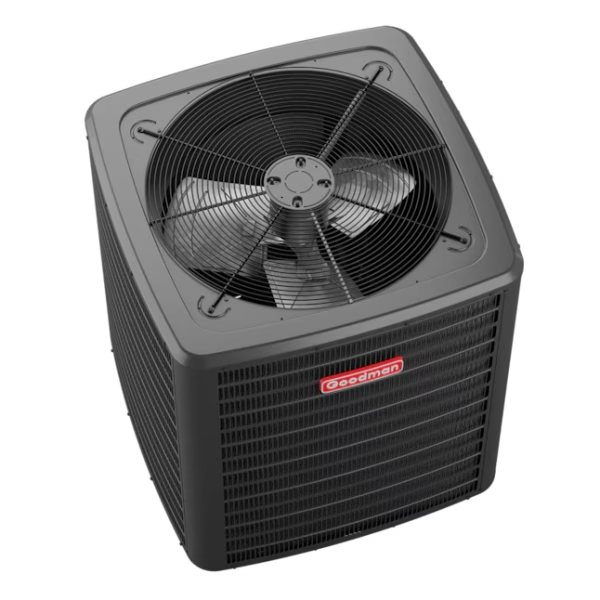
Fortunately, central air adds less than heat strips in almost every case. Goodman’s published data for its 2-ton condenser lists 8.2 running amps for the compressor and 0.70 amps for the fan motor, or roughly 9 amps total. Startup is brief but sharper, at 41.2 locked-rotor amps on that same model. For a 3-ton unit, Goodman lists 83.3 locked-rotor amps, roughly double the 2-ton figure.
Generally, single-wides run 2-ton systems, while double-wides step up to 3 tons. Meanwhile, window units land even lower, usually a few amps each on 120 volts. In practice, a gas-heated mobile home with central air still fits inside a 10kW standby. Even so, the compressor needs headroom to start, so avoid loading the generator to its rating first. A soft starter helps when the margin is thin. Our best generator for 2 ton AC guide walks through the full startup math.
| Cooling system | Running draw | Startup surge | Typical home |
|---|---|---|---|
| Window units | A few amps each, 120V | Low | Older single-wides |
| 2-ton central | About 9 A | 41.2 LRA | Single-wide |
| 3-ton central | Roughly 14 to 16 A | 83.3 LRA | Double-wide |
With heat and cooling settled, the essentials list answers what size generator for mobile home backup you truly need.
Sizing for Essentials Only
In practice, many mobile home owners do not need whole-home backup at all. Instead, an essentials plan covers the refrigerator, lighting circuits, the furnace blower, a well pump if you have one, internet equipment, and a few outlets. Typically, that list totals 20 to 30 amps at 240 volts in a single-wide, and closer to 30 to 40 in a double-wide with more appliances.
Here, essentials sizing is where portables shine. A 7,500-watt portable supplies about 31 amps at 240 volts, and a 12,000-watt unit supplies 50 amps. Moreover, an essentials plan lets you skip the electric furnace entirely and heat with a propane space heater rated for indoor use. That single decision can cut the generator you need in half. Just size the circuits into a transfer switch deliberately rather than by habit. Then label them, so everyone in the house knows what stays on.
- Refrigerator and chest freezer.
- Lighting circuits and a few receptacle circuits.
- Furnace blower or space heating plan.
- Well pump or sump pump, if present.
- Internet equipment and phone charging.

If you own your lot, a standby system turns that plan into an automatic one.
Best Standby Generator Sizes for Mobile Homes
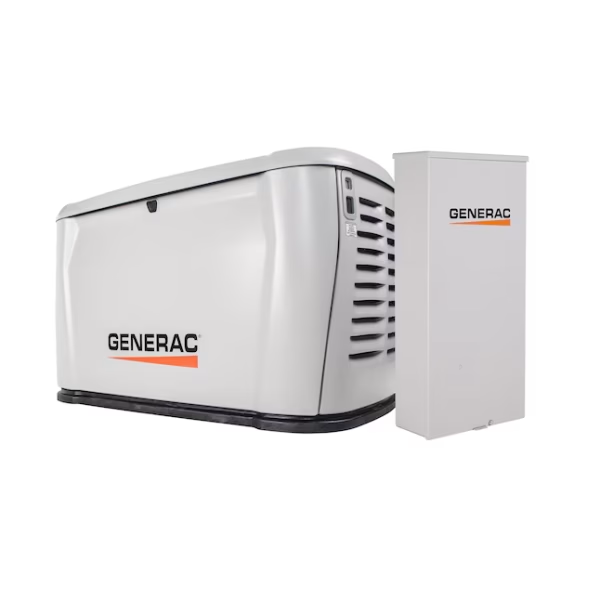
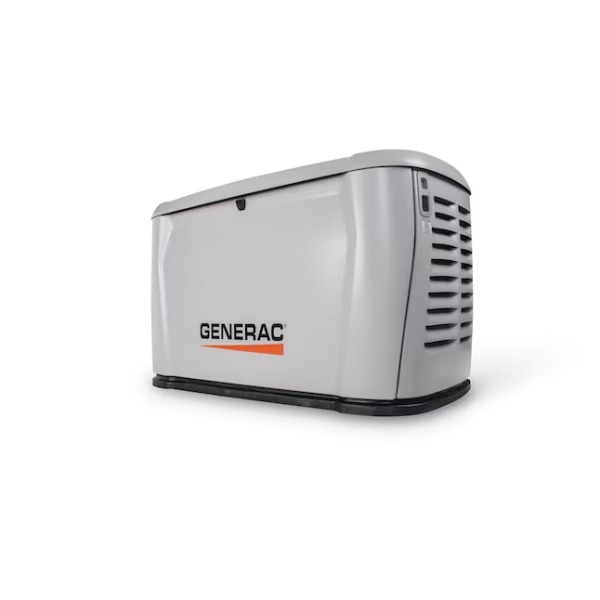
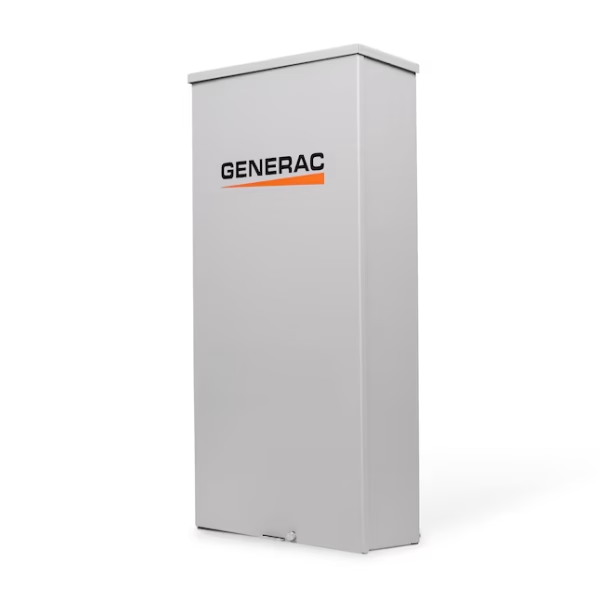
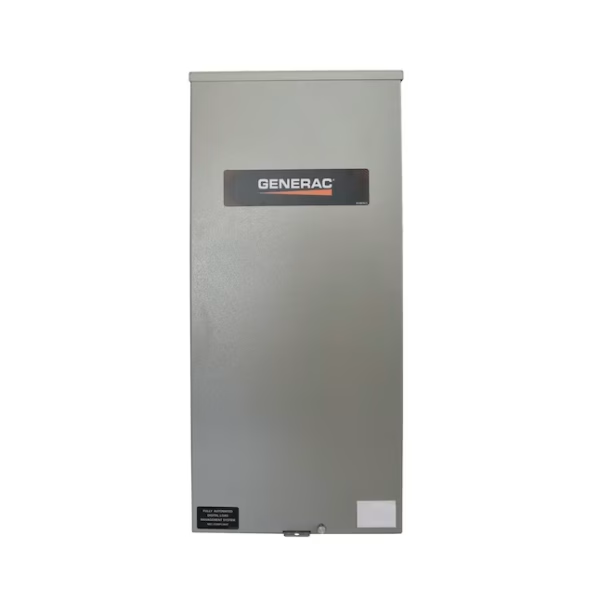
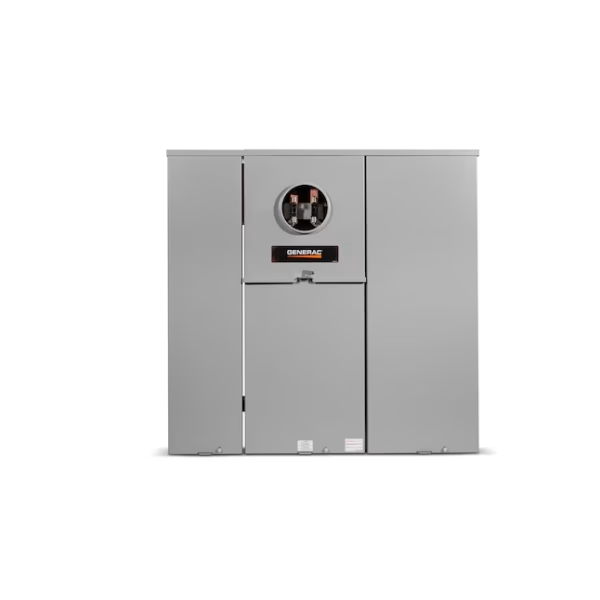
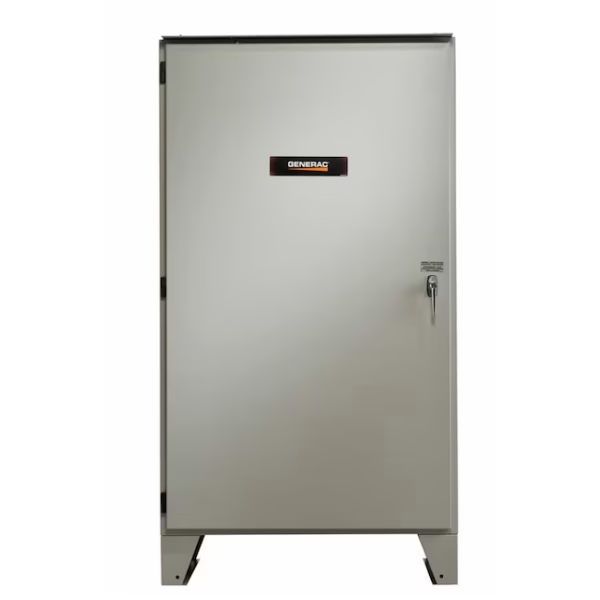
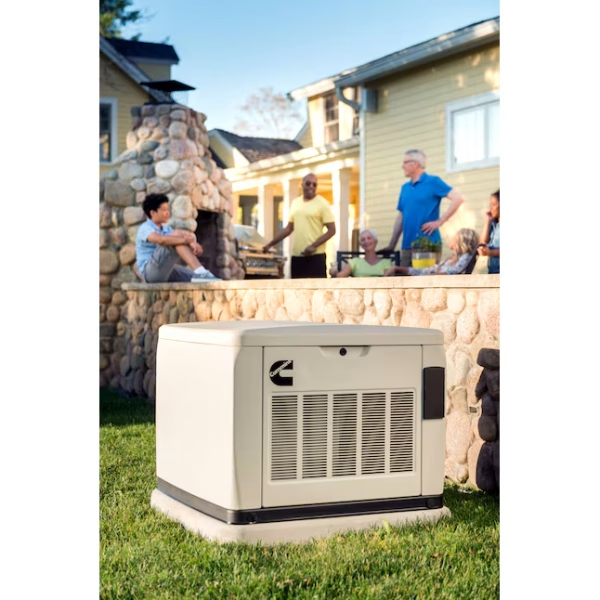
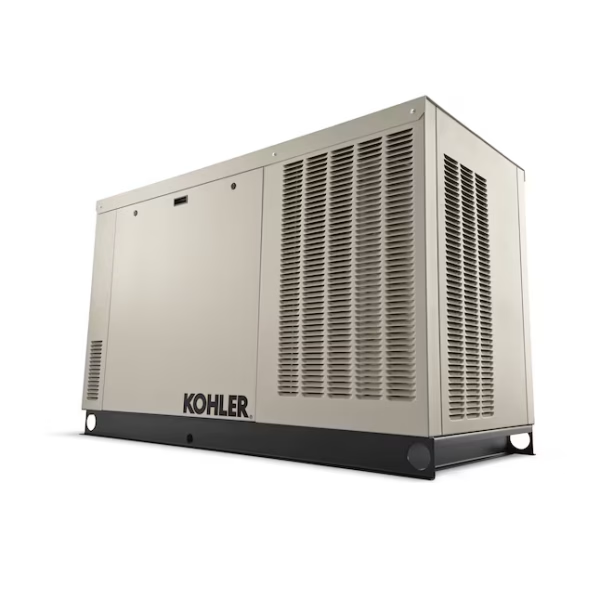
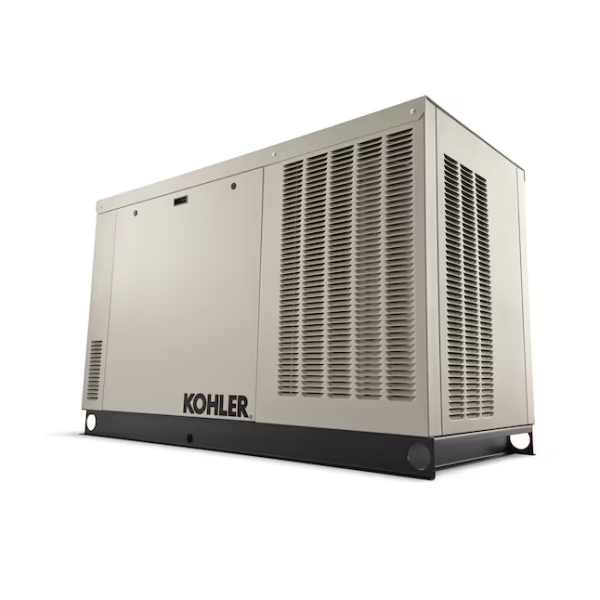
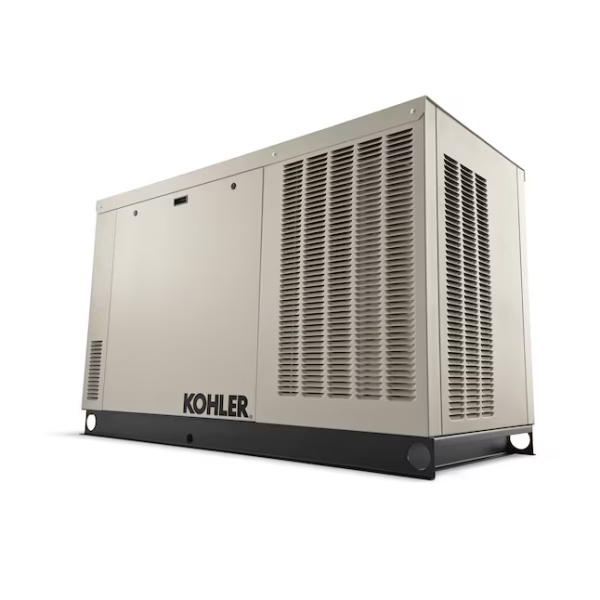
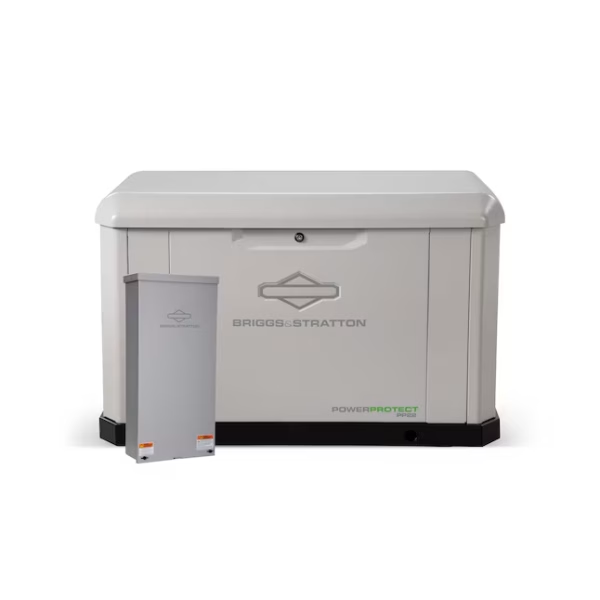
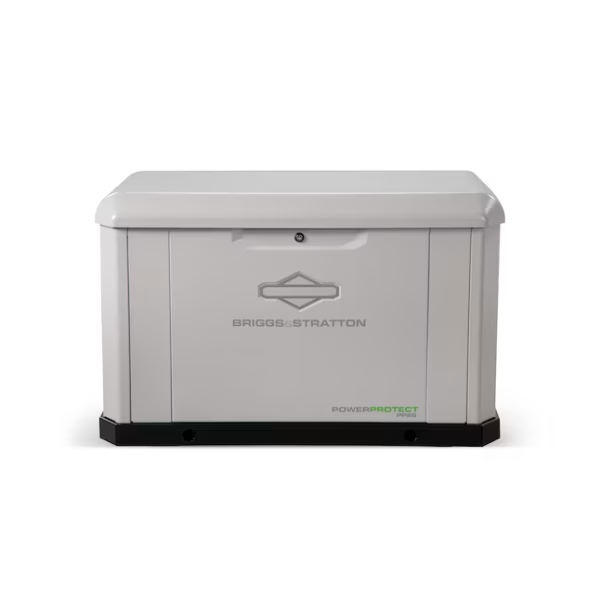
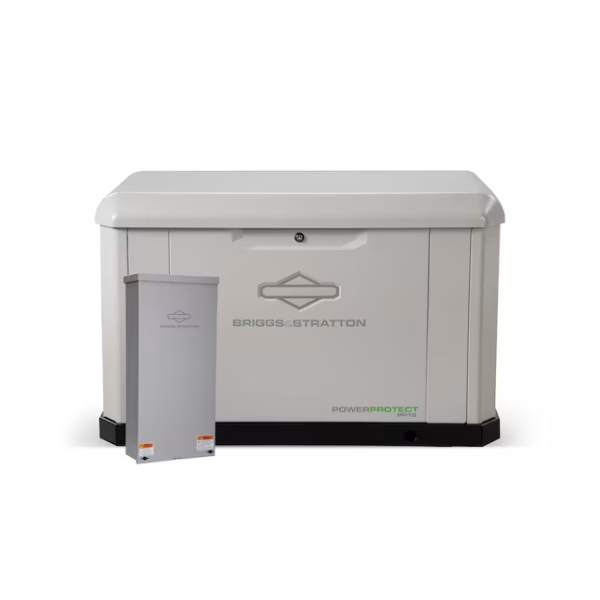
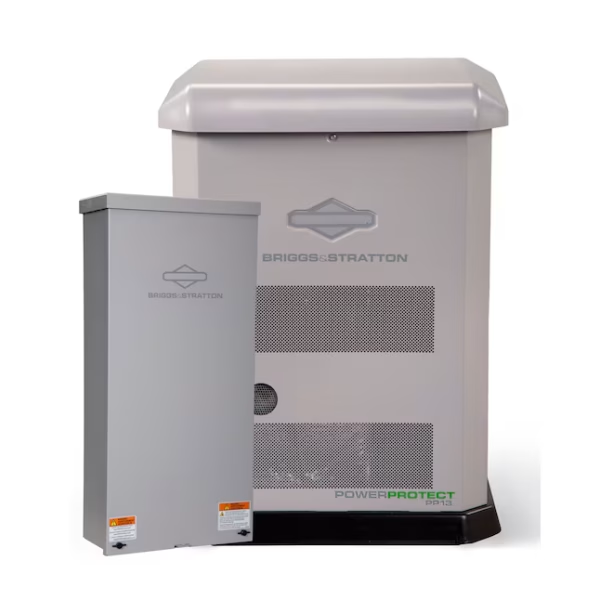
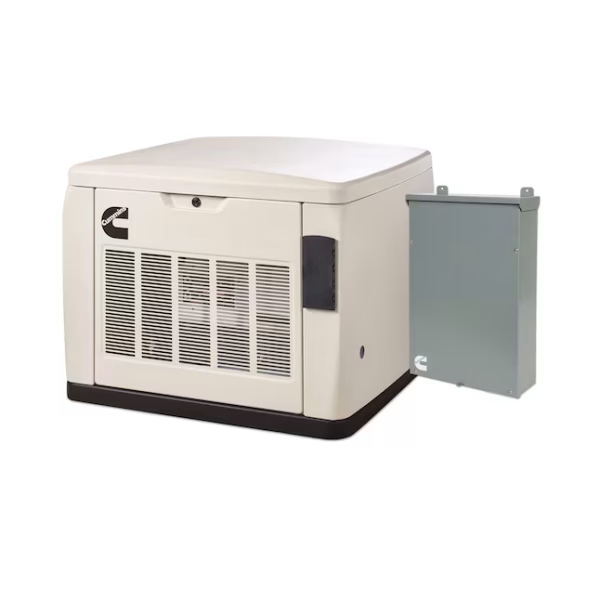
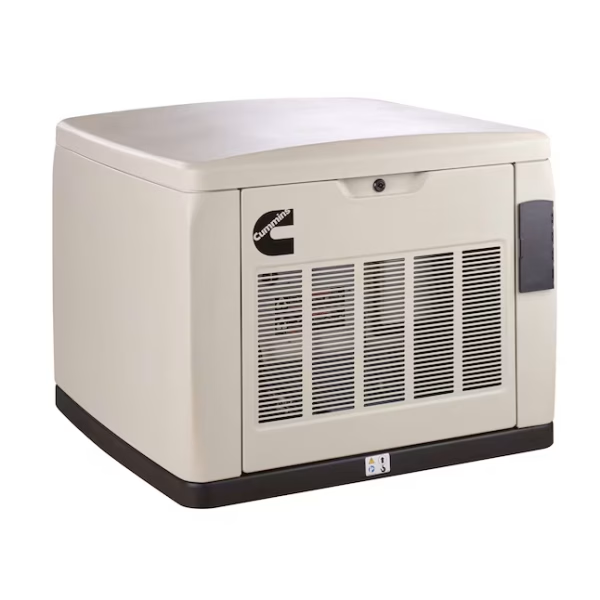
For owners asking what size generator for mobile home backup with gas heat, a 10kW standby is the natural match. Generac rates its 10kW at 42 amps on propane and 38 amps on natural gas, which covers essentials plus central air in most single-wides. The Generac 7321 bundles that generator with a 100-amp, 16-circuit transfer switch, and a 100-amp switch aligns neatly with the 100-amp service mobile homes use. In other words, you pick which circuits move to generator power.
Again, electric heat changes the recommendation. Specifically, an 18kW supplies 75 amps on propane, enough for a 15kW furnace plus lighting and refrigeration, though not much beyond that at once. Meanwhile, homes with a 20kW or 23kW furnace need a larger unit plus load management, or a plan that keeps the furnace off generator power. See the full lineup in our home standby generators collection.
Sizing backup power for a manufactured home?
Send us your furnace data plate and a list of must-run circuits. Our electrician-led team will size it properly. Talk to IB Lighting.
Portable Generator Sizing and Hookup
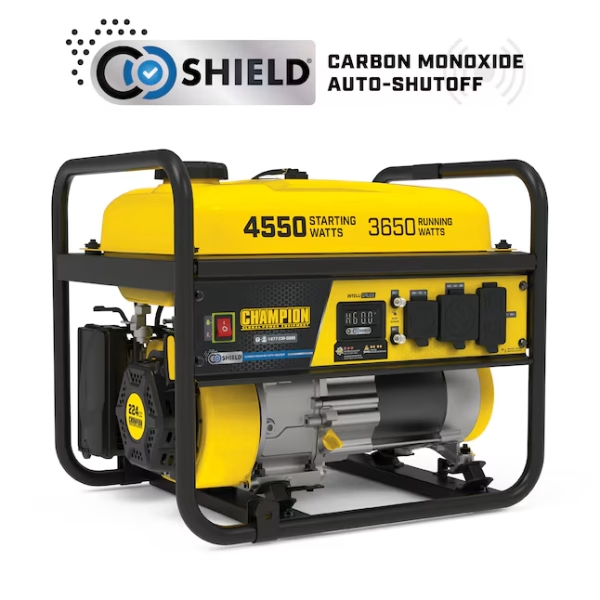
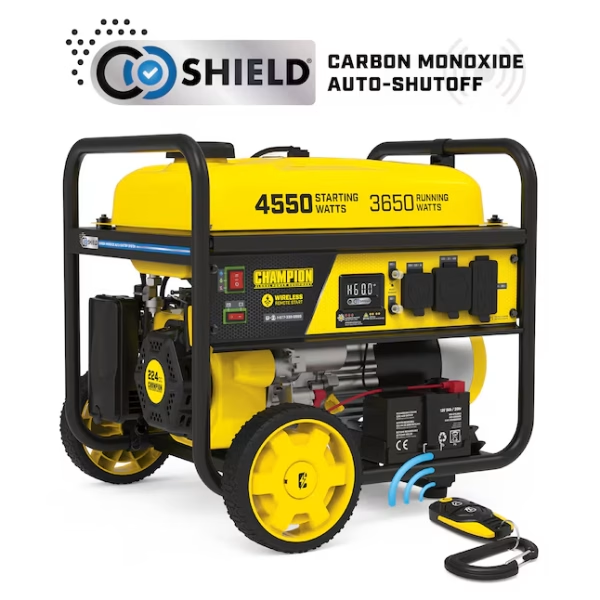
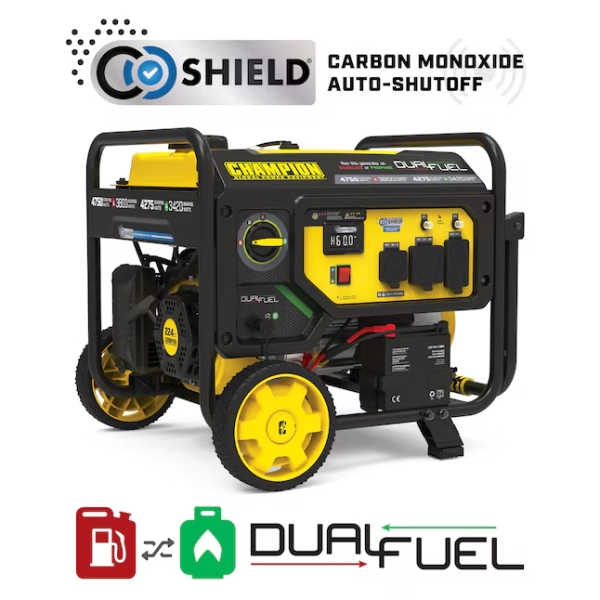
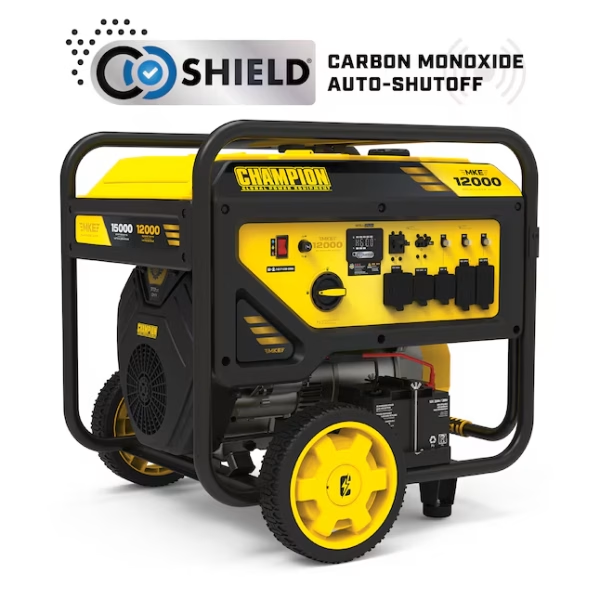
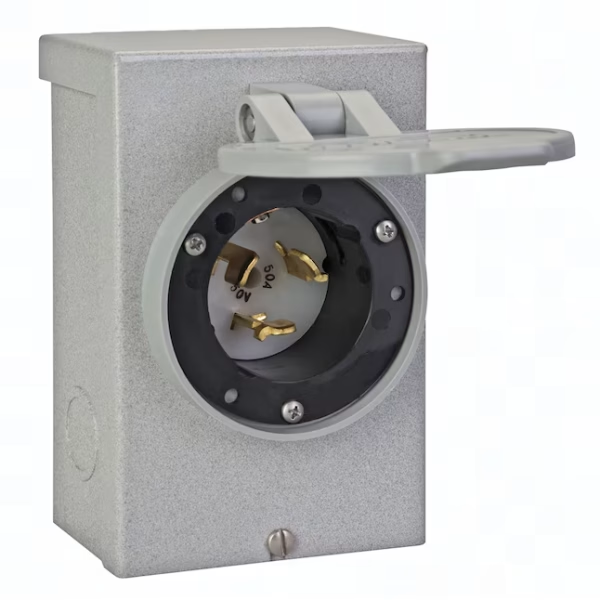
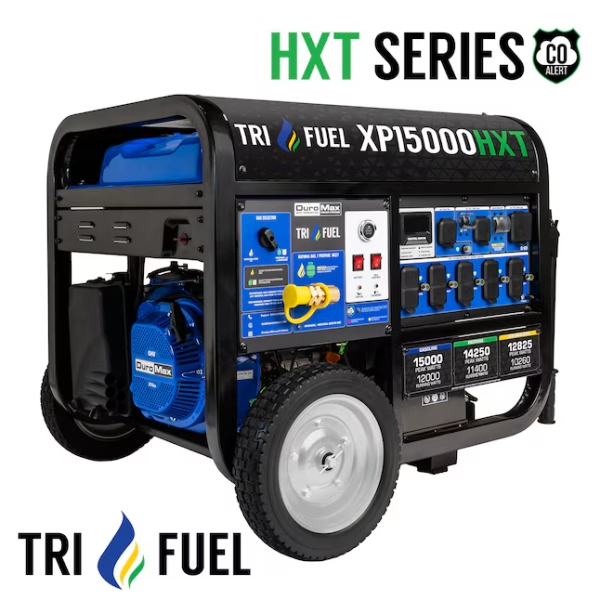
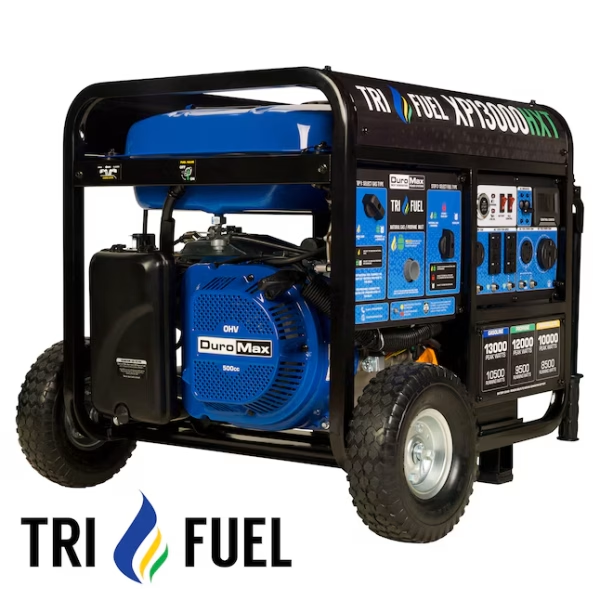
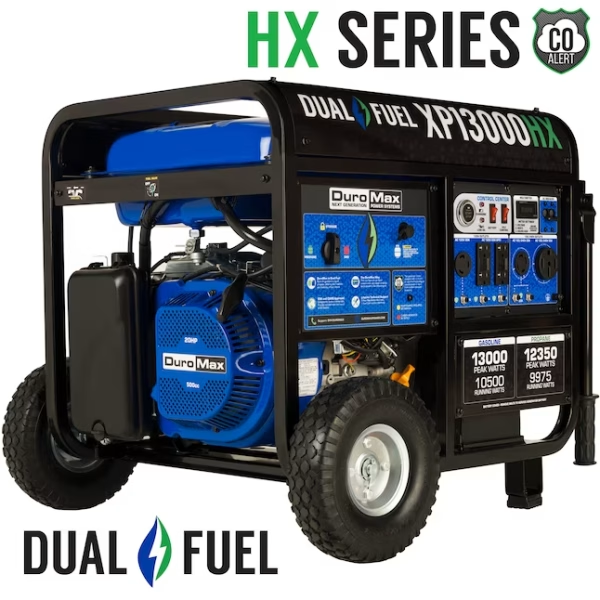
Portables suit mobile homes well, especially on rented lots. Portables also answer what size generator for mobile home use when a permanent install is off the table. The first requirement is a 120/240-volt outlet, because central air, well pumps, and electric water heaters all run on 240 volts. Many RV-ready portables provide 120 volts only, which cannot feed those loads at all. Check the panel for an L14-30R or 14-50R outlet before buying anything.
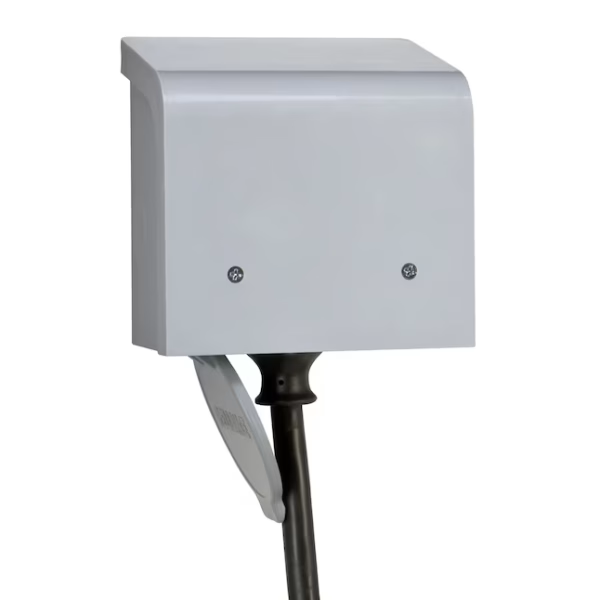
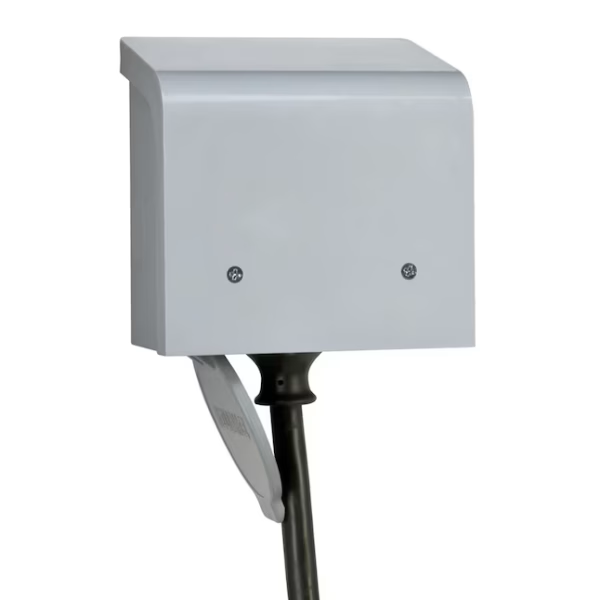
Next, the second requirement is a legal connection. Because cords through a window are unsafe and against code, plan on an outdoor power inlet box wired to a transfer switch or a listed interlock kit. Fortunately, a licensed electrician handles that work, and the same wiring serves a larger generator later. Browse options in our portable and inverter generators collection and transfer switch kits.

Pro tip: Photograph your furnace data plate, your service panel, and the label on the outside of the home that lists the ampere supply rating. Those three photos let any electrician or retailer size your system accurately on the first call.
Where the generator sits matters as much as its size.
Park Rules, Placement, and Clearances
Unfortunately, placement rules stack up quickly in a mobile home community. For one thing, lots are narrow, homes sit close together, and the service equipment is outdoors by code. For instance, Generac certifies its air-cooled units as close as 18 inches from a structure. Even so, exhaust still has to stay clear of windows, doors, and fresh air intakes. Propane tanks add their own setbacks, with aboveground tanks from 125 to 500 gallons needing 10 feet from buildings and property lines.
Also, park rules come on top of code. For example, many communities restrict permanent installations, require written approval, or limit generator noise and run times. So get permission in writing before you buy equipment, not after. If permanent equipment is off the table, a portable stored in a shed and connected through an inlet box remains a strong option. Our guide to natural gas vs propane generators covers the fuel side of that decision.

A short framework turns all of these factors into one number.
The FRAME Method for Mobile Home Sizing
The FRAME Method is IB Lighting’s five-step process for answering what size generator for mobile home backup in a specific home. It follows the order that actually changes the answer, starting with the furnace rather than the square footage. Our electrician-led team uses the same sequence when owners send photos of a data plate and panel. Because manufactured homes vary so widely in heating type, this order prevents the most common oversizing and undersizing mistakes.
Next, work the letters in sequence. Furnace comes first, since electric heat can triple what size generator for mobile home backup you need. Then record the rest of your running loads, and decide what must actually stay on. After that, check the amps you have available, and finally confirm placement, which can limit the entire plan. When all five line up, the interactive sizer below confirms the result.
- Furnace: read the kW rating on the data plate, or confirm gas heat.
- Running loads: add cooling, water heating, well pump, and appliances.
- Absolute musts: decide which circuits truly need backup power.
- Mains: note the service rating and the supply amps on the home’s nameplate.
- Environment: confirm lot space, park rules, and clearance to the home.

Sometimes what size generator for mobile home backup is the wrong question entirely.
When a Bigger Generator Will Not Help
Still, a larger generator cannot solve every mobile home problem. For one thing, a 100-amp feeder still caps what can flow into the home, no matter what sits outside. Likewise, an oversized unit is wasted money if park rules forbid installing it. Buying up also raises fuel use, since a lightly loaded generator still burns fuel through long outages. So the money often buys capacity you never use.
Often, changing the plan beats changing the generator. Staging heat strips, locking out emergency heat, or heating with a propane appliance during outages cuts the peak load dramatically. Similarly, a soft starter on the air conditioner lowers startup surge rather than requiring more capacity. In those cases, the fix costs far less than the next generator size up. Run the full math in our standby generator sizing calculator guide before upsizing.
- The feeder to the home limits current regardless of generator size.
- Park rules prohibit the permanent installation you were planning.
- Heat strips can be staged or locked out instead of powered all at once.
- A soft starter solves an air conditioner startup problem for far less.
Still unsure what size fits your home?
Call (800) 674-9019 with your furnace kW rating and must-run circuits. We will size the generator and the transfer switch together. Contact IB Lighting
Frequently Asked Questions
What size generator do I need for a mobile home?
For a gas-heated mobile home, a 10kW standby or a 7,500-watt portable covers essentials plus central air. For a home with an electric furnace, plan on 18kW, since a 15kW furnace alone draws about 62 amps at 240 volts. Your heat source, not square footage, drives the answer.
Will a 7,500-watt generator run a mobile home?
Yes, for essentials in a gas-heated home. A 7,500-watt unit supplies about 31 amps at 240 volts, which handles a refrigerator, lights, a furnace blower, a well pump, and a 2-ton air conditioner if loads are staggered. It will not run an electric furnace, which needs far more current.
Can a generator run a mobile home electric furnace?
Only a large one. Manufactured home electric furnaces range from 10kW to 23kW, which is roughly 42 to 96 amps at 240 volts. An 18kW standby supplies 75 amps on propane and can carry a 15kW furnace with limited extra load. Many owners instead plan alternate heat during outages.
What electrical service do mobile homes have?
The NEC requires mobile home service equipment rated at least 100 amps at 120/240 volts, mounted outdoors and off the home, within sight of it. Older gas-heated homes were sometimes supplied by a 40-amp cord. Service rating sets the wiring capacity, not the load your generator must actually carry.
Can I install a standby generator in a mobile home park?
Sometimes, with written approval. Many communities restrict permanent equipment, and lot spacing can make clearances difficult. Generac allows its air-cooled units as close as 18 inches from a structure, and propane tanks from 125 to 500 gallons need 10 feet from buildings and property lines. Ask management before buying.
How do I connect a portable generator to a mobile home?
Through an outdoor power inlet box wired to a transfer switch or a listed interlock kit, installed by a licensed electrician. Cords through a window are unsafe and not code-compliant. The generator also needs a 120/240-volt outlet, since many RV-ready portables supply 120 volts only.
Does a double-wide need a bigger generator than a single-wide?
Usually a little, but heat still dominates. A double-wide adds appliances, more lighting, and often 3-ton cooling instead of 2-ton, which might add 10 to 15 amps. An electric furnace adds 40 to 90 amps. So a gas-heated double-wide can still fit a 10kW to 14kW standby.
What size generator fits my specific mobile home?
It depends on home size, heat type, cooling, and whether you can install permanent equipment. Gas heat with modest cooling points to a 10kW standby, electric heat points to 18kW, and rented lots point to a portable. The interactive sizer in this guide estimates your load in under a minute.
When should I hire a professional for generator sizing?
Hire a licensed electrician for the load calculation, transfer switch selection, and any connection to home wiring, and confirm park approval first. Mobile home service equipment has its own code requirements under NEC Article 550. IB Lighting’s electrician-led team can match a generator to your loads. Contact our team for help.
Conclusion
What size generator for mobile home backup comes down to your furnace. First, gas-heated homes run comfortably on a 10kW standby or a 7,500-watt portable, because the base load is small. Second, electric furnaces from 10kW to 23kW dominate the calculation and push the answer toward 18kW or larger. Third, service rating is not load, and a 100-amp service does not require a 100-amp generator. Run the FRAME Method, photograph your data plates, and confirm park rules before you order anything.
Ready to size backup power for your manufactured home?
Shop standby and portable generators with expert support before and after purchase. Free Freight Insurance Included. See your exclusive price in cart. Shop Home Standby Generators
🚚 Nationwide Delivery | 🛡️ Free Freight Insurance Included | 🏠 Family-Owned and Operated | 🔒 Secure Checkout. Final pricing available in cart due to manufacturer advertising policies.
This article was last reviewed and updated in {{UPDATED}} to reflect current NEC Article 550 requirements, manufacturer ratings, and what size generator for mobile home planning practices. Explore our Expert Advice library, the IB Lighting shop, or the IB Lighting home page. Generac, Goodman, Nordyne, Intertherm, and Miller are trademarks of their respective owners. IB Lighting is an independent reseller.


