

Home Standby GeneratorsView all
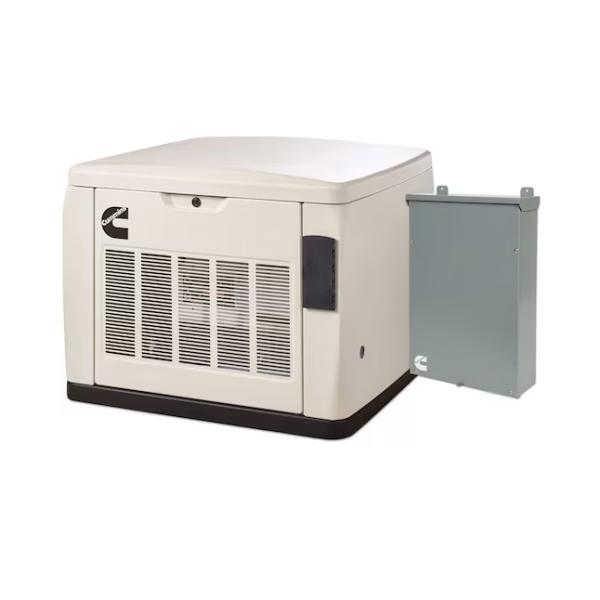
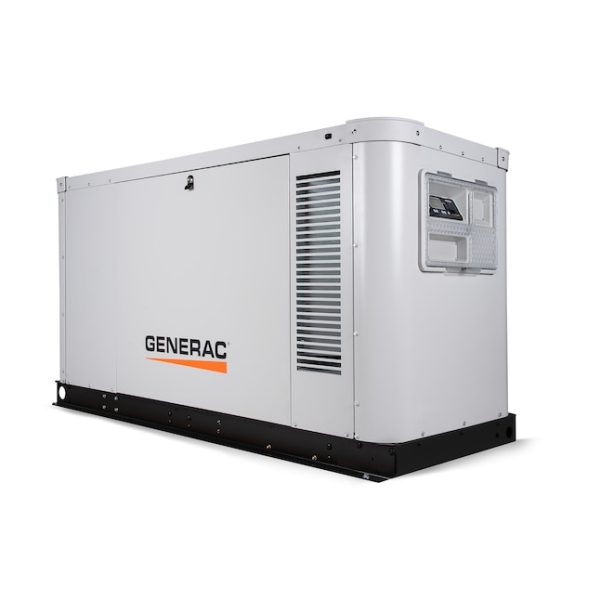
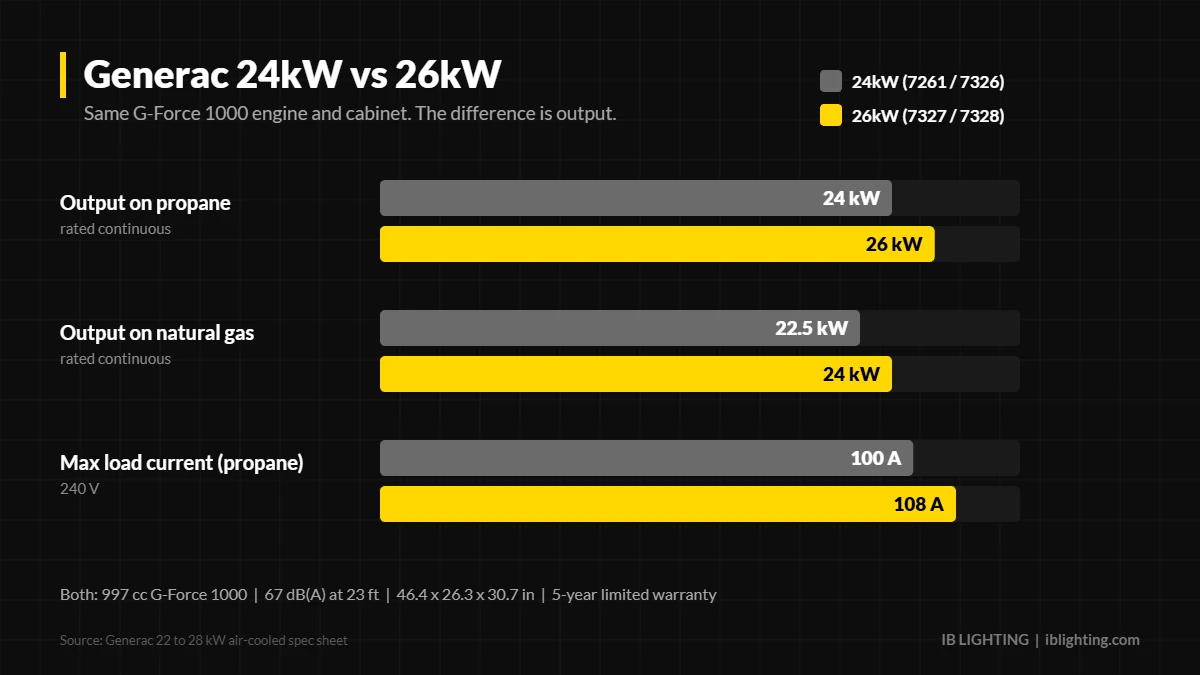
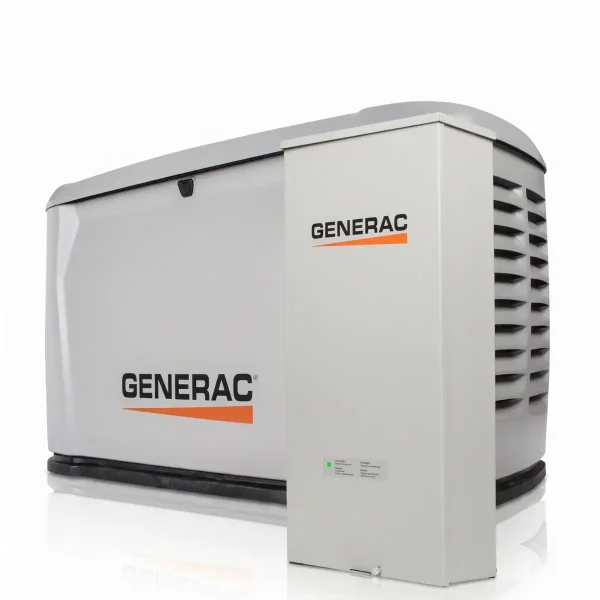 Generac 7328 · 26 kW with 200A ATSAdd to cart for lowest price
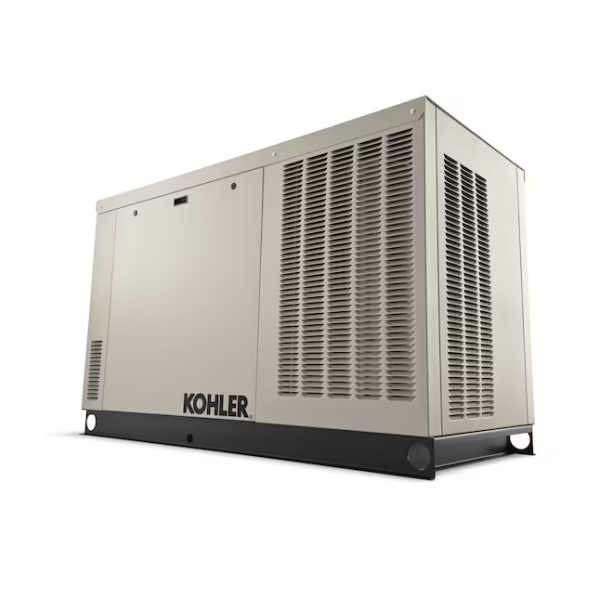
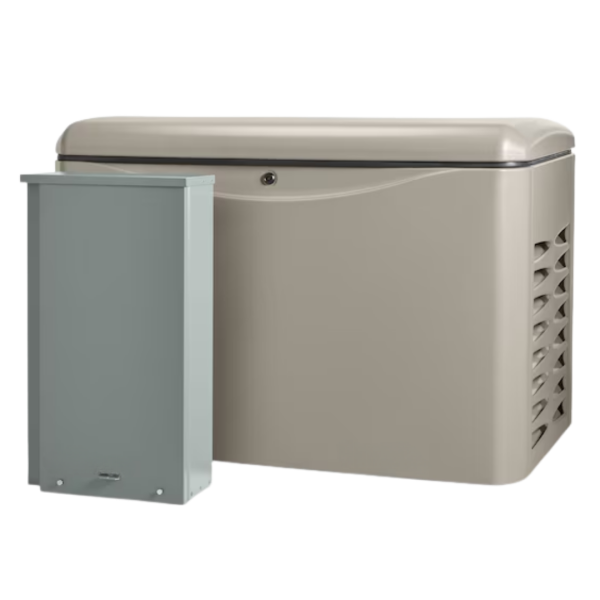 KOHLER 26RCAL-200SELS · 26 kW with 200A ATSAdd to cart for lowest price
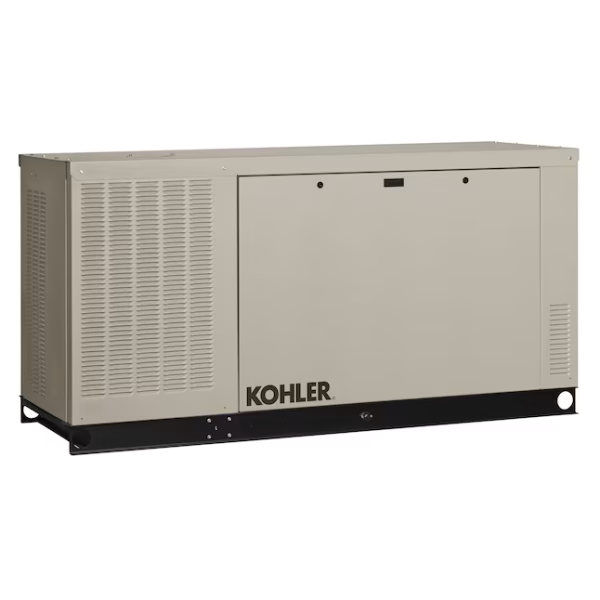 KOHLER 60RCLB-QS5 · 60 kW Liquid-CooledAdd to cart for lowest price
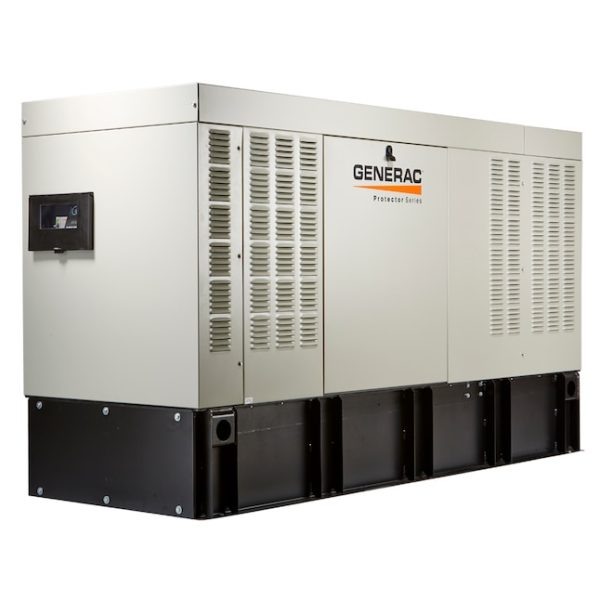
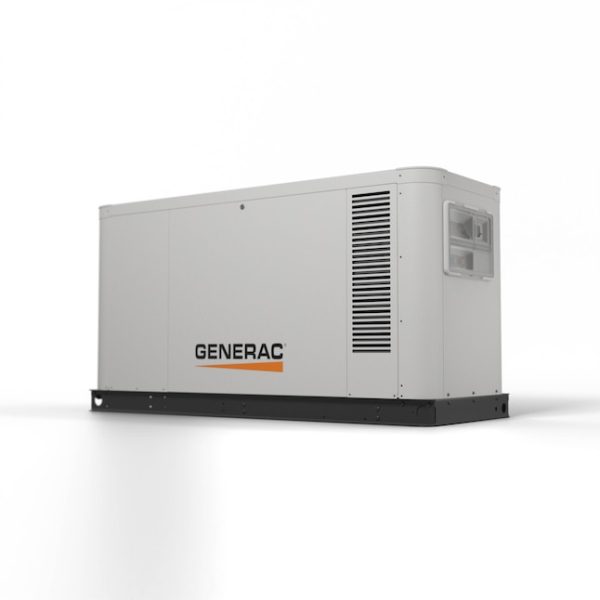
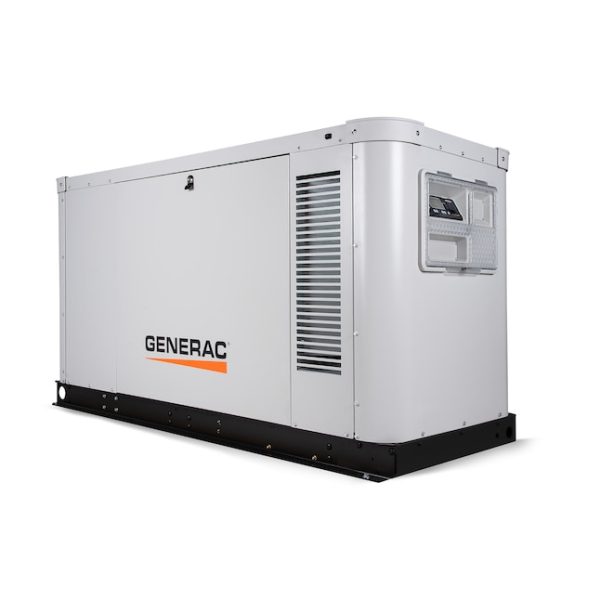 Generac Protector XG02525AUAX · 25 kW Liquid-CooledAdd to cart for lowest price
Free Freight Shipping on all standby generators. Expert sizing help at (800) 674-9019
Electrical Wires & CablesView all
 Southwire 12/2 Romex SIMpull · 250 ft
Original price was: $182.00.$159.99Current price is: $159.99.
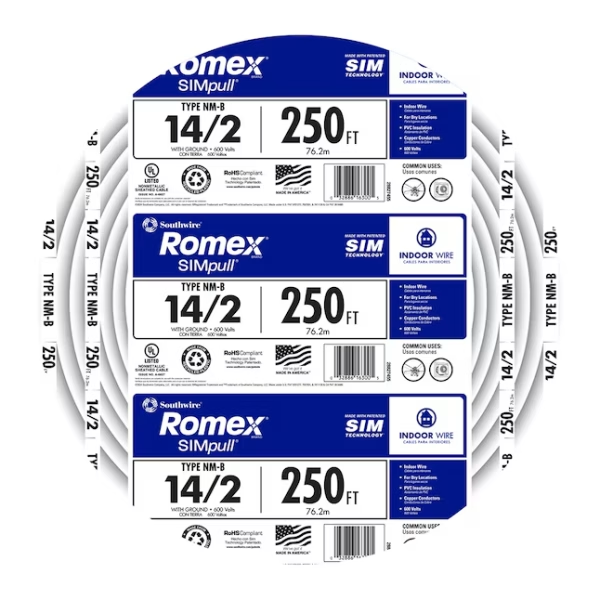 Southwire 14/2 Romex SIMpull · 250 ft
Original price was: $124.00.$109.99Current price is: $109.99.
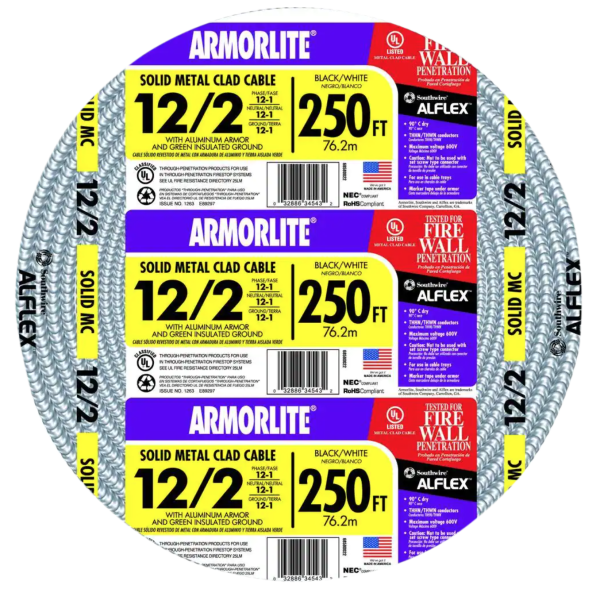 Southwire 12/2 Armorlite MC · 250 ft
Original price was: $264.00.$250.00Current price is: $250.00.
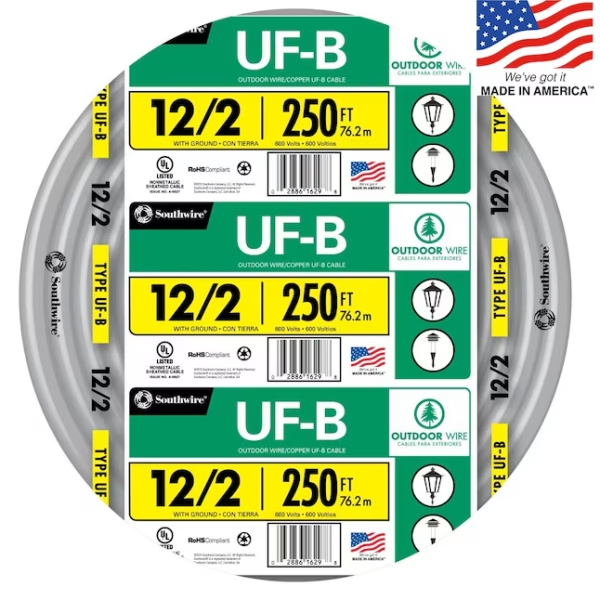 Southwire 12/2 UF-B Underground Feeder · 250 ft
Original price was: $217.00.$195.00Current price is: $195.00.
Southwire & more. NEC-compliant residential and commercial wire. Bulk pricing available.
Generator Transfer Switch KitsView all
 Square D QO QO48M60DSGP 60A Indoor Generator Transfer Panel, 4 Spaces, 8 Circuits
Original price was: $103.00.$97.85Current price is: $97.85.
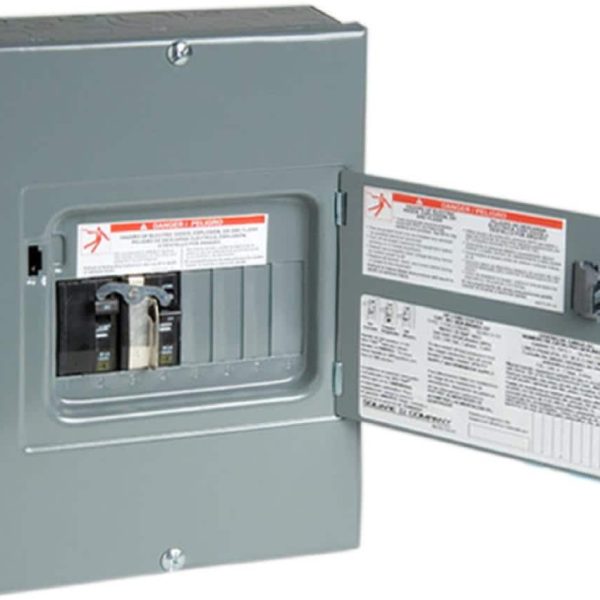 Square D QO QO48M30DSGP 30A Indoor Generator Transfer Panel, 4 Spaces, 8 Circuits
Original price was: $163.22.$155.06Current price is: $155.06.
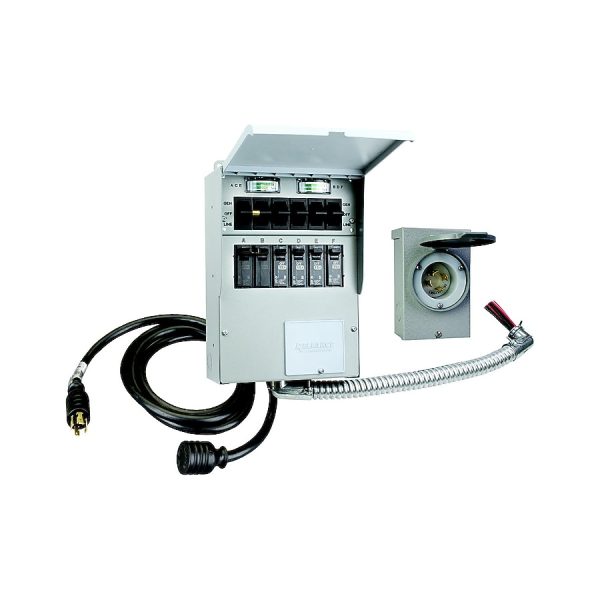
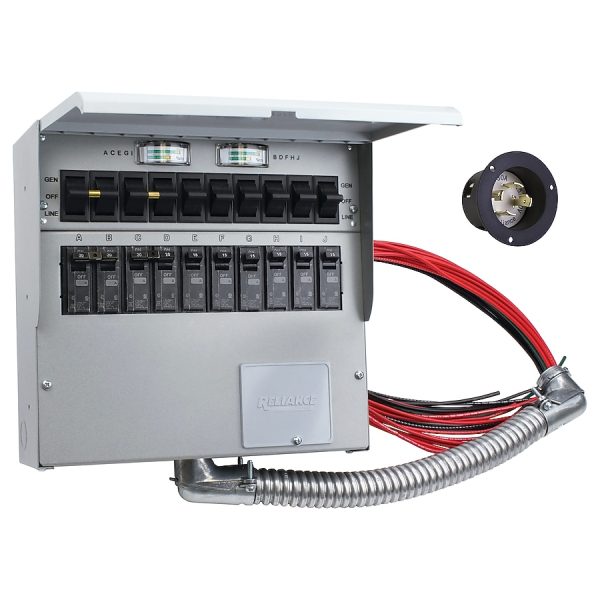 Reliance ProTran 2 310A 30A 10-Circuit Indoor Manual Transfer Switch with Inlet
Original price was: $439.95.$419.95Current price is: $419.95.
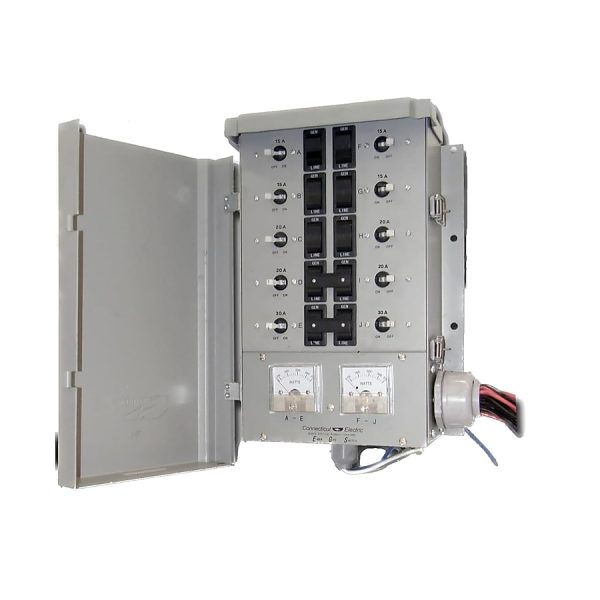
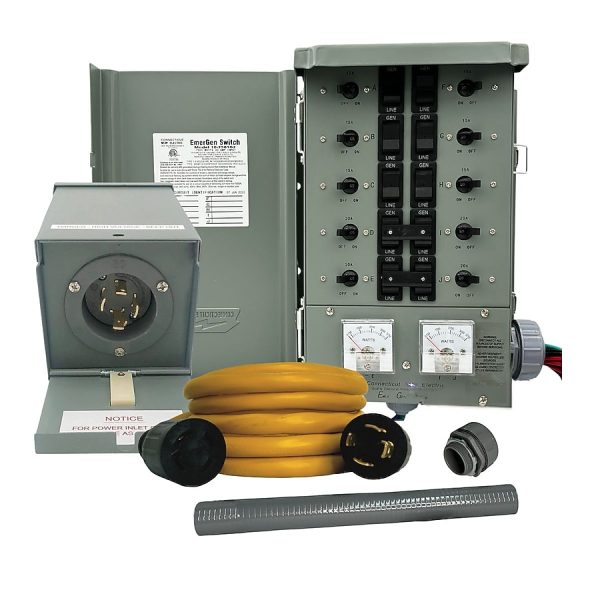
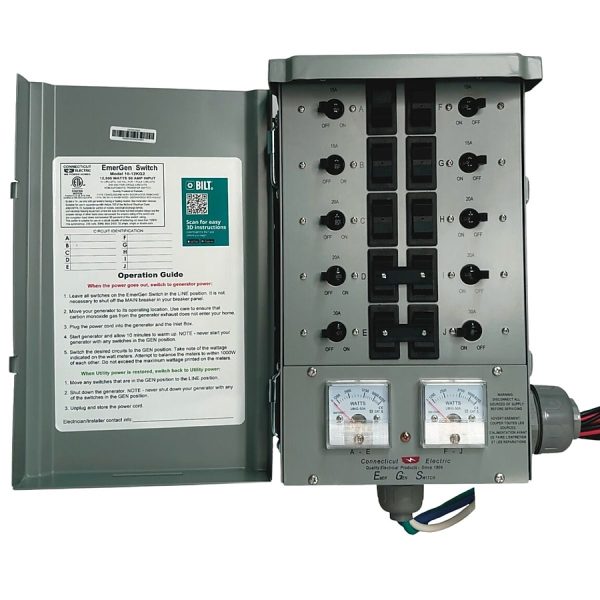 Connecticut Electric EGS1012KG2 50 Amp 10-Circuit Manual Transfer Switch
Original price was: $397.99.$377.99Current price is: $377.99.
Seamless Power Transfer. Match your generator with the right ATS. Call (800) 674-9019
Electrical Panels & Load CentersView all
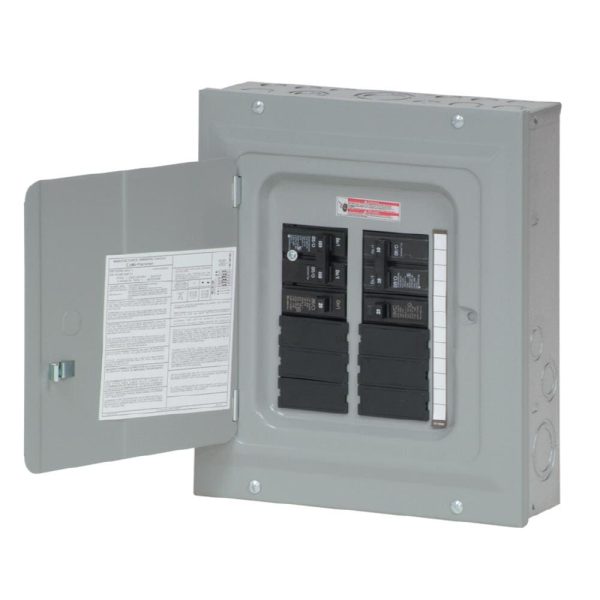 Eaton BR BR1020B100SRNV 100 Amp Indoor Main Breaker Load Center, 10 Spaces, 20 Circuits – Value Pack
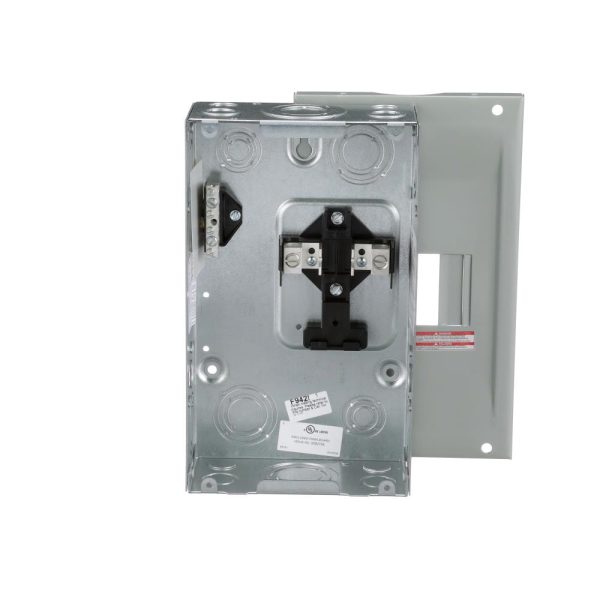 Eaton BR BR24L125SP 125 Amp Indoor Main Lug Load Center, 2 Spaces, 4 Circuits
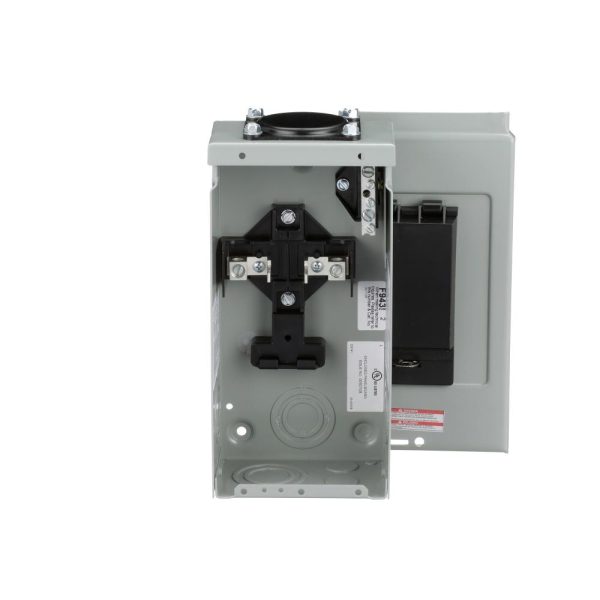 Eaton BR BR24L70RP 70 Amp Outdoor Main Lug Load Center, 2 Spaces, 4 Circuits
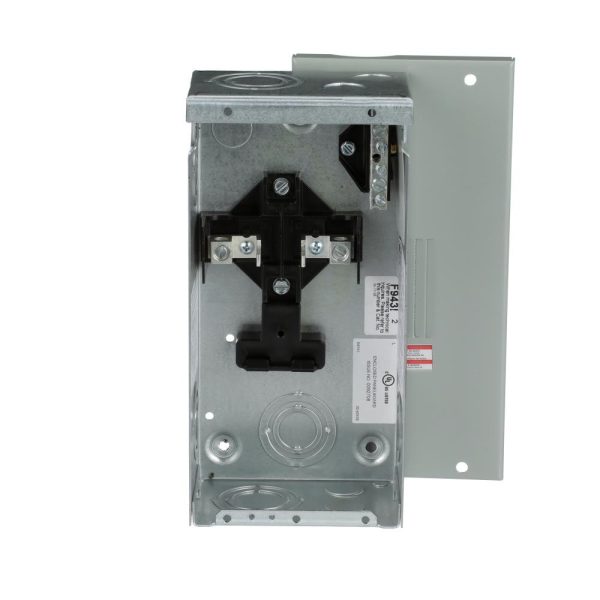 Eaton BR BR24L70SP 70 Amp Indoor Main Lug Load Center, 2 Spaces, 4 Circuits
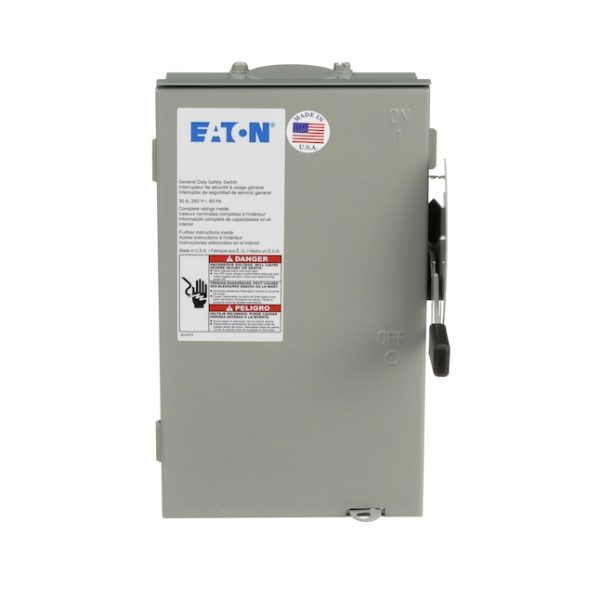
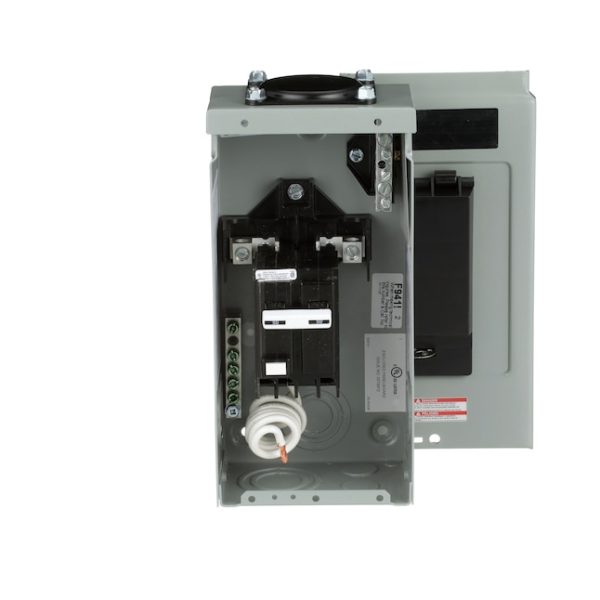
Electrical Disconnects & Safety SwitchesView all
Portable & Inverter GeneratorsView all
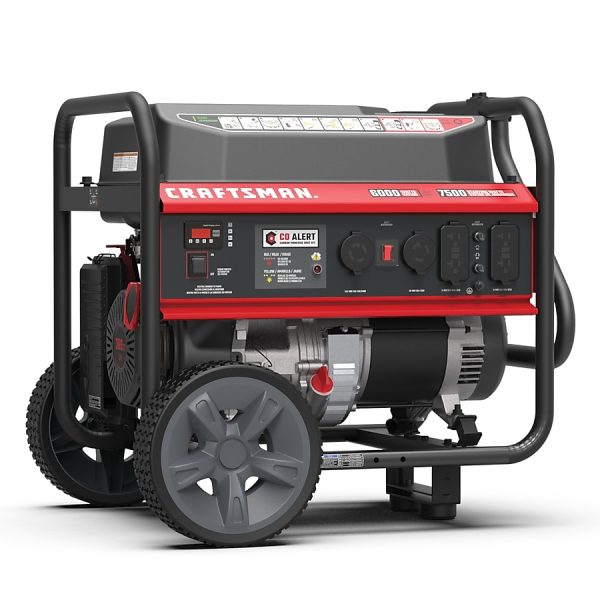
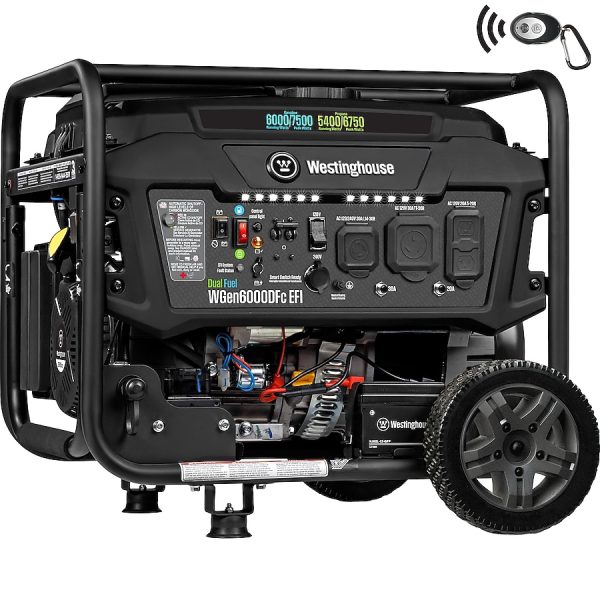 Westinghouse WGen6000DFc EFI 7,500/6,000W Dual-Fuel Generator with CO Sensor
Original price was: $1,049.00.$999.00Current price is: $999.00.
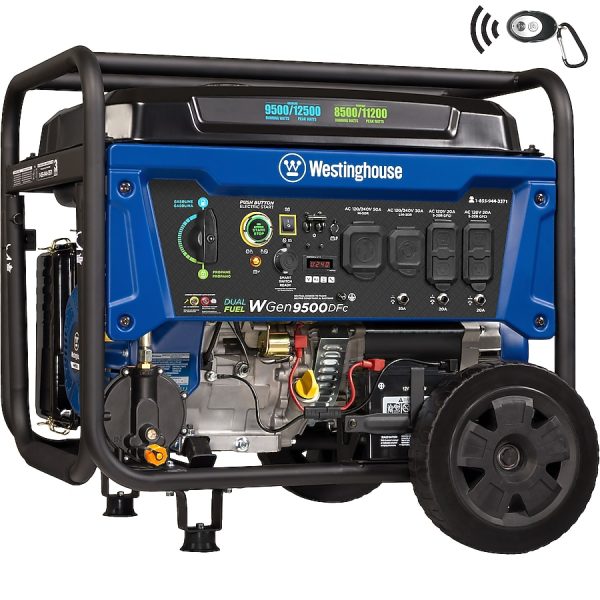 Westinghouse WGen9500DFc 12,500/9,500W Dual-Fuel Portable Generator with CO Sensor
Original price was: $1,049.00.$999.00Current price is: $999.00.
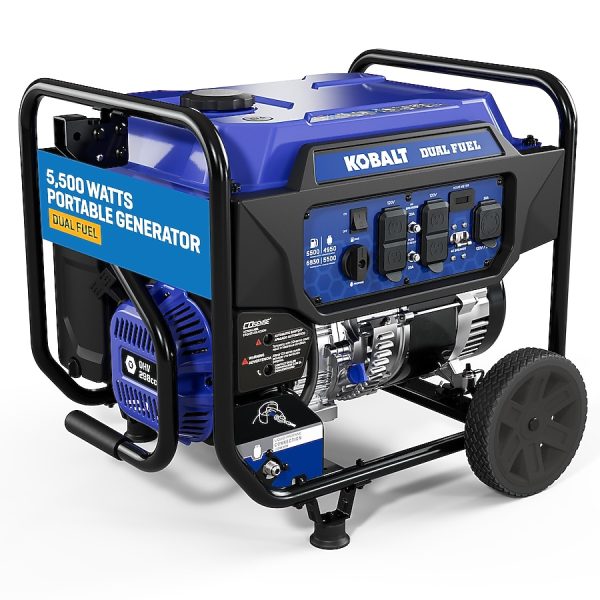
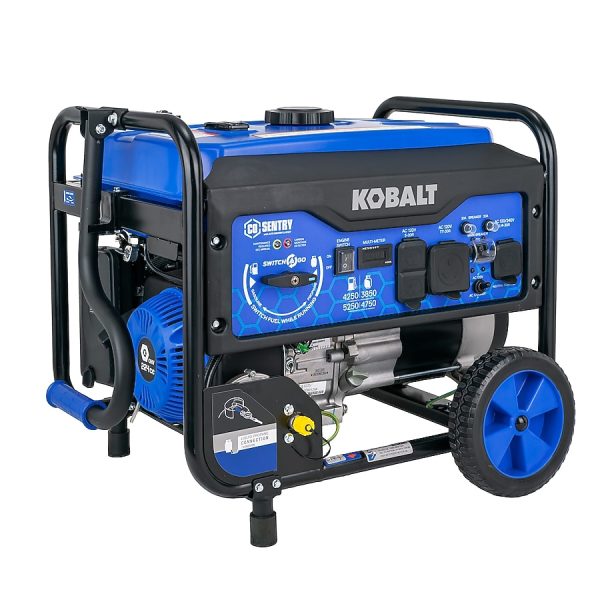
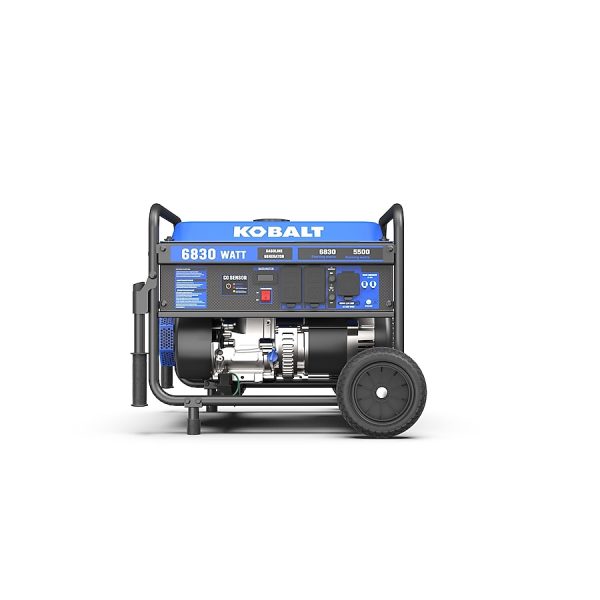
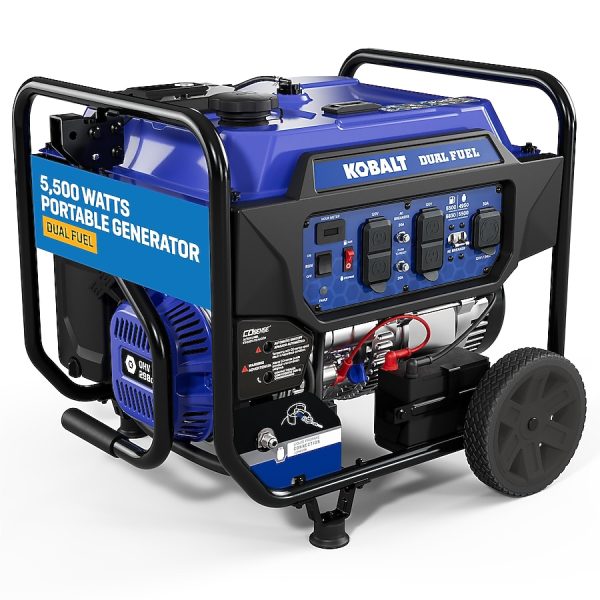 Kobalt KPG0500 6,830/5,500W 50-State Dual Fuel Generator with Electric Start
Original price was: $999.00.$979.00Current price is: $979.00.
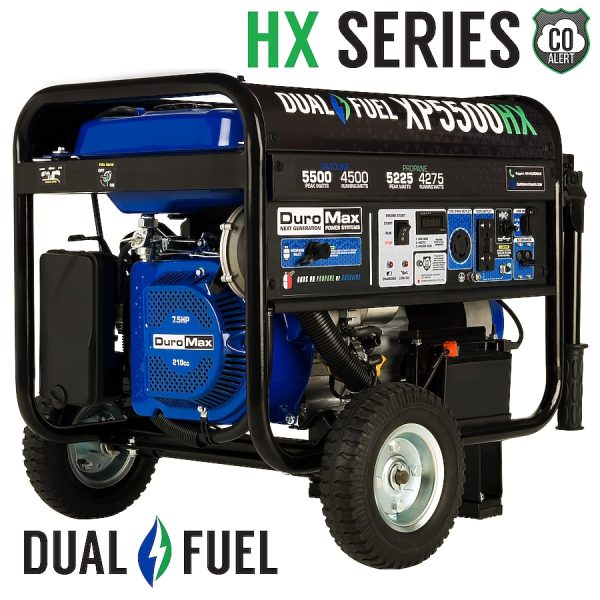 DuroMax XP5500HX 5,500/4,500W Dual-Fuel Portable Generator with CO Alert
Original price was: $688.89.$668.89Current price is: $668.89.
Power anywhere. Quiet inverter technology for jobsites, camping, and backup. Free shipping nationwide.
Generator Accessories & KitsView all
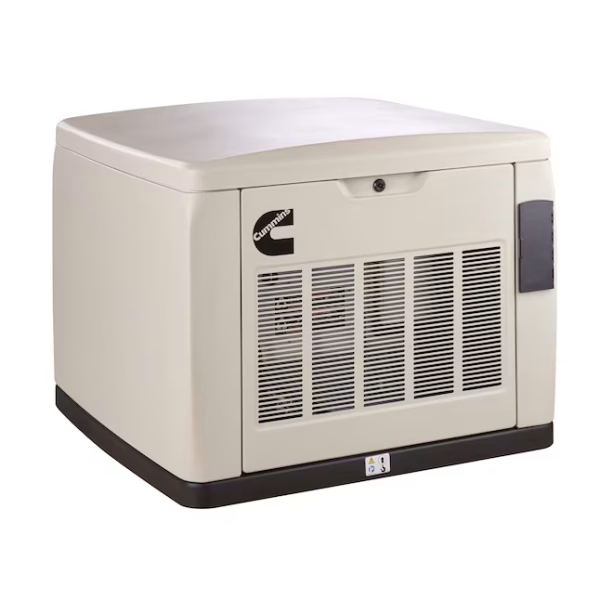
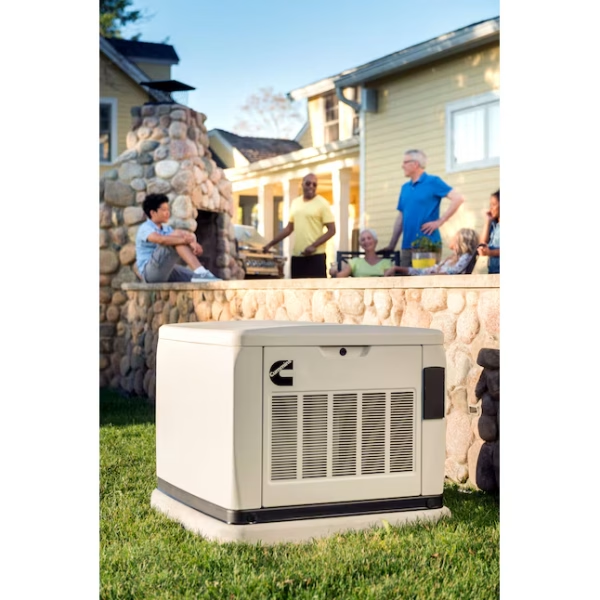 Cummins A052A795 Generator Base Pad for Cummins Standby Generators
$335.00
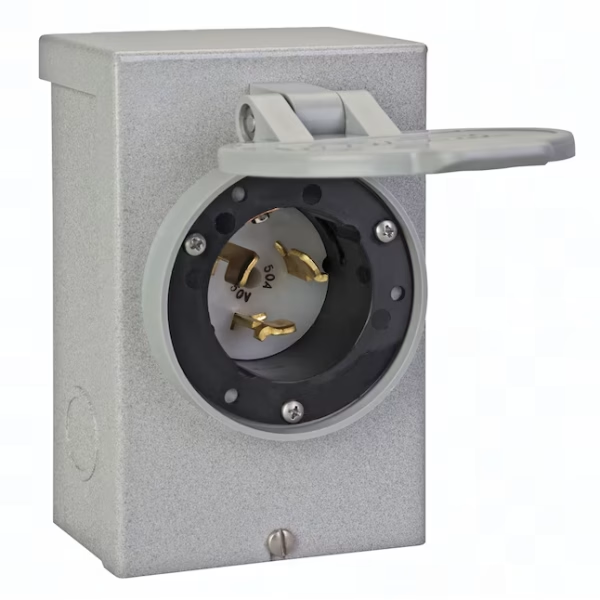
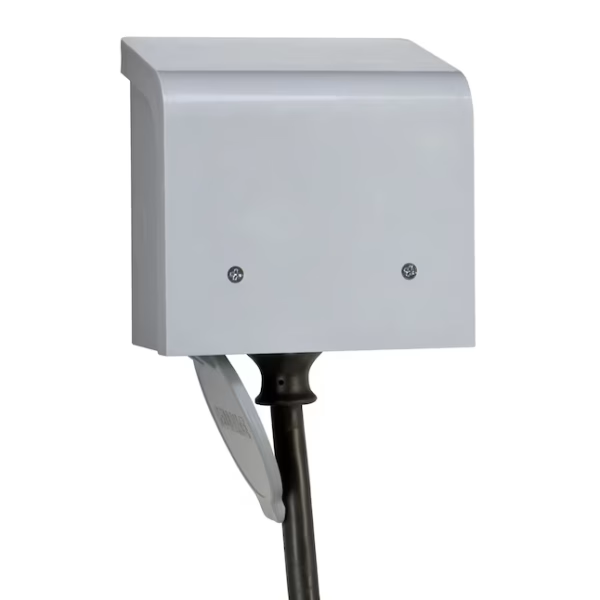 Reliance 50-Amp Generator Power Inlet Box – Model PBN50
Add to cart for lowest price
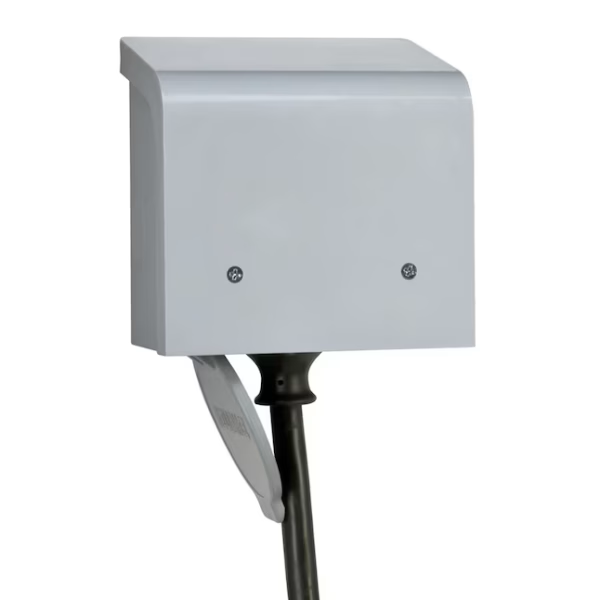
 Reliance 50-Amp Generator Power Inlet Box – Model PB50
Add to cart for lowest price
 Reliance 30-Amp Generator Power Inlet Box – Model PBN30
Add to cart for lowest price
Protect your investment. OEM accessories and maintenance kits for Generac generators.
Emergency & Exit LightsView all
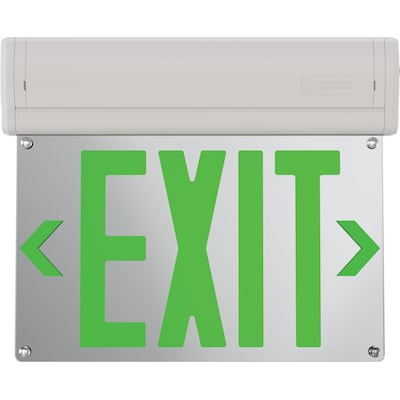 Lithonia Lighting BEWGSMM6 Edge-Lit LED Exit Sign with Green Letters, White
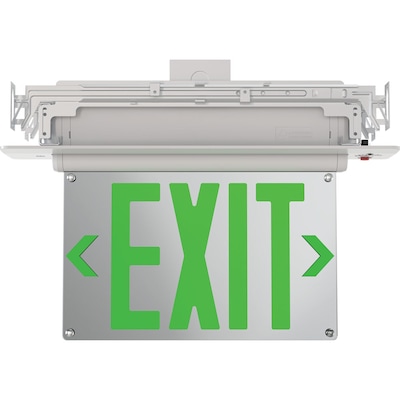 Lithonia Lighting BEWGUMM2 Edge-Lit LED Exit Sign with Green Letters, White
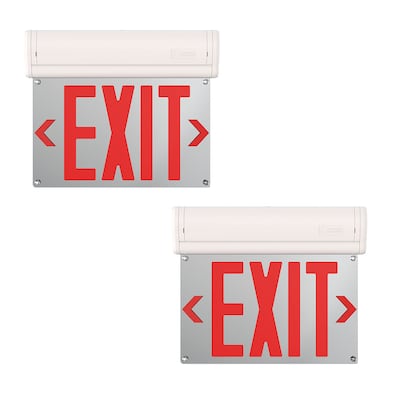 Lithonia Lighting BEWRSMCP2M2 Edge-Lit LED Exit Signs with Red Letters, White, 2-Pack
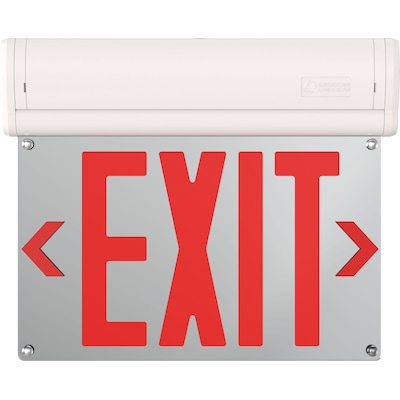 Lithonia Lighting BEWRSMM6 Edge-Lit LED Exit Sign with Red Letters, White
Recessed LED DownlightsView all
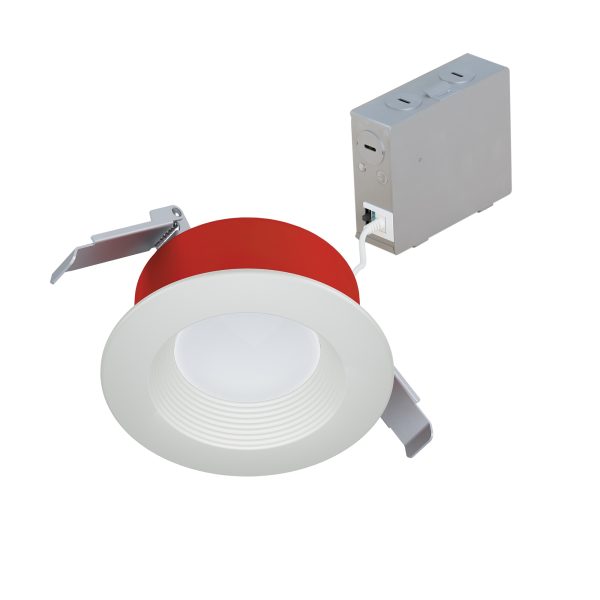
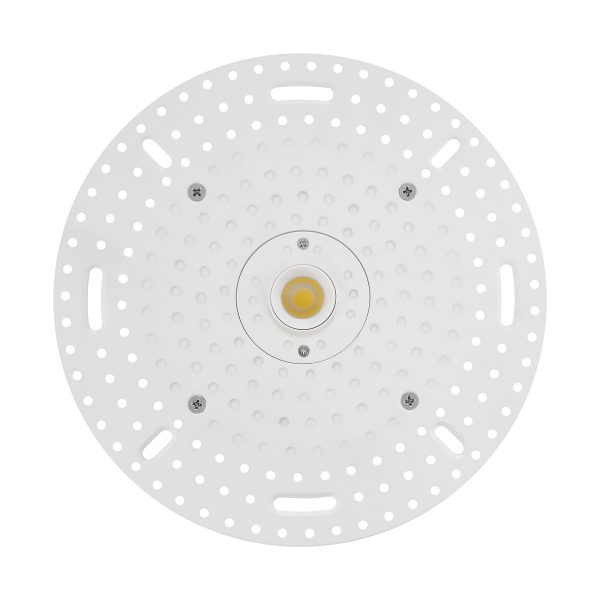
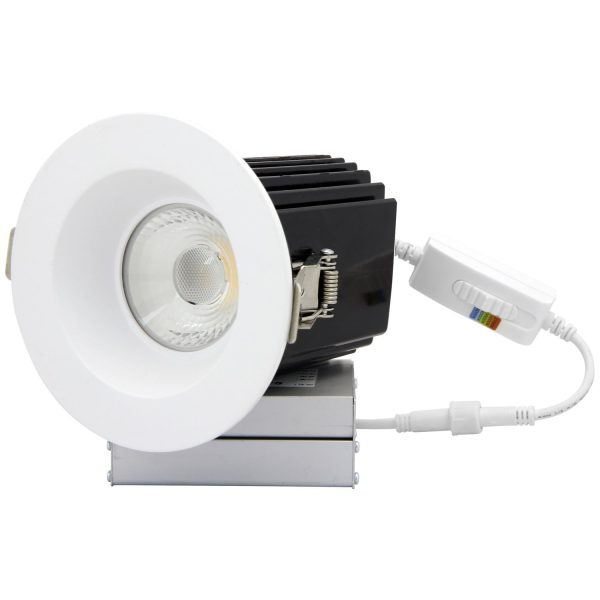
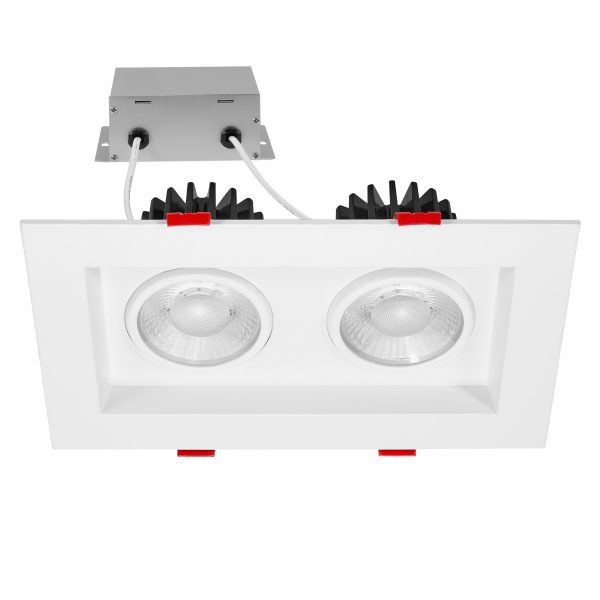 Maxxima White 2000-Lumen Switchable white Rectangular Dimmable LED Canless Wet Rated Recessed Downlight (MRL-S430152)
Original price was: $149.99.$142.49Current price is: $142.49.
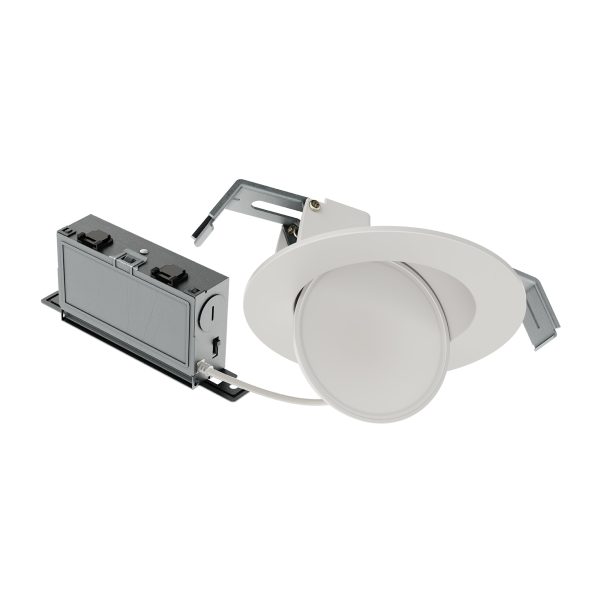
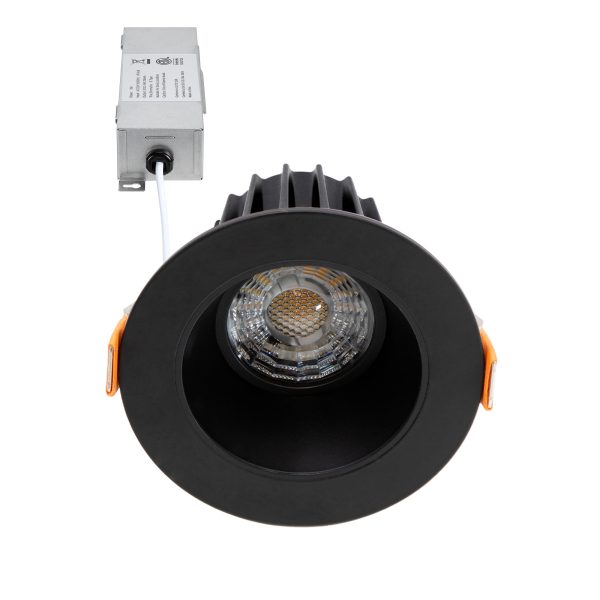
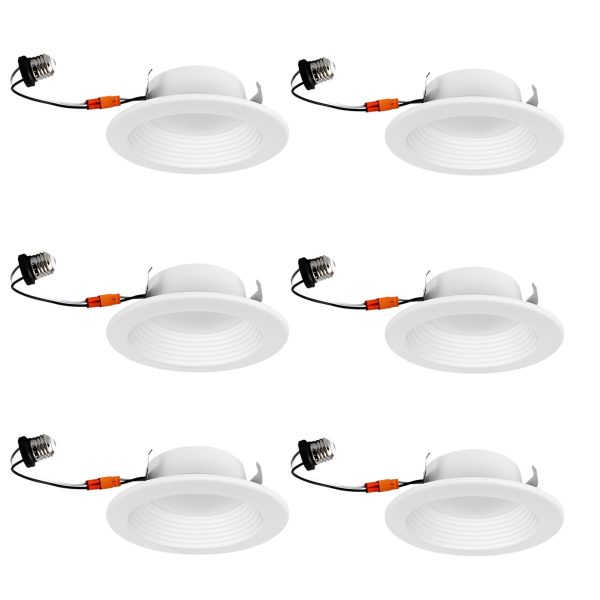
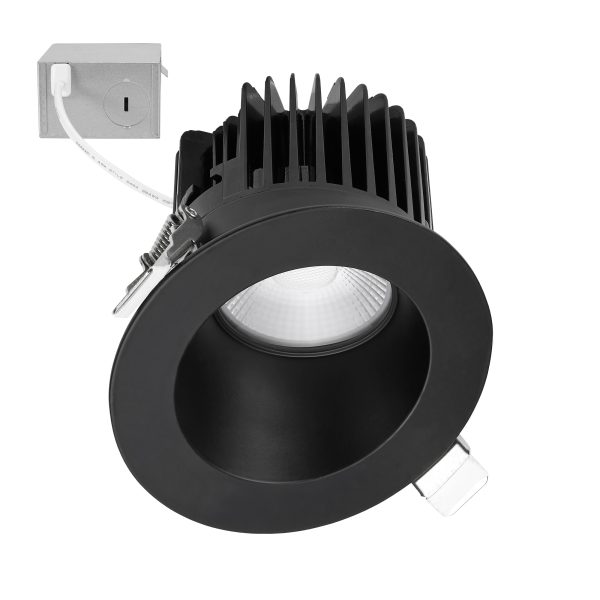 Maxxima Black 4-in 900-Lumen Switchable white Round Dimmable LED Canless Wet Rated Recessed Downlight (MRL-S415305B)
Original price was: $49.98.$47.48Current price is: $47.48.
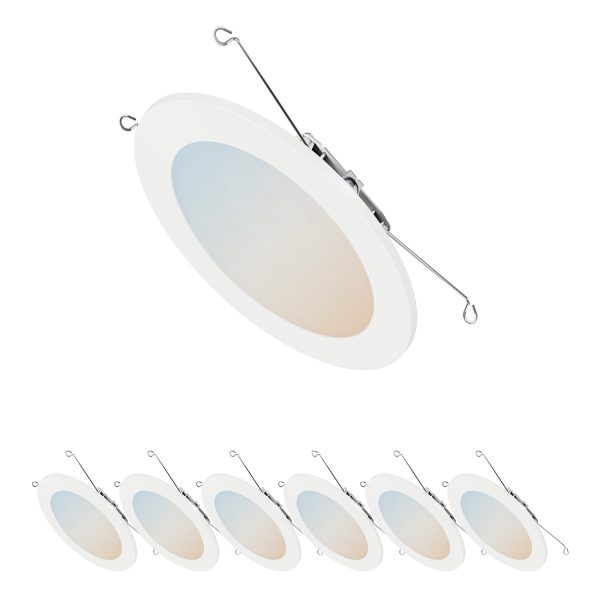
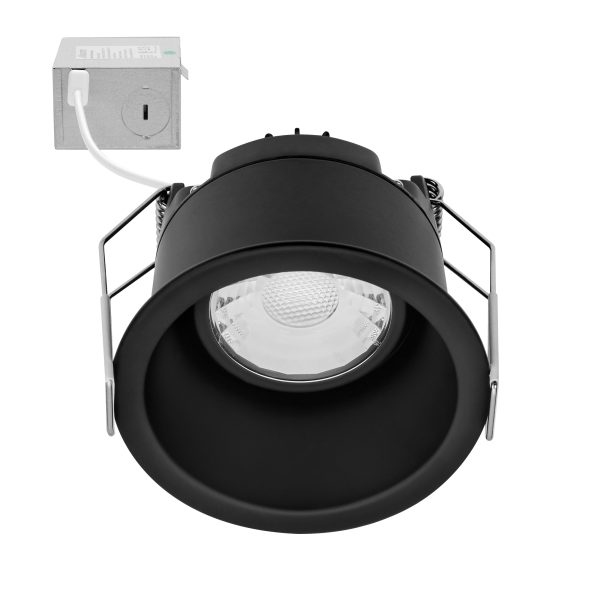
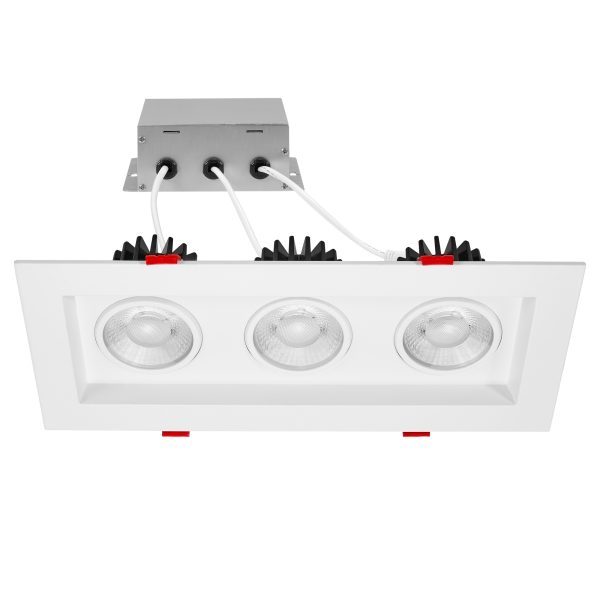 Maxxima Anti-Glare White 3000-Lumen Switchable white Rectangular Dimmable LED Canless Wet Rated Recessed Downlight (MRL-S445153)
Original price was: $189.99.$180.49Current price is: $180.49.
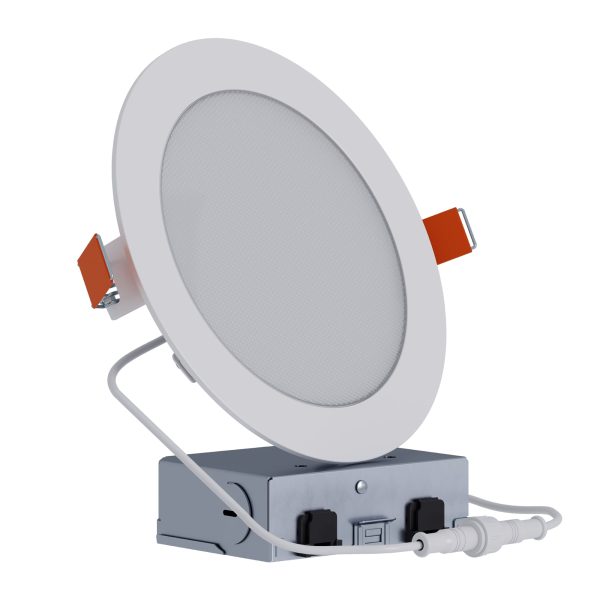
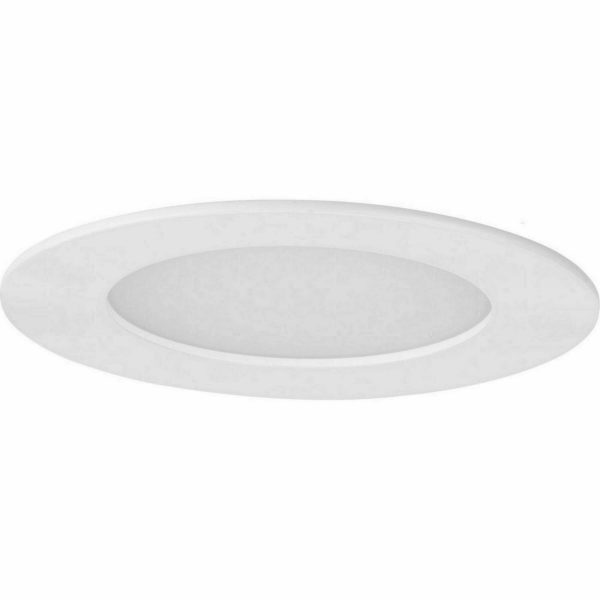
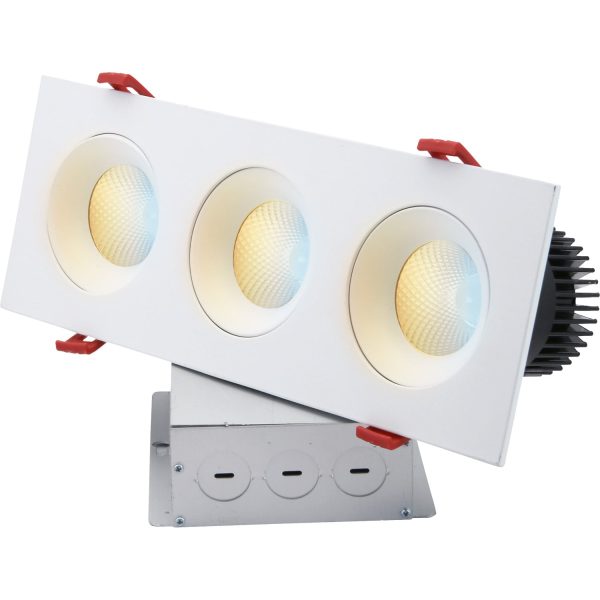 SUNLITE White 2270-Lumen Switchable Round Dimmable LED Canless Wet Rated Recessed Downlight (LW85609)
Original price was: $149.99.$142.49Current price is: $142.49.
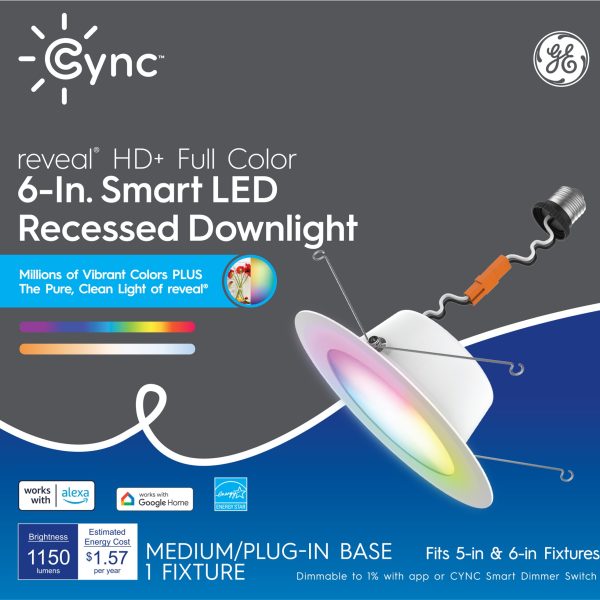
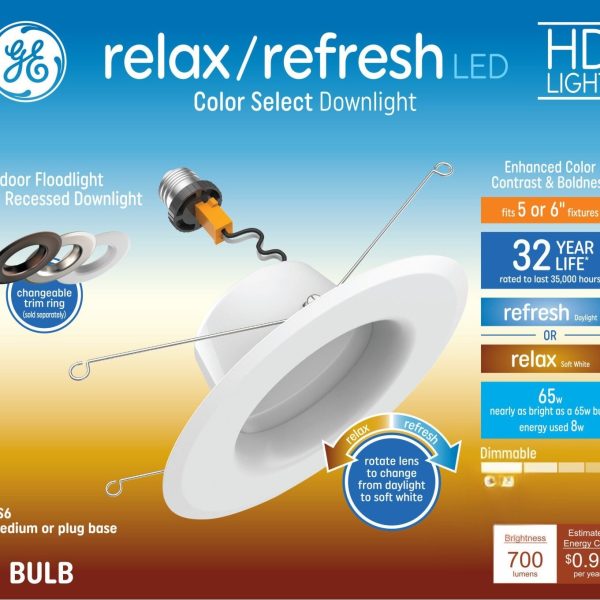
Energy-efficient LED downlights. For kitchens, hallways, and living spaces. Free shipping included.
Smoke & Carbon Monoxide DetectorsView all
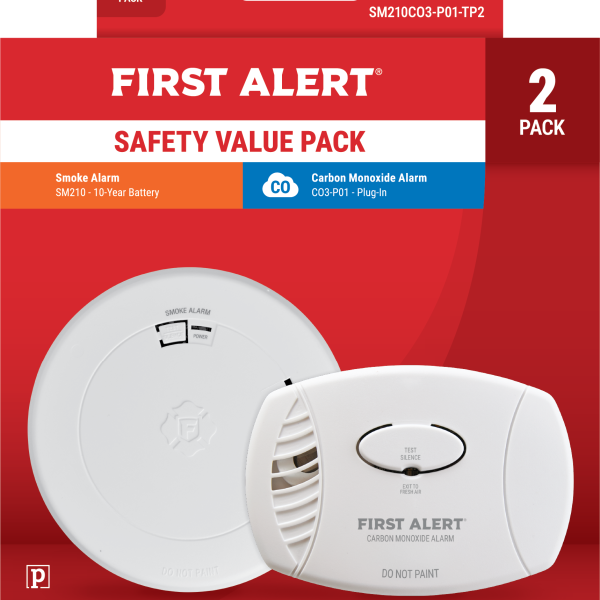 First Alert SM210CO3-B01-TP2 Smoke Alarm and Battery CO Alarm Kit, 2 Devices
Original price was: $49.98.$46.98Current price is: $46.98.
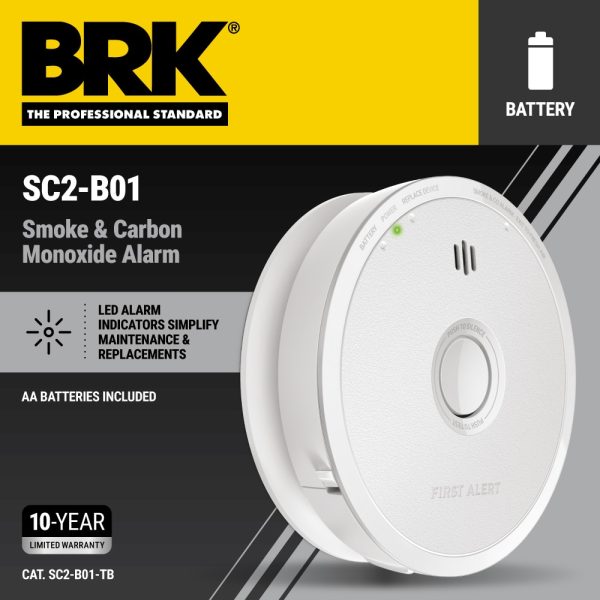 First Alert BRK SC2-B01-TB Battery-Operated Combination Smoke & Carbon Monoxide Alarm, 1-Pack
Original price was: $43.98.$41.34Current price is: $41.34.
First Alert SM210CO3-P01-TP2 Smoke Alarm and Plug-In CO Alarm Kit, 2 Devices
Original price was: $59.98.$56.38Current price is: $56.38.
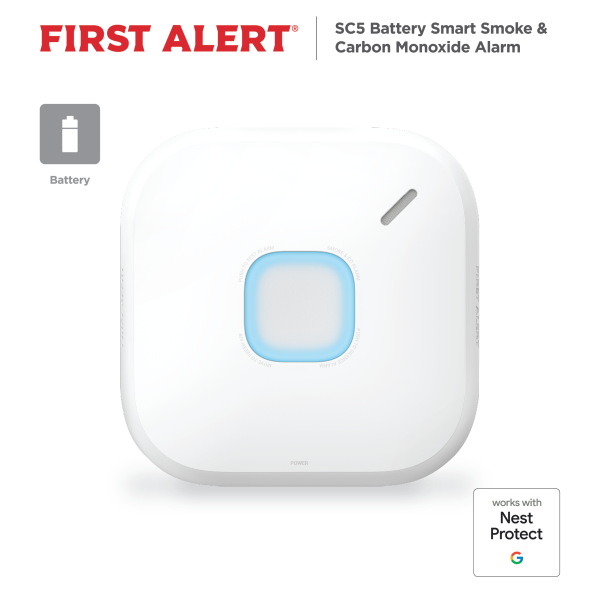 First Alert SC5 FSMCO600NVCL1 Battery-Operated Smart Smoke & Carbon Monoxide Alarm, 1-Pack
Original price was: $129.00.$121.26Current price is: $121.26.
Home safety essentials. Smoke and carbon monoxide detection for every room.
EV Chargers & Charging StationsView all
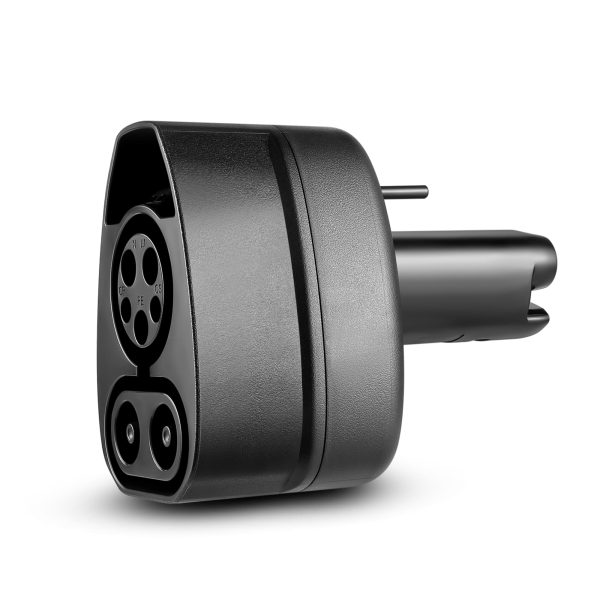 Lectron CCS1 to NACS DC Fast Charging Adapter for CCS-Enabled Tesla Vehicles – 4895230325957
Original price was: $189.99.$180.49Current price is: $180.49.
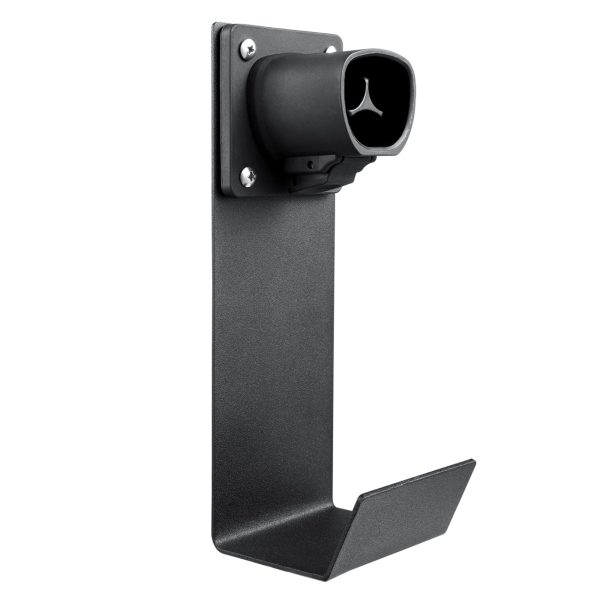 Lectron NACS EV Charging Handle Dock and J-Hook Cable Holder – 4895230324325
Original price was: $19.99.$19.19Current price is: $19.19.
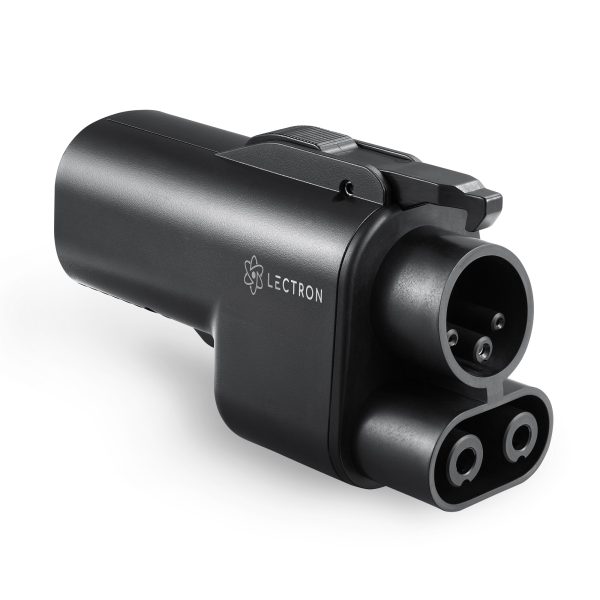 Lectron Vortex Plug NACS to CCS1 DC Fast Charging Adapter, 500A – 4895230323076
Original price was: $199.99.$189.99Current price is: $189.99.
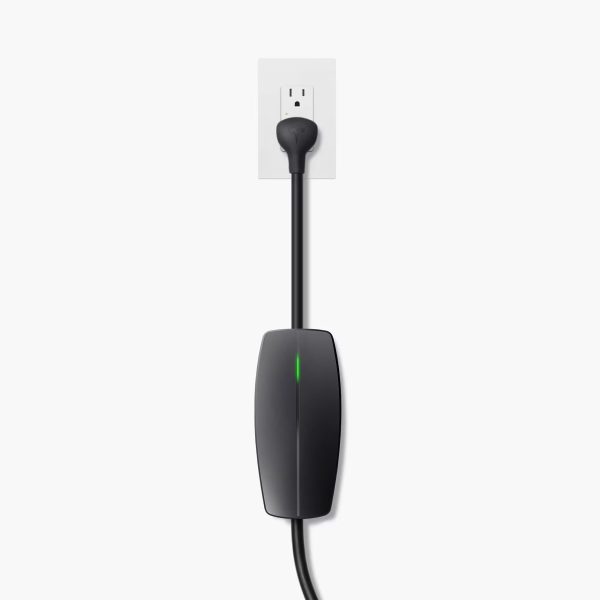
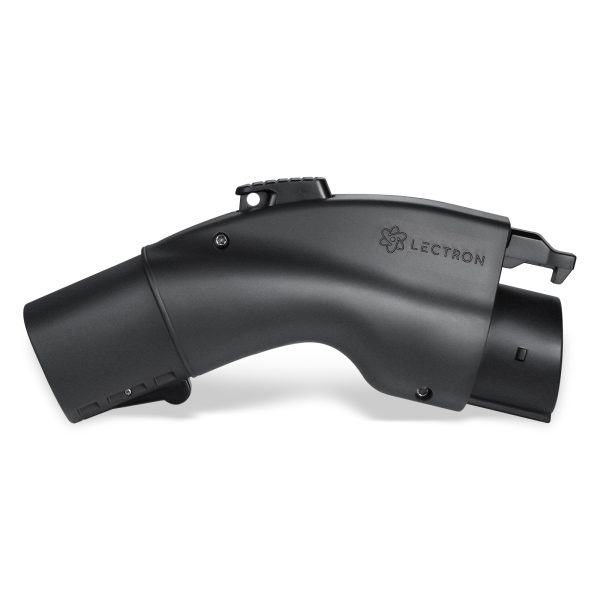 Lectron 48A Tesla/NACS to J1772 AC EV Charging Adapter – 4895230314098
Original price was: $170.00.$161.50Current price is: $161.50.
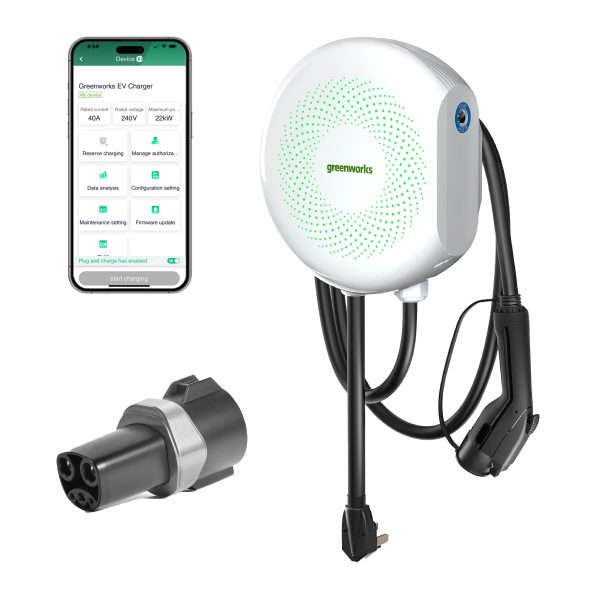
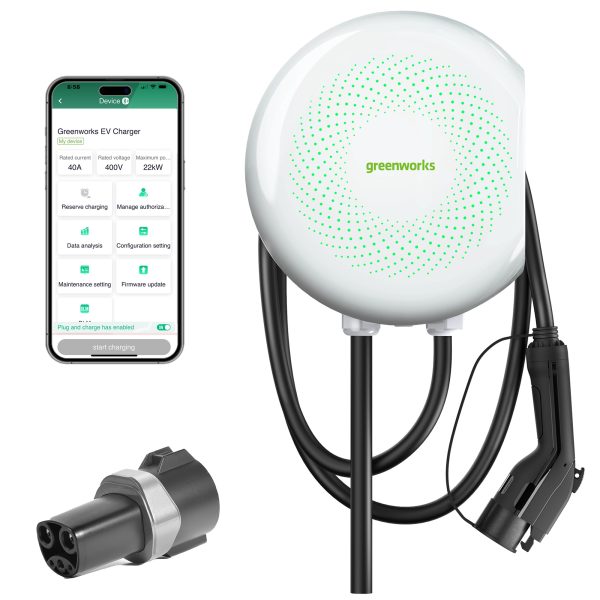
Level 2 home charging. Tesla and Lectron chargers. Expert support included.
HVAC Heating & Cooling EquipmentView all
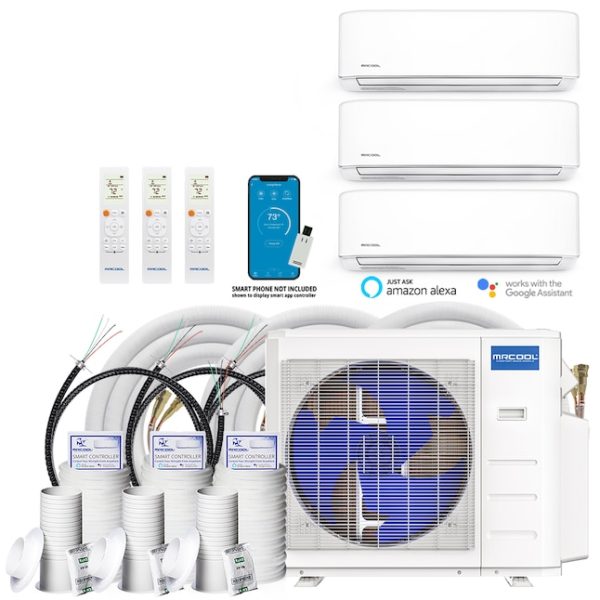 MRCOOL DIY 5th Gen 3-Zone Ductless Mini-Split Kit, 9K + 9K + 9K Indoor Units, 36K Outdoor Unit – DIYM336HPW08D21
Original price was: $4,933.62.$4,686.94Current price is: $4,686.94.
MRCOOL DIY 5th Gen 3-Zone Ductless Mini-Split Kit, 6K + 6K + 12K Indoor Units, 27K Outdoor Unit – DIYM327HPW02D21
Original price was: $4,492.96.$4,268.31Current price is: $4,268.31.
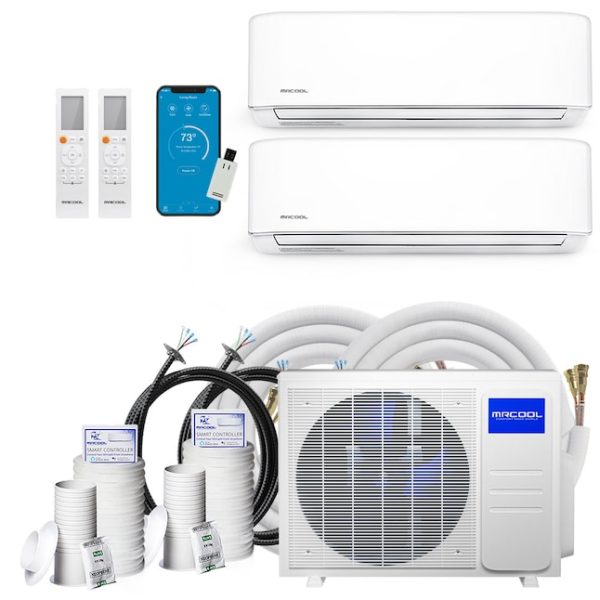 MRCOOL DIY 5th Gen 2-Zone Ductless Mini-Split Kit, 9K + 18K Indoor Units, 36K Outdoor Unit – DIYM236HPW02D07
Original price was: $4,544.95.$4,317.70Current price is: $4,317.70.
MRCOOL DIY 5th Gen 2-Zone Ductless Mini-Split Kit, 12K + 12K Indoor Units, 27K Outdoor Unit – DIYM227HPW04D06
Original price was: $4,006.00.$3,805.70Current price is: $3,805.70.
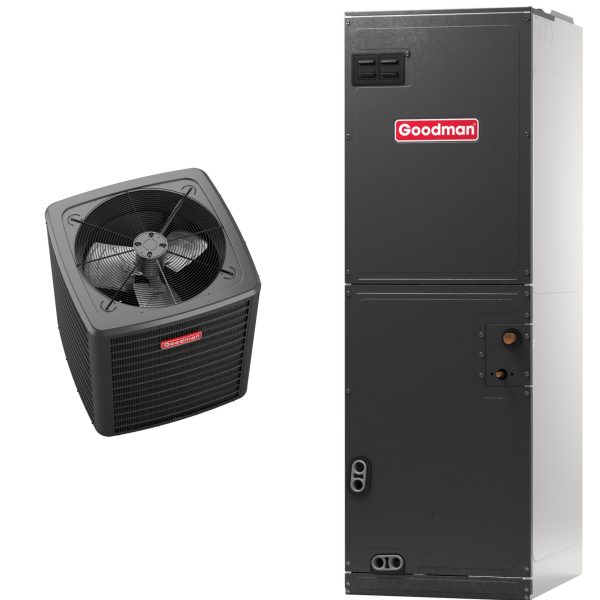
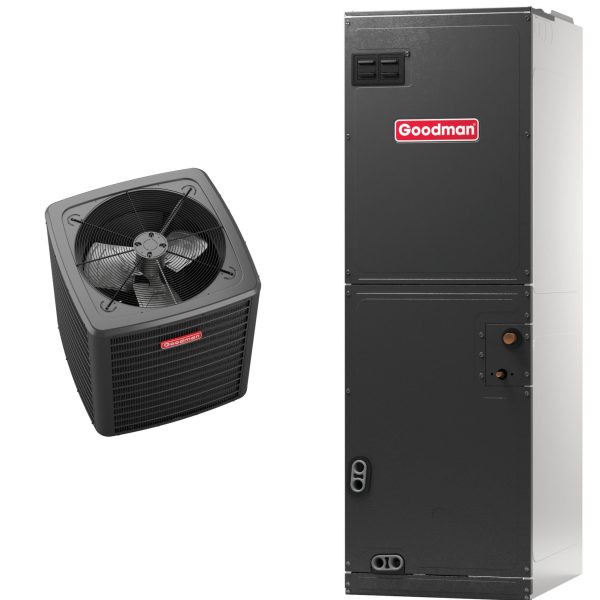
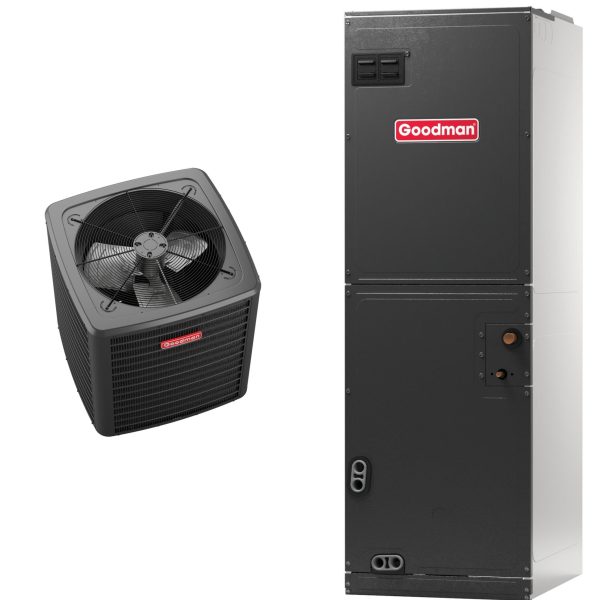
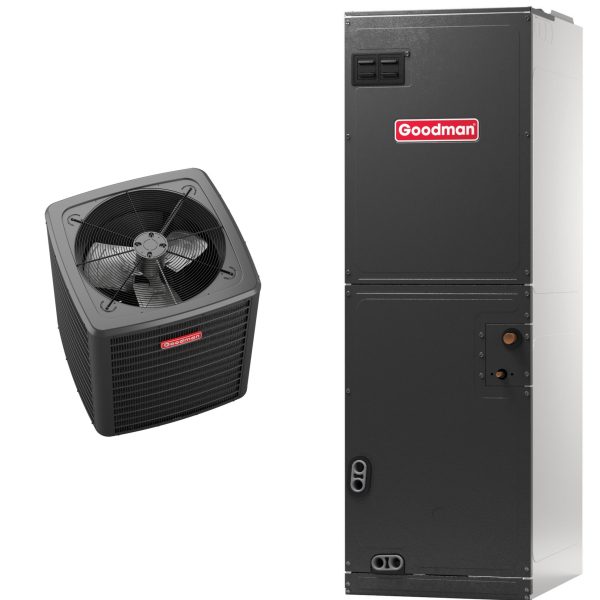
Goodman & MRCOOL. DIY-friendly mini splits and full HVAC systems. Warranty included.
Luxury ChandeliersView all
 Valdivia 5-Light 22 in. Satin Gold Flush Mount Ceiling Light (SKU: 1567C22-5-602)
$300.00
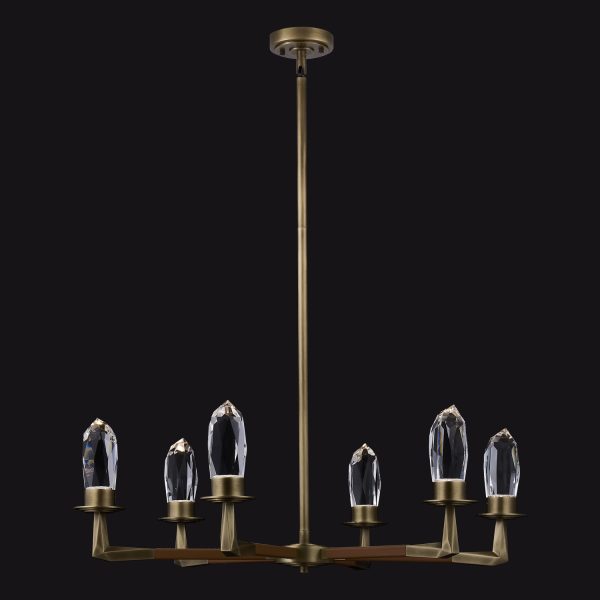 Allegri Misto 6-Light LED Chandelier with Satin Brass Finish and Clear Firenze Crystal
Original price was: $4,398.00.$2,976.45Current price is: $2,976.45.
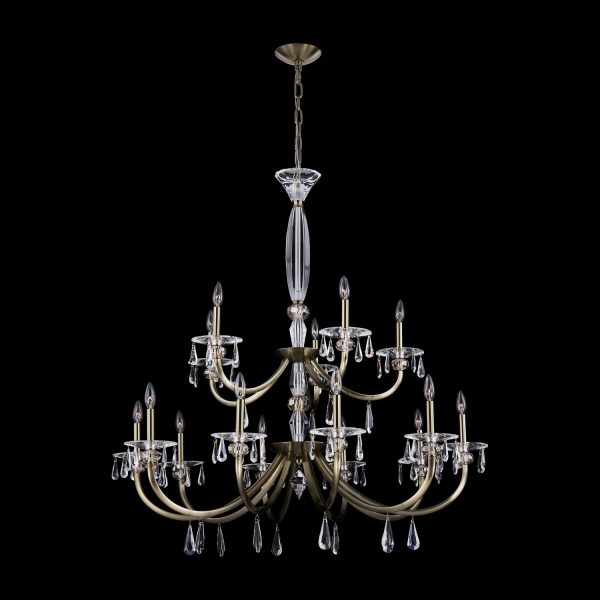 Allegri Passo 8-Light Chandelier with Brushed Brass Finish and Clear Firenze Crystal
Original price was: $5,498.00.$4,961.95Current price is: $4,961.95.
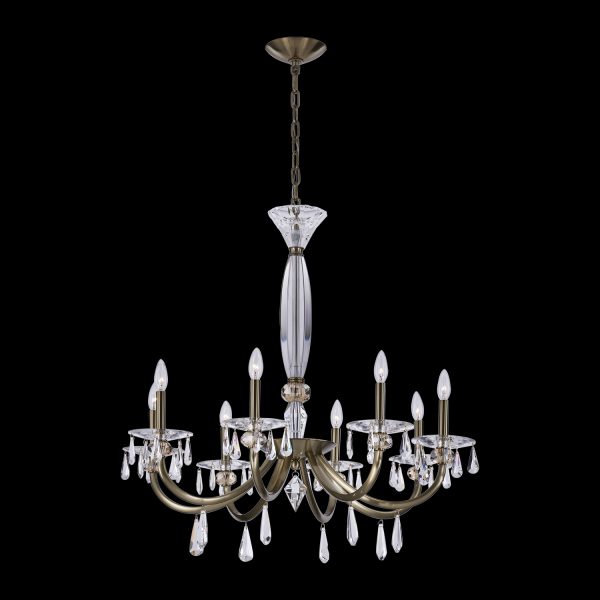 Allegri Passo 8-Light Chandelier with Brushed Brass Finish and Clear Firenze Crystal
Original price was: $2,748.00.$2,346.50Current price is: $2,346.50.
Statement lighting. CWI collections. Earn IB Points on every purchase.
Pendant LightsView all
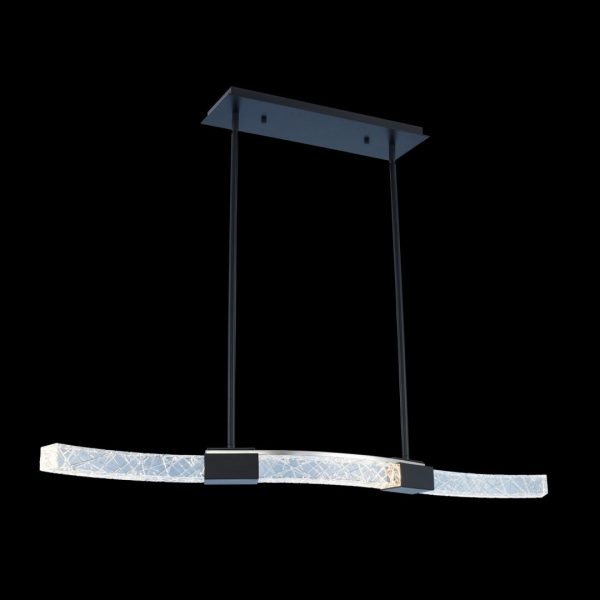 Allegri Athena 40‑Inch Integrated LED Island Pendant 034860‑051‑FR001 with Matte Black / Polished Nickel Finish and Clear Firenze Crystal
Original price was: $1,478.00.$1,263.69Current price is: $1,263.69.
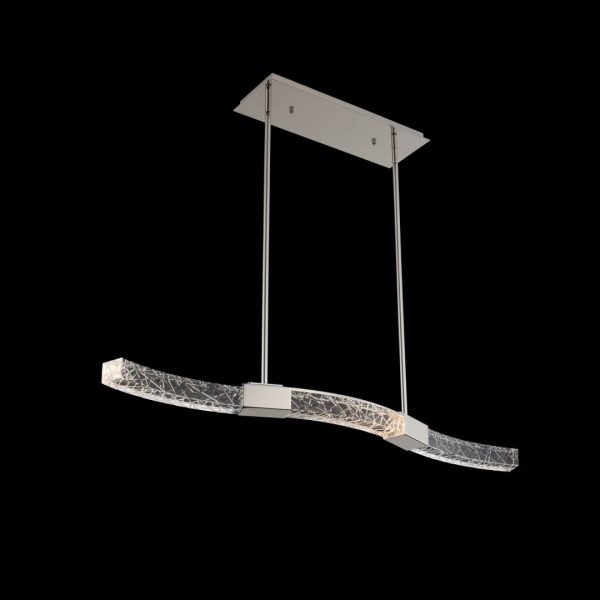 Allegri Athena 40-Inch Integrated LED Island Pendant with Polished Nickel Finish and Clear Firenze Crystal
Original price was: $1,478.00.$1,263.69Current price is: $1,263.69.
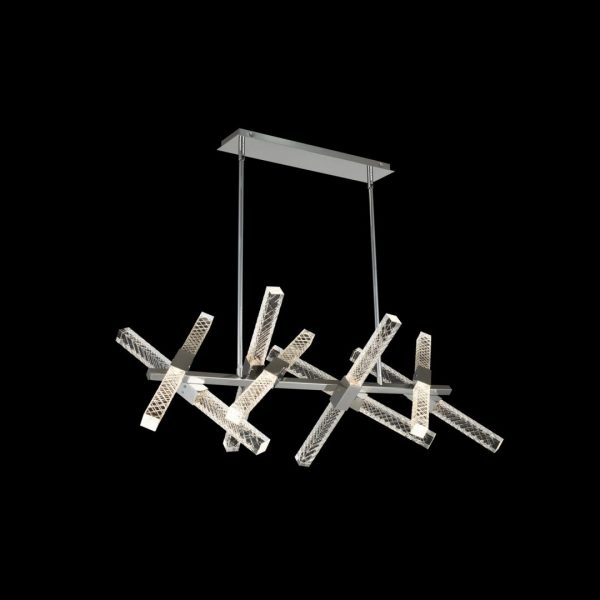 Allegri Apollo 16‑Light Integrated LED Island Pendant 034960‑010‑FR001 with Polished Chrome Finish and Clear Firenze Crystal
Original price was: $4,528.00.$3,871.44Current price is: $3,871.44.
 Allegri Apollo 16-Light Integrated LED Island Pendant with Brushed Champagne Gold Finish and Clear Firenze Crystal
Original price was: $4,528.00.$3,871.44Current price is: $3,871.44.
Designer pendants. CWI and Maxim collections. Free shipping.
Vanity & Wall Lights and SconcesView all
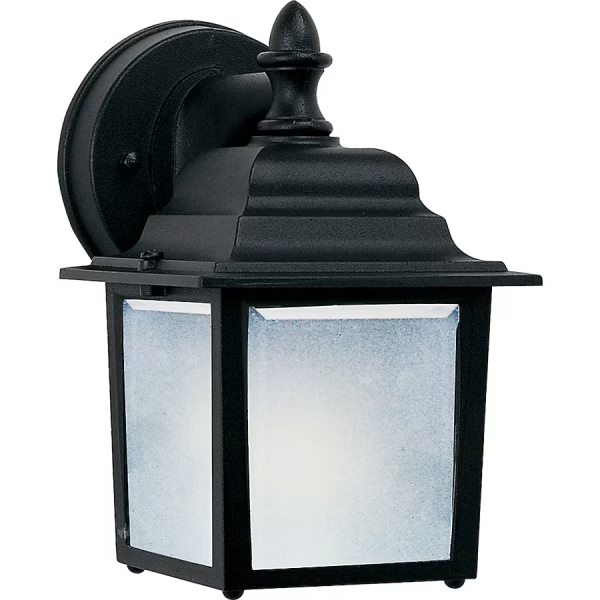
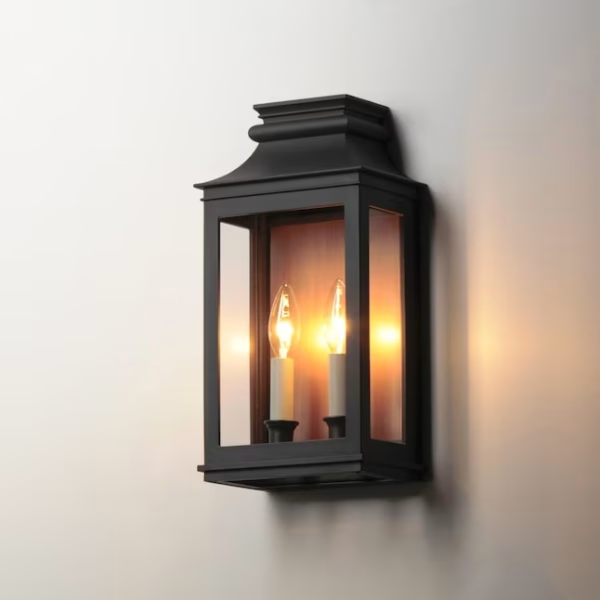
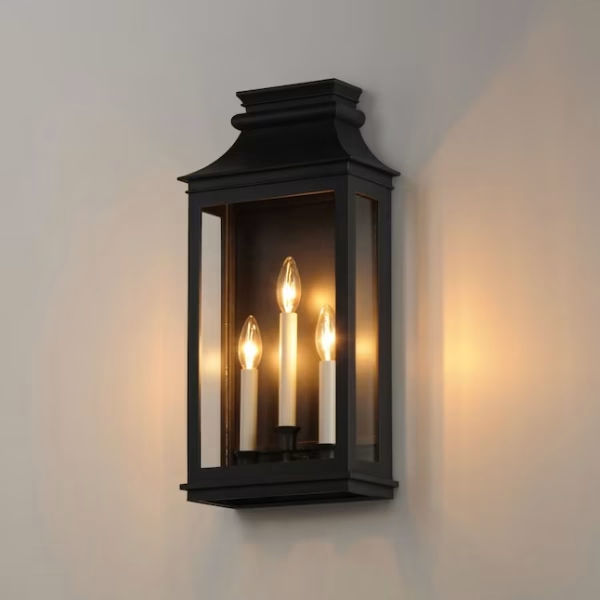
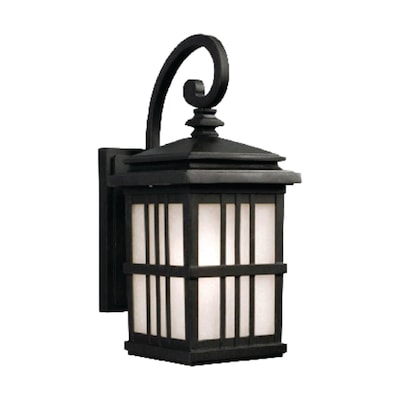 Westinghouse 6400200 LED Outdoor Wall Lantern with Frosted Glass, Oil Rubbed Bronze
Original price was: $95.70.$90.92Current price is: $90.92.
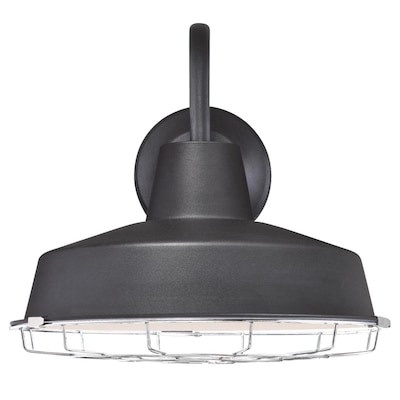 Westinghouse 6131300 Academy Dimmable LED Outdoor Wall Light, Textured Black
Original price was: $83.83.$79.64Current price is: $79.64.
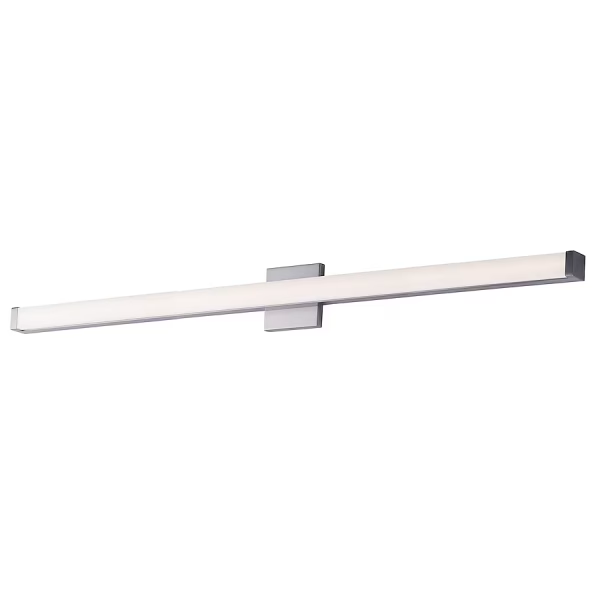
 CWI Lighting Glace 12-Inch Integrated LED Wall Light – Aluminum (Model 1063W12-169)
Original price was: $180.00.$111.91Current price is: $111.91.
 CWI Lighting Glace 24-Inch Integrated LED Wall Light – Aluminum Finish (Model 1063W24-169)
Original price was: $210.00.$148.91Current price is: $148.91.
Wall lighting & sconces. Designer vanity and wall-mount fixtures. Free shipping.
Commercial LED LightingView all
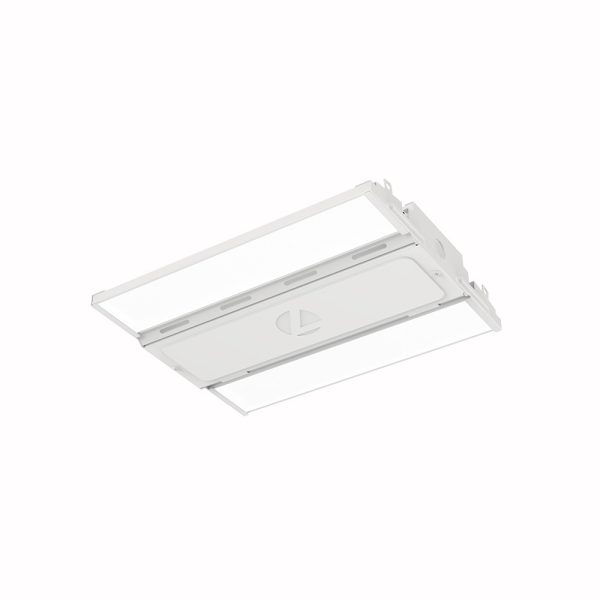 Lithonia Lighting Compact Pro Linear LED High Bay, 12,261 Lumens, 4000K – CPHB 12LM MVOLT 40KLithonia Lighting Compact Pro Linear LED High Bay, 14,955 Lumens, 5000K – CPHB 15LM MVOLT 50KLithonia Lighting Compact Pro Linear LED High Bay, 15,000 Lumens, 4000K – CPHB 15LM MVOLT 40K
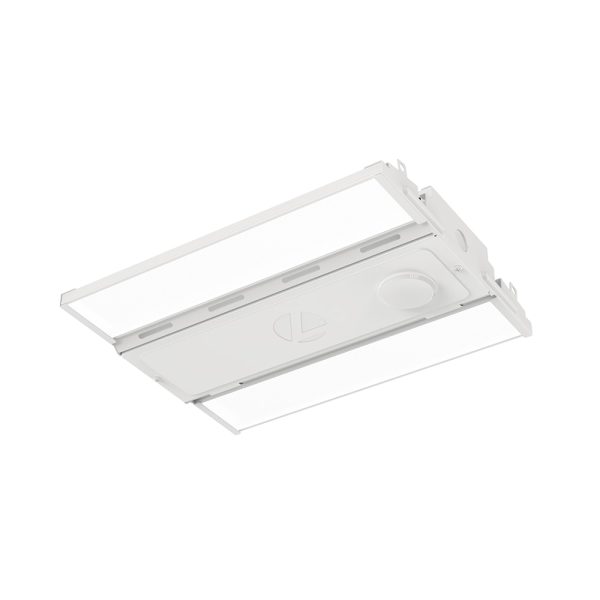 Lithonia Lighting Compact Pro Linear LED High Bay, 18,000 Lumens, Selectable White – CPHBALO13SWW9DWH